Category: Thailand Notebook

Practical tips and travel stories from Thailand: Bangkok, Pattaya, Isan, the islands.

  • Thailand: northern villages | travel tips — a prac

    Thailand: northern villages | travel tips — a prac

    Exploring northern villages in Thailand is easier with a little preparation and room to adapt. Allow time for transfers, breaks, and unexpected changes along the way.

    Thailand: northern villages | travel tips — a prac

    Check local schedules and conditions before setting out, leave a buffer between stops, and follow the customs of the places you visit.

    #ThailandTravel #Thailand #ResponsibleTravel #MrSchaka

    #Thailand #Bangkok #ThailandTravel #TravelTips #Asia #MrSchaka

    Practical takeaway

    What is the best tip? Plan the essentials, then adjust your itinerary to the pace of the trip.

    Cover of Bangkok – The Practical Guide

    To go further

    Mr Schaka’s guidebook, Bangkok – The Practical Guide, covers the essentials: transport, neighbourhoods, addresses, food, etiquette and safety, updated for 2026–2027.

  • Thailand: two-week itineraries | travel tips — a p

    Thailand: two-week itineraries | travel tips — a p

    Exploring two-week itineraries in Thailand is easier with a little preparation and room to adapt. Allow time for transfers, breaks, and unexpected changes along the way.

    Thailand: two-week itineraries | travel tips — a p

    Check local schedules and conditions before setting out, leave a buffer between stops, and follow the customs of the places you visit.

    #ThailandTravel #Thailand #ResponsibleTravel #MrSchaka

    #Thailand #Bangkok #ThailandTravel #TravelTips #Asia #MrSchaka

    Practical takeaway

    What is the best tip? Plan the essentials, then adjust your itinerary to the pace of the trip.

    Cover of Bangkok – The Practical Guide

    To go further

    Mr Schaka’s guidebook, Bangkok – The Practical Guide, covers the essentials: transport, neighbourhoods, addresses, food, etiquette and safety, updated for 2026–2027.
  • Thailand: boat trips | travel tips — a practical g

    Thailand: boat trips | travel tips — a practical g

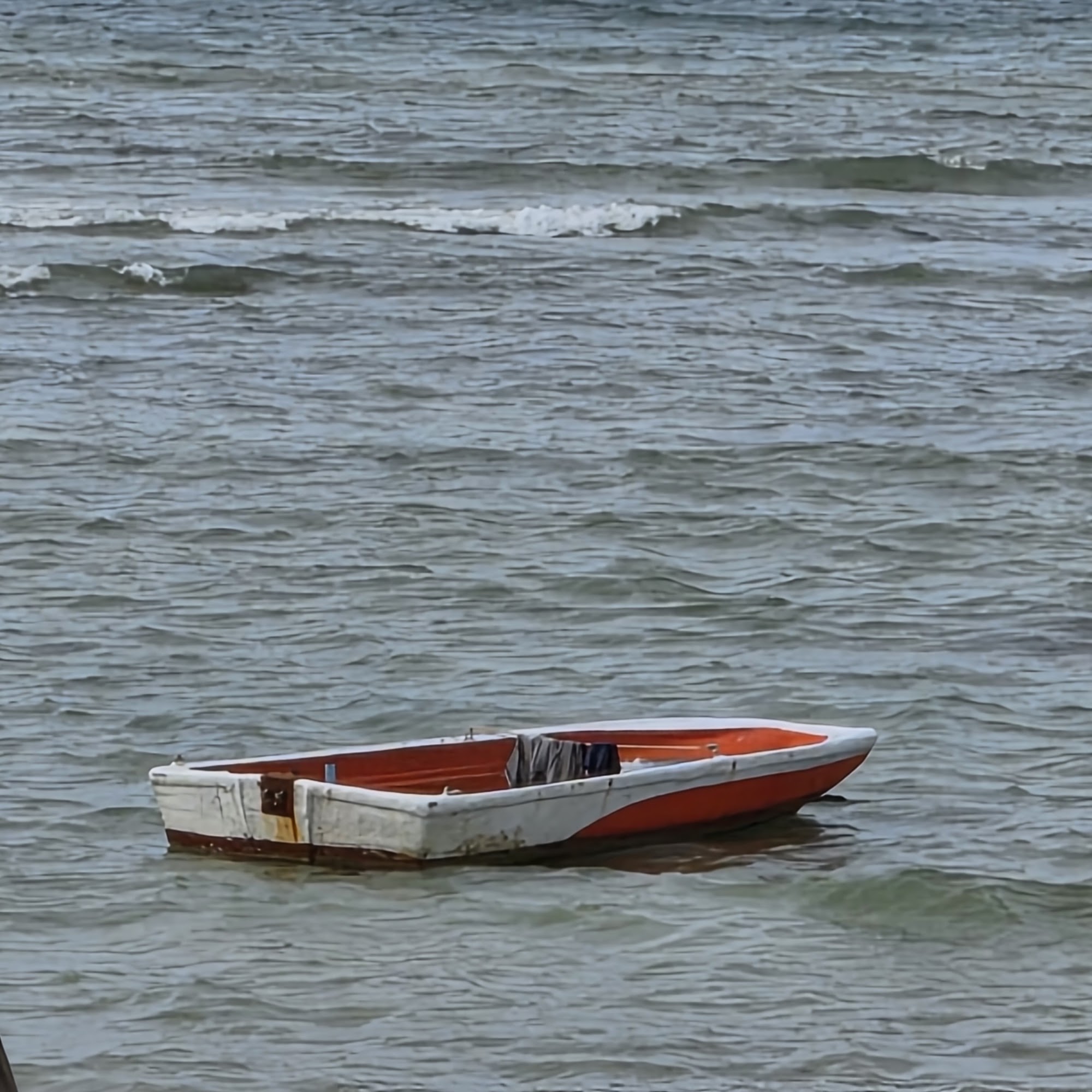
    Exploring boat trips in Thailand is easier with a little preparation and room to adapt. Allow time for transfers, breaks, and unexpected changes along the way.

    Thailand: boat trips | travel tips — a practical g

    Check local schedules and conditions before setting out, leave a buffer between stops, and follow the customs of the places you visit.

    #ThailandTravel #Thailand #ResponsibleTravel #MrSchaka

    #Thailand #Bangkok #ThailandTravel #TravelTips #Asia #MrSchaka

    Practical takeaway

    What is the best tip? Plan the essentials, then adjust your itinerary to the pace of the trip.

    Cover of Bangkok – The Practical Guide

    To go further

    Mr Schaka’s guidebook, Bangkok – The Practical Guide, covers the essentials: transport, neighbourhoods, addresses, food, etiquette and safety, updated for 2026–2027.
  • Thailand: Bangkok cafés | travel tips — a practica

    Thailand: Bangkok cafés | travel tips — a practica

    Exploring Bangkok cafés in Thailand is easier with a little preparation and room to adapt. Allow time for transfers, breaks, and unexpected changes along the way.

    Thailand: Bangkok cafés | travel tips — a practica

    Check local schedules and conditions before setting out, leave a buffer between stops, and follow the customs of the places you visit.

    #ThailandTravel #Thailand #ResponsibleTravel #MrSchaka

    #Thailand #Bangkok #ThailandTravel #TravelTips #Asia #MrSchaka

    Practical takeaway

    What is the best tip? Plan the essentials, then adjust your itinerary to the pace of the trip.

    Cover of Bangkok – The Practical Guide

    To go further

    Mr Schaka’s guidebook, Bangkok – The Practical Guide, covers the essentials: transport, neighbourhoods, addresses, food, etiquette and safety, updated for 2026–2027.
  • Slow down in Bangkok: three stops to feel the city

    Slow down in Bangkok: three stops to feel the city

    Bangkok is easier to discover when you stop trying to see everything. Between the busy avenues, the klongs and the quiet side streets, a few pauses are enough to give the day a different rhythm.

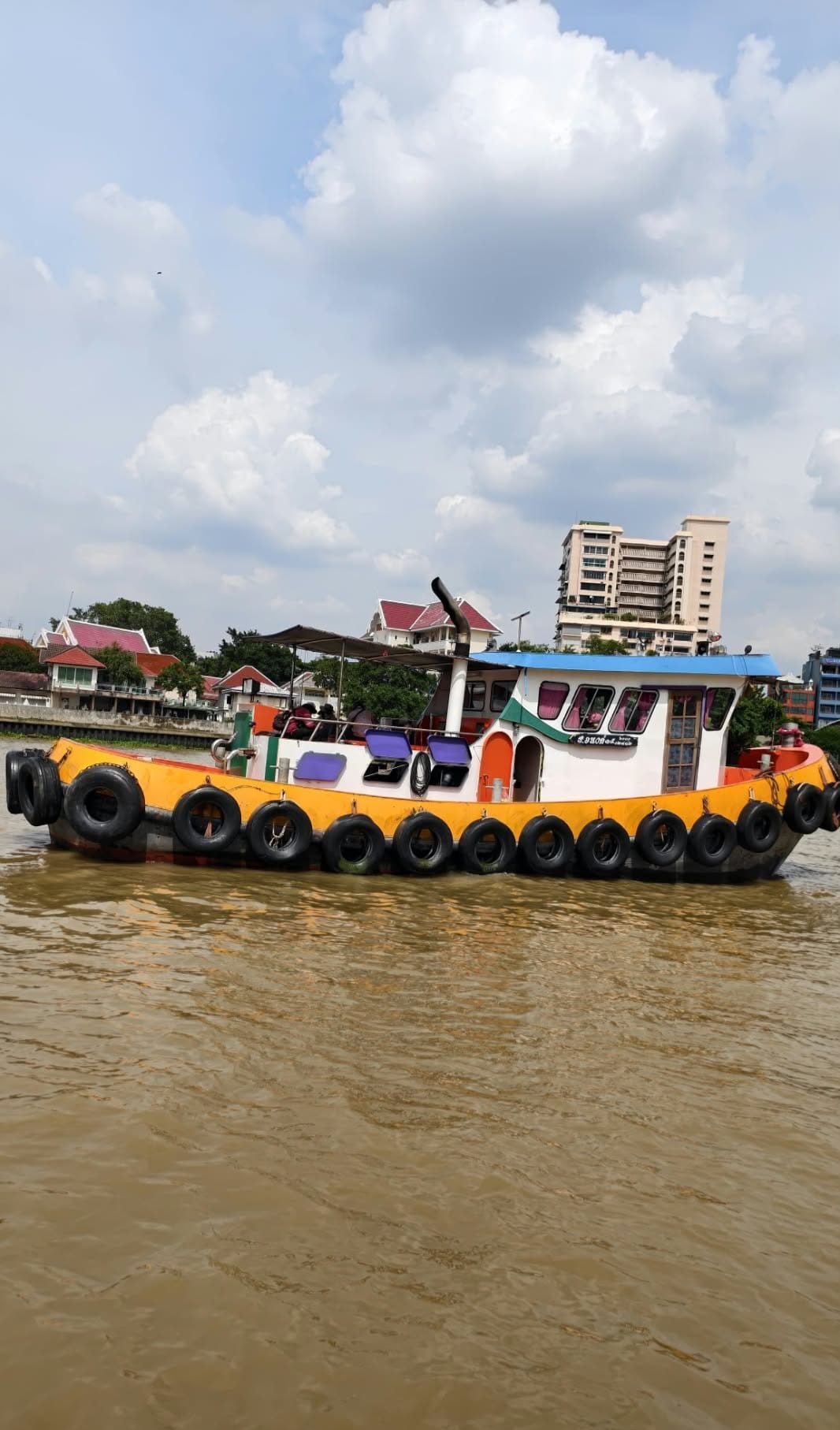
    Start early, before the heat, with a walk along the river. The boats crossing the Chao Phraya link the neighbourhoods and give a lively glimpse of the city. Then head down a side street for a simple breakfast: soup, fresh fruit or Thai coffee. Taking the time to sit down lets you watch the habits of the neighbourhood rather than passing through it like a stage set.

    #Bangkok #Thailand #SlowTravel #ChaoPhraya #MrSchaka

    Around midday, choose just one cultural place — a temple, a gallery or a historic house — and keep a free hour around it. This margin makes surprises enjoyable: a market, a conversation, a short shower of rain. In the late afternoon, head to a pier and watch the light change on the water.

    To prepare for this outing, keep an offline map, some water and clothes that respect the places you visit. The best itinerary is not always the busiest one: it is the one that leaves room for the details.

    Cover of Bangkok – The Practical Guide

    To go further

    Mr Schaka’s guidebook, Bangkok – The Practical Guide, covers the essentials: transport, neighbourhoods, addresses, food, etiquette and safety, updated for 2026–2027.
  • Chiang Mai in the Rainy Season: Slowing Down with the City

    Chiang Mai in the Rainy Season: Slowing Down with the City

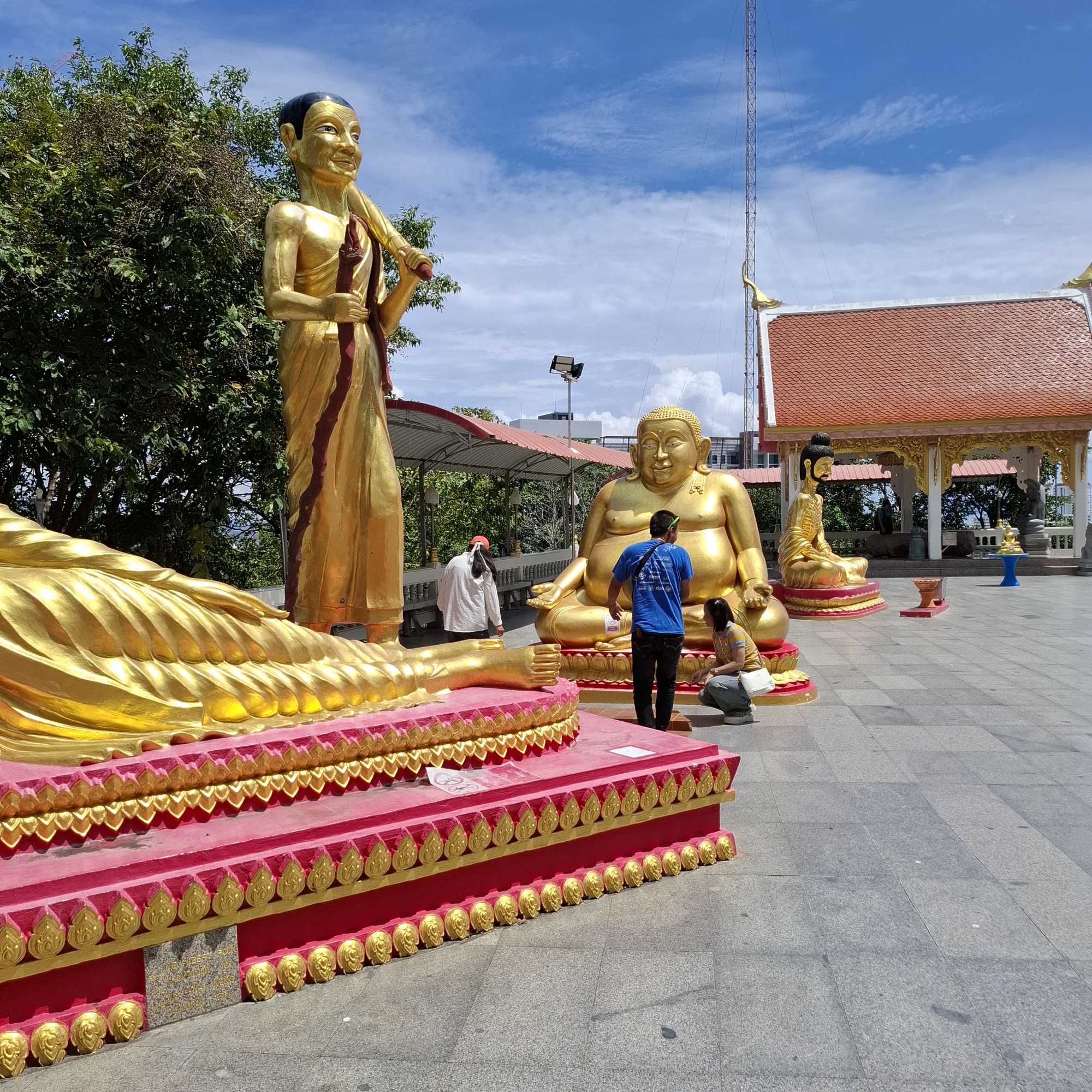
    In Chiang Mai, the rainy season does not turn every day grey. Showers often come in waves, leaving the streets washed clean, the trees brighter and the air cooler. If you leave some room in your plans, you discover a city that invites you to slow down.

    Start early with a walk around the old city, then keep the afternoon for a café, a museum or a covered market. A small umbrella, quick-drying shoes and a weather app are usually enough to stay flexible. Journeys can take longer when it rains, so it is better to choose a few places close together rather than rushing from one end of town to the other.

    #ChiangMai #Thailand #ResponsibleTravel #MrSchaka

    This weather also changes the light. After a shower, the city walls and temples are reflected in the puddles, while the surrounding mountains sometimes disappear behind the clouds. These are lovely moments to watch and take photos, as long as you respect the places and the people.

    For a comfortable stay, check activity opening times the day before and plan an indoor option. The rain then becomes part of the journey, not a setback: it offers another way to meet Chiang Mai, calmer and more attentive.

    Cover of Chiang Mai and the North – The Practical Guide

    To go further

    Mr Schaka’s guidebook, Chiang Mai and the North – The Practical Guide, covers the essentials: transport, neighbourhoods, addresses, food, etiquette and safety, updated for 2026–2027.
  • Thailand at Dawn: Discovering Bangkok Before the Bustle

    Thailand at Dawn: Discovering Bangkok Before the Bustle

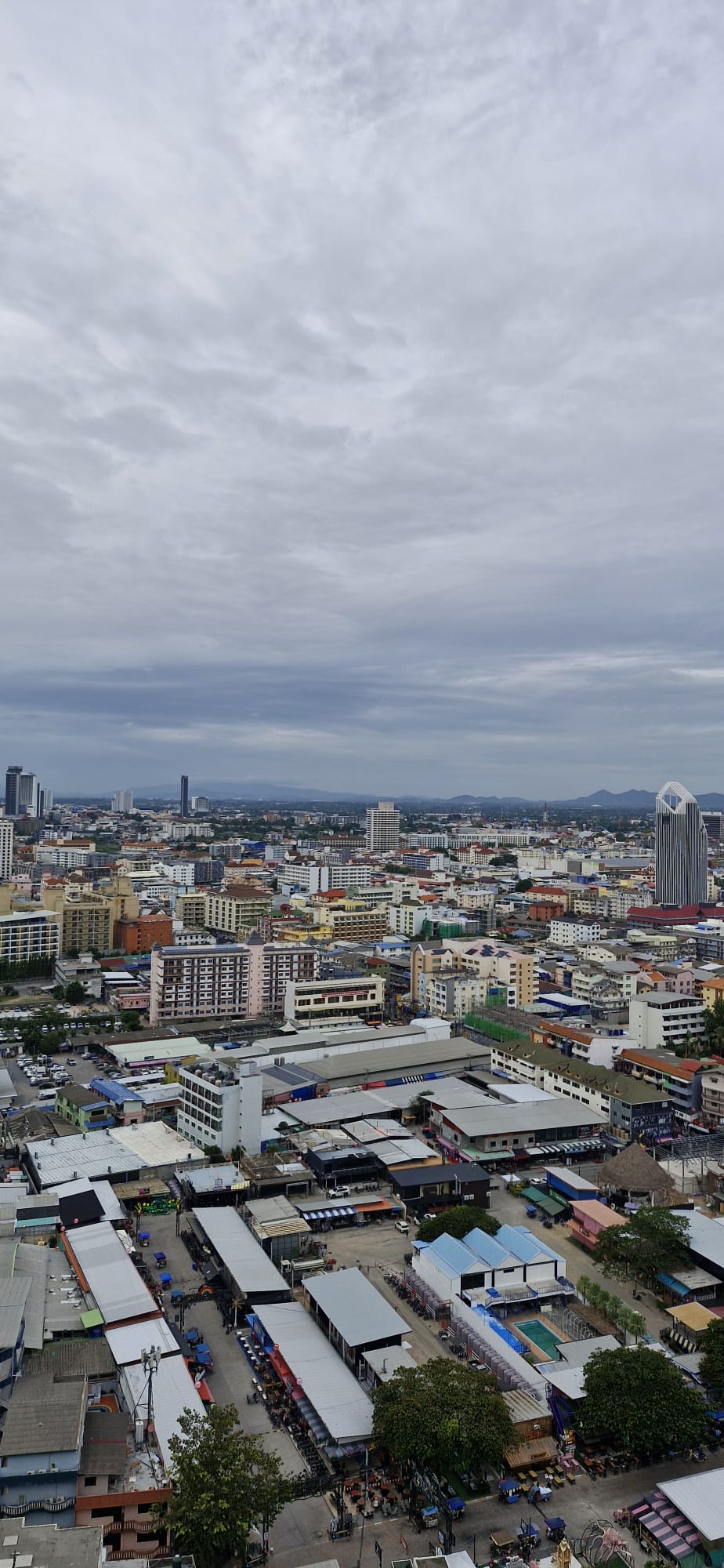
    Before Bangkok fully wakes up, the city seems to breathe differently. The streets are calmer, the light slides across the façades and the first boats cross the river. Walking early lets you discover a less hurried capital, attentive to the small gestures of daily life.

    Taking time to observe

    #MrSchaka #Thailand #Bangkok #Travel #TravelJournal

    A café opening its shutters, a market setting up its stalls or a temple that is still silent already tell you something about the neighbourhood. I prefer these simple moments to lists of places to tick off: they give a journey its rhythm and its memory.

    For writing, this attention is precious. A scene sometimes begins with a smell, a distant sound or a colour glimpsed on a street corner. These details make a setting believable without over-describing it.

    Travelling early also requires respect: local people are living their morning, they are not a show. By staying discreet, you can enjoy the atmosphere without interrupting their daily life. Which small moment from a journey still comes back to you?

    Cover of Bangkok – The Practical Guide

    To go further

    Mr Schaka’s guidebook, Bangkok – The Practical Guide, covers the essentials: transport, neighbourhoods, addresses, food, etiquette and safety, updated for 2026–2027.
  • Bangkok Without Walking Too Much: Boats, Metro and Taxis

    Bangkok Without Walking Too Much: Boats, Metro and Taxis

    Seeing Bangkok without walking too much is entirely possible. The city is huge, hot and full of stairs, but it also has a river, air-conditioned trains and cheap taxis. Here is how I organise myself to see the highlights while keeping my breath.

    The river: seeing Bangkok sitting down

    The Chao Phraya Express (orange flag)

    Orange-flag boats stop at most piers in the centre. A trip costs about 18 to 19 baht in 2026: the fare has moved by one baht several times this year, following diesel prices. At rush hour the boats are packed and boarding is quick, on a pontoon that rocks.

    The Tourist Boat (blue flag)

    Calmer, it runs from Sathorn to Phra Arthit, stopping at ICONSIAM, Ratchawong, Rajinee, Wat Arun, Tha Chang, Tha Maharaj and Prannok, with an extension to Asiatique. Expect 40 baht a trip or 150 baht for a day pass (prices checked in 2026). Boats leave roughly every 30 minutes, from 8.30am until early evening.

    Without even getting off, you see Wat Arun and its porcelain-covered towers, life on the banks, golden roofs in the distance. Sathorn pier is linked to Saphan Taksin BTS station: it is the easiest starting point. For the Grand Palace, get off at Tha Chang. All the practical details are in my Chao Phraya Express Boat guide.

    BTS and MRT: lifts and stairs

    The Skytrain (BTS) and the underground (MRT) are air-conditioned, fast and avoid the traffic jams. But not everything is step-free.

    • MRT: Blue Line stations were designed with lifts and escalators. It is usually the more comfortable network if stairs are hard for you.
    • BTS: lifts were added later, and not at every exit. Often only one side of the road has one. There can still be flights of steps between the street and the platforms.
    • Before choosing an exit, check the maps displayed in the station: lifts are marked on them.

    Fares depend on distance, and fare policy is changing in 2026, so check the price at the ticket office. Avoid rush hours if you can, roughly 7 to 9am and 5 to 7pm.

    Grab, Bolt, taxis and tuk-tuks: door to door

    • Grab and Bolt: the price is shown before you book and the destination is typed into the app.
    • Metered taxis: the flag fall is 35 baht (prices checked in 2026). Ask for the “meter” before getting in; if the driver refuses, let him go, another will come. Expressway tolls are paid by you.
    • Tuk-tuks: fun for a short ride, but there is no meter. Agree the price before getting in and turn down “cheap” tours with stops at shops.

    #TheSeasonOfBreath #Bangkok #TravelOver50 #TrueStory #MrSchaka

    #TheSeasonOfBreath #Thailand #TravelStory #TrueStory #MrSchaka

    Choosing your hotel and your pace

    My best advice: stay a few minutes from a BTS or MRT station, or from a pier. Five minutes of walking at 34 degrees is already a lot. Hotels around Sathorn, Silom or the riverside often give you both train and boat.

    Then plan your day around the heat. I go out early, around 7 or 8am, when the air is still bearable. I sightsee until late morning, then go back: shower, nap, air conditioning. I head out again late in the afternoon, when the sun drops. March to May is the hottest season; November to February is milder. If you have a health condition, ask your doctor for advice before you leave. I also cover this in Short of Breath in Thailand.

    Sights that need very few steps

    • Wat Arun from the river: the best view is often from the water or from the opposite bank, near Tha Tien, where terraces face the temple.
    • Air-conditioned shopping centres: Siam Paragon and CentralWorld are linked to the BTS by covered walkways, and ICONSIAM has its own pier. Benches, toilets, restaurants: everything is under cover.
    • Lumphini Park: 58 hectares of greenery, shaded benches, open from 4.30am to 9pm. It is served by Lumphini and Silom MRT stations.
    • The Grand Palace and Wat Pho: the courtyards are vast, paved and in full sun, and steps lead into the temples. Arrive at opening time, by taxi to the entrance, and aim for one site per morning. Grand Palace entry costs 500 baht for foreign visitors.
    • Wheelchairs: visitors in push wheelchairs do get around the Grand Palace courtyards thanks to ramps, but I could not confirm that wheelchairs are lent on site. Ask at the entrance or bring your own.

    Mr Schaka’s practical tips

    • One big visit per half-day, no more.
    • Carry water, a hat and a small fan, and drink regularly.
    • On day one, find the lift at the station nearest your hotel.
    • Install Grab or Bolt before you leave and keep your hotel address written in Thai.

    Frequently asked questions

    Can you visit Bangkok without walking at all?

    Not quite: there are always a few dozen metres between the taxi and the entrance, or between the pier and the temple. But by combining boat, taxi and Grab, you keep walking to a minimum.

    What is the most restful way to get around?

    The Tourist Boat: you sit, there is a breeze, and you see the big sights from the water, for 40 baht a trip or 150 baht a day (prices checked in 2026).

    Does the Bangkok metro have lifts?

    Yes, in MRT stations. Many BTS stations have them too, but not at every exit: check the station maps and ask the staff.

    Cover of The Season of Breath

    The book

    Mr Schaka lives with pulmonary fibrosis and has been travelling in Thailand for years. In The Season of Breath he tells the story of that journey, one step at a time, with humour and no self-pity.

  • Mahanakhon SkyWalk Bangkok: tickets, opening hours and tips

    Mahanakhon SkyWalk Bangkok: tickets, opening hours and tips

    The Mahanakhon SkyWalk is the rooftop of Bangkok: an observation deck at the top of the King Power Mahanakhon tower, 314 metres up, with a glass floor on the 78th floor. Here are the prices, opening hours, the best time to go and the BTS route.

    The Mahanakhon SkyWalk at a glance

    The King Power Mahanakhon tower, in the Silom district, is easy to spot: a “pixelated” silhouette, as if someone had pulled cubes out of its spiralling facade. It rises to 314 metres and houses Thailand’s highest observation deck.

    The visit takes place on two levels. On the 74th floor there is a glazed, air-conditioned observation room. On the 78th floor you reach the open-air rooftop and the famous Glass Tray: a glass platform jutting out about 310 metres above the street. The highest point of the roof reaches 314 metres.

    Mahanakhon SkyWalk tickets and prices (checked in 2026)

    The price depends on the time slot. The official website shows a range of 500 to 1,200 THB for the SkyWalk (prices checked in 2026). An adult ticket costs around 1,000 THB during the day and rises to about 1,200 THB at sunset. Children aged 3 to 12 and seniors aged 60 and over pay a reduced rate, roughly half the adult price.

    Foreigner or Thai? At the time of writing, the official website does not show separate prices by nationality.

    Online or at the door?

    You can buy your ticket at the tower’s counter, but I recommend booking online. Each slot has a limited number of places and the sunset one sells out fast, especially at weekends. Online, you choose your time and skip part of the queue. Keep your passport with you: ID in the name of the booking may be requested. Also read the rain policy: tickets are usually rescheduled rather than refunded.

    Opening hours and the best time to go

    The official website gives SkyWalk opening hours of 10am to midnight, with last entry at 11pm. Be careful: many tickets sold online are tied to a specific slot, such as daytime (last entry around 3.30pm) or sunset (4pm to 7pm).

    At sunset

    In Bangkok the sun sets between roughly 5.50pm and 6.50pm depending on the season; the official website shows the exact time each day. Go up an hour before. You get the city in daylight, the golden light, the blue hour and then the first lights.

    At night

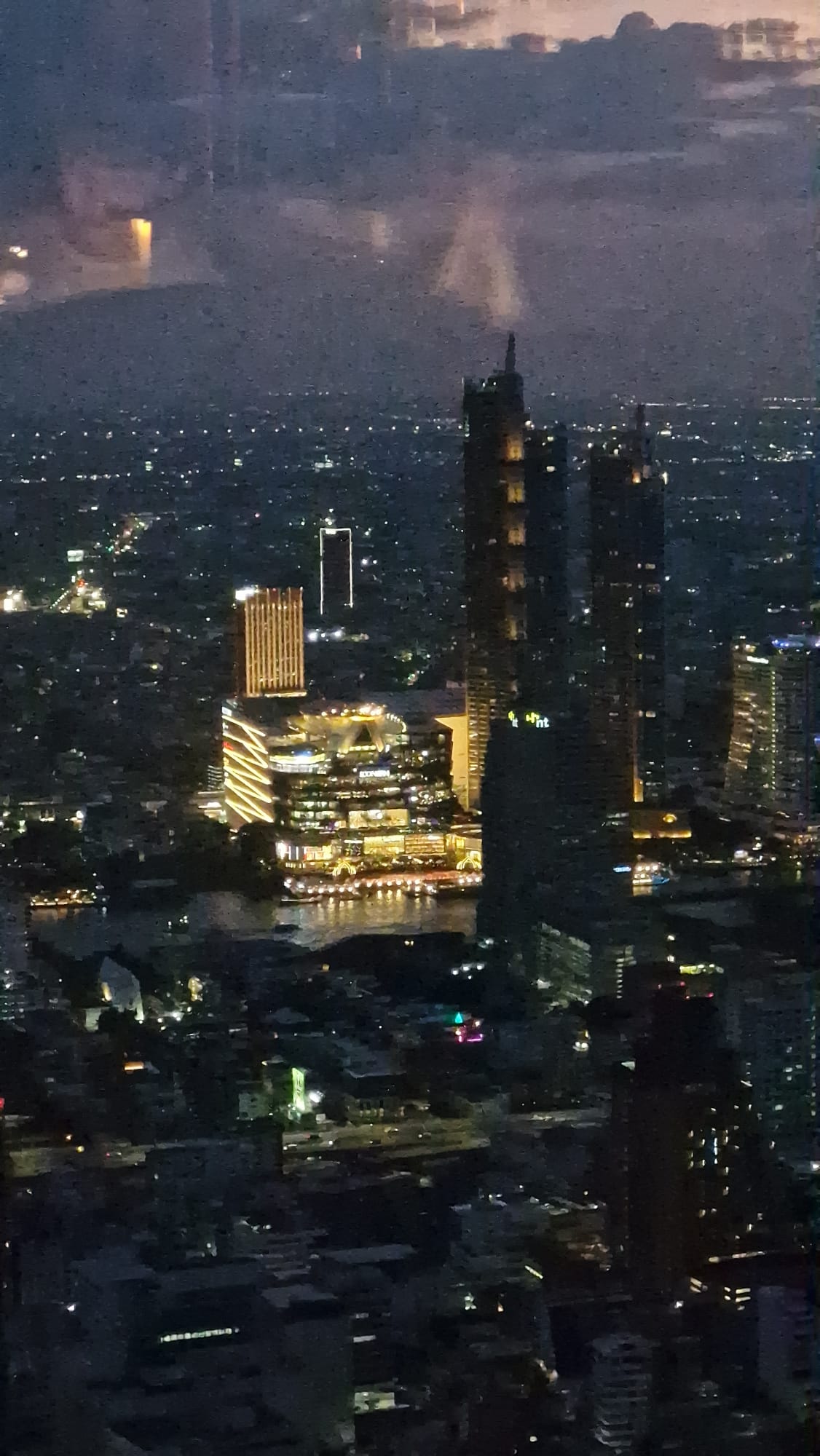
    After dark, Bangkok becomes a glowing map: the avenues, the towers of Sathorn and the ribbon of the Chao Phraya. On the rooftop there is no glass, so no reflections. It is often calmer than at sunset, too.

    #Thailand #Bangkok #ThailandTravel #TravelTips #Asia #MrSchaka

    Rainy season and hazy skies

    From about May to October, showers often hit in the late afternoon. The 78th-floor rooftop may then close temporarily for safety, while the 74th-floor room stays open. Early in the year, pollution haze can also blur the horizon. Check the weather and air quality that morning.

    #Thailand #Bangkok #ThailandTravel #TravelTips #Asia #MrSchaka

    Getting there: BTS Chong Nonsi

    The easiest way is the BTS Silom Line. Get off at Chong Nonsi: the tower is right next to the station. Several guides mention exit 3; otherwise, follow the King Power Mahanakhon signs. From Siam it is three stops.

    By taxi or Grab, avoid the late afternoon: Silom and Sathorn clog up quickly. All the routes are explained in my guide to getting around Bangkok.

    How the visit works

    On the ground floor you exchange your e-voucher for a ticket if needed, then go through a security check. Backpacks and large bags are not allowed in: lockers are provided. A fast lift takes you up to the 74th floor in roughly under a minute.

    Take your time in the glazed room on the 74th floor, then head up to the 78th-floor rooftop. For the Glass Tray you put on shoe covers and wait your turn, as the number of people on the glass is limited. Depending on the rules of the day, you may be asked to put your phone away; staff will then offer to take the photo.

    Mr Schaka’s practical tips

    • Book the sunset slot a few days ahead, especially at weekends and during holidays.
    • Arrive 20 to 30 minutes before your slot: there is often a queue for the lift.
    • Dress decently: no bare chests or bare feet. On the rooftop the wind can be strong, so tie your hair back and keep caps and sunglasses in your pocket.
    • On the 74th floor, press your lens against the glass to avoid reflections. On the Glass Tray, a wide-angle lens gives the best shots of your feet above the void.
    • Combine the visit with an evening in Silom or a stroll in Lumphini Park, as in my Bangkok in 3 days itinerary.

    Frequently asked questions

    How much time should I allow?

    An hour and a half to two hours is enough. If you go up for sunset and stay until dark, allow two and a half to three hours.

    Is the glass floor scary?

    Yes, for the first few seconds. Access is supervised, shoe covers are provided and the number of visitors on the glass is limited. Nobody has to walk on it.

    What happens if it rains?

    The 78th-floor rooftop may close temporarily, but the glazed room on the 74th floor stays open. Depending on your ticket conditions, a change of date or time is often possible: ask at the counter.

    Cover of Bangkok – The Practical Guide

    To go further

    Mr Schaka’s guidebook, Bangkok – The Practical Guide, covers the essentials: transport, neighbourhoods, addresses, food, etiquette and safety, updated for 2026–2027.
  • Benjakitti Park Bangkok: skywalk, lake and visiting tips

    Benjakitti Park Bangkok: skywalk, lake and visiting tips

    In the middle of the Asok towers, there is a forest. Benjakitti Park in Bangkok combines a large lake, wetlands and an elevated walkway that winds above the trees. It is free, easy to reach and one of my favourite places to breathe in the city.

    Benjakitti in brief: from tobacco factory to urban forest

    The park stands on the former grounds of the Thai state tobacco factory in Khlong Toei. The first part, built around a large lake, dates from the 1990s and was officially opened in 2004. Its name pays tribute to Queen Sirikit.

    The big news is the forest extension, opened in stages from late 2021 and completed in 2022. The whole park covers about 72 hectares, or nearly 450 rai. It is a real landscape, designed to soak up monsoon rain, with ponds and planted islets.

    The designers are the Chinese firm Turenscape and the Thai studio Arsomsilp. Their idea: a green sponge in the heart of the city. The result is striking, especially from the walkway.

    The skywalk: walking above the wetlands

    The star of the park is the skywalk, an elevated walkway of about 1.7 km that crosses the forest section. You walk at treetop level, above marshes and reeds, with the Sukhumvit skyscrapers as a backdrop.

    The walkway is wide and flat. It suits pushchairs and gentle walkers. On the other hand, there is little shade and few benches along the way. Allow 30 to 45 minutes at an easy pace.

    Below, ground-level paths and wooden boardwalks take you closer to the water. You will see herons, monitor lizards sunning themselves and plenty of dragonflies. Keep your distance from the monitor lizards: calm, but wild.

    The lake and what you will see

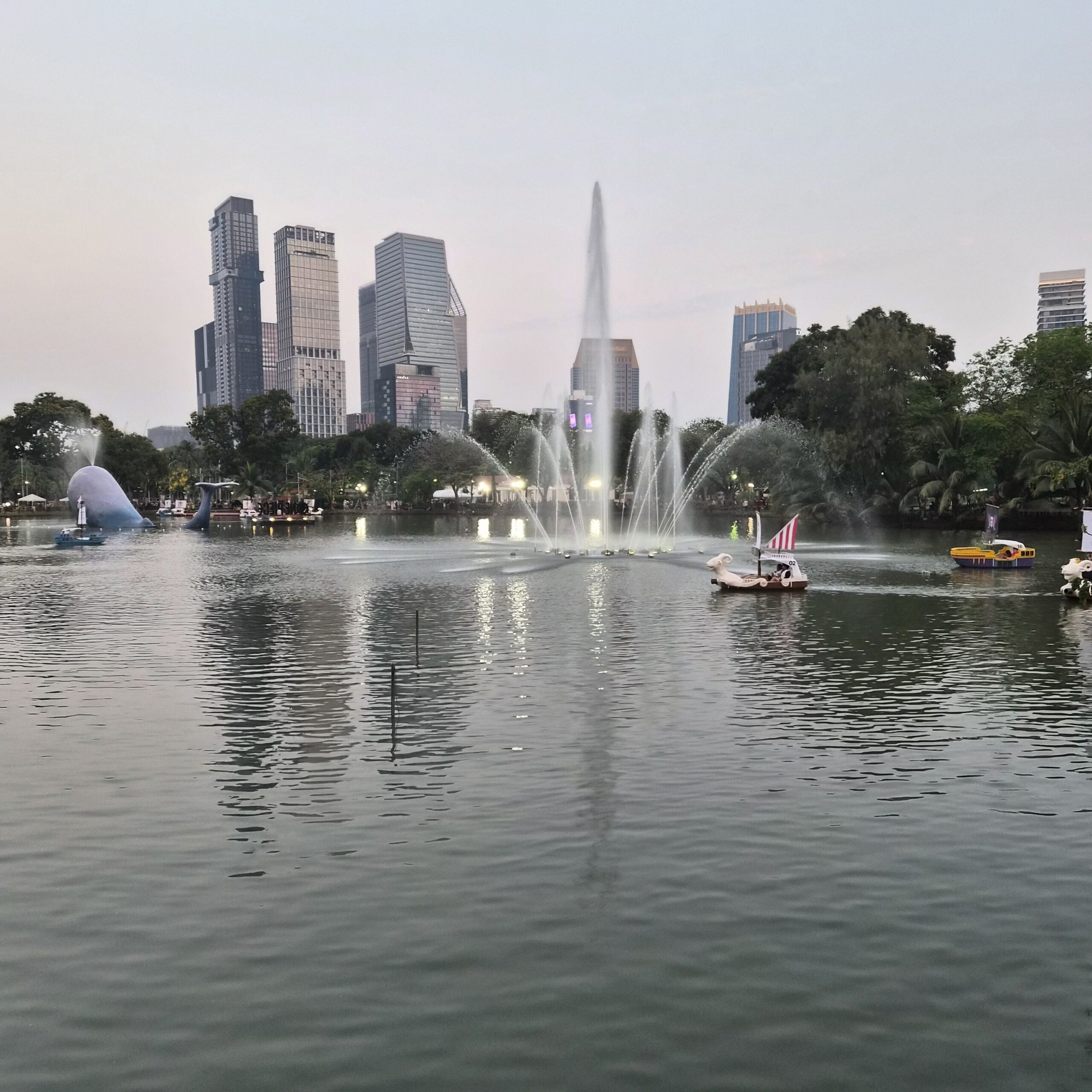
    On the old park side, the big lake is circled by a walking and jogging loop of about 1.6 km. This is the regulars’ Benjakitti: morning runners, exercise groups, families picnicking in the shade. The towers reflected in the water make one of the finest postcards of modern Bangkok.

    The park also has cycle lanes separate from the footpaths, sports areas, toilets and a few water points. Food options inside are limited, so bring your own water.

    How to get to Benjakitti Park

    The easiest way is the MRT (Blue Line). Get off at Queen Sirikit National Convention Centre station: the park is right next door, on the other side of the convention centre. The main entrance is on Ratchadaphisek Road.

    From the BTS (Sukhumvit Line), get off at Asok, then walk 10 to 15 minutes south along Ratchadaphisek Road. You can also take the MRT from Sukhumvit station, right below Asok, and ride one stop to the convention centre. For cards, fares and connections, read my guide to getting around Bangkok by BTS, MRT and boat.

    By taxi or Grab, ask for “Benjakitti Park” or show the Thai name: สวนเบญจกิติ.

    #Thailand #Bangkok #Benjakitti #ThailandTravel #TravelTips #MrSchaka

    #Thailand #Bangkok #ThailandTravel #TravelTips #Asia #MrSchaka

    Opening hours, bikes and the best time to go

    The park is open every day, usually from 5am to 9pm, and entry is free. These hours can change during events: check the signs at the entrance.

    The best time is early morning, between 6am and 8am. The heat is still bearable and the light is soft. Second option: late afternoon, from 4.30pm, to enjoy the sunset from the walkway. Between 11am and 3pm, the heat is crushing and the skywalk offers very little shade.

    For cycling, several guides mention a rental point near the lake, at around 50 THB an hour. Prices and hours change, and the cycle lane has its own opening times: check on site. You can also bring your own bike.

    Combining Benjakitti with a nearby spot

    The most logical combination is Lumphini Park. An elevated walkway called the Green Bridge, or Green Mile, links the two parks over about 1.3 km, above the streets and along a canal. So you can do both on foot, without facing the traffic.

    Another option: finish around Asok and grab a bite in the cool of the shopping mall food courts. And if you love greenery, keep half a day for Bang Krachao by bike, Bangkok’s great green lung on the other side of the river.

    Mr Schaka’s practical tips

    • Come before 8am or after 4.30pm: at midday, the skywalk is a hotplate.
    • Bring at least a litre of water, a hat and sunscreen.
    • Wear comfortable shoes: with the lake, the skywalk and the Green Bridge, you easily walk more than 5 km.
    • Pack mosquito repellent for the ground-level paths, especially late in the day.
    • In the rainy season, showers often come in the afternoon: mornings are safer.
    • Respect the cycle lanes, cyclists ride fast there.
    • At 6pm, the national anthem is played: stop for a few seconds like everyone else.

    Frequently asked questions

    Is Benjakitti Park free?

    Yes, entry is free, including access to the skywalk. Only extras such as bike rental cost money.

    How much time should I allow?

    Allow 1.5 to 2 hours for the skywalk and the lake loop. Add an hour if you continue to Lumphini Park via the Green Bridge.

    Which station is closest to Benjakitti Park?

    Queen Sirikit National Convention Centre MRT station, on the Blue Line. From BTS Asok, it is a 10 to 15 minute walk.

    Cover of Bangkok – The Practical Guide

    To go further

    Mr Schaka’s guidebook, Bangkok – The Practical Guide, covers the essentials: transport, neighbourhoods, addresses, food, etiquette and safety, updated for 2026–2027.