Category: Thailand Notebook

Practical tips and travel stories from Thailand: Bangkok, Pattaya, Isan, the islands.

  • Thailand: northern temples | travel tips — a pract

    Thailand: northern temples | travel tips — a pract

    Exploring northern temples in Thailand is easier with a little preparation and room to adapt. Allow time for transfers, breaks, and unexpected changes along the way.

    Thailand: northern temples | travel tips — a pract

    Check local schedules and conditions before setting out, leave a buffer between stops, and follow the customs of the places you visit.

    #ThailandTravel #Thailand #ResponsibleTravel #MrSchaka

    #Thailand #Bangkok #ThailandTravel #TravelTips #Asia #MrSchaka

    Practical takeaway

    What is the best tip? Plan the essentials, then adjust your itinerary to the pace of the trip.

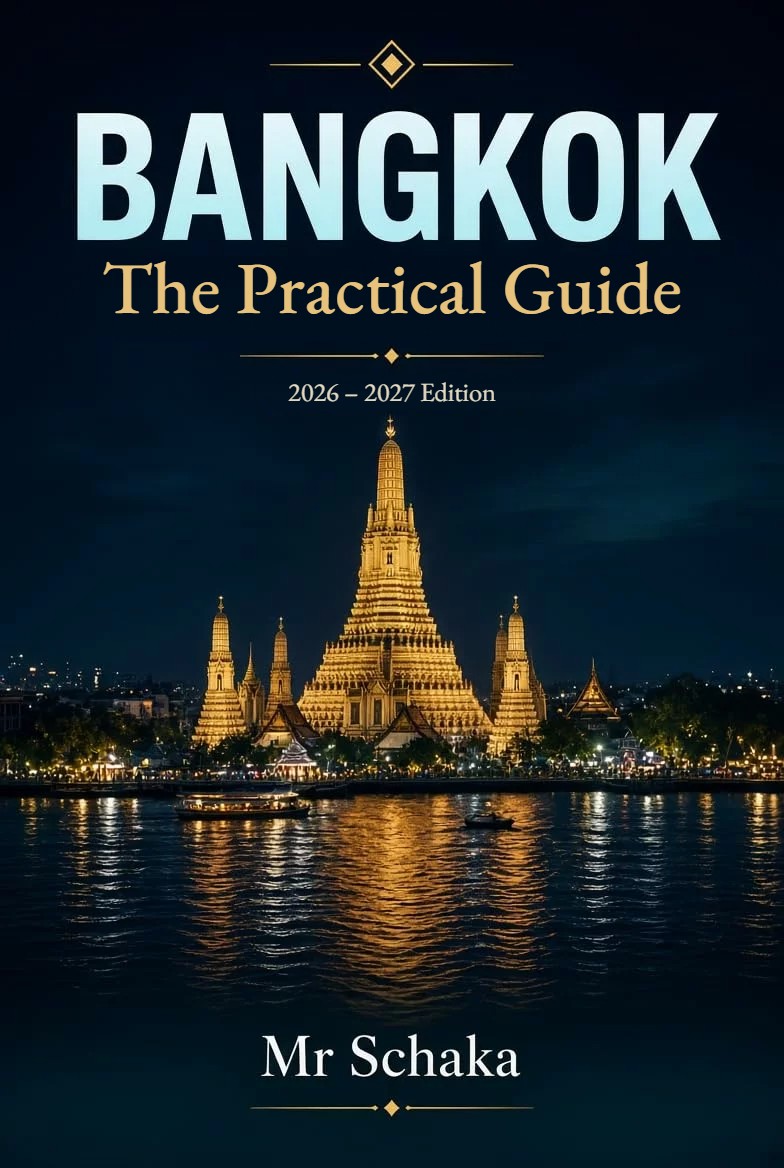
    Cover of Bangkok – The Practical Guide

    To go further

    Mr Schaka’s guidebook, Bangkok – The Practical Guide, covers the essentials: transport, neighbourhoods, addresses, food, etiquette and safety, updated for 2026–2027.

  • Thailand: off-season islands | travel tips — a pra

    Thailand: off-season islands | travel tips — a pra

    Exploring off-season islands in Thailand is easier with a little preparation and room to adapt. Allow time for transfers, breaks, and unexpected changes along the way.

    Thailand: off-season islands | travel tips — a pra

    Check local schedules and conditions before setting out, leave a buffer between stops, and follow the customs of the places you visit.

    #ThailandTravel #Thailand #ResponsibleTravel #MrSchaka

    #Thailand #Bangkok #ThailandTravel #TravelTips #Asia #MrSchaka

    Practical takeaway

    What is the best tip? Plan the essentials, then adjust your itinerary to the pace of the trip.

    Cover of Bangkok – The Practical Guide

    To go further

    Mr Schaka’s guidebook, Bangkok – The Practical Guide, covers the essentials: transport, neighbourhoods, addresses, food, etiquette and safety, updated for 2026–2027.
  • Bangkok National Museum: visit guide, hours and prices

    Bangkok National Museum: visit guide, hours and prices

    The Bangkok National Museum is one of the places I recommend most often, and one of the quietest spots in the royal quarter. A short walk from the Grand Palace, you travel through a thousand years of Thai art inside a former palace, often almost alone. Here is how to visit: opening hours, prices, rooms not to miss, getting there and guided tours.

    A museum inside a former palace

    The museum occupies the Wang Na, the “Front Palace”. It was built in the late 18th century for the vice-king, the second most important figure in the kingdom. When that role was abolished, King Chulalongkorn (Rama V) moved the royal collections here. Today it is the largest museum in the country, run by the Fine Arts Department.

    What makes it special is the mix: old pavilions, gardens and more modern galleries. You don’t visit one building, you wander through a small neighbourhood. Allow at least two to three hours, and half a day if you love history.

    Opening hours, prices and guided tours

    The museum is open Wednesday to Sunday, 8.30am to 4pm. It is closed on Mondays and Tuesdays. Last entry is around 3.30pm, and a few rooms may close at lunchtime. Some public holidays change the schedule: check on site during Songkran and New Year.

    Tickets cost 240 THB for foreign visitors and 30 THB for Thai nationals (prices checked in 2026). Entry is free for several groups, including monks and Thai citizens over 60: ask at the ticket office if you think you qualify.

    Good news for English speakers: the museum’s volunteer association (National Museum Volunteers) offers free guided tours in English and French on Wednesdays and Thursdays at 9.30am. Meet at the ticket office. The tour is free, but you still pay the entrance fee. The schedule can change, especially during holidays, so ask when you arrive.

    What not to miss

    Buddhaisawan Chapel

    This is the heart of the site. The royal chapel houses the Phra Buddha Sihing, a deeply revered statue that is brought out every year for Songkran. But look above all at the walls: the murals tell the life of the Buddha in astonishing detail. Go in barefoot and keep your voice down.

    Wang Na Palace and its pavilions

    The old palace halls display objects from the royal court: gilded wooden palanquins, musical instruments, textiles, weapons, mother-of-pearl and ceramics. The buildings are as beautiful as the display cases. Take time to look up at the ceilings and the carved doors.

    The Royal Funeral Chariots Hall

    This is the most impressive room. It holds the huge gilded chariots used for royal cremations, several metres high and covered in carvings. They are still brought out for major ceremonies. Standing in front of them, you understand how important the monarchy is in Thai culture.

    The history galleries

    Start here if you want some context. The history galleries sum up the country’s past, from prehistory to Sukhothai, Ayutthaya and then Bangkok. After that, the art galleries show sculpture from across Southeast Asia: Dvaravati, Srivijaya, Khmer, Lanna. It is the best Thai history lesson I know.

    #Thailand #Bangkok #ThailandTravel #TravelTips #Asia #MrSchaka

    How to get there

    The museum is on Na Phra That Road, at the edge of Sanam Luang, the large open field in front of the Grand Palace. Your options:

    • Chao Phraya boat: get off at Tha Chang pier, then walk about 900 metres (10 to 15 minutes) past Silpakorn University.
    • MRT: Sanam Chai station, then about 1.6 km on foot (20 to 25 minutes) past Wat Pho and the Grand Palace. A bus or tuk-tuk shortens the trip.
    • Taxi: many drivers know Thammasat University, next to the museum, better. Give that name if yours hesitates.

    Combining the visit with the neighbourhood

    The museum fits perfectly with the rest of Rattanakosin Island. In the morning, visit the museum while it is cool. In the afternoon, carry on to the Grand Palace or Wat Pho, both very close. My full itinerary is here: Rattanakosin, the Grand Palace and Wat Pho.

    For a calmer moment, walk to the Tha Phra Chan amulet market, then have a simple meal in the student canteens by the river. And if you like places without crowds, here are more ideas: Bangkok temples off the beaten path.

    Mr Schaka’s practical tips

    • Arrive at opening time: it is cooler and the rooms are almost empty.
    • Dress respectfully, with shoulders and knees covered, as you will enter a royal chapel.
    • Bring water and a hat or umbrella: you walk a lot outdoors between the pavilions.
    • Ignore strangers outside who tell you “it’s closed today”: it is a classic scam in this area.
    • Check the day: come on a Monday or Tuesday and you will find the doors shut.

    Frequently asked questions

    How long does it take to visit the museum?

    Allow two to three hours for the main rooms. Half a day lets you see everything without rushing.

    Is the Bangkok National Museum open on Mondays?

    No. It is closed on Mondays and Tuesdays. It opens Wednesday to Sunday, 8.30am to 4pm.

    Is there a guided tour in English?

    Yes, the museum volunteers run a free tour in English on Wednesdays and Thursdays at 9.30am, starting from the ticket office. You still pay for entry. Confirm on site, as the schedule can change.

    Cover of Bangkok – The Practical Guide

    To go further

    Mr Schaka’s guidebook, Bangkok – The Practical Guide, covers the essentials: transport, neighbourhoods, addresses, food, etiquette and safety, updated for 2026–2027.
  • Khao Chi Chan Pattaya: the Buddha Carved into the Cliff

    Khao Chi Chan Pattaya: the Buddha Carved into the Cliff

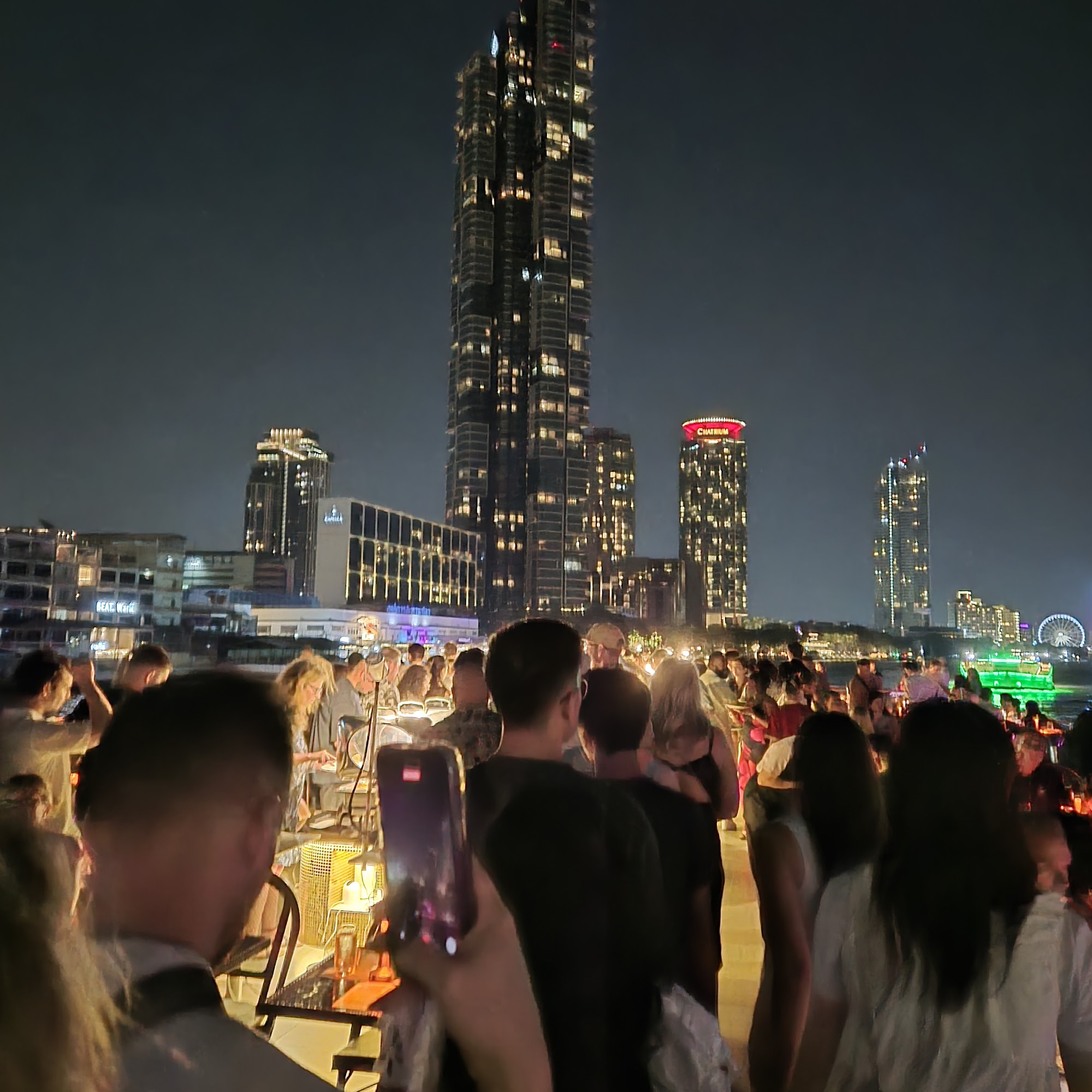
    Half an hour south of town, Khao Chi Chan Pattaya is that huge golden Buddha drawn by laser onto a limestone cliff. You can see it from afar, entry costs nothing and it pairs perfectly with Wat Yansangwararam temple. Here is how to plan a relaxed half-day without getting caught out by the heat.

    A golden Buddha carved into the rock

    The Khao Chi Chan Buddha was created from 1996 to mark the 50th anniversary of King Rama IX’s reign. The design was drawn on a computer, then traced into the rock face by laser, and the lines were filled with gold leaf. The result is a seated figure in the pose of victory over Mara, around 130 metres tall and 70 metres wide according to Thai sources (some guides give 109 metres in height instead).

    The cliff still bears the marks of old stone quarrying. At its foot, a well-kept park with lawns, lotus ponds and small pavilions lets you step back for photos. There is also a small shrine where Thai people come to pray: it is not a backdrop, it is a place of worship.

    How to get there from Pattaya or Jomtien

    Khao Chi Chan lies roughly 15 to 20 km south of central Pattaya, in Sattahip district. From Jomtien the trip is a little shorter. No regular bus serves the site, so you have three options:

    • Grab or Bolt: about 20 to 30 minutes’ drive. Expect roughly 250 to 350 THB one way from the centre (prices noted in 2026, check in the app).
    • Taxi or private songthaew with waiting time: around 400 to 600 THB return, to be agreed before you get in. This is often the easiest choice, as finding a car back is not guaranteed.
    • Scooter or car: head south on Sukhumvit Road, then follow the signs inland for about 6 km. Parking is free or almost free.

    If you are planning your stay, my guide to things to do in Pattaya will help you fit this outing into your schedule.

    Opening hours, entry, best times and dress code

    The site is open every day, usually from 6am to 6pm. Entry is free; donation boxes are available if you would like to leave 20 or 50 THB. The Buddha is not lit at night, so there is no point going after sunset.

    The best time is early morning or late afternoon, after 4pm. Between 11am and 3pm the heat is harsh, the light flattens the gold and there is little shade. The dry season, from November to February, usually brings the clearest skies.

    As for clothing, cover your shoulders and knees: this is a religious site, and the rule is even stricter at the nearby temples. A T-shirt and light trousers or a long skirt are enough. Bring a hat, water and sun cream too.

    #Thailand #Pattaya #KhaoChiChan #ThailandTravel #TravelTips #MrSchaka

    Wat Yansangwararam and the surroundings

    Wat Yansangwararam

    Close by, Wat Yansangwararam, often called Wat Yan, is a vast royal monastery founded in 1976 at the initiative of Somdet Phra Nyanasamvara, later Supreme Patriarch, under the patronage of King Rama IX. The grounds, set around a lake, feature pavilions inspired by several countries, from India to Japan, and even a Swiss-style building. Entry is free and the site can be visited during the day, roughly from 8am to 5pm.

    Silverlake

    The Silverlake estate, about ten minutes away by car, is mainly worth it for the scenery: a large reservoir, hills, flower-lined paths and Italian-style buildings. Part of the estate is free to enter, and the light is superb late in the day. Stated opening hours vary between sources (closing around 5pm or 6pm), so check on site.

    Viharn Sien

    Viharn Sien, also known as Anek Kusala Sala, about 15 km south of Pattaya, is a museum-temple devoted to Chinese art and beliefs: ancient ceramics, statues and replicas of the terracotta warriors of Xi’an. Entry is 50 THB, and it is open roughly from 8am to 5pm on weekdays and until 5.30pm at weekends. It is a good add-on if you like quiet places and fine details.

    A typical half-day

    Here is the plan I recommend, starting from Pattaya or Jomtien:

    • 7.30am: set off by Grab or with a driver booked for the morning.
    • 8am: Khao Chi Chan, photos in the soft light and a stroll through the park (30 to 45 minutes).
    • 9am: Wat Yansangwararam, the lake and the pavilions, at your own pace (about 1 hour).
    • 10.30am: Viharn Sien or a photo stop at Silverlake, as you prefer.
    • 12pm: back to Pattaya for lunch, before the worst of the heat.

    In the afternoon, the reverse order works too: Wat Yan around 3pm, Khao Chi Chan after 4pm, then Silverlake for sunset. And for another spectacular visit in town, do not miss the Sanctuary of Truth.

    Mr Schaka’s practical tips

    • Agree on the return fare with waiting time before you leave, and be clear about how long you will stay.
    • Keep a scarf or a light shirt in your bag to enter the temples.
    • Take off your shoes when asked and never point your feet towards a statue.
    • Do not climb on the low walls for a photo: the guards will step in, and rightly so.
    • Carry small notes for donations, drinks and toilets.
    • Check the weather: after a shower, the freshly washed sky makes the gold shine even brighter.

    Frequently asked questions

    Is there an entry fee at Khao Chi Chan?

    No, entry is free. Donations are welcome but entirely optional.

    How much time should I allow on site?

    Allow 30 to 45 minutes for the Buddha and the park, and half a day if you add Wat Yansangwararam and another nearby site.

    Can I get there by public transport?

    Not really: no regular bus serves the site. The most practical options are Grab, a taxi that waits for you, or a scooter if you are comfortable on the road.

    Cover of Pattaya – The Practical Guide

    To go further

    Mr Schaka’s guidebook, Pattaya – The Practical Guide, covers the essentials: transport, neighbourhoods, addresses, food, etiquette and safety, updated for 2026–2027.
  • Koh Samet from Bangkok: Getting There, Beaches and Best Season

    Koh Samet from Bangkok: Getting There, Beaches and Best Season

    Koh Samet from Bangkok is the easiest beach escape to plan when you live in or pass through the capital. Allow about four hours door to door, one bus, one boat, and your feet are in white sand. Here is how I get there, what it costs and which beaches to choose.

    How to get to Koh Samet from Bangkok

    The island is in Rayong province, about 220 km south-east of Bangkok. The journey has two stages: the road to the port of Ban Phe, then the boat to the island. There is no airport on Koh Samet.

    By bus from Ekkamai

    This is the classic option. Buses leave from the Eastern Bus Terminal at Ekkamai, right next to the BTS station of the same name. They drop you directly at Ban Phe pier. The ride takes 3 to 4 hours depending on traffic, for around 200 to 300 THB depending on the company and class (prices checked in 2026). Departures run from morning to late afternoon. I recommend taking a bus before 11am so you can catch a boat without stress.

    By minivan or bus from Mo Chit

    If you are staying in the north of Bangkok, Mo Chit terminal also has departures to Ban Phe, often sold as a combined bus or minivan plus boat ticket. Allow 4 to 5 hours and around 400 to 500 THB. The minivan is a little faster, but luggage space is limited. With a big suitcase, I prefer the large bus.

    The ferry from Ban Phe

    In Ban Phe, several piers line the main street. The slow boat reaches Na Dan pier, in the north of the island, in about 40 minutes, for 50 to 100 THB one way depending on the pier. The speedboat takes 10 to 15 minutes and costs around 150 to 200 THB per person in a shared boat, more if you go straight to the southern beaches. The last slow boat leaves in the late afternoon: check the time on the spot.

    The national park entrance fee

    Koh Samet is part of Khao Laem Ya – Mu Ko Samet National Park. On arrival, every foreign visitor pays an entrance fee of 200 THB per adult and 100 THB per child (prices checked in 2026). The booth is on the road just after Na Dan pier, and there is another one near Ao Wong Duean. Pay in cash and keep your ticket, as you may be asked for it. Do not buy this ticket from a middleman in Ban Phe: only park staff sell it.

    The beaches of Koh Samet

    The island is small, about 7 km from north to south. From Na Dan, songthaews (shared pick-up trucks) serve the beaches for a few dozen baht. Each beach has its own feel:

    • Hat Sai Kaew: the longest and liveliest, 10 minutes from the pier. Very white sand, busy at weekends.
    • Ao Phai: just to the south, smaller, relaxed and easy to reach on foot from Sai Kaew.
    • Ao Wong Duean: a crescent-shaped bay on the east coast, calm water, a good choice for families.
    • Ao Prao: the only large beach on the west coast, quieter, with lovely sunsets.
    • Ao Thian and the southern coves: wilder, ideal for walking from one cove to the next.

    #Thailand #KohSamet #ThailandTravel #TravelTips #Asia #MrSchaka

    What is the best season?

    Koh Samet is one of the driest areas in Thailand. The best period runs from November to April: calm sea, clear skies and bearable heat. December to February is perfect, but also busier, especially during Thai holidays and at weekends.

    And late October? The rainy season is coming to an end. You may still get showers, usually short, and a slightly rough sea on some days. On the plus side, accommodation is cheaper and the beaches are quiet. If you travel at this time, keep your plans a little flexible.

    How many days should you plan?

    In theory a day trip is possible, but that is a lot of road for very little beach. My view: two nights on the island is the right minimum. You get one full day to tour the beaches by scooter or on foot. With three or four nights you can really enjoy it, especially on weekdays. If you are looking for a bigger, wilder island, also have a look at my guide Koh Chang from Bangkok.

    Mr Schaka’s practical tips

    • Go on a weekday: on Friday evening and Saturday morning, buses and boats are full of Bangkok residents.
    • Bring cash: there are cash machines on the island, but not everywhere, and the entrance fee is paid in cash.
    • Book your accommodation in advance for Thai public holidays and long weekends.
    • For the southern beaches, only rent a scooter if you are used to riding one: some tracks are dirt and steep.
    • Pack a small torch: some paths between beaches are poorly lit at night.
    • Still torn between several islands? Read which Thai island to choose.

    Frequently asked questions

    How long does it take to get from Bangkok to Koh Samet?

    Allow about 4 to 5 hours in total: 3 to 4 hours by road to Ban Phe, then 15 to 40 minutes by boat depending on whether you take the speedboat or the slow ferry.

    Is the national park entrance fee compulsory?

    Yes. Foreign visitors pay 200 THB per adult and 100 THB per child at the national park entrance, in cash, to official staff.

    Can you visit Koh Samet in late October?

    Yes, it is the end of the rainy season. A few showers are still possible, but the island is often sunny and less crowded. High season starts in November.

    Cover of Pattaya – The Practical Guide

    To go further

    Mr Schaka’s guidebook, Pattaya – The Practical Guide, covers the essentials: transport, neighbourhoods, addresses, food, etiquette and safety, updated for 2026–2027.
  • Thailand: getting around Bangkok | travel tips — a

    Thailand: getting around Bangkok | travel tips — a

    Exploring getting around Bangkok in Thailand is easier with a little preparation and room to adapt. Allow time for transfers, breaks, and unexpected changes along the way.

    Thailand: getting around Bangkok | travel tips — a

    Check local schedules and conditions before setting out, leave a buffer between stops, and follow the customs of the places you visit.

    #ThailandTravel #Thailand #ResponsibleTravel #MrSchaka

    #Thailand #Bangkok #ThailandTravel #TravelTips #Asia #MrSchaka

    Practical takeaway

    What is the best tip? Plan the essentials, then adjust your itinerary to the pace of the trip.

    Cover of Bangkok – The Practical Guide

    To go further

    Mr Schaka’s guidebook, Bangkok – The Practical Guide, covers the essentials: transport, neighbourhoods, addresses, food, etiquette and safety, updated for 2026–2027.
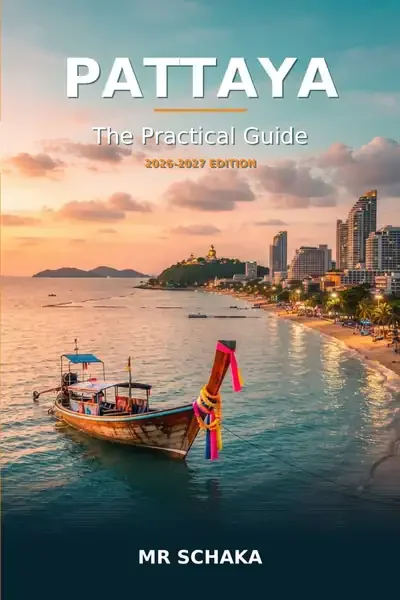
  • Thailand: guesthouses | travel tips — a practical

    Thailand: guesthouses | travel tips — a practical

    Exploring guesthouses in Thailand is easier with a little preparation and room to adapt. Allow time for transfers, breaks, and unexpected changes along the way.

    Thailand: guesthouses | travel tips — a practical

    Check local schedules and conditions before setting out, leave a buffer between stops, and follow the customs of the places you visit.

    #ThailandTravel #Thailand #ResponsibleTravel #MrSchaka

    #Thailand #Bangkok #ThailandTravel #TravelTips #Asia #MrSchaka

    Practical takeaway

    What is the best tip? Plan the essentials, then adjust your itinerary to the pace of the trip.

    Cover of Bangkok – The Practical Guide

    To go further

    Mr Schaka’s guidebook, Bangkok – The Practical Guide, covers the essentials: transport, neighbourhoods, addresses, food, etiquette and safety, updated for 2026–2027.
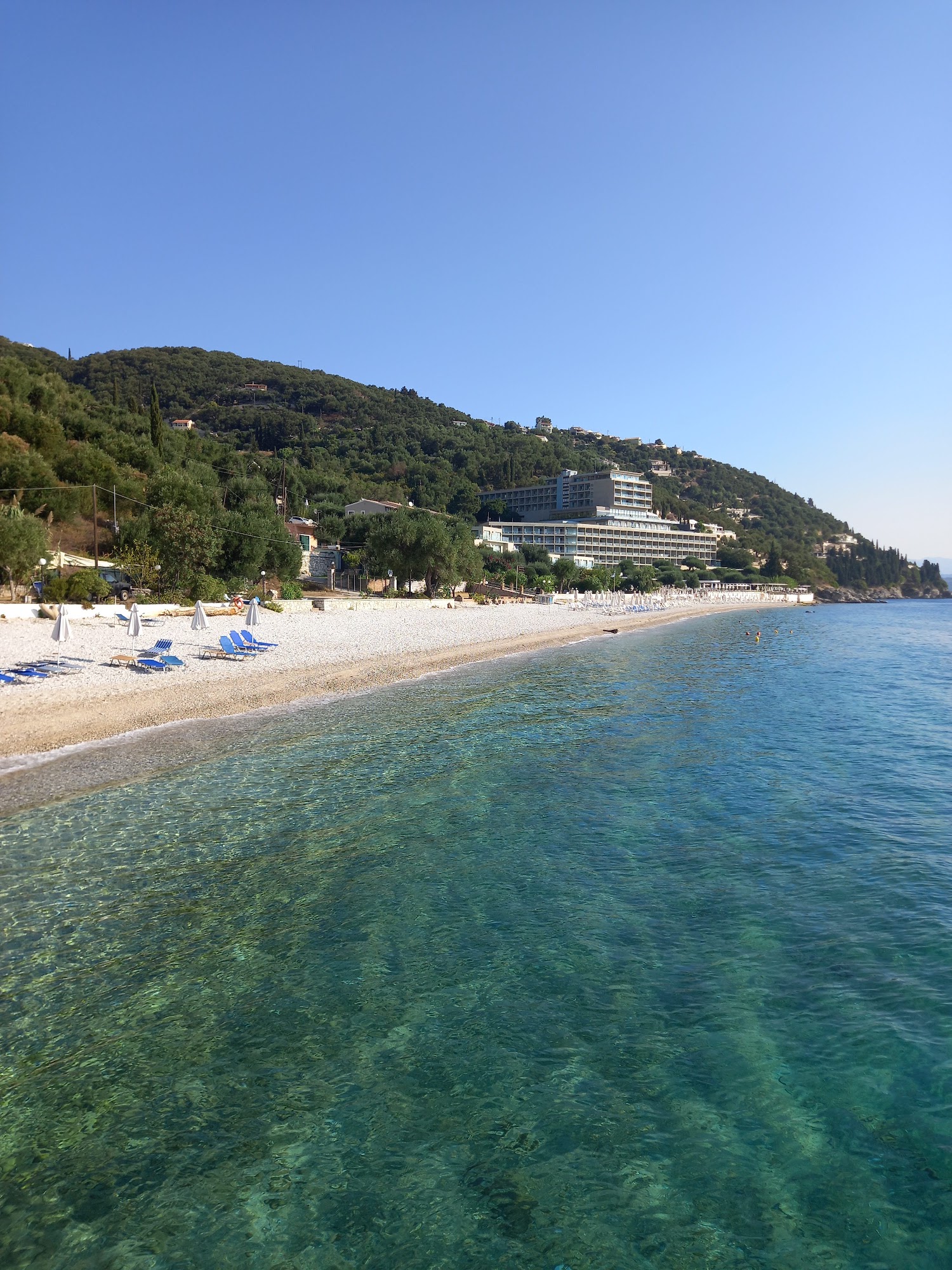
  • Thailand: national parks | travel tips — a practic

    Thailand: national parks | travel tips — a practic

    Exploring national parks in Thailand is easier with a little preparation and room to adapt. Allow time for transfers, breaks, and unexpected changes along the way.

    Thailand: national parks | travel tips — a practic

    Check local schedules and conditions before setting out, leave a buffer between stops, and follow the customs of the places you visit.

    #ThailandTravel #Thailand #ResponsibleTravel #MrSchaka

    #Thailand #Bangkok #ThailandTravel #TravelTips #Asia #MrSchaka

    Practical takeaway

    What is the best tip? Plan the essentials, then adjust your itinerary to the pace of the trip.

    Cover of Bangkok – The Practical Guide

    To go further

    Mr Schaka’s guidebook, Bangkok – The Practical Guide, covers the essentials: transport, neighbourhoods, addresses, food, etiquette and safety, updated for 2026–2027.
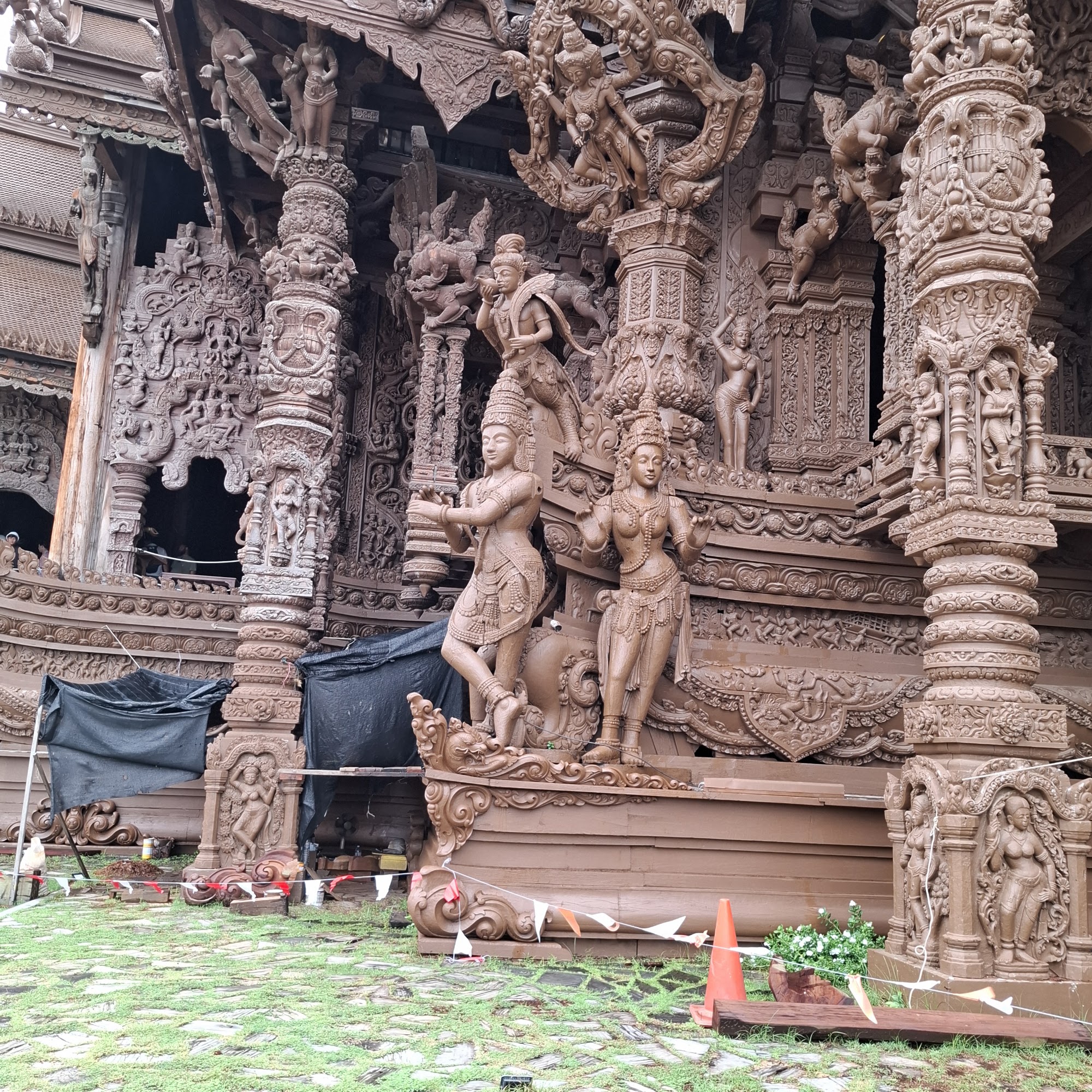
  • Thailand: bus journeys | travel tips — a practical

    Thailand: bus journeys | travel tips — a practical

    Exploring bus journeys in Thailand is easier with a little preparation and room to adapt. Allow time for transfers, breaks, and unexpected changes along the way.

    Thailand: bus journeys | travel tips — a practical

    Check local schedules and conditions before setting out, leave a buffer between stops, and follow the customs of the places you visit.

    #ThailandTravel #Thailand #ResponsibleTravel #MrSchaka

    #Thailand #Bangkok #ThailandTravel #TravelTips #Asia #MrSchaka

    Practical takeaway

    What is the best tip? Plan the essentials, then adjust your itinerary to the pace of the trip.

    Cover of Bangkok – The Practical Guide

    To go further

    Mr Schaka’s guidebook, Bangkok – The Practical Guide, covers the essentials: transport, neighbourhoods, addresses, food, etiquette and safety, updated for 2026–2027.
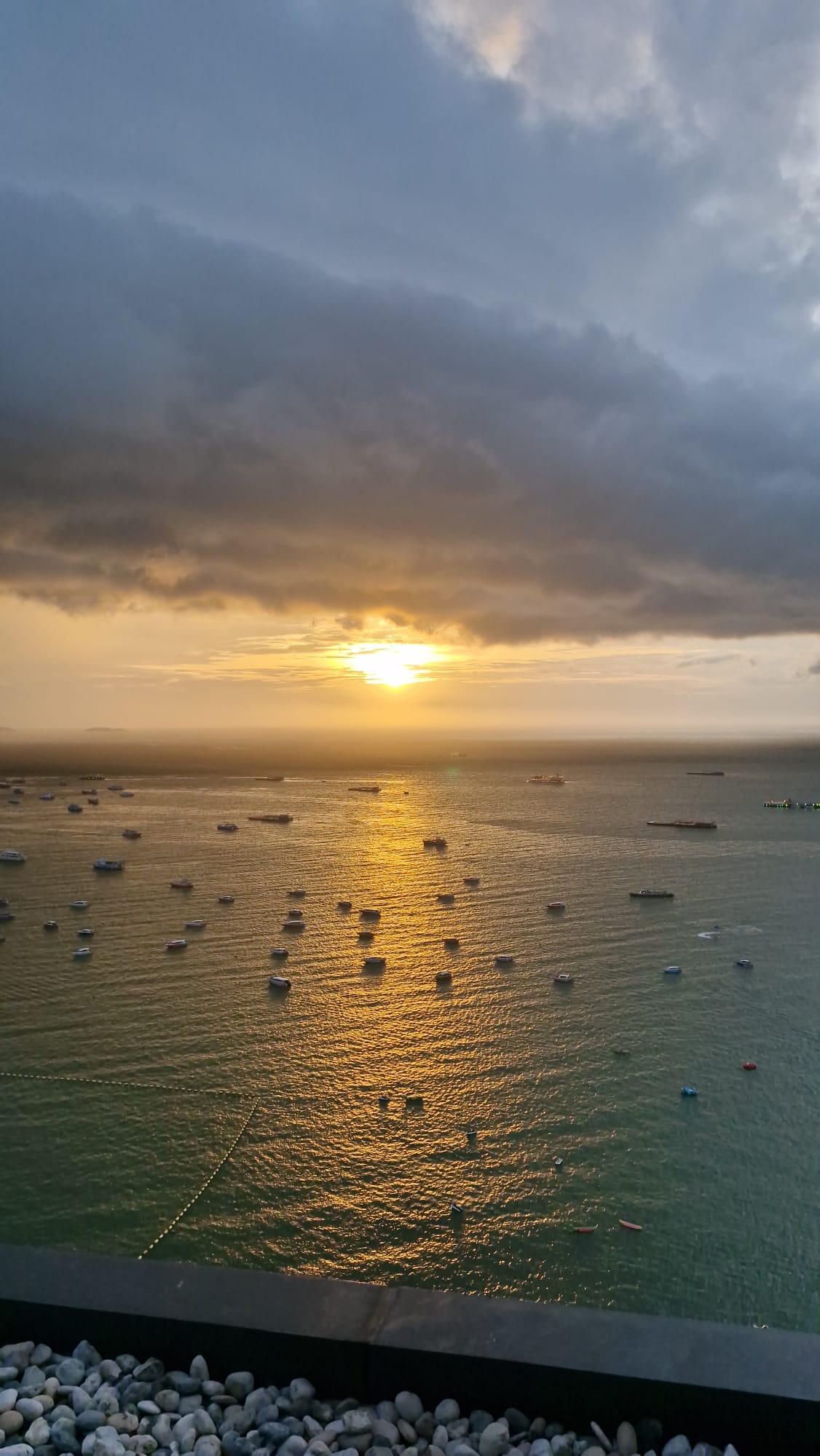
  • Thailand: family travel | travel tips — a practica

    Thailand: family travel | travel tips — a practica

    Exploring family travel in Thailand is easier with a little preparation and room to adapt. Allow time for transfers, breaks, and unexpected changes along the way.

    Thailand: family travel | travel tips — a practica

    Check local schedules and conditions before setting out, leave a buffer between stops, and follow the customs of the places you visit.

    #ThailandTravel #Thailand #ResponsibleTravel #MrSchaka

    #Thailand #Bangkok #ThailandTravel #TravelTips #Asia #MrSchaka

    Practical takeaway

    What is the best tip? Plan the essentials, then adjust your itinerary to the pace of the trip.

    Cover of Bangkok – The Practical Guide

    To go further

    Mr Schaka’s guidebook, Bangkok – The Practical Guide, covers the essentials: transport, neighbourhoods, addresses, food, etiquette and safety, updated for 2026–2027.