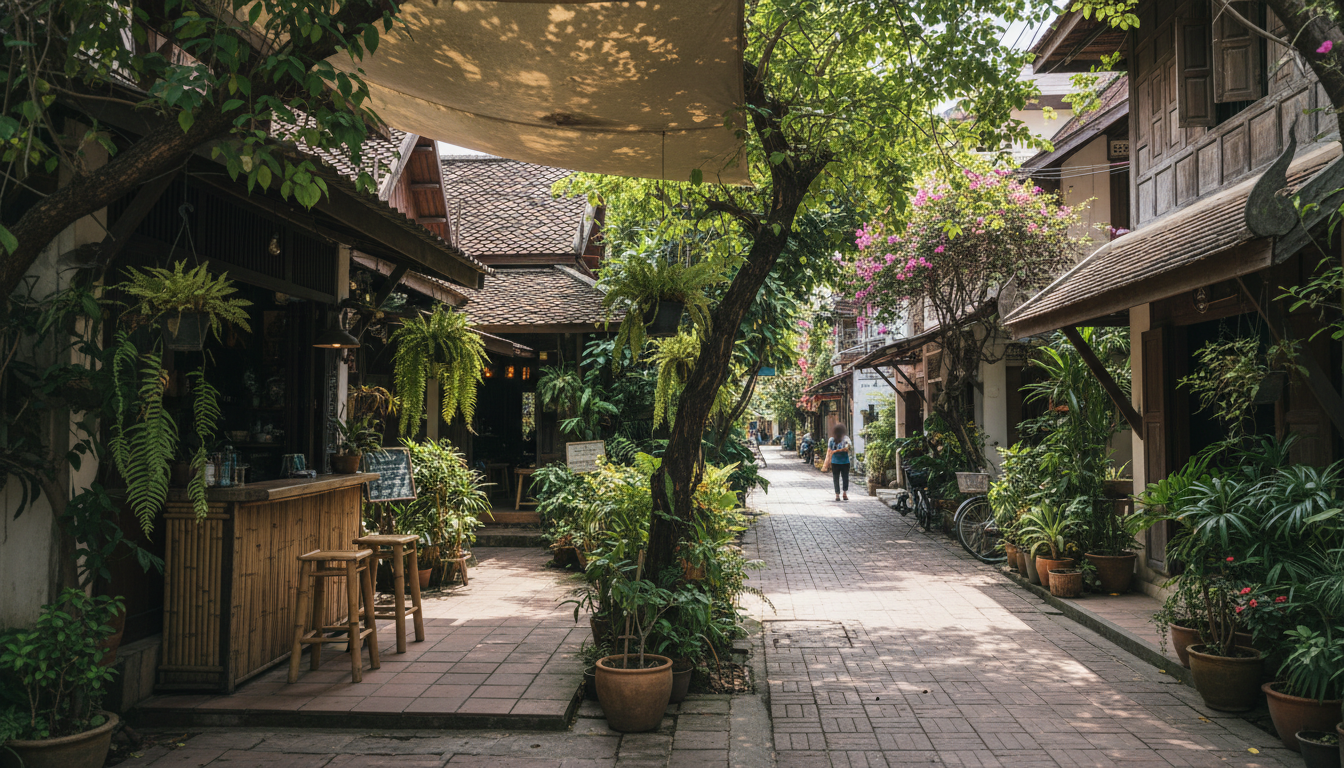
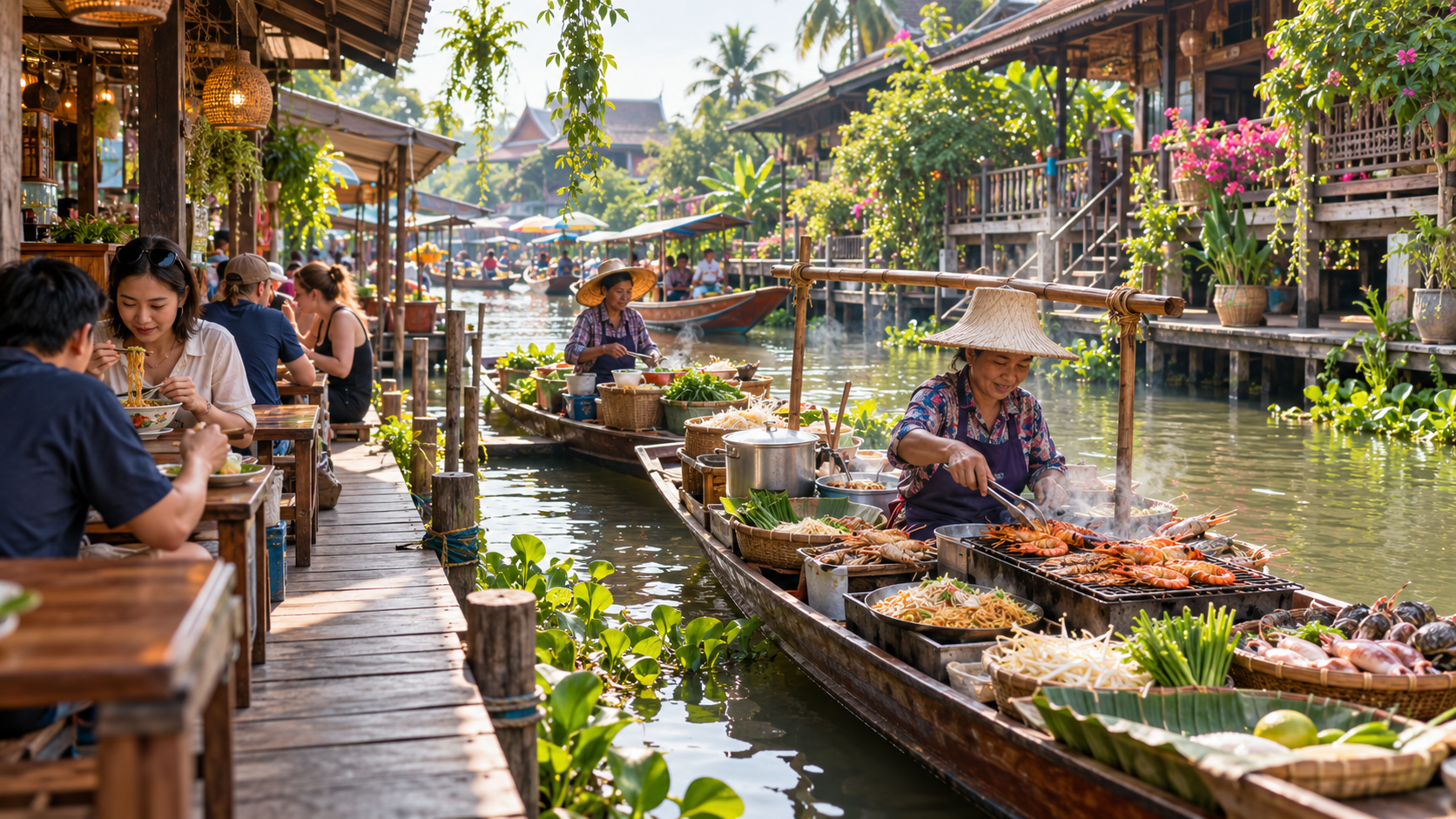
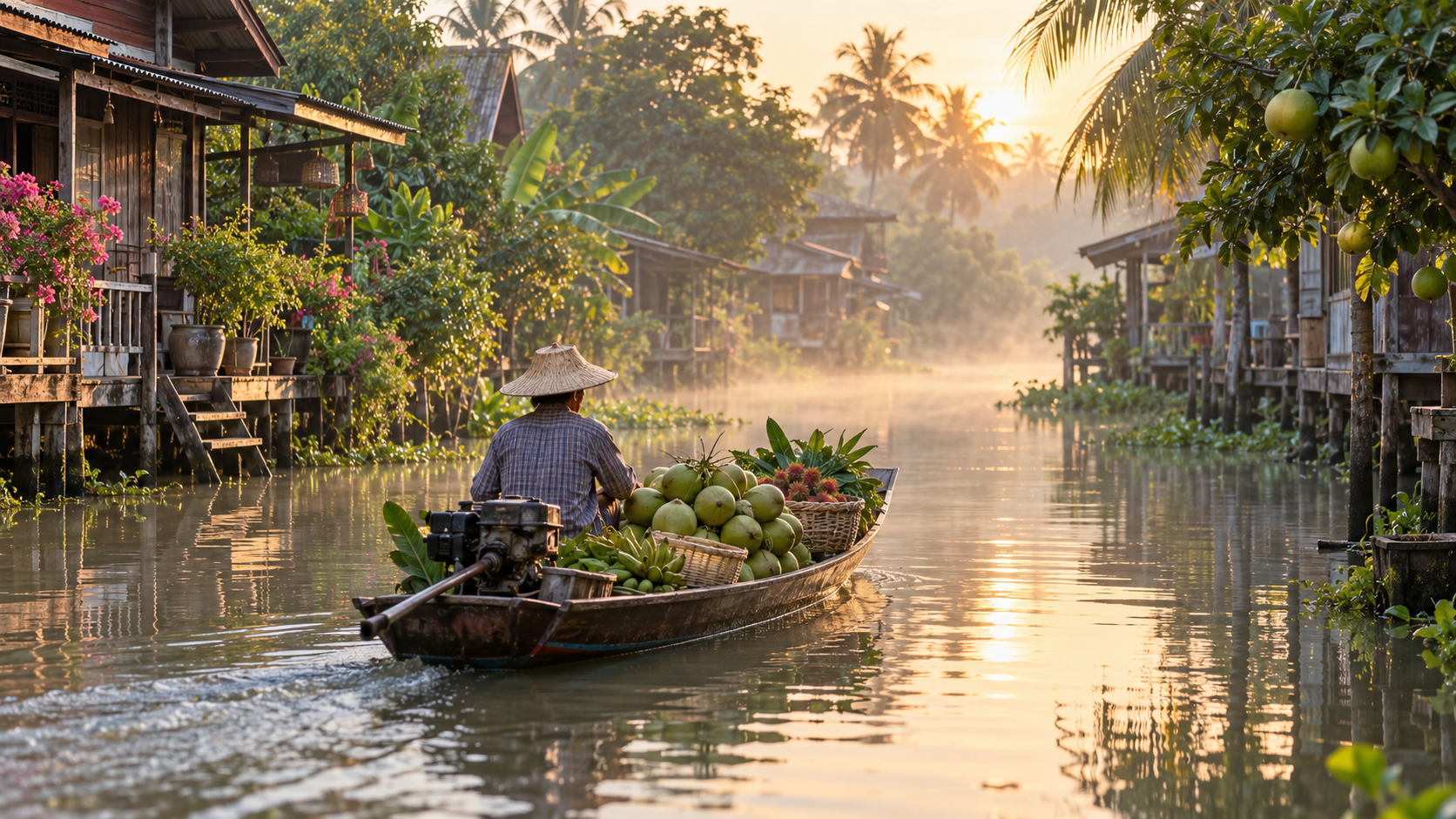
Koh Yao Noi, in Phang Nga Bay, moves at a calmer pace than nearby beach resorts. Limestone cliffs, green roads and sea views invite visitors to slow down. Yet the island is more than scenery: families live, fish, farm and welcome guests according to local customs. A good visit begins by respecting an inhabited place.
Observe before choosing activities
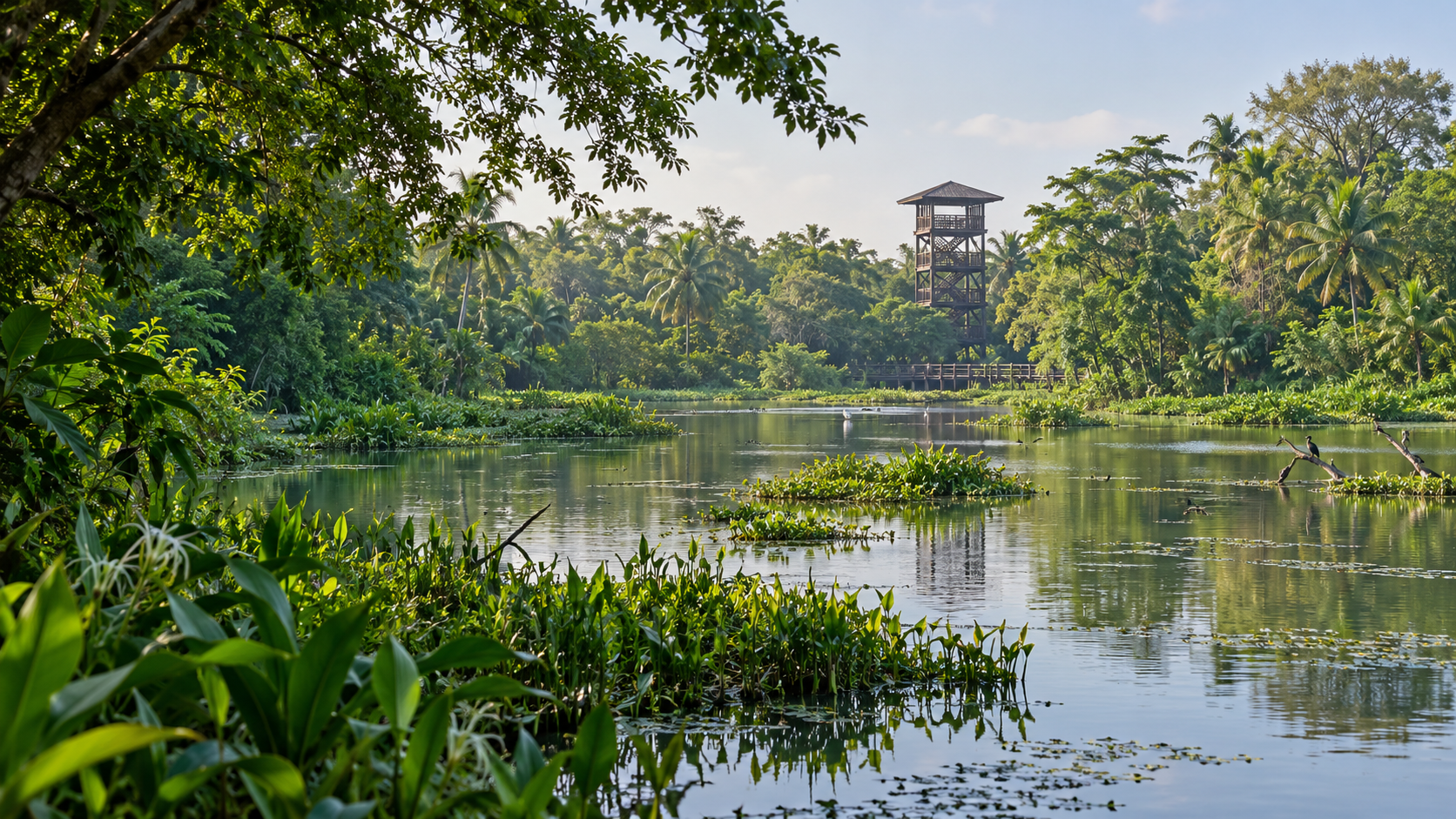
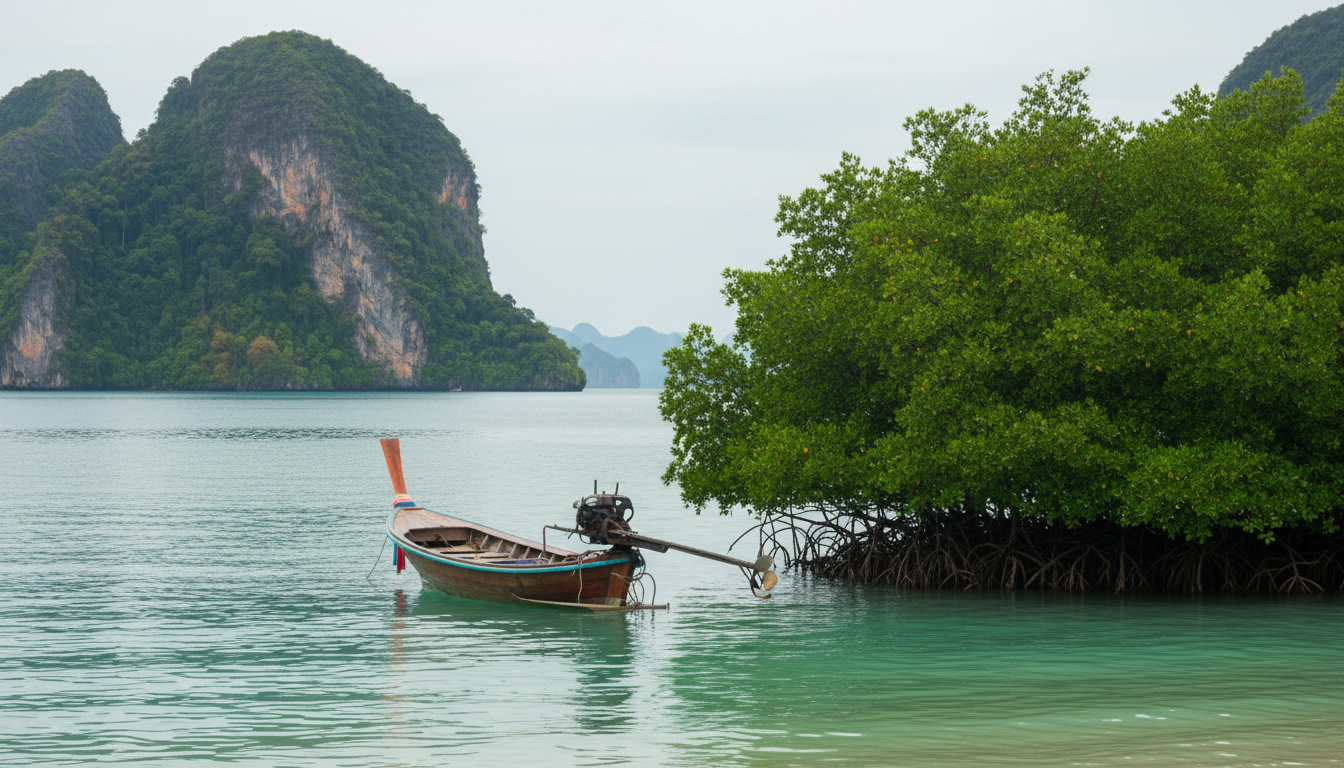
Light and tides change the bay. In the morning, karst islands look sharp; after rain, clouds and reflections reshape them. A pause at a viewpoint can be more memorable than several excursions. Mangroves, seagrass and fishing grounds are living environments. Choose a boat operator who explains the rules, avoids disturbing wildlife and cancels when the sea is unsafe.
Many residents are Muslim. Modest clothing in villages and religious places shows respect. Ask before photographing people and do not turn ceremonies into shows. Piers may be workplaces, and beaches near homes are not always public spaces. Notice how an area is used before settling in.

Getting around safely
A bicycle suits visitors comfortable with hills and heat. Start early, carry water, wear a helmet and check the brakes. Roads are shared with residents, motorbikes, pedestrians and sometimes animals. Ride slowly and never cross private property. If weather or terrain makes cycling unsuitable, arrange local transport. A scooter requires a valid licence, insurance that covers riding and enough experience; this is not a place to learn.
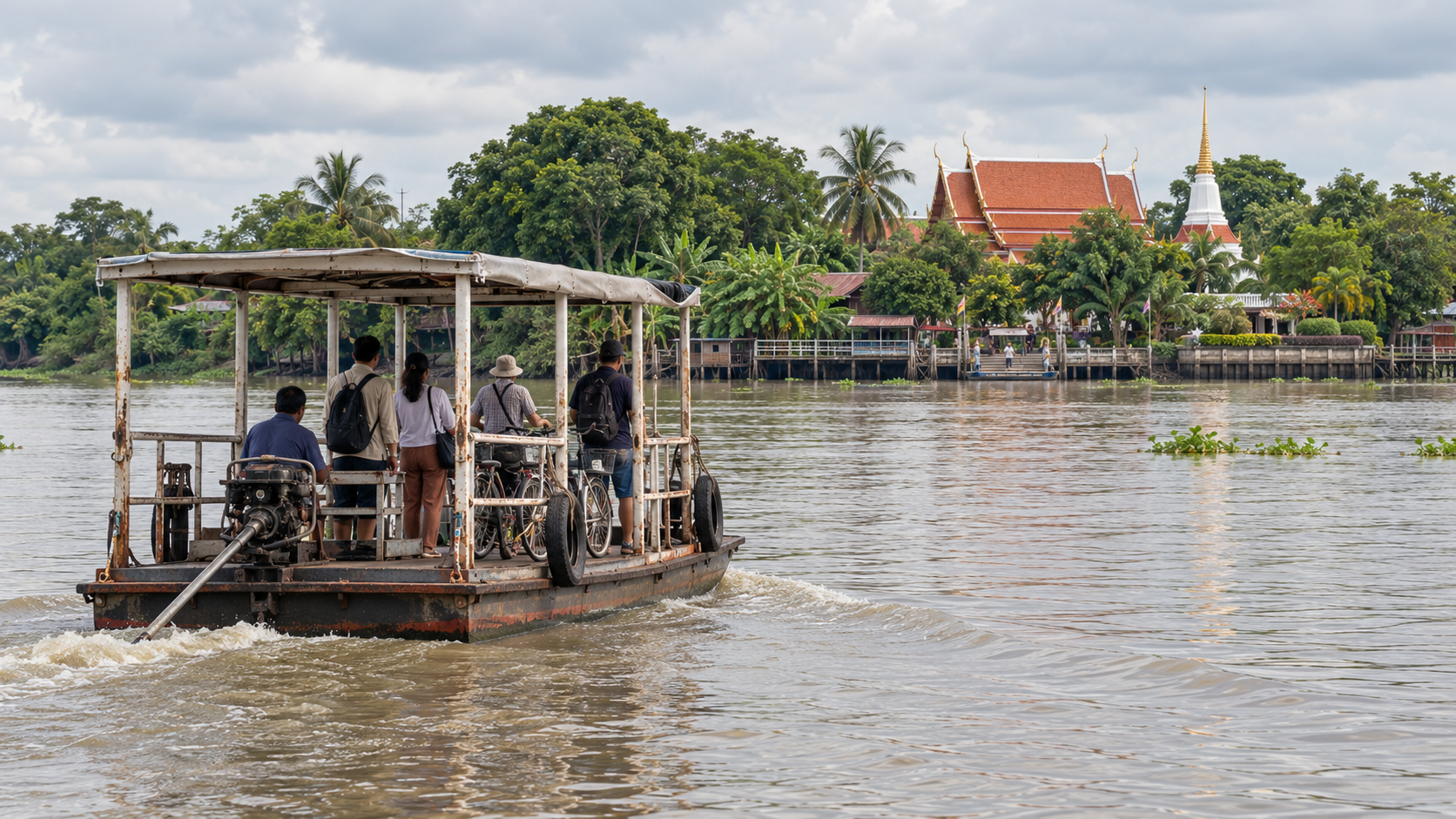
Boat schedules vary with season and sea conditions. Confirm your transfer with your accommodation, allow time to reach the pier and keep travel information offline. One main activity each day leaves time to rest and adjust to weather.
Choosing considerate experiences
Before booking, ask who organises an activity, who receives payment and what happens if weather forces a change. Community activities work best when residents set the rules and payment is transparent. Be wary of guaranteed wildlife encounters or tours claiming to reveal residents’ “real life.” A workshop, guided walk or local meal can be rewarding without turning people into attractions.
Reduce waste: carry a reusable bottle where safe water is available, decline unnecessary disposables and leave nothing on the beach. Ask your accommodation how it handles water and rubbish. Do not touch animals, collect plants or enter protected areas without a guide.
Planning a balanced stay
On your first day, settle in, find useful shops and watch the bay in the late afternoon. The next day, choose one main outing. If staying several nights, keep a day free of bookings. Check schedules shortly before departure. Choose businesses with clear terms, pay the agreed price and write useful reviews without posting people’s photographs without consent.
Memories need not be spectacular: a conversation, a quiet journey or changing light on the cliffs can be enough. Let residents decide what they wish to share.
FAQ
How many nights should I stay?
Two or three nights allow exploration without many transfers. Stay longer to alternate rest and local activities.
Can I visit without a scooter?
Yes. Walk, rent a bicycle if comfortable or arrange local transport. Check distances and hills.
Are boat trips guaranteed?
No. Sea conditions can cause delays or cancellations. Confirm with the operator and put safety first.
How can I respect residents?
Dress modestly in villages, ask before taking photographs and avoid disrupting workplaces.
Your turn
Would you explore an island by bicycle, with a guide or on foot? What helps you travel respectfully?
Planning transfers and daily outings
A relaxed stay begins before you board the boat. Confirm where it will drop you, who will meet you and when the transfer is expected. Details given at booking may change with weather or daily operations. Save your accommodation’s name in Thai on your phone; this helps when the connection is weak. Keep a local contact number and a copy of your ticket available offline. These simple preparations reduce arrival stress and avoid asking several people for urgent help.
Once on the island, take time to understand distances. A road that looks short on a map may include hills, little shade or more traffic than expected. Ask your host which routes are pleasant on foot, which suit a bicycle and which places are private. If travelling without a guide, share your destination and approximate return time with someone you trust. Do not head onto a remote road or out to sea without water, battery power and a return plan. Independence works best with sensible preparation.
On very hot days, schedule the most demanding activity early. Leave the afternoon for meals, rest or swimming in a safe area. Humid heat can tire even people who walk regularly at home. Drink regularly, use sun protection and pause when needed. A holiday should not become a challenge to see everything. Children, older travellers and people taking medication may need a slower pace and extra breaks.
Groups with different preferences should agree on one main activity and keep other options optional. One person can rest while another visits a shop if the meeting place and return time are clear. Avoid renting multiple vehicles just to save minutes; that adds risk and unnecessary traffic. Before booking a local service, ask whether postponement is possible. Flexible planning recognises both group needs and island constraints.
Assessing boat trips
Before boarding, check that the crew explains safety procedures, that life jackets are available in suitable sizes and that the passenger count is reasonable. Ask about duration, stops and what happens if weather changes. A responsible operator answers clearly and does not encourage passengers to lean over the side for a photograph. If sea conditions worry you, say so. You may decline a trip without having to prove that danger is imminent.
Trips combining several islands may seem convenient, but a tight schedule leaves little time to appreciate a place and can pressure the crew to travel quickly. Prefer an outing with a clear plan and time to disembark, rest and follow local rules. Check whether fees, meals or equipment are included. A booking intermediary’s terms may differ from those of the people actually operating the boat.
In mangroves, stay on authorised routes and do not step on roots. Do not collect shells or coral, and never feed wildlife. A guide can explain why some channels matter to fish, birds and fishing livelihoods. When viewing animals, keep a comfortable distance and accept that none may appear. Nature cannot guarantee an encounter. A successful trip can deepen your understanding of an ecosystem even if you do not see the species you hoped for.
After the trip, take your packaging and belongings with you. Retrieve floating rubbish only if it is safe; do not ask the pilot to leave the route for a risky clean-up. If you observe a concerning practice, report it to the operator or accommodation with specific details and a date. Factual feedback can be checked and answered; a vague public accusation is less useful.
Choosing accommodation with practical criteria
A bungalow photograph does not always show its location, nearby noise or distance from services. Before booking, locate the pier, shops, restaurants and transport options. Ask whether late arrivals can reach the property and whom to contact outside office hours. To limit travel, choose accommodation near activities you genuinely plan to do rather than selecting a remote place solely for its view.
Ask practical questions about water, electricity, waste and laundry. On an island, these resources depend on infrastructure that may be limited. Find out whether tap water is drinkable, where to refill a bottle and how rubbish is collected. Answers may not be perfect, but they clarify what a stay involves. Reusing towels or turning off air conditioning when leaving reduces some demand without pretending to solve infrastructure challenges.
Read online reviews carefully. Check their date, season and traveller type. A dry-season experience may not describe monsoon conditions. A simple room may suit someone who spends the day outside but not a family needing easy access and regular services. If a detail matters, ask directly before paying. Requesting clear information is not demanding special treatment.
Clarify cancellation terms and transfer fees before confirming. If a boat changes time or bad weather disrupts travel, you will know the options. Keep booking messages and receipts. Disagreements are easier to resolve when everyone knows the terms. Preparation protects your budget and avoids placing the burden of a misunderstanding on local staff when it began with an intermediary.
Discovering food without imposing expectations
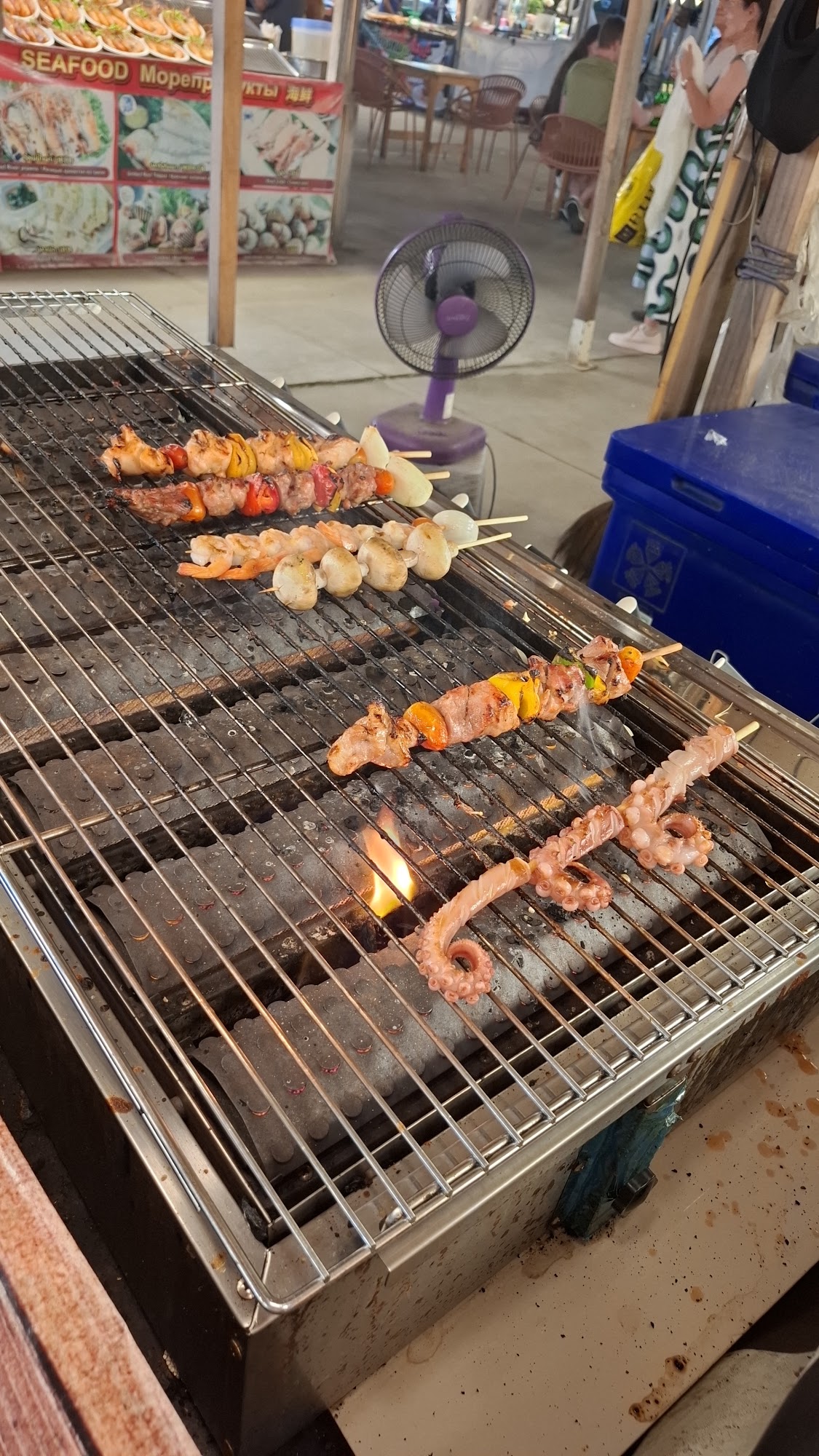
Meals reveal a region through ingredients, cooking methods and service rhythms. Ask what is available rather than assuming an online photograph represents every menu. Clearly mention allergies and explain if you avoid an ingredient for medical reasons. A restaurant may not be able to guarantee the absence of traces; in that case, choose a safer option. Simple, polite communication works better than a last-minute list of demands.
Meal times may depend on work, deliveries and religious periods. A limited menu is not necessarily poor service; it may reflect what is available that day. Try a small portion of a new dish if you wish, but do not waste food for a photograph. Vendors and cooks do not have to explain an entire culture to every customer. If conversation develops naturally, listen and say thank you; if someone is working, let them continue.
When sharing a meal, ask how dishes are served and whether someone prefers separate utensils. Customs vary between families. A respectful question is better than an assumption. Avoid constantly comparing local cuisine with food from home. Saying what you enjoy invites a better exchange than judging a dish against one standard.
Single-use packaging can accumulate quickly. Request a takeaway container only when needed. Bring reusable cutlery when practical, but do not complicate service by insisting on a solution a small business cannot manage. Waste reduction works best as a simple habit rather than a demand directed at one vendor.
Sharing an experience without stereotyping the island
When describing your stay, mention the season, transport and conditions you encountered. A specific note such as “the road was steep after the village” is more helpful than a blanket claim that the island is easy or difficult. Experiences vary with weather, age, health and accommodation. Present impressions as your own and do not speak on behalf of residents.
Do not describe an entire community with absolute adjectives. A pleasant encounter does not mean every resident shares the same view of tourism; a problem with one service does not define the whole island. Give enough context for readers to understand what happened while keeping unrelated personal details private. An honest account can flag a problem without identifying an employee or family.
Images remain accessible long after a trip. Check the frame, seek consent from identifiable people and remove details that reveal a private place. A boat photo may show a name or registration; a child’s image should not be shared without appropriate permission. Respect does not end when you leave the village.
Before recommending a quiet site, consider whether access is genuinely open and whether increased traffic could damage it. Social media can quickly turn a calm place into a gathering point. You can describe the general experience without revealing every precise location. This gives residents and site managers room to manage visitors at their own pace.
Spending locally with care
Buying from a village shop or booking a local guide can help keep part of a visitor’s budget on the island. Ask what a price includes, agree on it before the service begins and pay the person or business identified in the booking. A low price is not automatically fair, and an expensive activity is not automatically responsible. Look for clear information about duration, equipment, cancellation and the people providing the service. If you are unsure, ask a short question rather than bargaining aggressively. Respectful spending supports an exchange without creating an expectation that residents must provide access to private places or personal stories.
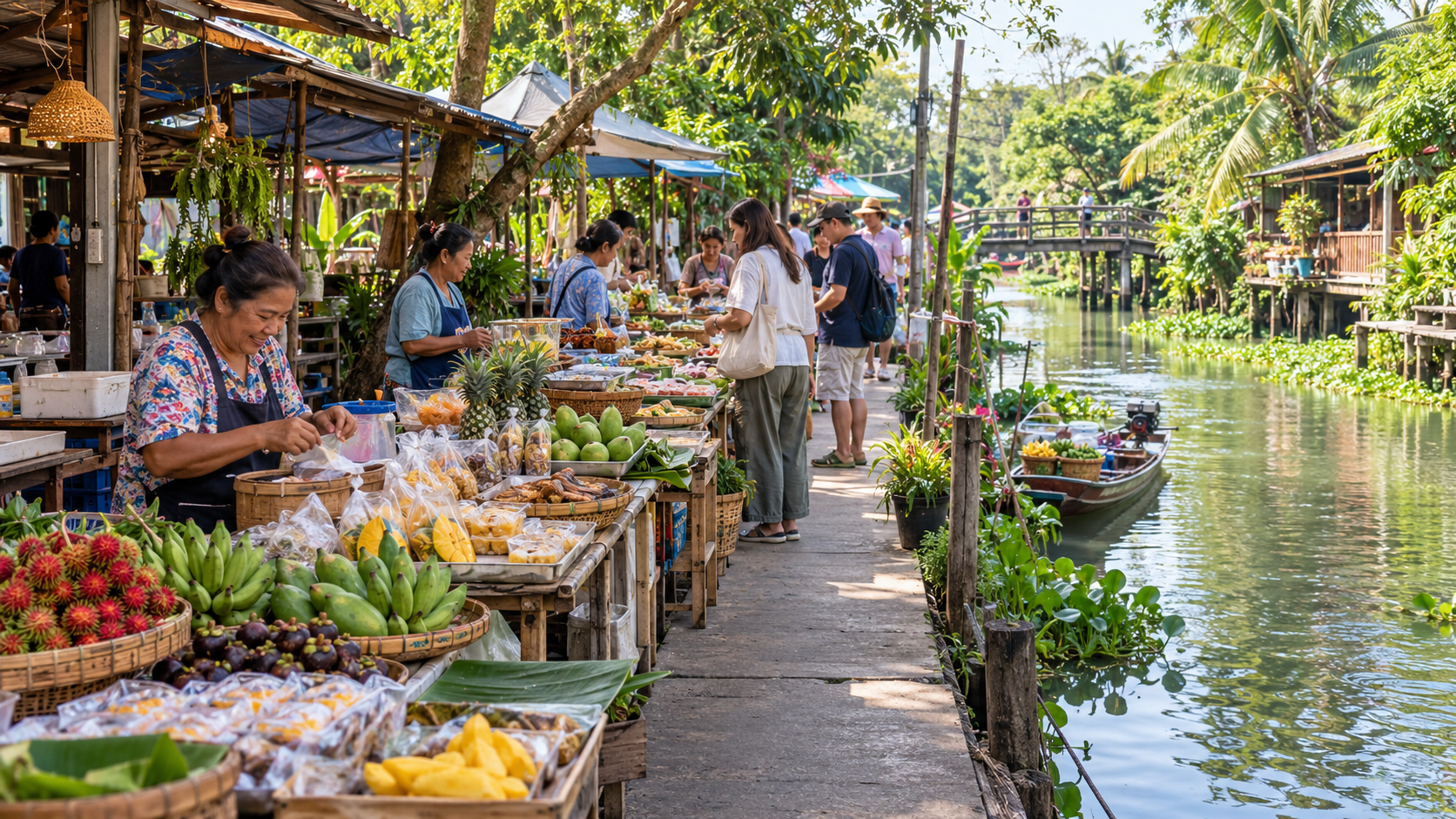
Markets are working spaces, not staged attractions. Keep walkways open, wait your turn and avoid touching goods you do not intend to buy. Ask permission before photographing a vendor, especially when the stall is busy. If a person declines, thank them and move on. You can still write about a meal or a market without identifying a seller or publishing a close-up image. These choices protect privacy while allowing other travellers to learn useful details about prices, opening times and the kinds of food available.
Keep expectations flexible
Travel information changes quickly on islands. A shop may close for a local holiday, a boat may run on a different schedule, or rain may alter an outdoor plan. Check the most important details shortly before setting out, and do not rely only on a post written months earlier. Keep one alternative activity in mind, such as a short walk, a quiet meal or time to rest. Flexibility reduces pressure on local staff and helps you enjoy a day even when the original plan cannot happen. What matters most is not completing a checklist, but leaving room to notice the island as it is.

To go further
Mr Schaka’s guidebook, Phuket and the Andaman Sea – The Practical Guide, covers the essentials: transport, neighbourhoods, addresses, food, etiquette and safety, updated for 2026–2027.