Category: Thailand Notebook

Practical tips and travel stories from Thailand: Bangkok, Pattaya, Isan, the islands.

  • Thai desserts: 10 sweet treats to try and where to find them

    Thai desserts: 10 sweet treats to try and where to find them

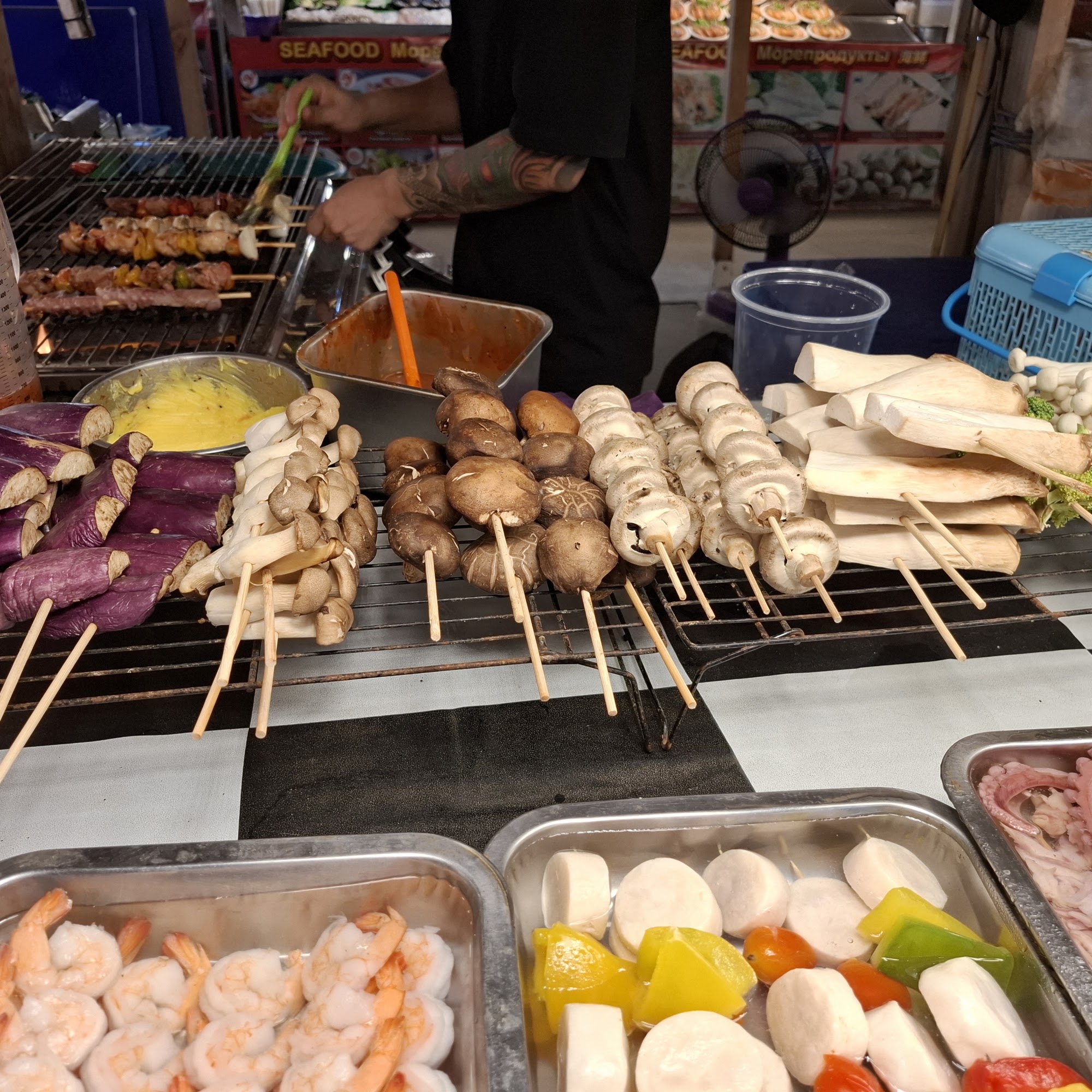
    In Thailand you don’t necessarily end a meal with dessert: people treat themselves at any time of day, at the market, on a street corner or after visiting a temple. Thai desserts are often made with coconut, sticky rice, palm sugar and fruit, with textures we don’t really know back home. Here are the ten sweet treats I recommend you try, and the places where I find them most easily.

    Mango sticky rice, the undisputed star

    Khao niao mamuang, sticky rice with mango, is the best-known Thai dessert abroad, and it deserves its reputation. The glutinous rice is steamed and then soaked in sweetened, slightly salted coconut milk. It is served with a perfectly ripe mango, often of the nam dok mai variety, topped with a thicker coconut sauce and sprinkled with crunchy toasted mung beans.

    You can find it all year round, but it is at its best during mango season, roughly from March to June. Expect to pay around 50 to 100 baht on the street or at a market, and more like 100 to 200 baht at well-known shops. In Bangkok, two places have been famous for a long time: Kor Panich, on Tanao Road in old Bangkok, and Mae Varee, at the entrance to Thonglor. Or Tor Kor market, opposite Chatuchak market, is also an excellent place to compare.

    Khanom krok: little coconut half-moons

    Khanom krok is my morning weakness. A batter of rice flour and coconut milk is poured into a large cast-iron pan dotted with small hollows. The bottom turns crisp while the top stays soft, almost creamy. The vendor often joins two halves together to make a little ball. They are sometimes topped with spring onion, sweetcorn or taro.

    You will mostly find them at morning markets and small street stalls. A portion usually costs 20 to 40 baht. Eat them hot, straight away: that is when they are at their best.

    Tub tim grob: the “crunchy rubies”

    Tub tim grob is the ideal dessert when it is very hot. These are small cubes of water chestnut coated in tapioca flour dyed red, hence the name “crunchy rubies”. They are served in a bowl of sweetened coconut milk with crushed ice, sometimes with strips of jackfruit. The inside stays crunchy and the outside is jelly-like: it is surprising the first time, and then you keep coming back for more.

    You will find it at iced-dessert vendors, in markets and in shopping-centre food courts. Expect to pay around 30 to 60 baht a bowl.

    Seven more Thai desserts to discover

    Bua loy

    Small balls of glutinous rice flour, often naturally coloured, served in warm coconut milk. It is gentle and comforting, and easy to find at markets for around 30 to 60 baht.

    Khanom chan

    A steamed layered cake, often flavoured with pandan. Its texture is springy, a bit like a firm jelly. The layers evoke the idea of moving up in life, and it is often served at celebrations.

    Foi thong and thong yip

    Golden desserts made from egg yolk cooked in sugar syrup: in threads for foi thong, in little flowers for thong yip. They are linked to Portuguese influence in the days of the Ayutthaya kingdom. Their golden colour symbolises prosperity, which is why they are given at weddings and ceremonies. Very sweet: one or two bites are enough.

    Luk chup

    Tiny fruits and vegetables shaped by hand from mung bean paste, painted and then coated in a thin layer of jelly. They look like toys. It is a refined dessert you will find in Thai pastry shops and in the fine-food halls of large shopping centres.

    #Thailand #Bangkok #ThailandTravel #TravelTips #Asia #MrSchaka

    Khanom bueang

    A very thin, crisp little pancake folded like a taco, filled with a meringue-like cream and sweet egg threads or coconut. There is also a savoury version. You often see them made in front of you at markets.

    Roti sai mai

    A speciality of Ayutthaya: strands of coloured spun sugar are rolled up in a very thin pancake. Stalls selling them are everywhere in the town, and I talk about them in my article on a day trip to Ayutthaya from Bangkok. People happily take a bag home.

    I-tim kathi

    Coconut ice cream, sold by street vendors. It is served in a halved coconut, in a cup or even in a small bread roll, with toppings of your choice: sticky rice, peanuts, sweetcorn or palm sugar jelly. Around 30 to 60 baht depending on the toppings.

    Where to find the best Thai desserts

    • Morning markets: this is where khanom krok, bua loy and steamed cakes are freshest, often made at dawn.
    • Or Tor Kor market in Bangkok: a very clean covered market with a wide choice of traditional desserts and seasonal fruit.
    • Chinatown (Yaowarat) in the evening: lots of stalls selling hot and iced desserts. If you like eating on the street, my article on what to eat in Bangkok, street food, will give you more ideas.
    • Shopping-centre food courts: handy when it is very hot, with air conditioning and displayed prices.
    • Night markets and weekend walking streets, in Bangkok as in Chiang Mai, where desserts are often sold in small portions.
    • Thai pastry shops, for more delicate desserts such as luk chup or foi thong, prettily packed as gifts.

    My practical tips

    • Buy coconut-milk desserts from busy stalls and eat them quickly: in the heat they don’t keep for long.
    • Carry small notes: at markets you pay in cash, and a 1,000-baht note often puts vendors in a tight spot.
    • For drinks and iced desserts, you can ask for “wan noi”, meaning “less sweet”. A few basic words help a lot; see my little Thai phrasebook.
    • If you avoid certain ingredients, note that the golden desserts contain a lot of egg and some creams do too. Coconut-milk and sticky-rice desserts usually don’t, but do ask.
    • Taste in small portions: many desserts are sold in bags or trays to share, which lets you try several.
    • For mango sticky rice, aim for mango season: the difference in taste is clear.

    Frequently asked questions

    Are Thai desserts very sweet?

    Some are, especially the egg-and-syrup desserts. Others are balanced by a pinch of salt in the coconut milk, which makes them lighter on the palate than you might expect.

    When can you eat the best mango sticky rice?

    During mango season, roughly from March to June. You can find it the rest of the year, but the fruit is less fragrant then.

    How much should you budget for desserts?

    Most street desserts cost between 20 and 60 baht. A mango sticky rice at a well-known shop can go up to around 200 baht.

    Where can you try several desserts in one place?

    Or Tor Kor market in Bangkok and morning markets are perfect for this, as are the food courts in large shopping centres.
    Cover of Bangkok – The Practical Guide

    To go further

    Mr Schaka’s guidebook, Bangkok – The Practical Guide, covers the essentials: transport, neighbourhoods, addresses, food, etiquette and safety, updated for 2026–2027.
  • Where do Thailand’s floods stand?

    Where do Thailand’s floods stand?

    The floods affecting Thailand since mid-September continue to make news: the human toll now stands at 76 deaths, according to a count published by the Thai press, while more than a million people remain affected in sixteen provinces and two Bangkok districts.

    For travellers, the situation is not uniform: some regions are badly hit, others spared, and the main cities function normally.

    The toll

    The figure of 76 deaths since mid-September shows the scale of an episode stretching over several weeks and several waves of rain.

    Authorities have distributed aid and deployed pumping equipment, especially in urban areas where water stagnates.

    People affected

    More than a million people remain affected across sixteen provinces and two districts of the capital. This includes displaced people, flooded homes and damaged farms.

    Central and northeastern provinces are most concerned, with agricultural plains where water takes time to drain.

    Bangkok

    The capital has localised flooding in two districts and on some roads, but most of the city works normally: transport, shops, hotels and tourist sites remain accessible.

    Riverside residents watch water levels, and authorities adjust discharges.

    Transport

    Main roads are passable, but some secondary routes may be cut. Buses and trains may be delayed. Check routes before leaving, especially towards central and northeastern provinces.

    Tourist sites

    Major sites such as Ayutthaya, Sukhothai or national parks may be partly affected. Some areas close temporarily for safety. Local tourist offices indicate the state of visits.

    Health

    Stagnant water favours mosquitoes and skin infections. Avoid walking in water, wash your hands and use repellent. Authorities monitor water quality and distribute prevention products.

    #Thailand #Floods #MrSchaka

    What to avoid

    Do not go into a flooded area to watch or photograph: it is dangerous and disrespectful to residents.

    Do not cross a submerged road, even a few metres, and avoid waterlogged dirt tracks.

    How to help

    Financial donations to local associations are more useful than goods, as they buy exactly what is missing. Serious organisations publish accounts of how funds are used.

    FAQ

    Can I still travel to Thailand?

    Yes, most destinations remain accessible, but check local conditions.

    Is Bangkok flooded?

    Localised flooding affects two districts, but the city works normally.

    Are trains affected?

    Some lines may be delayed. Check before leaving.

    Should I cancel?

    Depends on the region and programme. Check case by case.

    Are donations useful?

    Yes, financial donations to local associations are most effective.

    Sources and references

    Cover of Bangkok – The Practical Guide

    To go further

    Mr Schaka’s guidebook, Bangkok – The Practical Guide, covers the essentials: transport, neighbourhoods, addresses, food, etiquette and safety, updated for 2026–2027.
  • How to travel with the heavy rain forecast in the South?

    How to travel with the heavy rain forecast in the South?

    Thailand’s meteorological department issued a warning on 24 October announcing heavy to very heavy rain in the south of the country from 24 to 28 October 2026, with more variable weather elsewhere. Such warnings are frequent in this season, but this one covers several busy tourist areas.

    For a traveller, the question is not whether to cancel, but what may be disrupted and how to adapt.

    What the warning says

    Warning No.1 of series 273 for 2026 mentions heavy to very heavy rain in the South, with gusts and rough seas, from 24 to 28 October.

    An earlier warning, No.13 of series 272, already flagged intense rain across the country. The two documents complement each other.

    Affected areas

    Southern Thailand has two coastlines: the Andaman Sea to the west and the Gulf to the east. Both can be hit, but not at the same time or with the same intensity.

    West coast provinces such as Phuket, Krabi, Phang Nga and Trang are used to monsoon showers. Gulf provinces such as Surat Thani, Nakhon Si Thammarat or Songkhla follow a different pattern.

    Ferries and boats

    Sea links to the islands may be delayed or cancelled when the sea is too rough. Crossings to Koh Tao, Koh Samui, Koh Phangan, Koh Lanta or Phi Phi depend on conditions. Companies decide in the morning and inform passengers.

    Sea trips

    Diving, snorkelling and day boat trips are the first to be suspended. Serious operators refund or reschedule, but check booking conditions. Do not insist on going out when the sea is bad.

    Roads

    Intense rain can cause local flooding, landslides and closed roads, especially in hilly areas and on secondary routes. Bus or car journeys may take longer: allow margins, especially to reach an airport or port.

    Trains

    The rail network is generally less affected than roads, but sections can be flooded or interrupted. Delays are possible; stations communicate changes and tickets can be amended.

    What to check before leaving

    Sea conditions for crossings, road conditions for land travel, and the forecast for the days ahead. Ferry companies, tourist offices and the meteorological department provide this. The 1182 hotline reaches weather services.

    #Thailand #Monsoon #MrSchaka

    Precautions

    Bring rain protection, shoes that tolerate water and a copy of your documents. Do not cross a flooded road. On site, follow local advice, often more precise than general forecasts.

    Travellers already there

    If you are on an island, check planned links and keep a margin before your return flight. A cancelled ferry can strand you for a day or two. Hotels often extend stays in case of force majeure, but ask early.

    The upside

    Monsoon rain does not last all day. It often falls in the late afternoon, and mornings remain usable. Landscapes are greener, waterfalls more spectacular, and crowds smaller.

    FAQ

    Should I cancel an island stay?

    Not necessarily, but check sea links and allow margin.

    Are ferries refunded?

    Depends on the company and ticket conditions.

    Can I swim?

    Follow flags and instructions.

    Does it rain all day?

    No, often over a few hours.

    Where to find official information?

    The meteorological department website.

    Sources and references

    Cover of Koh Samui and the Islands – The Practical Guide

    To go further

    Mr Schaka’s guidebook, Koh Samui and the Islands – The Practical Guide, covers the essentials: transport, neighbourhoods, addresses, food, etiquette and safety, updated for 2026–2027.
  • Red Lotus Sea near Udon Thani: season, boats and tips

    Red Lotus Sea near Udon Thani: season, boats and tips

    The Red Lotus Sea, Talay Bua Daeng in Thai, is one of the most beautiful natural sights in Isan: every winter, a large lake near Udon Thani is covered with thousands of pink and red flowers. I went early in the morning, by boat, surrounded by birds and silence. Here is everything you need to know to make the most of your visit: the season, boat times, access and my tips.

    What exactly is Talay Bua Daeng?

    The site is on Nong Han lake, in Kumphawapi district, Udon Thani province, in north-east Thailand. This large freshwater lake covers more than 22,500 rai, or about 36 km². During the cool season, part of its surface is covered with lotuses in bloom, to the point of forming real pink fields as far as the eye can see. People call it a “sea”, and out on the water the word does not seem exaggerated.

    The lake is also a living place for fishermen and a refuge for many water birds. It is one of the best reasons to discover Isan, the authentic north-east of Thailand, still little visited by foreign travellers.

    When to go: the lotus season

    The flowering takes place during the cool season. Depending on the year and the source, it runs from November or December until February, sometimes a little longer. The peak is usually between late December and late January. For the 2025-2026 season, the tourism authorities officially launched the season in mid-December and advised coming before mid-February.

    Flowering depends on the weather and the water level: from one year to the next, the flowers may be more or less dense, closer to or further from the shore. Before setting off, I recommend checking the season’s news with the Udon Thani tourist office or on local social media. To fit this trip into your calendar, my article on when to go to Thailand month by month may help.

    What time to come

    This is the most important point: the lotuses open in the morning and close as the sun gets hotter. The best time is roughly between 6am and 11am. After midday the flowers begin to close and the spectacle loses much of its magic. The sunrise light over the lake is also superb, and it is still cool.

    If you can, sleep in Udon Thani or near the lake the night before, and leave before dawn to be on the water at around 6.30 or 7am.

    The boats: times and indicative prices

    You can only really see the lotus sea by boat. The main pier is Ban Diam, where a local community of boatmen runs the trips. Other small piers exist around the lake, but Ban Diam remains the best known and the simplest for a first visit.

    • Times: during the season, boats leave every day, roughly from 6am to 5pm.
    • Duration: allow about one to one and a half hours on the lake.
    • Price: you hire the whole boat, not a seat. In January 2026, the Thai press reported around 300 baht for a small boat (up to 2 people) and around 500 baht for a large boat (up to 6 people). These prices may change from one season to the next: check on the spot before setting off.

    The boats are simple motorboats, sometimes with a small roof. The boatman slows down among the flowers and is happy to stop for photos. If you are on your own, you can sometimes share a boat with other visitors to split the cost.

    How to get there

    Getting to Udon Thani

    Udon Thani is a large city in Isan, well connected to Bangkok. You can go by plane (about an hour’s flight), by night or day train on the north-eastern line, or by bus from Mo Chit bus station. The night train is a lovely option if you have time.

    #Thailand #Bangkok #ThailandTravel #TravelTips #Asia #MrSchaka

    From Udon Thani to the lake

    Ban Diam pier is about an hour’s drive from Udon Thani (roughly 40 to 50 km depending on the route).

    • By car or with a driver: the simplest solution, especially to arrive early. Type “Red Lotus Sea” or “Talay Bua Daeng” into your maps app. A driver for the day is easy to book through your hotel or an app.
    • By local transport: songthaews and local buses link Udon Thani bus station with the town of Kumphawapi in about an hour. You then need a local tuk-tuk to the pier. It is cheaper, but the first departures do not always get you there at the ideal times.
    • On a tour: some agencies and hotels in Udon Thani offer the trip during the season, often with a very early start.

    If you are planning a wider circuit, the lotus sea fits well into a trip to the north-east; you will find ideas in my two- or three-week Thailand itinerary.

    Respecting the lake

    The area covered by lotuses has shrunk over the years, and several observers believe visitor numbers and engines play a part. A few simple gestures help: do not pick the flowers or leaves, throw nothing into the water, keep your voice down near the birds, and follow the instructions of the boatmen, who know the fragile areas.

    My practical tips

    • Arrive early: between 6 and 8am the flowers are open, the light is beautiful and there are fewer people.
    • If possible, avoid weekends and Thai public holidays, which are very busy at the height of the season.
    • Bring a hat, sunglasses and sun cream: there is no shade on the water.
    • Pack a light jumper for the dawn departure, as mornings can be cool in Isan.
    • Keep cash in small notes for the boat, local transport and food stalls.
    • Protect your phone in a waterproof pouch, just in case.
    • For official information on the season, you can call the Tourism Authority of Thailand’s 1672 tourist hotline.

    Frequently asked questions

    Can you see the lotuses outside the season?

    Out of season the lake is still pleasant, with its fishermen and birds, but the great carpet of flowers is not there. For the real spectacle, aim for December to February.

    Do you need to book the boat in advance?

    Generally not: you hire the boat directly at the pier. At weekends in high season there may be a short wait, which is why it is worth arriving early.

    Can you do a day trip from Bangkok?

    It is possible by plane, but very tiring, because you need to be on the lake in the morning. I would rather recommend spending at least one night in Udon Thani.

    Is the visit suitable for children and older people?

    Yes, the boat trip is calm and requires no effort. You only need to be able to step down into a fairly low boat from the jetty; the boatmen are happy to help.

    Cover of Isan – The Practical Guide

    To go further

    Mr Schaka’s guidebook, Isan – The Practical Guide, covers the essentials: transport, neighbourhoods, addresses, food, etiquette and safety, updated for 2026–2027.
  • Responsible travel in Thailand: my simple everyday habits

    Responsible travel in Thailand: my simple everyday habits

    Responsible travel in Thailand does not mean giving up the pleasure of travelling: it means making a few simple choices that protect animals, the sea and the people who welcome us. After long stays between Bangkok and Isan, I have picked up habits that cost almost nothing and make a real difference. Here is how to enjoy responsible travel in Thailand, without guilt and without making life complicated.

    Elephants: choose a sanctuary with no riding

    The elephant is the symbol of the country, and it is also the animal that suffers most from tourism. For an elephant to accept being ridden, doing tricks or painting, it has usually been trained very harshly when young. Animal welfare organisations therefore advise against elephant rides, shows and painting sessions.

    Increasingly, they also advise against bathing with elephants and close contact, even in places that call themselves “sanctuaries”: these activities are still a form of show and a risk for the animals as well as for visitors. A good place is one where you watch the elephants from a distance as they walk, eat and bathe among themselves, with a limited number of visitors.

    Before booking, I ask myself three questions: are the elephants ridden there? Are they made to play or bathe with tourists? Are there babies presented as an attraction? If the answer to any of them is yes, I move on. And to see truly wild elephants, the most beautiful option is still a national park, such as Khao Yai National Park, with a ranger or guide, at a safe distance.

    The same logic applies to other animals: no photos with a tiger, a monkey on a lead or a slow loris, no crocodile or monkey shows.

    Plastic and water

    In Thailand, you drink bottled or filtered water, not tap water. Over a stay of several weeks, that quickly adds up to dozens of bottles. My simple habits:

    • I carry a sturdy water bottle and refill it at the filtered water dispensers in my guesthouse or hotel, or at the water vending machines found in many neighbourhoods and villages, for a few baht.
    • Since 2020, the big store chains no longer hand out free plastic bags. I keep a foldable cloth bag in my backpack.
    • At the market and in the street, I say “mai ao toong” (I don’t want a bag) or “mai ao lot” (no straw) when I don’t need one.
    • For takeaway coffee or juice, I use my own cup when I can.

    These are not heroic gestures, but repeated over a month they avoid a real little pile of waste.

    Respecting temples and monks

    Temples are not museums: they are places of prayer and daily life. I go in with my shoulders and knees covered, take off my shoes when required, speak quietly and do not point my feet towards a Buddha image or a monk. I never climb on a statue for a photo and I do not turn my back on a Buddha for a selfie as if it were a backdrop.

    With monks, a few simple rules: a woman should not touch them or hand them an object directly from hand to hand; you place the object in front of them or pass it through a man. On public transport, you give up your seat to them. If you watch the morning alms round, stay discreet, do not push your camera in their faces, and only take part if you do it respectfully, not for the photo. I have gathered these customs in my article on etiquette in Thailand.

    Getting around differently

    Domestic flights are convenient and cheap, but they are not always necessary. The country has a good train and bus network, and it is a wonderful way to see the landscape:

    • The night train between Bangkok and Chiang Mai replaces a flight and a night in a hotel. Sleeper berths can be booked in advance on the official website of the State Railway of Thailand, the SRT, especially in high season.
    • Buses and minibuses link almost every town, including to the ports for the islands.
    • In Bangkok, the Skytrain, the underground metro and the river boats are fast, cheap and avoid the traffic jams.
    • Once there, I hire a bicycle when the town suits it, and I walk a lot.

    Fewer flights also means more time spent on the ground, in towns you would not have seen otherwise.

    #Thailand #Bangkok #ThailandTravel #TravelTips #Asia #MrSchaka

    The sea, corals and marine life

    Thai reefs are fragile and have already suffered from warm water and overcrowding. Several rules exist to protect them. In marine national parks, sunscreens containing certain substances considered toxic to corals are banned: oxybenzone, octinoxate, 4-methylbenzylidene camphor and butylparaben. The fine can be up to 100,000 baht. So I choose a sunscreen without these ingredients, and I wear a UV shirt to use less of it.

    When snorkelling or diving, I do not touch the corals, do not stand on them, do not feed the fish and do not collect shells or pieces of coral. Some sites close every year to let nature rest: the famous Maya Bay, for example, is closed roughly from August to the end of September, and several marine parks close during the monsoon. Check the dates before you go. To choose your destination, my article on which island to choose in Thailand can help.

    I also prefer small-group trips with operators who explain the rules before you get in the water, rather than crowded boats that rush through five islands in a day.

    Supporting the local economy

    Responsible travel is also about making sure the money you spend stays in the country and with families. It is not complicated:

    • I eat at street stalls, small canteens and markets. It is often better, and the money goes straight to the people who cook.
    • I sleep in family-run guesthouses or community homestays, especially in the countryside.
    • I buy crafts directly from the makers or at village markets, rather than mass-produced souvenirs.
    • I use local guides for treks and village visits.
    • I bargain with a smile and without going too far: a few baht matter more to the seller than to me.

    My practical tips

    • No rides, shows or bathing with elephants: choose an observation-only venue.
    • Take a water bottle and a cloth bag from day one.
    • Pack clothes that cover your shoulders and knees for temples.
    • Women: do not touch a monk or hand him anything from hand to hand.
    • Take the train or bus when the journey allows.
    • Buy a sunscreen without oxybenzone or octinoxate before going to a marine park.
    • Do not touch corals or marine animals, and check park closure dates.
    • Eat, sleep and shop local.

    Frequently asked questions

    How can I tell whether an elephant sanctuary is truly ethical?

    An ethical venue offers no riding, no shows and no bathing with tourists. You watch the animals from a distance, in a small group, and visits are not sold as contact with elephants.

    Can you drink tap water in Thailand?

    It is not recommended. Use the filtered water at your accommodation or the neighbourhood water vending machines to fill your bottle.

    Which sunscreen should I take to the islands?

    One without oxybenzone, octinoxate, 4-methylbenzylidene camphor or butylparaben, as these substances are banned in marine national parks. Read the ingredient list, not just the “reef safe” label.

    Does responsible travel cost more?

    Not necessarily. Trains, street stalls and family guesthouses are often cheaper than the alternatives. Only some ethical activities, such as a genuine elephant sanctuary, cost a little more, and that is fair.

    Cover of Bangkok – The Practical Guide

    To go further

    Mr Schaka’s guidebook, Bangkok – The Practical Guide, covers the essentials: transport, neighbourhoods, addresses, food, etiquette and safety, updated for 2026–2027.
  • Where to watch wildlife in Thailand?

    Where to watch wildlife in Thailand?

    Thailand holds remarkable biodiversity: monsoon forests, mountains, mangroves and reefs. But watching animals takes patience, a good guide and method. The country is also full of attractions that exploit wildlife — and you need to tell them apart.

    The national parks

    Over a hundred national parks, from north to south. Some are famous, others almost unknown, and those are often the best for observation. They have trails, rangers and sometimes naturalist guides.

    Khao Yai

    A few hours from Bangkok, the most accessible park for a first experience: forest, waterfalls, abundant wildlife including gibbons, hornbills and wild elephants. Early morning outings are the most fruitful.

    Khao Sok

    Ancient forest, lake and limestone peaks. Gibbons are heard at dawn and hornbills pass over the trails. Nights on the lake let you hear the forest without engines.

    Kaeng Krachan

    The country’s largest park, near the Burmese border. Rich, discreet wildlife: rare birds, gibbons, sometimes cats. A park for patient watchers with specialist guides.

    Doi Inthanon and the north

    Northern mountains host high-altitude birds and misty landscapes. Birdwatching outings are renowned.

    Elephants

    The delicate point. Many camps offer rides, now criticised for animal welfare. Sanctuaries working without riding, with observation and care, are a better option. Choose structures that explain their approach and limit visitors.

    Birds

    Thailand is a birding destination: hornbills, kingfishers, raptors, birds of paradise. Best at dawn and dusk. Bring binoculars and a field guide.

    Marine life

    Andaman reefs hold turtles, reef fish, rays and sometimes whale sharks. The Similans and sites off Khao Lak are best known. Snorkelling shows a lot and is less intrusive than diving.

    #Thailand #Wildlife #MrSchaka

    Monkeys and reptiles

    Macaques are common on tourist sites, but do not feed or approach them. Snakes are everywhere: do not walk barefoot at night.

    How to watch

    Get up early, walk slowly, stay quiet and stop often. Wildlife announces itself by sound and movement, not by a vehicle safari. A local guide doubles your chances.

    What to avoid

    Animal shows, drugged tigers for photos, chained monkeys, elephant rides, and any attraction that makes animals perform.

    FAQ

    Best park to start?

    Khao Yai, accessible from Bangkok and rich in wildlife.

    Can you see wild elephants?

    Rare and unpredictable, and they should not be actively sought.

    Do you need a guide?

    For long trails and observation, yes; for short walks, no.

    Which season?

    The dry season, November to February.

    With children?

    Yes, with short outings and an adapted pace.

    Also read

    Cover of Phuket and the Andaman Sea – The Practical Guide

    To go further

    Mr Schaka’s guidebook, Phuket and the Andaman Sea – The Practical Guide, covers the essentials: transport, neighbourhoods, addresses, food, etiquette and safety, updated for 2026–2027.
  • What to do in Krabi when it rains?

    What to do in Krabi when it rains?

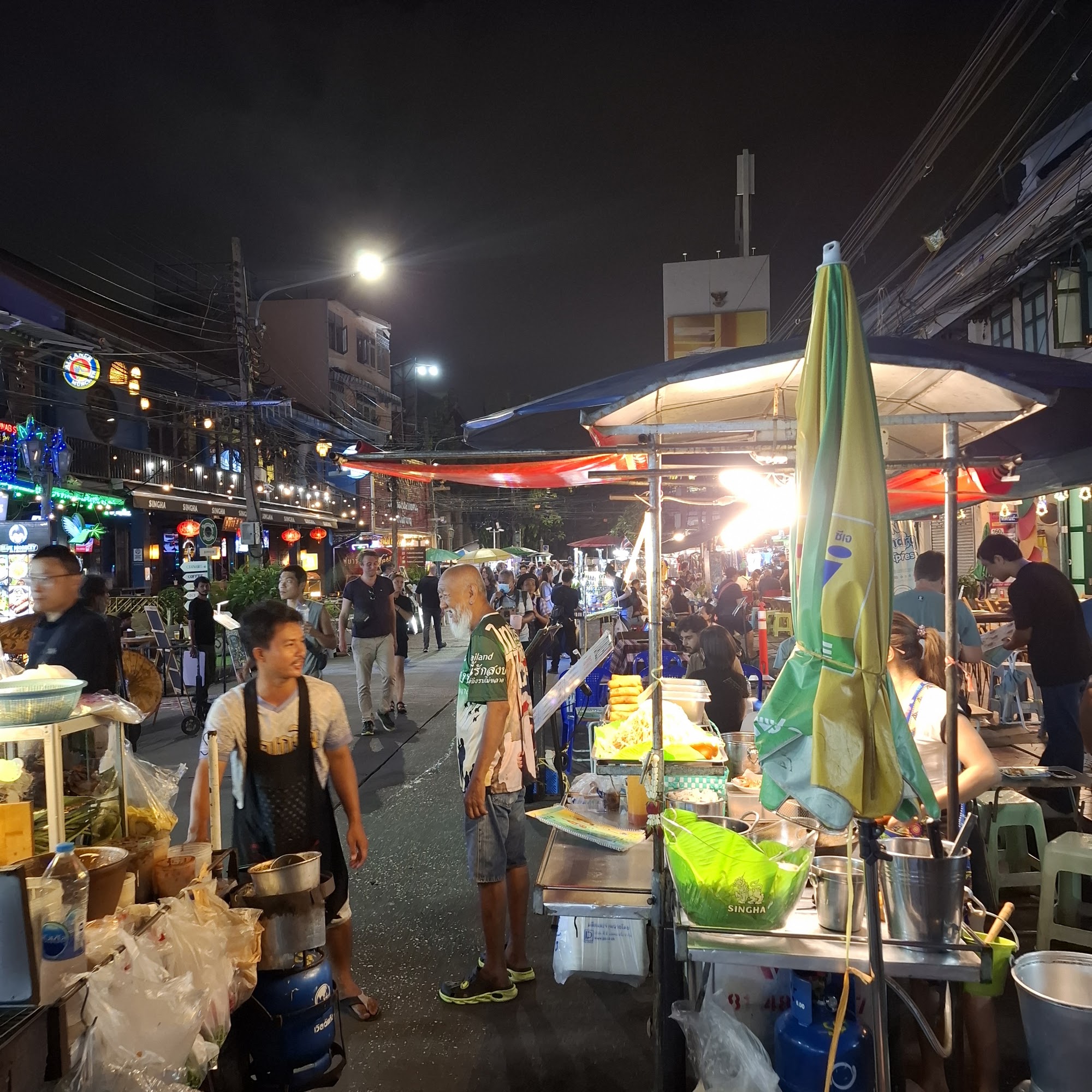
    In Krabi the rainy season does not mean continuous rain: it means showers, sometimes heavy, often short. But it also means a rough sea, and therefore cancelled trips. You need a fallback plan.

    Understanding the rain

    From May to October the monsoon brings showers, often late in the day, sometimes whole grey days. Nothing is predictable in advance: you decide in the morning. Boat companies cancel when the sea is bad. Do not force it.

    Hot springs

    Krabi’s hot springs are arranged as pools and can be visited in any weather. In the rain the experience is even better: hot water and cool air. The activity best suited to a grey day.

    The emerald lagoon

    A swim in cool water in a forest setting, reached by a path usable in rain, with slippery passages. Bring shoes that grip.

    Tiger Cave temple

    The stairs can be climbed in rain, but become slippery and the view disappears in cloud. Best kept for a break in the weather.

    Cooking classes

    A Thai cooking class fills half a day, under cover, and ends with a meal. Ideal in rain, and it suits adults and children.

    Massages

    A traditional Thai massage in a serious place is an hour under cover and a good remedy for humidity. Avoid noisy tourist addresses.

    Cafés and restaurants

    Many cafés welcome you with a book or a laptop: the moment to slow down and plan. Seafood restaurants stay busy even in rain.

    Markets

    Krabi Town’s markets are often covered and work in any weather: cheap food and local life continuing despite the rain.

    Cinema and malls

    A cinema and air-conditioned malls offer a refuge for an afternoon. Not the most memorable experience, but effective.

    #Thailand #Krabi #MrSchaka

    Caves

    Some regional caves are visited with a guide and offer natural shelter. Check access conditions: water can make passages impassable.

    Trips when the sea allows

    When the break comes, take it: boats go out again and sites are quieter than in high season. Light is often beautiful after a shower.

    What to pack

    A poncho or waterproof jacket, shoes that grip, a dry bag for phone and documents. An umbrella works in town, not on a boat.

    Safety

    Do not go to sea when it is rough, do not walk a flooded path, avoid swollen rivers. Storms can be violent and lightning dangerous. Roads may flood: check before taking a scooter.

    FAQ

    Does the rainy season spoil a trip?

    Not if you accept reorganising: land activities work well.

    Can you swim in the sea?

    Yes when calm, but avoid swell days and respect the flags.

    Are trips cancelled?

    Some, depending on the sea. Ask the same morning.

    Should I book ahead?

    Less necessary in low season.

    Wettest month?

    September and October are usually the wettest.

    Also read

    Cover of Krabi, Koh Phi Phi and Koh Lanta – The Practical Guide

    To go further

    Mr Schaka’s guidebook, Krabi, Koh Phi Phi and Koh Lanta – The Practical Guide, covers the essentials: transport, neighbourhoods, addresses, food, etiquette and safety, updated for 2026–2027.

  • How to travel Thailand on a small budget?

    How to travel Thailand on a small budget?

    Thailand has a reputation for being cheap, and it is — but not everywhere and not for everything. A trip can cost three times more depending on choices: a hotel instead of a guesthouse, a tourist restaurant instead of a market, a domestic flight instead of a night train.

    The three costs

    Accommodation, transport and meals concentrate the spending. Acting on these three easily halves a budget. Activities can be almost free: temples, parks, markets and beaches cost nothing or little.

    Accommodation

    Guesthouses and hostels offer simple rooms at very low prices, especially outside tourist areas. In secondary towns, prices drop further. Book the first nights, then decide on site: negotiating in low season often beats online rates.

    Meals

    Street food is the best deal in the country: a full dish costs the price of a coffee in Europe. Markets, food courts and local restaurants are cheapest. Avoid tourist-street restaurants and five-language menus.

    Transport

    Local buses, third-class trains and songthaews are very affordable. Night trains also save a hotel night. Low-cost domestic flights can be cheaper than a bus, if booked ahead and travelling light.

    Activities

    Temples, parks, markets and beaches are free or nearly. Organised tours, diving and animal parks are the expensive items. Choose one paid activity per stop.

    The season

    Travelling in low season, May to October, saves on accommodation, often half. The trade-off: showers and sometimes rough seas. High season, November to February, is pricier but more reliable.

    Water and drinks

    Bottled water is cheap, but the bottle has an ecological cost. A refillable bottle and the growing number of refill stations save money. Alcohol is taxed: it is one of the items that most inflates a bill.

    The SIM card

    A local SIM costs little and avoids roaming fees. Useful for ride apps and offline maps.

    Costly mistakes

    Booking everything in advance from abroad, changing money in tourist areas, renting a scooter without a licence and paying the fine, or taking a taxi on arrival instead of the bus. Each represents several days of budget.

    #Thailand #Budget #MrSchaka

    Daily budget

    A frugal traveller can manage on a modest daily budget, sleeping in guesthouses, eating local and using public transport. Comfort increases with budget, but not proportionally.

    Money

    ATMs charge fixed fees, often high: withdraw larger sums less often. Cards work in hotels, less on markets. Keep cash for transport and food.

    Haggling

    Customary in markets and for untariffed rides, but not in shops or restaurants. A smile and a reasonable counter-offer suffice. Do not haggle a street meal: the price is already fair.

    FAQ

    What daily budget?

    Depends on the comfort wanted: a frugal trip costs a fraction of a hotel stay with tours.

    Travel without booking?

    Yes in low season, no in high season and during festivals.

    Are trains comfortable?

    Third class is spartan but lively; a sleeper is more comfortable.

    Need a bank card?

    Useful for withdrawals and hotels, insufficient on markets.

    Tipping?

    Not compulsory; people sometimes round up.

    Also read

    Cover of Bangkok – The Practical Guide

    To go further

    Mr Schaka’s guidebook, Bangkok – The Practical Guide, covers the essentials: transport, neighbourhoods, addresses, food, etiquette and safety, updated for 2026–2027.
  • Where to see the sunrise in Thailand?

    Where to see the sunrise in Thailand?

    Watching the sun rise is one of the most accessible pleasures of a Thai trip: get up early and choose the right place. But not every viewpoint is equal, and some hours are better than others.

    Why sunrise rather than sunset

    Morning light is softer, the air cooler and places much emptier. On archaeological sites the orientation is often designed for the rising sun: Khmer temples face east. It is also when wildlife is active.

    In the Isan: Phanom Rung

    Built on an extinct volcano and oriented to catch morning light. Several times a year the sun passes through the fifteen aligned doorways. Even outside those dates, climbing at dawn is one of the country’s best experiences.

    In the north: Phu Chi Fa

    A promontory near the Lao border, famous for its sea of mist at sunrise. Climb before dawn, wait, and the clouds tear slowly over the valley. Bring warm clothes: winter nights are cold at altitude.

    Doi Inthanon

    The country’s highest peak offers sunrises above the clouds. Access by car or organised tour, very early. The road is long and winding.

    The east coast

    On the Gulf, the sun rises over the sea: Koh Samet, Koh Pha Ngan or the Prachuap coast offer direct views. On the Andaman, the sun sets over the water and rises behind the hills.

    Bangkok

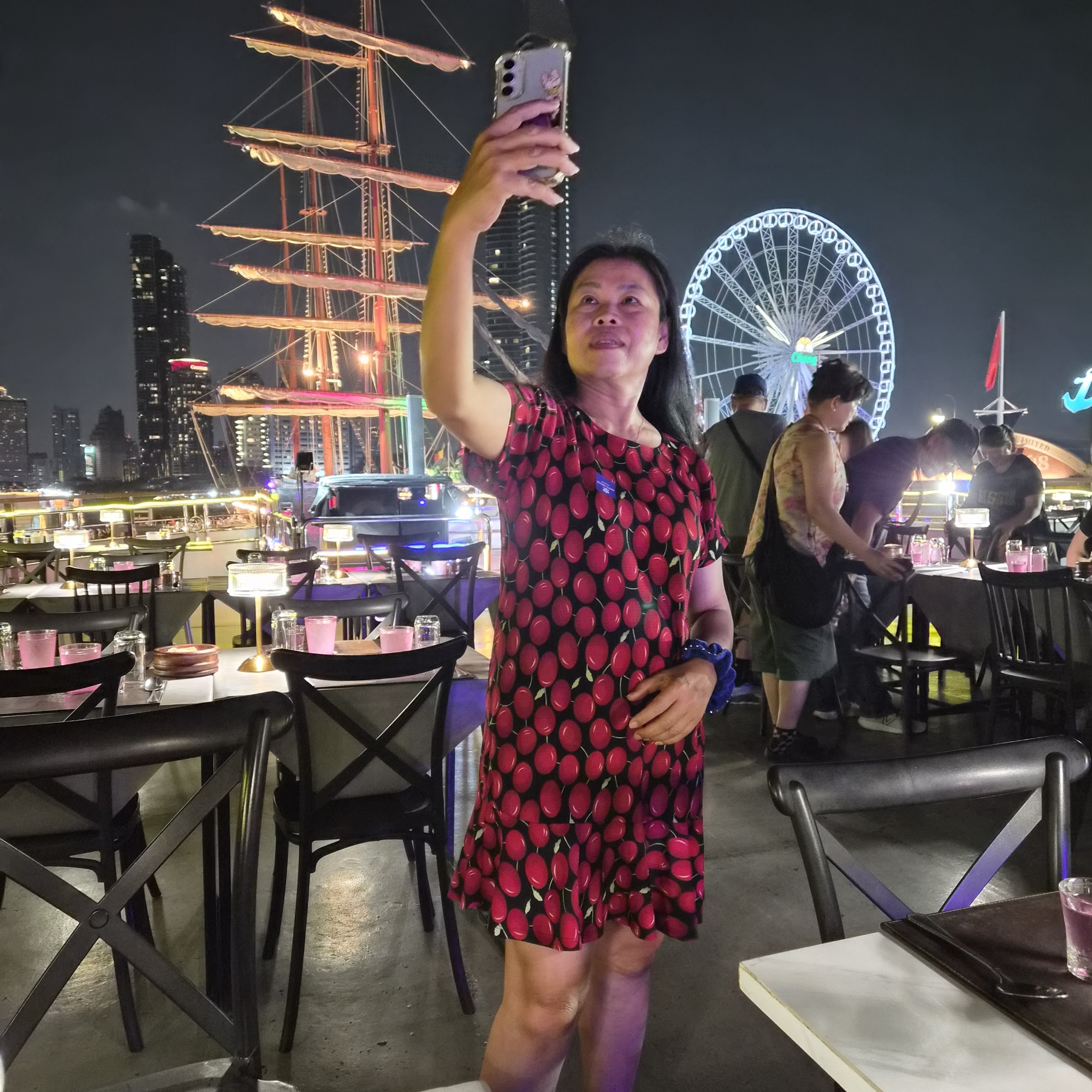
    From a rooftop or a bridge over the river, sunrise over Bangkok is spectacular: the city clears, towers light up, the Chao Phraya turns warm. Parks open early as a free alternative.

    Krabi and Railay

    The cliffs catch morning light, and you can watch the day break over the bay from the west beaches. Boat trips leave early, which allows combining.

    Sukhothai

    The historical park at sunrise, with monks passing between the ruins, has a very particular atmosphere and beautiful light on the Buddhas.

    Lakes and rivers

    Khao Sok, with its limestone peaks and mist on the water, gives sunrises over the lake. Same on the Mekong at Nong Khai or Chiang Saen.

    #Thailand #Sunrise #MrSchaka

    The exact hour

    The sun rises early in Thailand, often between five and six depending on season and region. Arrive thirty to forty minutes before. Weather apps give the precise time.

    What to prepare

    Headlamp, warm layer, water, transport arranged the night before. On natural sites, roads are unlit and car parks fill.

    Mistakes to avoid

    Arriving after sunrise. Forgetting that some sites are closed at night. Counting on a taxi found on the spot. And underestimating the cold at altitude.

    FAQ

    Best place?

    Phu Chi Fa for mist, Phanom Rung for archaeology, the east coast for the sea.

    Should I book?

    For sunrise tours, yes, the day before.

    Can you go alone?

    Yes, with a vehicle and a lamp, checking opening hours.

    Which season?

    The dry season, November to February, offers the clearest skies.

    With children?

    Doable, but the very early start is hard for the youngest.

    Also read

    Cover of Isan – The Practical Guide

    To go further

    Mr Schaka’s guidebook, Isan – The Practical Guide, covers the essentials: transport, neighbourhoods, addresses, food, etiquette and safety, updated for 2026–2027.

  • What to do in Pattaya with children?

    What to do in Pattaya with children?

    Pattaya has a reputation that puts some parents off, unfairly: the city has a real family side, if you know where to go. Families gather in Jomtien and on the northern beaches, away from the centre, and there is plenty for children to do.

    Beaches

    Jomtien, to the south, is the most family-friendly: long, lined with restaurants, shallow in parts, with supervised water activities. Wong Amat, to the north, is quieter and more residential. The central beach is livelier and less suited to small children.

    Koh Larn

    Forty minutes by boat, with clearer and calmer beaches. The most popular day trip, and it works well with children. Leave early, bring water and sunscreen, check the last boat back.

    Water parks

    Several parks with slides, wave pools and children’s areas: the best activity when it is too hot for the beach. Allow a full day.

    Aquariums

    An aquarium with marine tanks and an underwater tunnel, which children love. Covered, practical in rain or extreme heat.

    Attractions

    Miniature villages, themed gardens, glass museums, shows. Some are very touristy, others genuinely good. Two or three are enough, alternating with the beach.

    The Sanctuary of Truth

    An all-wood temple under construction for decades, with giant carvings. Spectacular and suitable for children, but avoid the hot hours: there is no shade.

    Markets

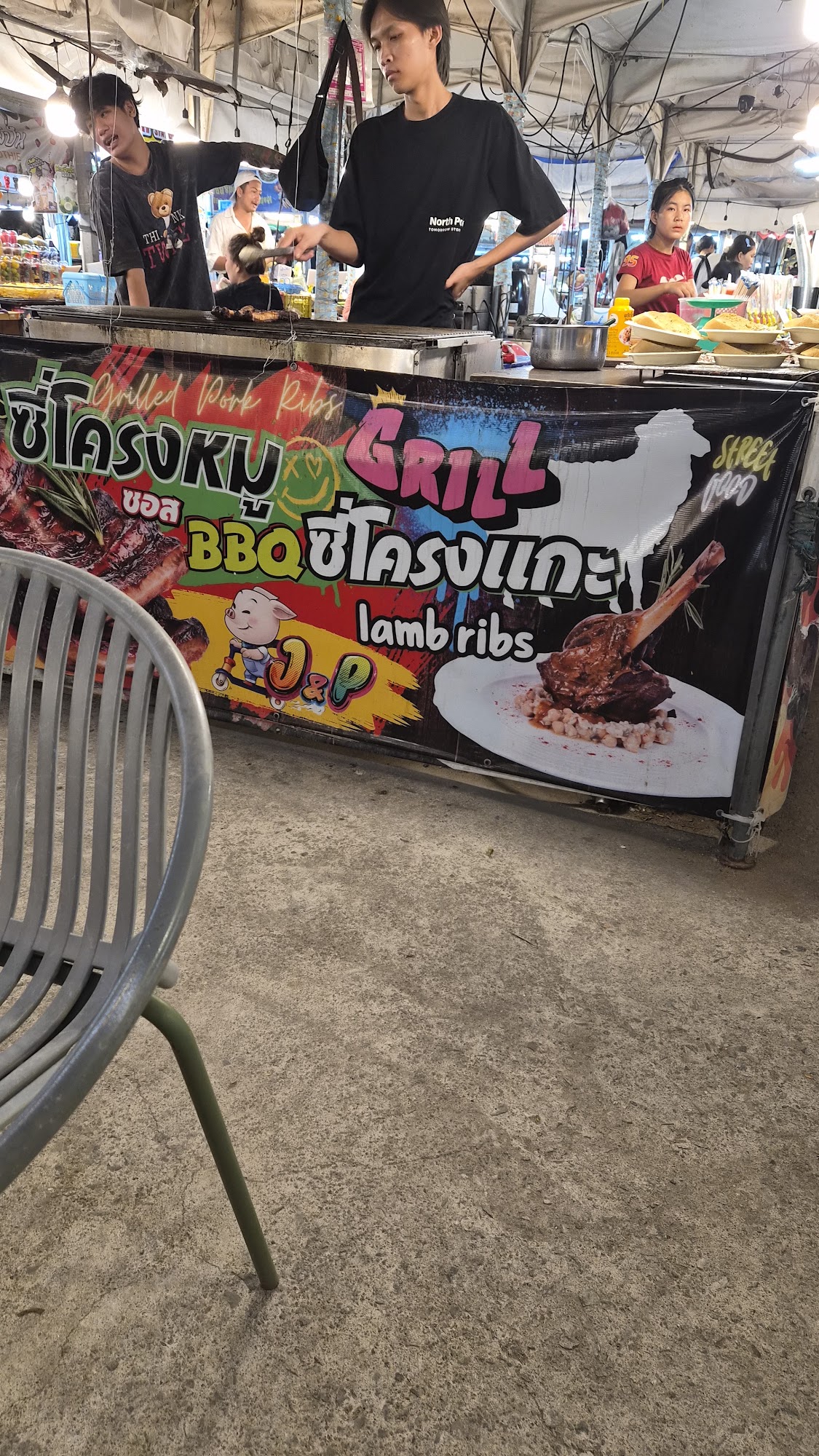
    Night markets offer food, clothes and souvenirs: lively, loud, and children find ice cream and skewers. The floating market is more artificial but convenient.

    Getting around

    Baht-buses, the blue pick-ups, act as shared taxis and cost little. For excursions, a car with driver is more comfortable than a scooter.

    Where to stay

    Jomtien concentrates family hotels with pools and restaurants. The north is quieter and pricier; avoid the centre if you want calm.

    #Thailand #Pattaya #MrSchaka

    Heat

    Hot all year. Do activities early or late, and keep the hot hours for water parks or covered activities.

    Budget

    Affordable: accommodation, restaurants and transport stay moderate. Attractions and water parks are the main cost.

    Mistakes to avoid

    Booking in the centre and hoping for calm. Not checking the hotel’s nature. Underestimating distances. And thinking Pattaya is one street: the city is much larger.

    FAQ

    Is Pattaya good for families?

    Yes, especially Jomtien and the north coast.

    How long to stay?

    Three or four days to combine beach, Koh Larn and attractions.

    Without a car?

    Yes, baht-buses and ride apps suffice.

    Hospitals?

    Yes, well equipped, including international clinics.

    When to come?

    November to February: more bearable heat and calmer sea.

    Also read

    Cover of Pattaya – The Practical Guide

    To go further

    Mr Schaka’s guidebook, Pattaya – The Practical Guide, covers the essentials: transport, neighbourhoods, addresses, food, etiquette and safety, updated for 2026–2027.