Responsible travel in Thailand does not mean giving up the pleasure of travelling: it means making a few simple choices that protect animals, the sea and the people who welcome us. After long stays between Bangkok and Isan, I have picked up habits that cost almost nothing and make a real difference. Here is how to enjoy responsible travel in Thailand, without guilt and without making life complicated.
Elephants: choose a sanctuary with no riding
The elephant is the symbol of the country, and it is also the animal that suffers most from tourism. For an elephant to accept being ridden, doing tricks or painting, it has usually been trained very harshly when young. Animal welfare organisations therefore advise against elephant rides, shows and painting sessions.
Increasingly, they also advise against bathing with elephants and close contact, even in places that call themselves “sanctuaries”: these activities are still a form of show and a risk for the animals as well as for visitors. A good place is one where you watch the elephants from a distance as they walk, eat and bathe among themselves, with a limited number of visitors.
Before booking, I ask myself three questions: are the elephants ridden there? Are they made to play or bathe with tourists? Are there babies presented as an attraction? If the answer to any of them is yes, I move on. And to see truly wild elephants, the most beautiful option is still a national park, such as Khao Yai National Park, with a ranger or guide, at a safe distance.
The same logic applies to other animals: no photos with a tiger, a monkey on a lead or a slow loris, no crocodile or monkey shows.
Plastic and water
In Thailand, you drink bottled or filtered water, not tap water. Over a stay of several weeks, that quickly adds up to dozens of bottles. My simple habits:
- I carry a sturdy water bottle and refill it at the filtered water dispensers in my guesthouse or hotel, or at the water vending machines found in many neighbourhoods and villages, for a few baht.
- Since 2020, the big store chains no longer hand out free plastic bags. I keep a foldable cloth bag in my backpack.
- At the market and in the street, I say “mai ao toong” (I don’t want a bag) or “mai ao lot” (no straw) when I don’t need one.
- For takeaway coffee or juice, I use my own cup when I can.
These are not heroic gestures, but repeated over a month they avoid a real little pile of waste.
Respecting temples and monks
Temples are not museums: they are places of prayer and daily life. I go in with my shoulders and knees covered, take off my shoes when required, speak quietly and do not point my feet towards a Buddha image or a monk. I never climb on a statue for a photo and I do not turn my back on a Buddha for a selfie as if it were a backdrop.
With monks, a few simple rules: a woman should not touch them or hand them an object directly from hand to hand; you place the object in front of them or pass it through a man. On public transport, you give up your seat to them. If you watch the morning alms round, stay discreet, do not push your camera in their faces, and only take part if you do it respectfully, not for the photo. I have gathered these customs in my article on etiquette in Thailand.
Getting around differently
Domestic flights are convenient and cheap, but they are not always necessary. The country has a good train and bus network, and it is a wonderful way to see the landscape:
- The night train between Bangkok and Chiang Mai replaces a flight and a night in a hotel. Sleeper berths can be booked in advance on the official website of the State Railway of Thailand, the SRT, especially in high season.
- Buses and minibuses link almost every town, including to the ports for the islands.
- In Bangkok, the Skytrain, the underground metro and the river boats are fast, cheap and avoid the traffic jams.
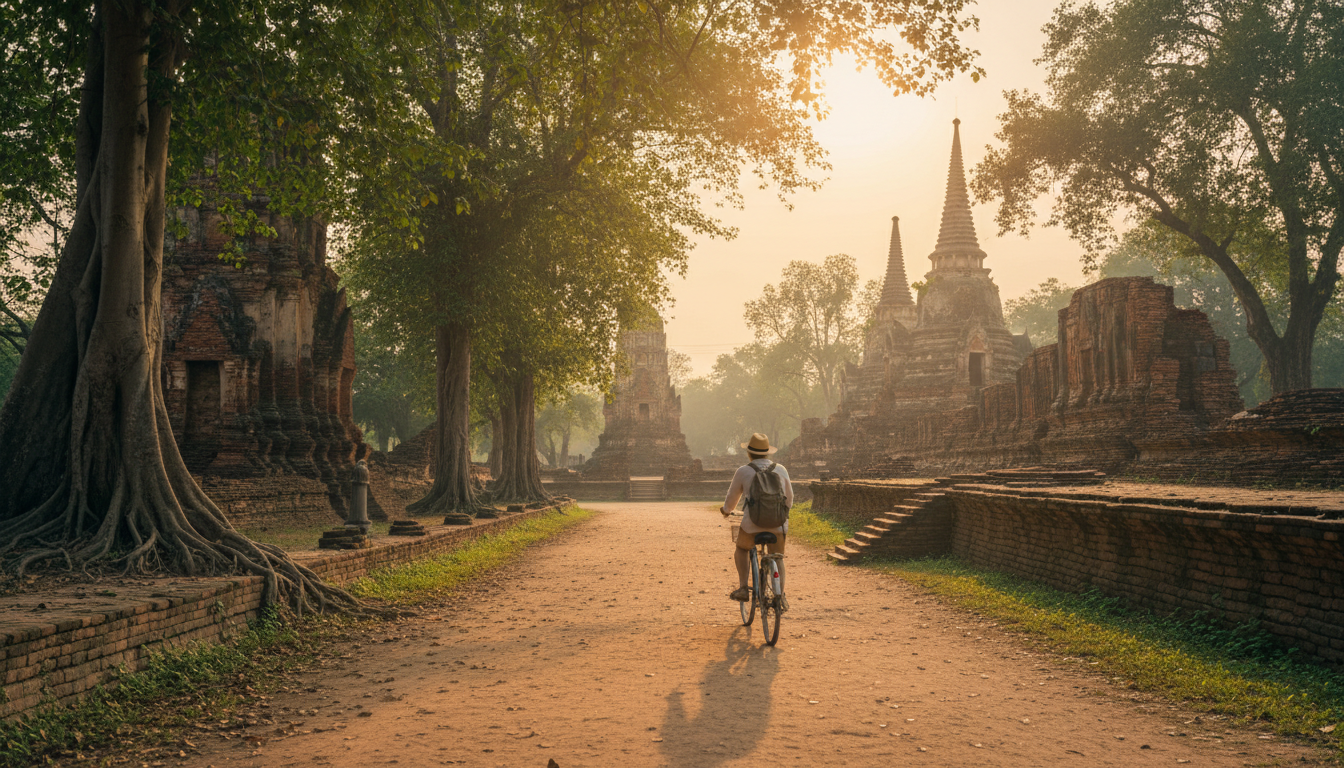
- Once there, I hire a bicycle when the town suits it, and I walk a lot.
Fewer flights also means more time spent on the ground, in towns you would not have seen otherwise.
The sea, corals and marine life
Thai reefs are fragile and have already suffered from warm water and overcrowding. Several rules exist to protect them. In marine national parks, sunscreens containing certain substances considered toxic to corals are banned: oxybenzone, octinoxate, 4-methylbenzylidene camphor and butylparaben. The fine can be up to 100,000 baht. So I choose a sunscreen without these ingredients, and I wear a UV shirt to use less of it.
When snorkelling or diving, I do not touch the corals, do not stand on them, do not feed the fish and do not collect shells or pieces of coral. Some sites close every year to let nature rest: the famous Maya Bay, for example, is closed roughly from August to the end of September, and several marine parks close during the monsoon. Check the dates before you go. To choose your destination, my article on which island to choose in Thailand can help.
I also prefer small-group trips with operators who explain the rules before you get in the water, rather than crowded boats that rush through five islands in a day.
Supporting the local economy
Responsible travel is also about making sure the money you spend stays in the country and with families. It is not complicated:
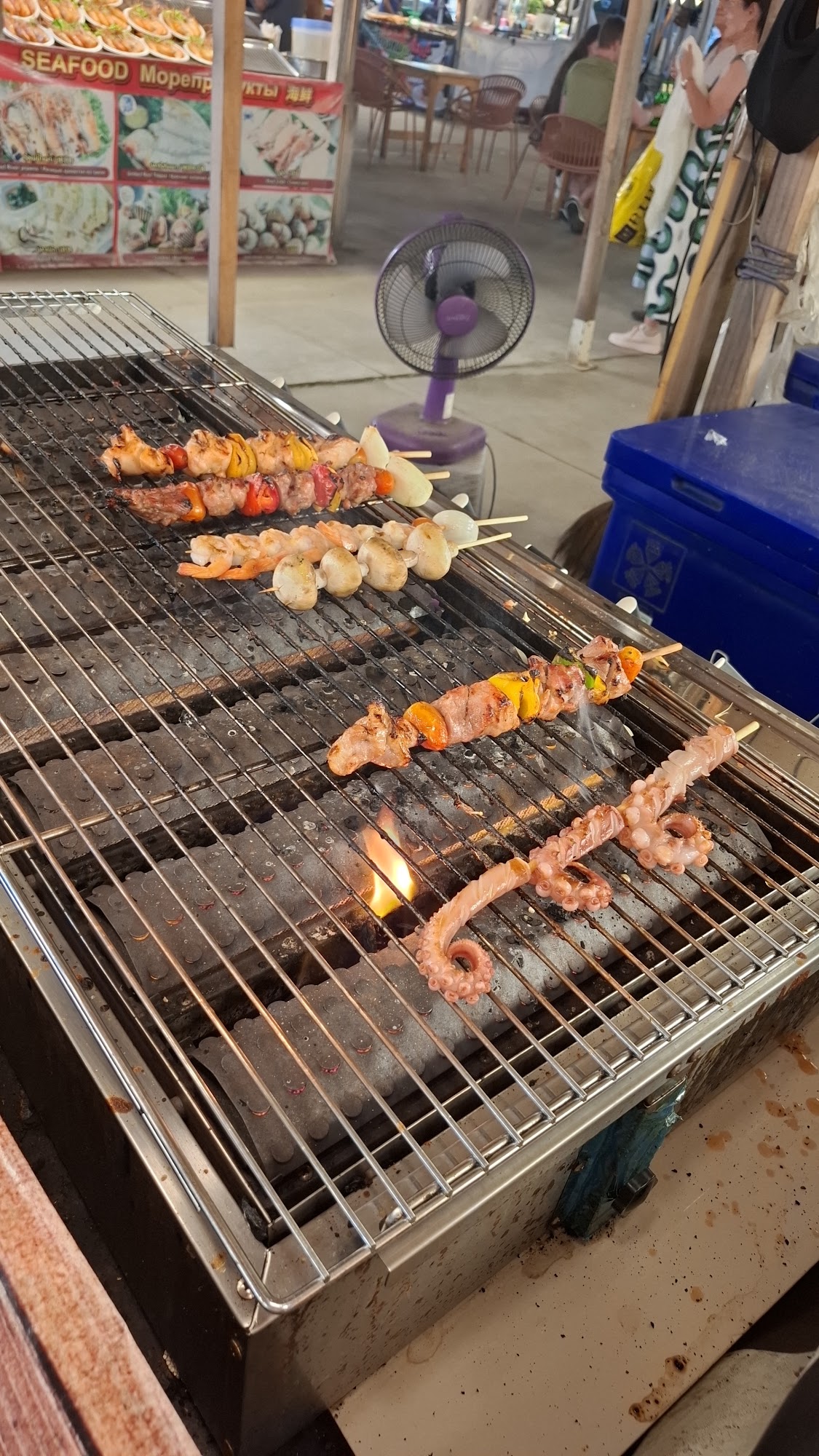
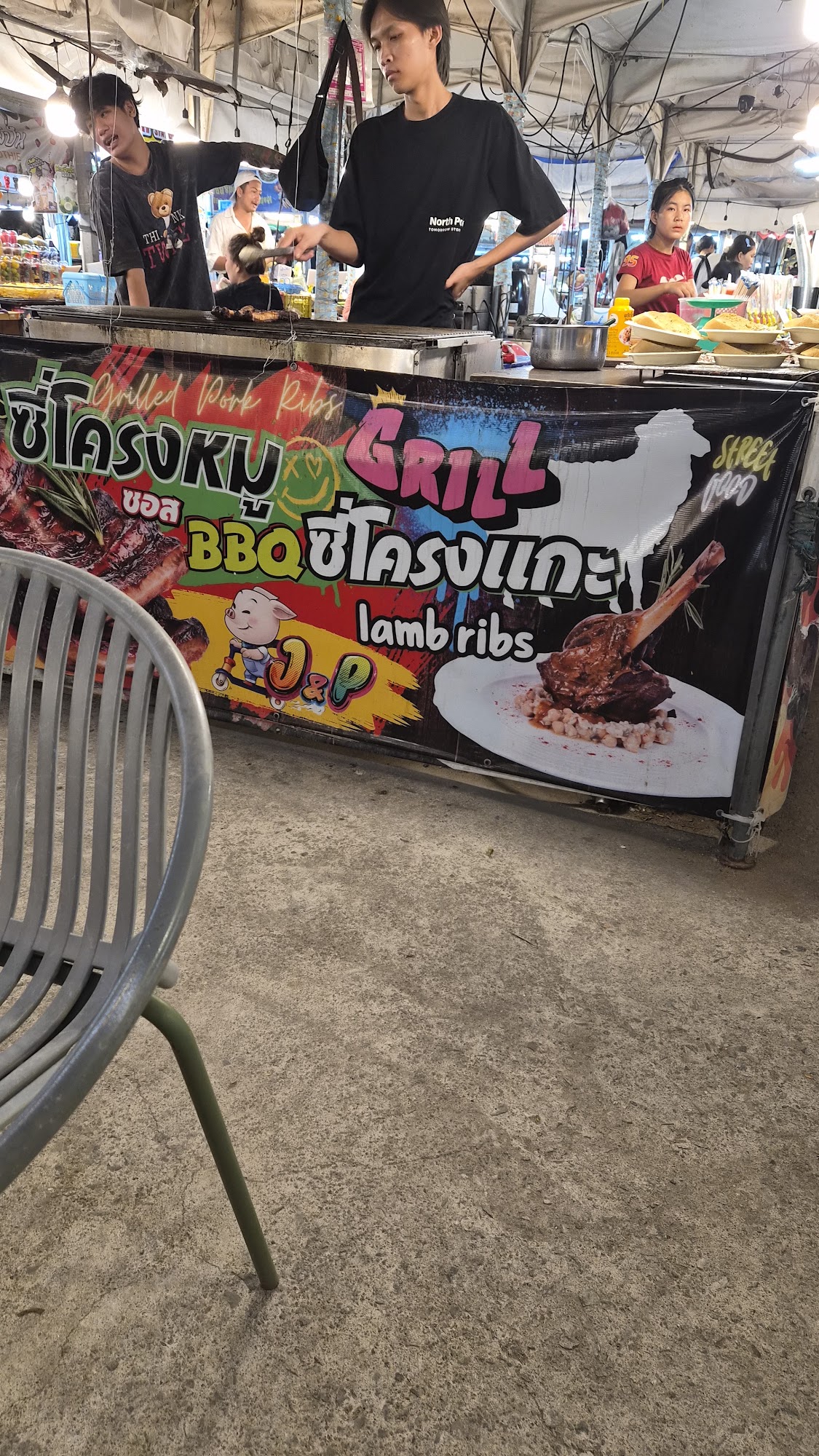
- I eat at street stalls, small canteens and markets. It is often better, and the money goes straight to the people who cook.
- I sleep in family-run guesthouses or community homestays, especially in the countryside.
- I buy crafts directly from the makers or at village markets, rather than mass-produced souvenirs.
- I use local guides for treks and village visits.
- I bargain with a smile and without going too far: a few baht matter more to the seller than to me.
My practical tips
- No rides, shows or bathing with elephants: choose an observation-only venue.
- Take a water bottle and a cloth bag from day one.
- Pack clothes that cover your shoulders and knees for temples.
- Women: do not touch a monk or hand him anything from hand to hand.
- Take the train or bus when the journey allows.
- Buy a sunscreen without oxybenzone or octinoxate before going to a marine park.
- Do not touch corals or marine animals, and check park closure dates.
- Eat, sleep and shop local.
Frequently asked questions
How can I tell whether an elephant sanctuary is truly ethical?
An ethical venue offers no riding, no shows and no bathing with tourists. You watch the animals from a distance, in a small group, and visits are not sold as contact with elephants.
Can you drink tap water in Thailand?
It is not recommended. Use the filtered water at your accommodation or the neighbourhood water vending machines to fill your bottle.
Which sunscreen should I take to the islands?
One without oxybenzone, octinoxate, 4-methylbenzylidene camphor or butylparaben, as these substances are banned in marine national parks. Read the ingredient list, not just the “reef safe” label.
Does responsible travel cost more?
Not necessarily. Trains, street stalls and family guesthouses are often cheaper than the alternatives. Only some ethical activities, such as a genuine elephant sanctuary, cost a little more, and that is fair.
To go further
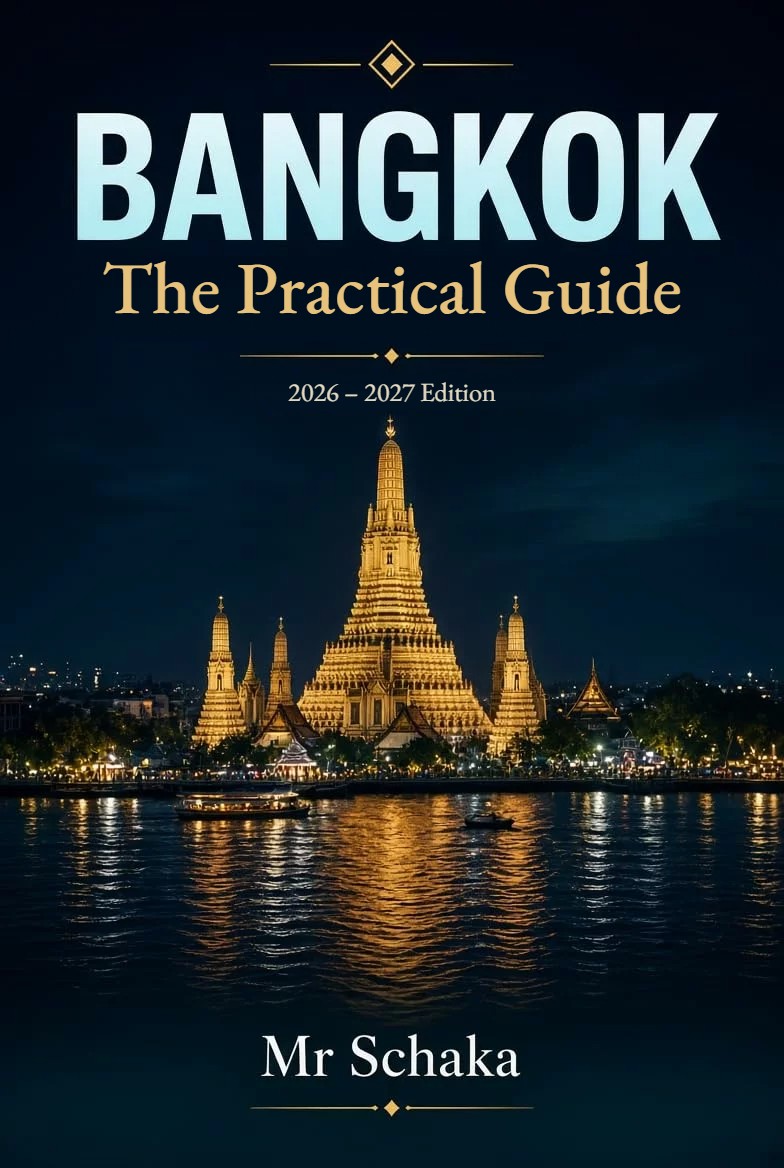
Mr Schaka’s guidebook, Bangkok – The Practical Guide, covers the essentials: transport, neighbourhoods, addresses, food, etiquette and safety, updated for 2026–2027.