Chiang Mai Old City is best explored at a slower pace. Inside the former moat, temples, shopping streets, homes and small cafés share a compact but rich area. The goal is not to tick off every stop; it is to see how Lanna heritage, Buddhist practice and contemporary life meet in a lived-in neighbourhood.
Reading the city’s shape
The moat and traces of old walls recall Chiang Mai’s plan. Founded in the late thirteenth century as the capital of the Lanna Kingdom, the city still uses historic gates such as Tha Phae Gate as landmarks. They are not isolated scenery: traffic, shops and ceremonies continue around them. Walk along one stretch of the moat and enter through a gate that suits your route. Morning light is gentle and the heat easier. Download an offline map and choose a few places. Not every street is shaded, pavements can be interrupted and scooters require attention.
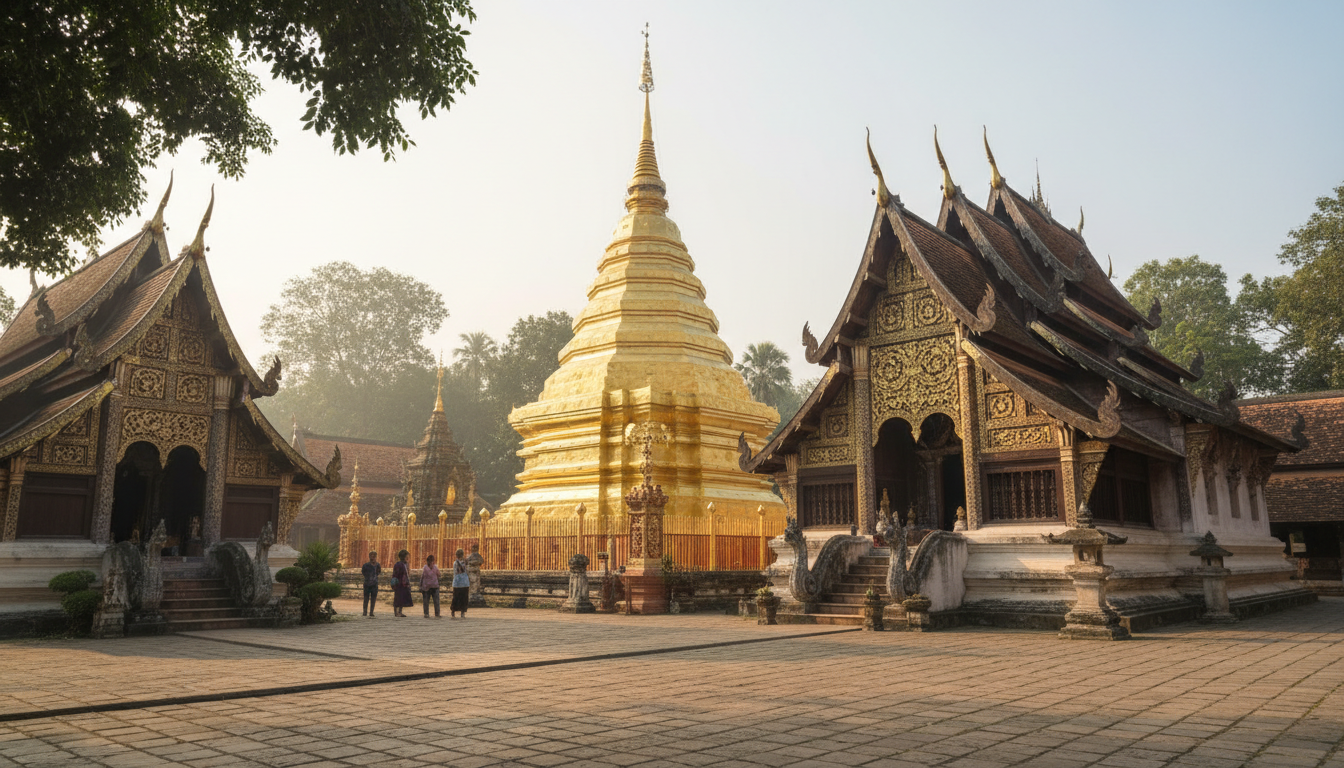
Choose a few temples
Wat Phra Singh is among the best-known temples and shows forms of Lanna religious art. Wat Chedi Luang, with its large chedi, offers another view of the city’s history. Wat Phan Tao is admired for wooden features and its courtyard. Choose two or three and notice details rather than racing through a list.
Temples are active places of worship. Cover your shoulders and knees, remove shoes when asked and keep your voice low. Some areas are reserved for worshippers or have specific rules. Follow signs, ask before photographing people and do not block doorways. Read available information or ask a guide how the temple functions today. Donations are voluntary and can go through official boxes.
Lanes and daily life
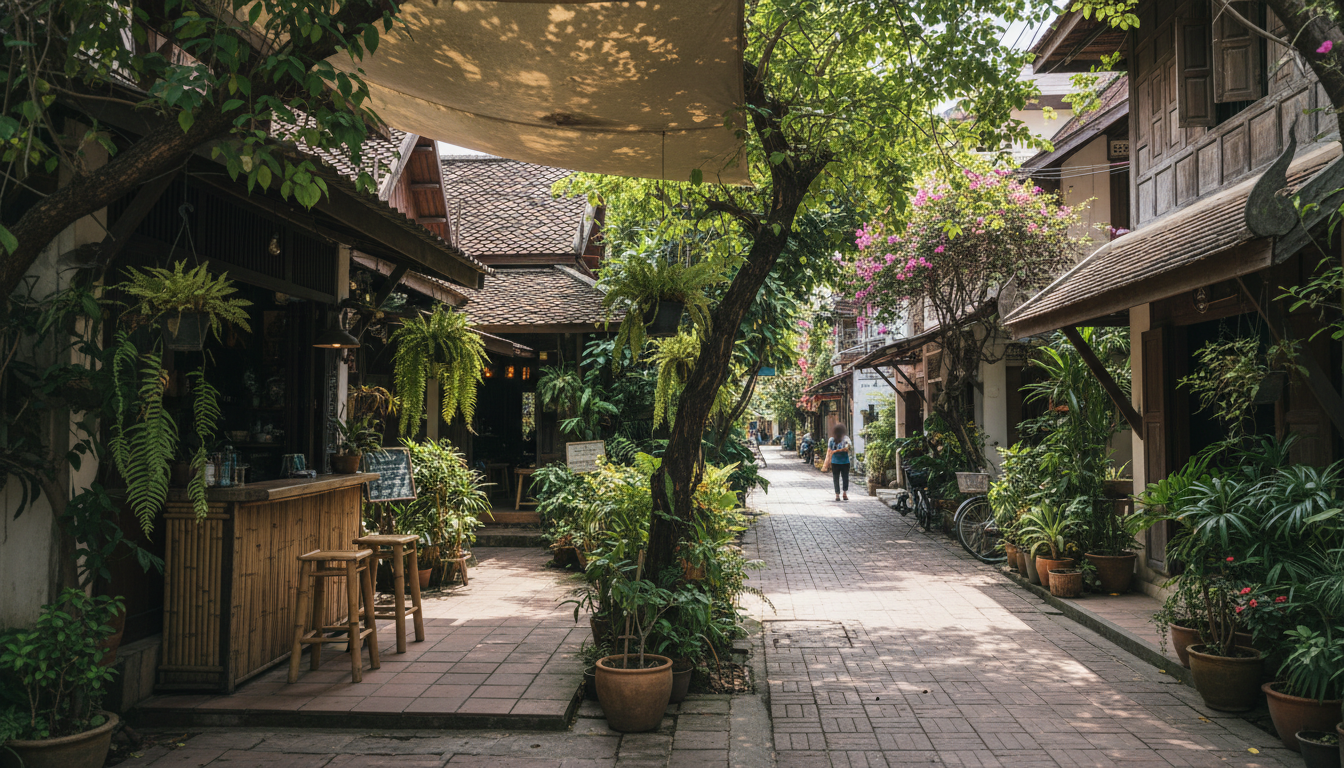
The lanes contain workshops, homes, schools and local businesses. A photogenic street is not necessarily public space. Do not enter courtyards, photograph residents through gates or leave litter. For coffee or a meal, choose a place and sit without disturbing the neighbourhood.
Markets have different schedules. The Sunday market on Ratchadamnoen Road is associated with the weekend, but operations can vary. Check local information. Vendors sell food, crafts and everyday goods: ask prices politely and do not handle fragile items without permission.
A flexible route
For a first visit, start near a historic gate, walk to a temple using side streets and pause at a café. Visit a second temple early or late in the day, then return by another side of the moat. Allow three to five hours depending on breaks and heat. With only an hour, stay in one compact area rather than crossing the whole old city.
With children, bring water, plan shaded breaks and pick an easy meeting point. Visitors with mobility needs can ask about transport to the closest entrance; access varies, and temple steps cannot always be avoided.
Heat, rain and culture
Bring water, a hat, sun protection and comfortable shoes. In the rainy season, surfaces get slippery and showers can arrive quickly. Check the weather and keep a backup plan. Tuk-tuks, taxis and ride apps connect more distant areas; confirm fare and destination before leaving. If renting a bicycle, check the brakes and make sure you are comfortable with local traffic.
Lanna is a complex historical and cultural heritage, not just a decorative style. Chiang Mai is a contemporary city where traditions evolve. Avoid reducing it to costumes, dances or a frozen image. Compare explanations at temples and museums, ask respectful questions and support local activities directly. Ask before photographing vendors, monks or craftspeople; do not stage a ritual for social media.
Food and breaks
Thai restaurants, stalls and cafés are plentiful. Try a northern dish if you wish, ask about spice and mention allergies clearly. Small businesses have changing schedules, so keep another option nearby. Sitting down helps you recharge and observe the area. A reusable bottle and respect for queues improve the visit.
Reading the city on foot beyond the monuments
A map helps with orientation but may not show pavement conditions or shade. Identify main streets, then allow time for detours around shops, construction and busy roads. The moat is a useful boundary for understanding the centre, but it is not everywhere a continuous, comfortable walking route. Crossing busy roads takes patience. When the heat rises, an indoor break is better than extending the walk just to finish the loop. Check that your navigation app is not sending you through a private courtyard or restricted entrance.
Visitors interested in architecture can choose a theme: gates and fortifications, temples and carvings, or markets and crafts. A route does not need to be long to feel coherent. Pick two details to look for, such as roof patterns or how a temple courtyard is used, then leave room for discovery. This reduces the urge to check your phone at every junction. Photograph a useful map or sign, then put the screen away while crossing streets.
Following good temple etiquette
Before entering, check whether a ceremony is taking place and follow instructions about shoes, clothing and areas open to visitors. If a monk or worshipper is praying, keep your distance and stay out of their line of sight. Photographing a statue may be allowed in one place and restricted in another; read signs instead of assuming one rule applies everywhere. When sitting, avoid pointing your feet toward a Buddha image or people. These small gestures show consideration.
A temple is a community space with activities, donations and sometimes classes or ceremonies. You do not need to understand every ritual to behave appropriately. Observe quietly, do not touch ritual objects and avoid interrupting volunteers. If you have a question, wait for a suitable moment and ask simply. A local guide can explain differences between buildings or symbols; curiosity works best when it includes listening.
Exploring crafts and neighbourhoods
Chiang Mai is associated with several crafts, but the old city is not an open-air shop. Some workshops welcome visitors; others are private workplaces. Ask before entering, check whether a demonstration is planned and do not touch tools or works in progress. Buying directly from a maker can support their work; ask what is made on site and how it should be cared for. A souvenir need not be expensive: a postcard, small ceramic piece or local meal can be just as memorable.
The neighbourhood changes with the hour. Mornings are quieter and daily routines are more visible. Late afternoons bring more shoppers. Sunday evening draws visitors to walking streets; if you prefer calm, choose another time and return later for the market. At any hour, do not block entrances for photos and keep lanes clear for residents walking or riding scooters.
Adapting the route for your group
A visit with children works best with short stops and a clear place to rest. Temples may interest them through colour and animals, but they also need somewhere to drink and sit. Explain why voices stay low and why some moments should not be photographed. Older visitors or people with mobility needs should check step-free access and toilets before leaving. It may be better to choose one accessible temple and add a short vehicle ride than to insist on a long loop.
Groups of friends should agree on a shared pace. Some will want to read every panel; others will prefer a break. Choose a meeting point at a gate or familiar café and keep phones charged. If someone separates, exchange the hotel address and next stop. A flexible plan prevents frustration and lets everyone enjoy the neighbourhood.
Tasting Chiang Mai with curiosity
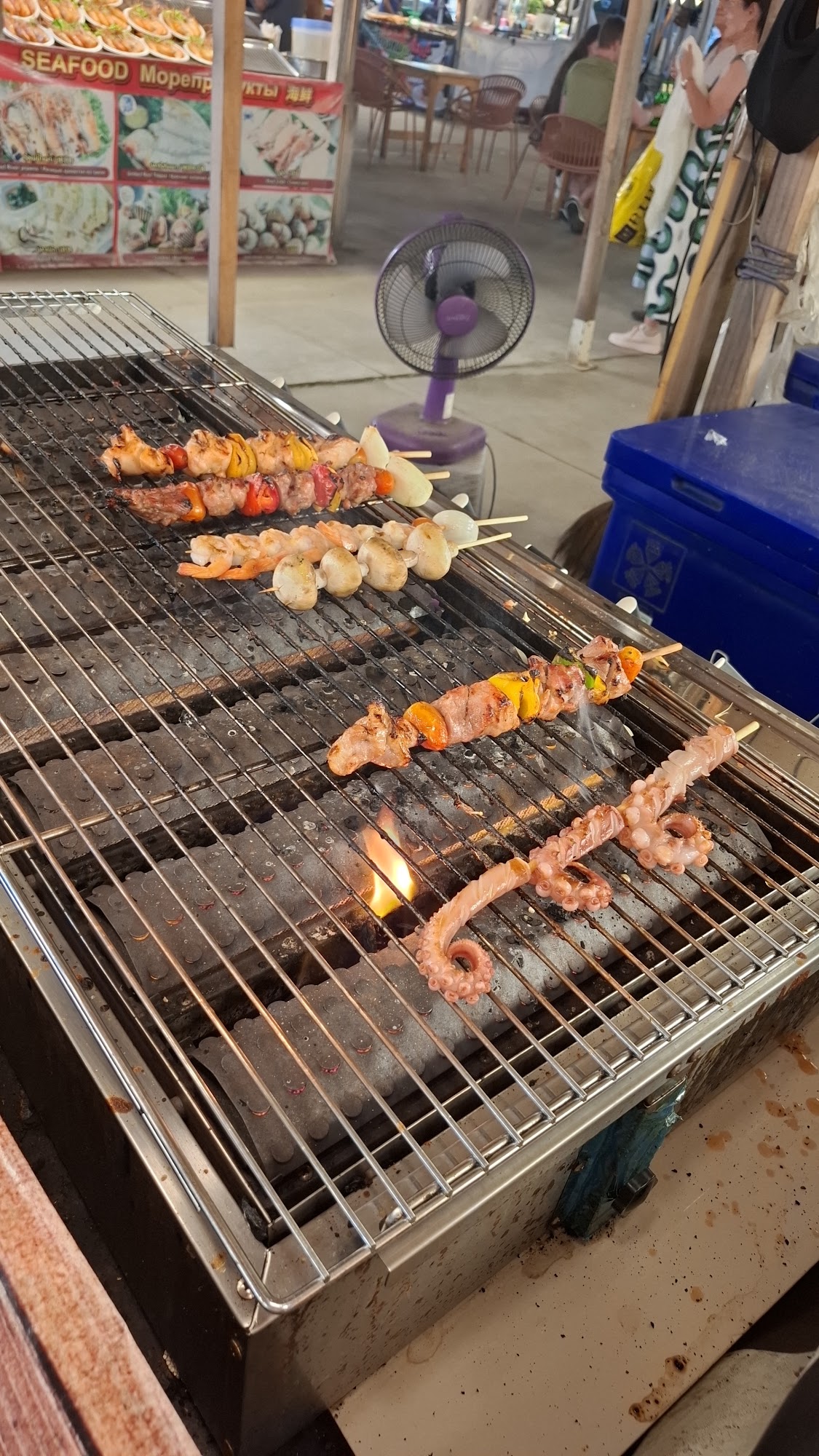
A meal can become an essential part of the walk. Northern dishes have varied flavours and textures; ask about ingredients and mention allergies. If you cannot tolerate chilli, say so clearly when ordering. Busy stalls may have a limited menu and service can take patience. Watch how local customers order, but let staff guide you. A cool drink and simple dish may feel better than a heavy meal during the hottest part of the day.
Markets are workplaces too. Ask before taking a close photograph of a person or stall. If buying something, avoid aggressive bargaining over a few baht. Carry your rubbish, do not feed animals around food stalls and keep a safe distance from motorbikes on nearby streets.
Returning at another time
A first walk often inspires another visit at a different time of day or year. The rainy season brings showers and dense greenery; cooler months can make walking easier, though conditions vary. Opening hours and ceremonies differ by site. Check before returning and do not treat an old recommendation as a guarantee. For a second visit, choose a neighbourhood or theme you did not have time to explore.
At the end of the day, note temple names and details that stayed with you. This helps you find reliable information later and recommend a place accurately. A helpful recommendation also mentions limitations: a street may be beautiful but noisy, a temple impressive but hard to access, or a market interesting but crowded. That honesty helps future visitors decide whether it fits their needs.
Making the walk your own
There is no single route that suits every visitor. Someone interested in religious architecture may spend half an hour in one temple, while another traveller may prefer a quick look and more time at a market. Build a short list of priorities, then leave open space between them. If a temple is preparing for a ceremony, change direction rather than treating the schedule as an obstacle. If rain begins, pause in a café and decide whether to continue. The best route is one that still feels comfortable at the end of the day.
Notice how the old city functions beyond its visitor landmarks. Residents use the same streets to reach work, school and shops. Keep entrances clear, step aside before checking a map and avoid blocking narrow lanes for group photographs. At busy intersections, wait for a safe crossing instead of following a crowd without checking traffic. If you rent a bicycle, use lights when visibility falls and park only where permitted. Small choices like these make the neighbourhood easier to share.
Planning a second visit
If you return, choose a different time or focus. Early morning can reveal a quieter rhythm around temples; evening brings food stalls and busier streets. A rainy afternoon might suit a museum or workshop, while a clear day makes a longer walk more appealing. Check current opening days rather than relying on an old itinerary. Keep notes on which places require more time than expected, where you found shade and how you travelled between areas. Those practical observations can make the next visit more relaxed and help you give specific advice to friends.
Noticing seasonal differences
At a return visit, compare the same street at another hour. Morning, afternoon and Sunday evening bring different patterns of light, activity and crowding. Record the day and time of a market recommendation so readers know that schedules can change. A short note about shade, seating and the walk between stops is more useful than claiming that every visitor will have the same experience.
Respectful recommendations
When recommending a temple, describe what you observed and avoid presenting a personal impression as a religious rule. Point readers toward posted instructions and official information for current access. This helps visitors arrive prepared while leaving space for the temple community to set its own guidance.
Frequently asked questions
How long should I plan?
A half-day covers a few places; a full day allows for markets, museums and breaks.
Which temples should I choose?
Wat Phra Singh, Wat Chedi Luang and Wat Phan Tao are common choices. Check access on the day.
Can I do everything on foot?
The centre is compact, but heat and pavements can be tiring. Combine walking with transport if needed.
What should I wear?
Cover shoulders and knees, remove shoes when asked and follow posted guidance.
Walk with curiosity
The old city rewards visitors who leave room for the unexpected: a carved detail, a small shop or a conversation can matter as much as a monument. Plan a flexible loop, choose a few places and respect residents and worshippers. Which temple or lane made you slow down? Share practical advice for the next visitor.
Sources
To go further
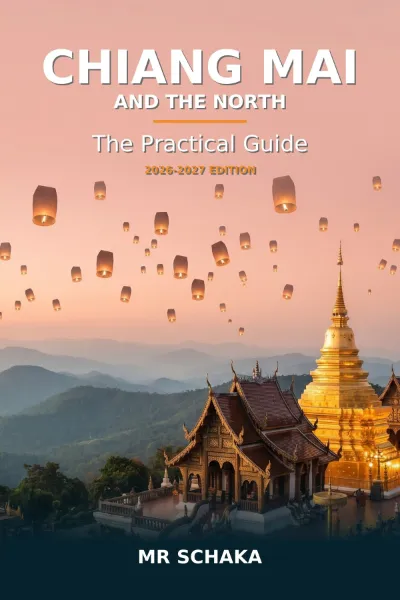
Mr Schaka’s guidebook, Chiang Mai and the North – The Practical Guide, covers the essentials: transport, neighbourhoods, addresses, food, etiquette and safety, updated for 2026–2027.