Koh Kret lies in Nonthaburi on the Chao Phraya River, north of Bangkok. A canal separated the land from the riverbank and created an island of small lanes, gardens and boat crossings. Visitors come for Mon pottery, temples and local food, but this is not an open-air museum. Families live and work here, and skills are passed on while adapting to everyday life.
Plan the crossing
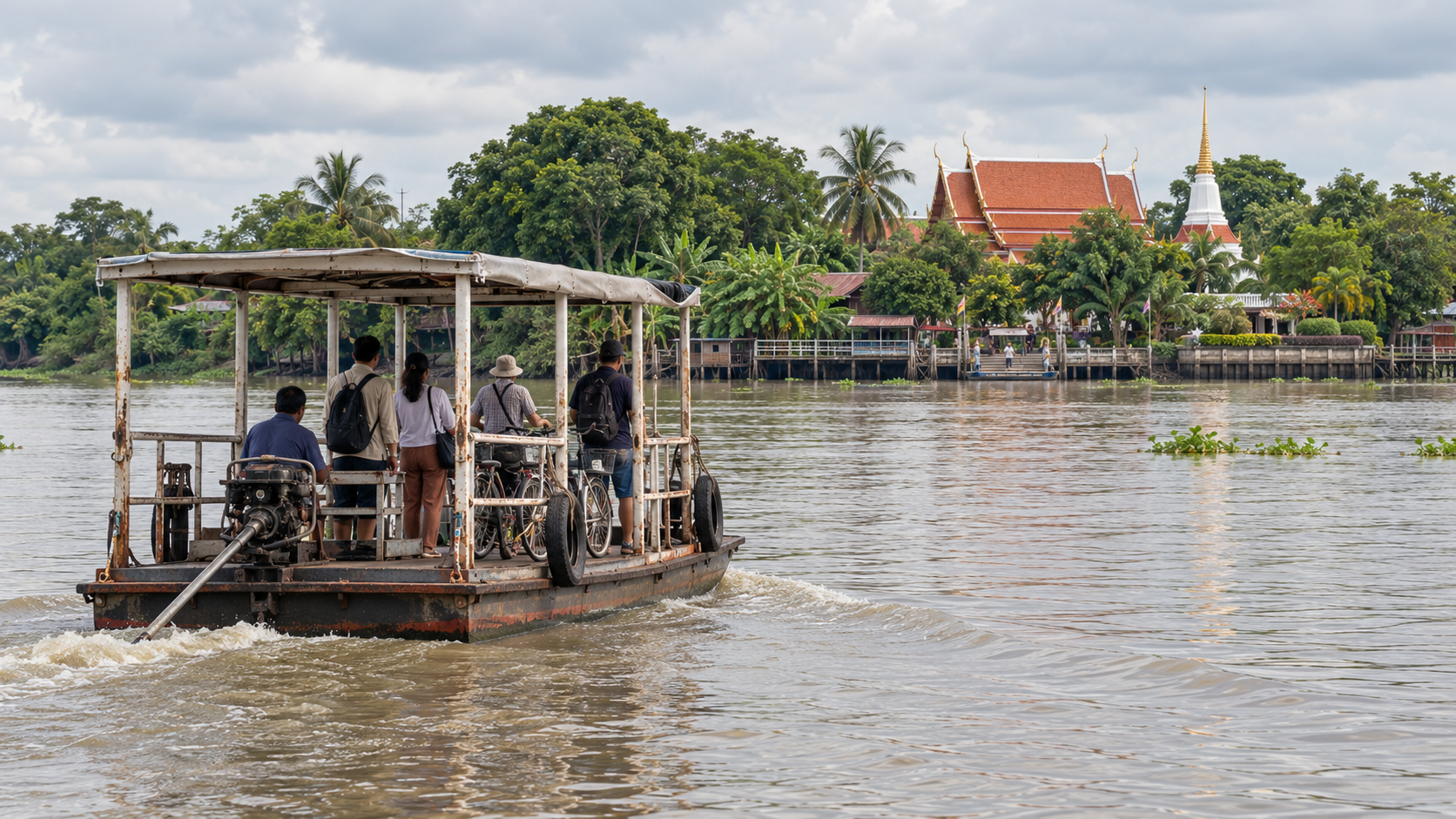
Visitors usually reach Koh Kret by boat from a Nonthaburi pier, often around Pak Kret. Services and schedules can change by pier, day and season. Confirm departures locally before setting your itinerary and allow time for the return. Weekends are busier; workshops and shops may keep different weekday hours. Bring cash and water, especially if you plan to walk for several hours.
Watch the makers at work
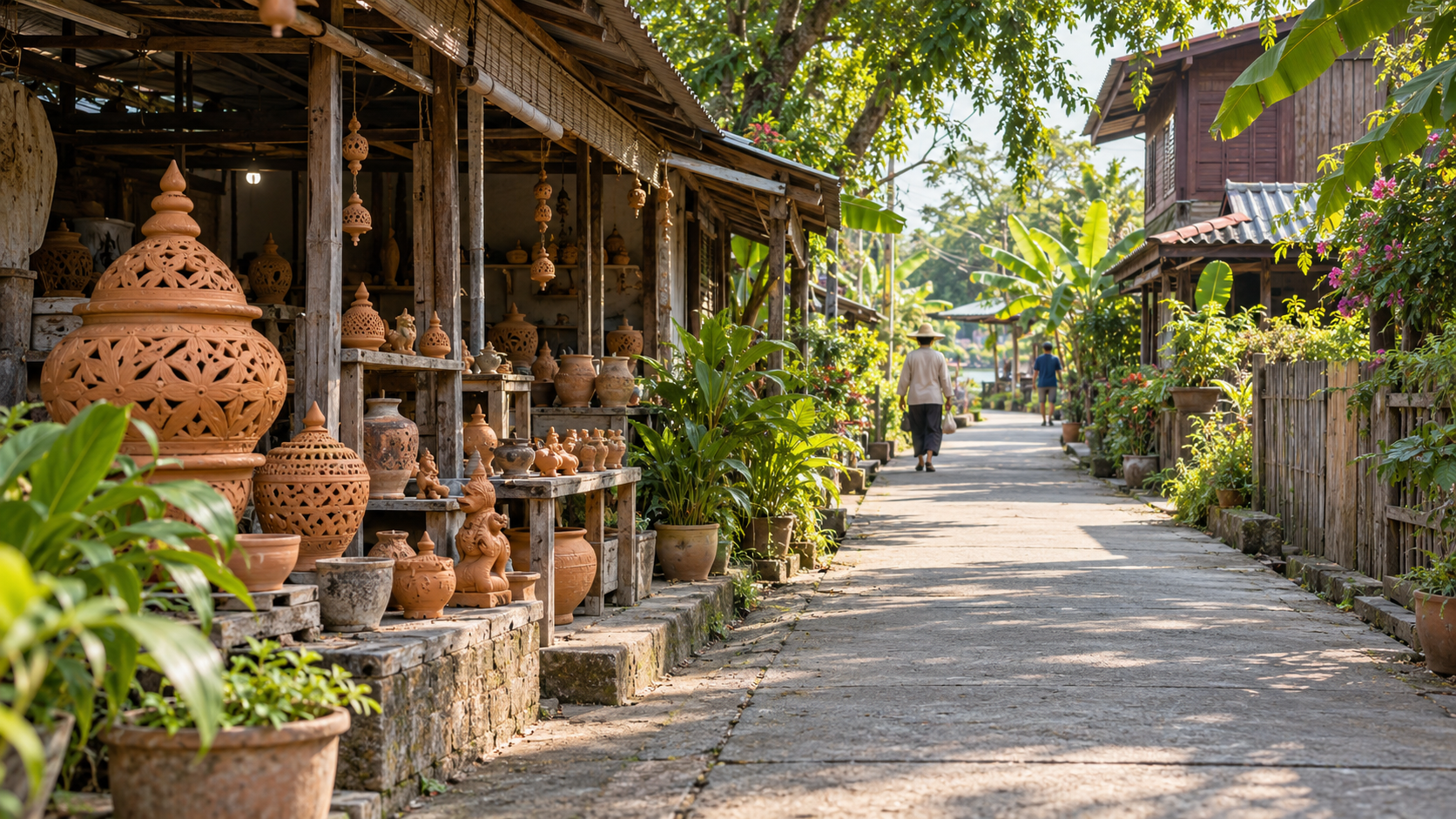
Ceramics are one of the island’s best-known crafts. Shapes and patterns reflect practical uses as well as cultural identity. At a workshop open to visitors, first observe the tools and techniques, then ask whether a demonstration is possible. Artisans are not obliged to stop working, so respect their time and workspace. Buying directly supports the maker. Handle each piece carefully and ask how it can be protected for your journey.
Explore on foot or by bicycle
Walking makes it easy to pause and notice the lanes. A bicycle covers a wider loop, but some paths are narrow and shared. Ask for a map, check the brakes and confirm where to return the bicycle. Choose a few stops: a workshop, a temple, a riverside break and lunch. Trying to see everything at once turns the visit into a checklist. Heat, stairs and conversations all take time.
Temples and living heritage
Temples are places of worship and community life, not simply photo stops. Dress respectfully, remove your shoes when requested and keep your voice low. Ask permission before photographing a person or ceremony and respect closed areas. Heritage also lives in daily routines, families and workshops. Understanding this context makes the walk more meaningful than collecting pictures.
Taste the island
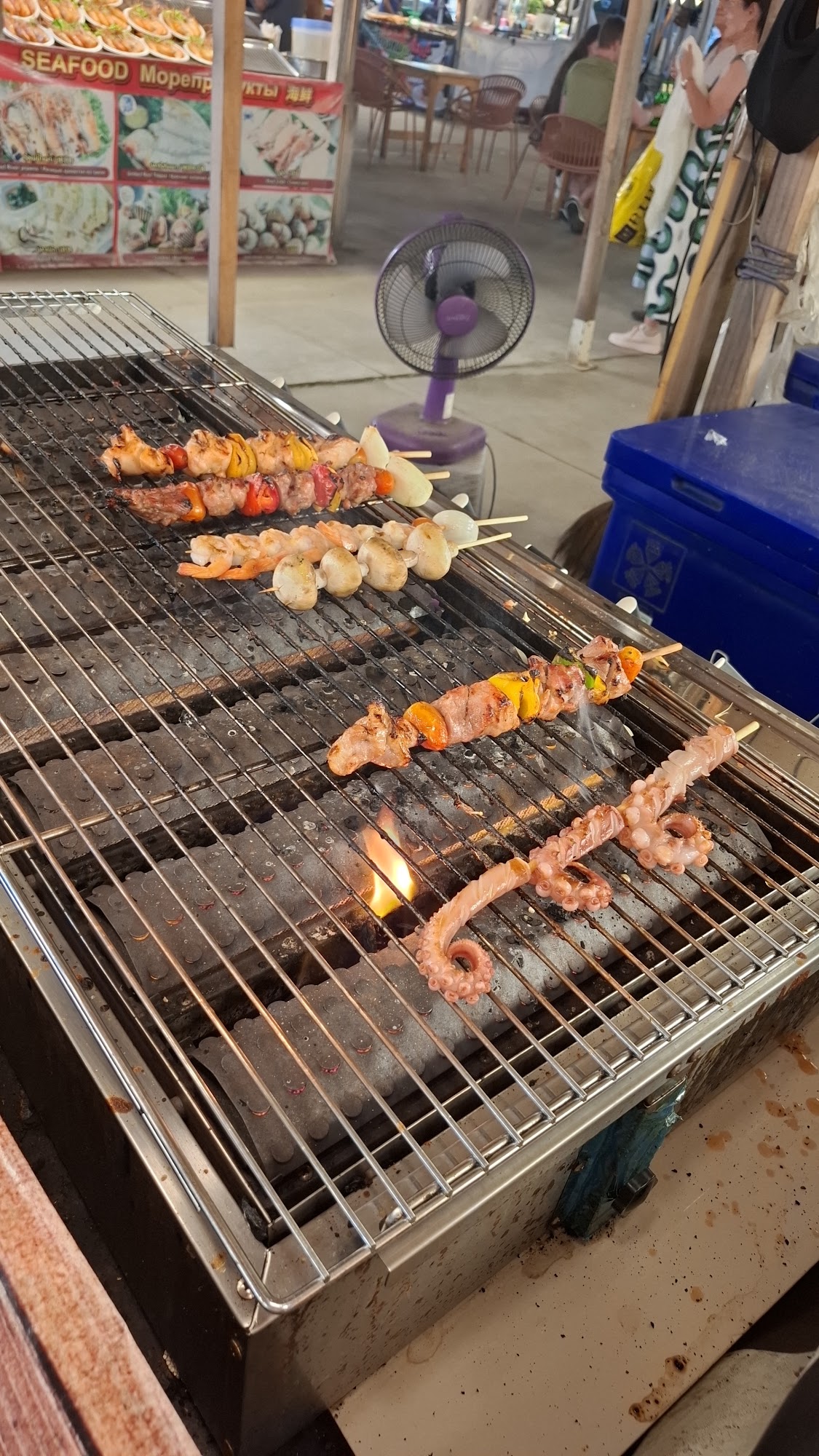
Small shops sell sweets, snacks and dishes influenced by Mon cuisine. Availability changes with the day and vendor. Ask what a dish is called, what it contains and how spicy it is. If you have an allergy, explain it clearly and never assume a dish is safe. A meal is a chance to escape the heat and support local businesses. Put packaging in bins and keep the riverbank clean.
When to go and what to bring
Mornings are often more comfortable for walking. Rain can make paths slippery and affect crossings, so check the forecast. Bring water, a hat, sunscreen, insect repellent and shoes with grip. Ask the maker for protective packing if you buy pottery. At busy times, leave room for residents on the piers and lanes.
Read the island through its landscape
Koh Kret reflects changes to the river and human planning. The canal that made it an island also shaped its links with the banks and the movement of residents. Water is not simply a backdrop: it organises crossings, travel, work and views from the shore. When you arrive, notice the piers, lanes and places where gardens meet homes. This helps explain why the island is different from an ordinary urban neighbourhood. Maps show its broad shape but may not reveal narrow passages, steps or the rhythm of local boats.
Mon heritage is one thread through a visit. It appears in craft traditions, some foods, temples and family histories. It would be reductive to expect a single “cultural experience” to consume in a few minutes. Culture is alive and varied, and residents may relate to their heritage in different ways. Listen to explanations from makers and site caretakers; do not turn a tradition into a performance you expect on demand. A respectful question often opens a more interesting exchange than a hurried photograph.
What a workshop can teach
A ceramic piece involves a series of choices: clay, preparation, shape, drying, decoration and firing. Each workshop has its own routine and constraints. If someone is working, begin by observing from the indicated place. Ask before approaching the wheel or touching tools. A demonstration may not be available, or may happen only at certain times. If work is underway, wait for an invitation instead of assuming that the maker is ready to receive visitors. Curious children should stay close to an adult and away from kilns, tools and fragile objects.
A hands-on activity, where offered, may not produce a finished piece you can take away immediately. Clay may need to dry or be fired later; ask about timing, collection and any charges before starting. If your return time is fixed, buying a completed item is simpler. Purchasing pottery can support the craft, but respect the stated price and avoid aggressive bargaining over handmade work. Ask how to pack the object, do not place it beneath heavy luggage and keep it protected during the crossing.
Connect stops at an easy pace
A simple loop can start at the pier, continue to an open workshop, visit a temple and follow a quieter lane before lunch. The order matters less than having time to stop. Notice places to get water, shelter and a seat. Maps and signs point to major attractions, but a quiet lane or river view may become the strongest memory. If cycling, match your speed to pedestrians and walk through crowded stretches. If walking, remember that scooters and bicycles may appear on narrow paths; keep to the side without blocking doorways.
Visitors with only half a day can choose one area instead of attempting a complete circuit. A workshop, a temple and a meal already make a rich visit. With a full day, add riverside pauses and time to browse local shops. Groups should agree on a shared pace and avoid spreading across the entire lane. Older visitors or those with limited mobility may prefer a shorter route, check for steps and take frequent breaks. Access varies by site, so contact any place you especially want to visit ahead of time.
Photograph with care
Kilns, wheels and rows of pottery can be photogenic, but a workshop remains the maker’s workplace. Ask whether photographs are allowed and whether the person is comfortable appearing in them. Avoid flash around ceramics and do not block access. Temple rules vary by building; signs and requests from caretakers take priority. During a ceremony, do not stand in front of worshippers or make noise to attract attention. Photographing architecture without faces can preserve the memory while protecting privacy.
Online posts can shape how others visit. Add context, avoid presenting a family as an attraction and do not share images of private spaces. If a maker explains the history of a piece, ask before quoting them or using their name. Social media can help people discover a craft, but consent and accuracy matter. A recommendation with verified opening details is more useful than a broad promise of an “authentic experience” that may not suit everyone.
Manage crowds, heat and rain
Weekends and holidays can bring visitors, boats and vendors to the same areas. For a quieter visit, arrive early, follow an alternative route where signs allow it or choose a weekday. That does not guarantee every workshop will be open, so check directly. A lively day can be enjoyable for tasting different foods and watching commerce, as long as you remain patient and do not block lanes.
Heat is strongest in open areas and on the piers. Drink water, cover your head and rest in shade. After rain, paving, steps and boards near the water may be slippery. Shoes with grip are safer than smooth sandals. In a heavy shower, ask locally whether boats are operating normally and wait in a safe place. Do not approach the river’s edge for a photo when surfaces are wet. A waterproof bag protects your phone and documents; light clothing dries faster than heavy denim.
Make useful purchases
If you want to take pottery home, choose it with use and transport in mind. A small, well-packed piece may be more practical than a large object that is difficult to protect. Ask whether the maker has a box or wrapping and how delicate the finish is. Do not buy only because an item appears in a popular photograph; choose a shape or finish that speaks to you. You may also support a maker by choosing a small-run or imperfect piece if it is offered and appeals to you.
For food, buy what you can eat and avoid waste. Ask whether packaging can be recycled or whether you may use your own container. Carry small change. Prices and products vary, so do not rely on a rate from an old blog post. Ask the price before ordering and treat sellers courteously. Responsible tourism is also made of small decisions repeated by many visitors.
More FAQ
Are workshops always open to visitors?
No. Some work by order or open according to their schedule. Contact a specific workshop before making a special trip.
Is a demonstration included?
Not necessarily. Ask whether one is offered, when it happens and whether a fee applies.
Can children try pottery?
It depends on the workshop and the child’s age. Confirm conditions, duration and collection arrangements before booking.
How should I carry a fragile item?
Ask for protective packing, keep it with you and do not place heavy luggage on top. Check transport rules if flying.
Is the island suitable in the rainy season?
It can be, if crossings operate and you are ready to adapt. Paths may be slippery; check weather and boat conditions.
Should I bring a gift or tip?
It is not necessary. The price of an item, meal or activity pays for the service; follow local customs and do not feel obliged to add an unsolicited payment.
Keep a flexible plan
A practical plan includes a primary workshop, a food stop and a return crossing, while leaving the rest open. The exact order depends on which places are working that day. Save the pier name, keep enough time for the boat and do not assume that a route shown online is open to bicycles. If a workshop is closed, ask a nearby shop whether there is another public demonstration, but do not enter a private work area without an invitation.
Before you leave, check that purchased pottery is packed securely and that you have your phone, wallet and water. Ask the maker about care instructions, especially if the piece has a special finish. If your trip continues by train, bus or plane, keep the fragile object in a place where it will not be crushed. A few thoughtful checks at the end of the visit protect both the object and your memory of the craft.
Leave the island as you found it: take rubbish with you, keep lanes clear and thank local hosts before crossing back.
FAQ
How long should I stay?
Half a day covers a few workshops and lunch; a full day allows more wandering.
Is a weekday a good time?
Yes, it can be quieter, though some shops may close.
Should I book a workshop?
Not always for browsing; contact the workshop for a demonstration or group.
Can I cycle around the island?
Yes, but paths are narrow and shared. Ride slowly and walk when needed.
Are boat times fixed?
They can vary, so confirm at the pier on the day.
A thoughtful visit
Koh Kret rewards curiosity and respect. Pottery becomes more compelling when you watch the craft and listen to the makers; temples make sense when you remember that the island is a community. Check the boats, start early, choose a few stops and leave time to taste a local dish. Which would you take home: a handmade pot, a Mon recipe or a river walk memory?
Useful source

To go further
Mr Schaka’s guidebook, Bangkok – The Practical Guide, covers the essentials: transport, neighbourhoods, addresses, food, etiquette and safety, updated for 2026–2027.