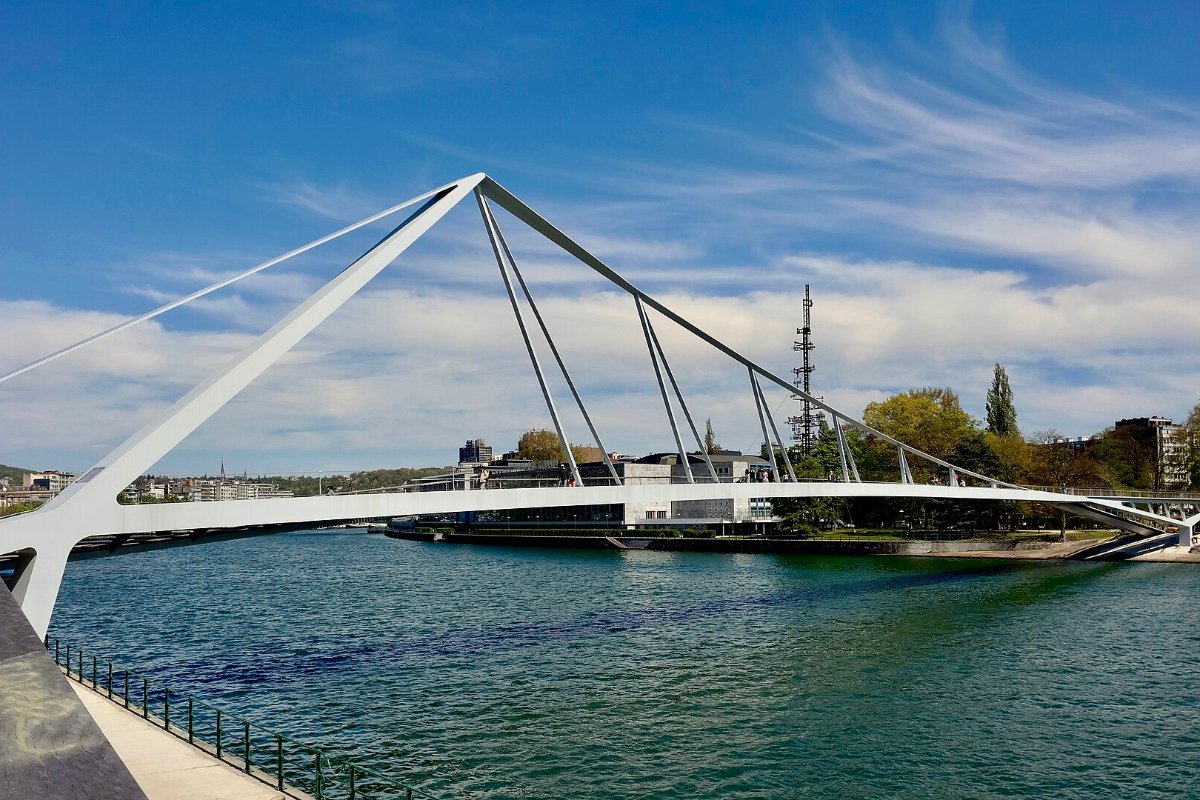
The Citadel of Namur overlooks the confluence of the Meuse and Sambre rivers. The city spreads below the hill while the valleys guide the eye. Yet the citadel is more than a viewpoint: fortifications, paths, galleries and green spaces tell a story of centuries of military and urban change. A good visit combines history, a walk at your own pace and time to observe the area.
Understanding the site
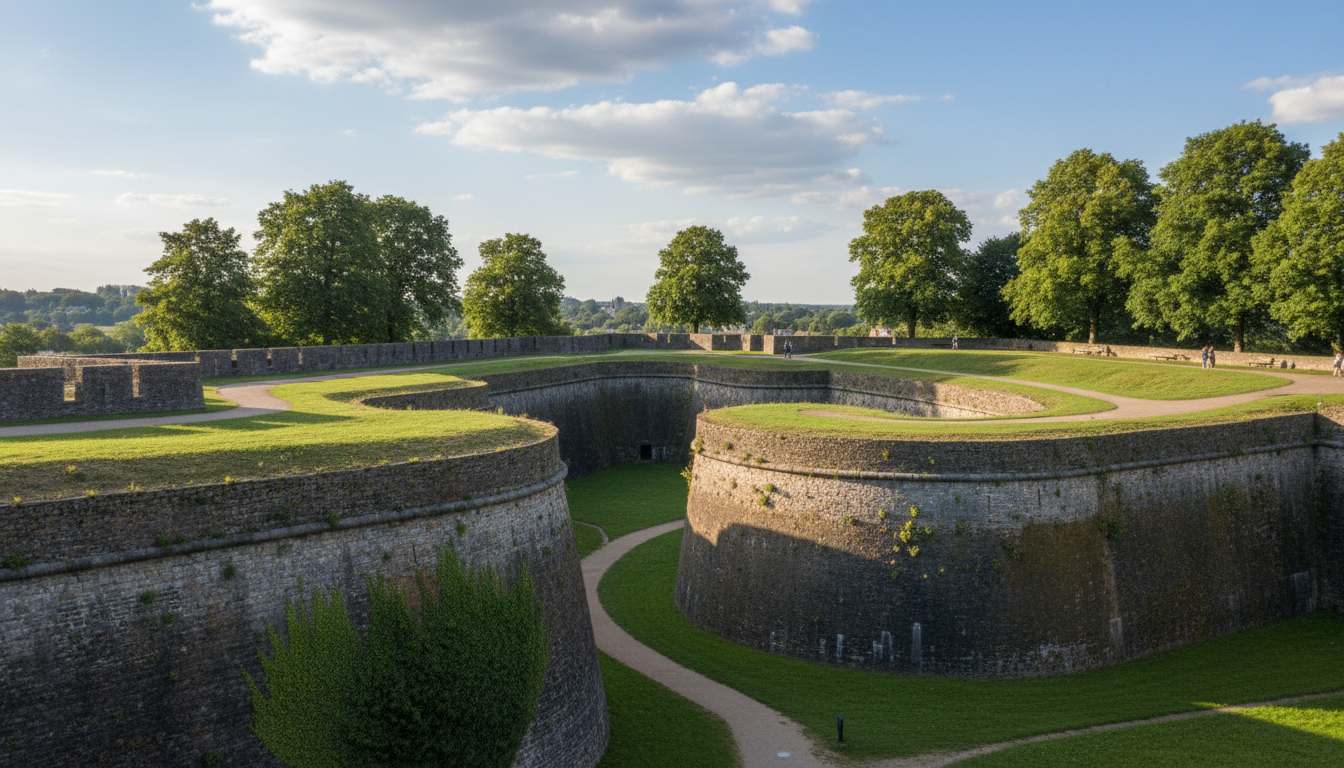
The hill has long been fortified because of its strategic position. Different rulers and engineers changed the installations over time. It is not a fortress built all at once: walls, gates, bastions and galleries belong to several periods. Exhibitions and guided tours place them in context. Check the official site before leaving for opening times, activities and closures.
The grounds are extensive; you do not need to cover every corner. A short walk can focus on a viewpoint and nearby paths, while a longer visit can include public underground galleries. Slopes and surfaces vary. Wear comfortable shoes, bring a layer for wind and allow time for breaks.
Choosing how to get there
Several options connect central Namur with the citadel: marked walking routes, driving where rules allow, or seasonal tourist transport. When operating, the cable car offers a scenic link; check its schedule on the day and do not assume it runs all year. The official site and tourist office are useful references.
Walking up is rewarding if you have time and the weather is suitable. Some sections are steep. If you have a stroller, mobility needs or young children, check access at the entrance and along your exact route. An open site does not mean every path is step-free. By car, follow signs and park only in authorised areas. Events may restrict access; parking in town and walking up also lets you explore Namur’s streets.
Views of the rivers
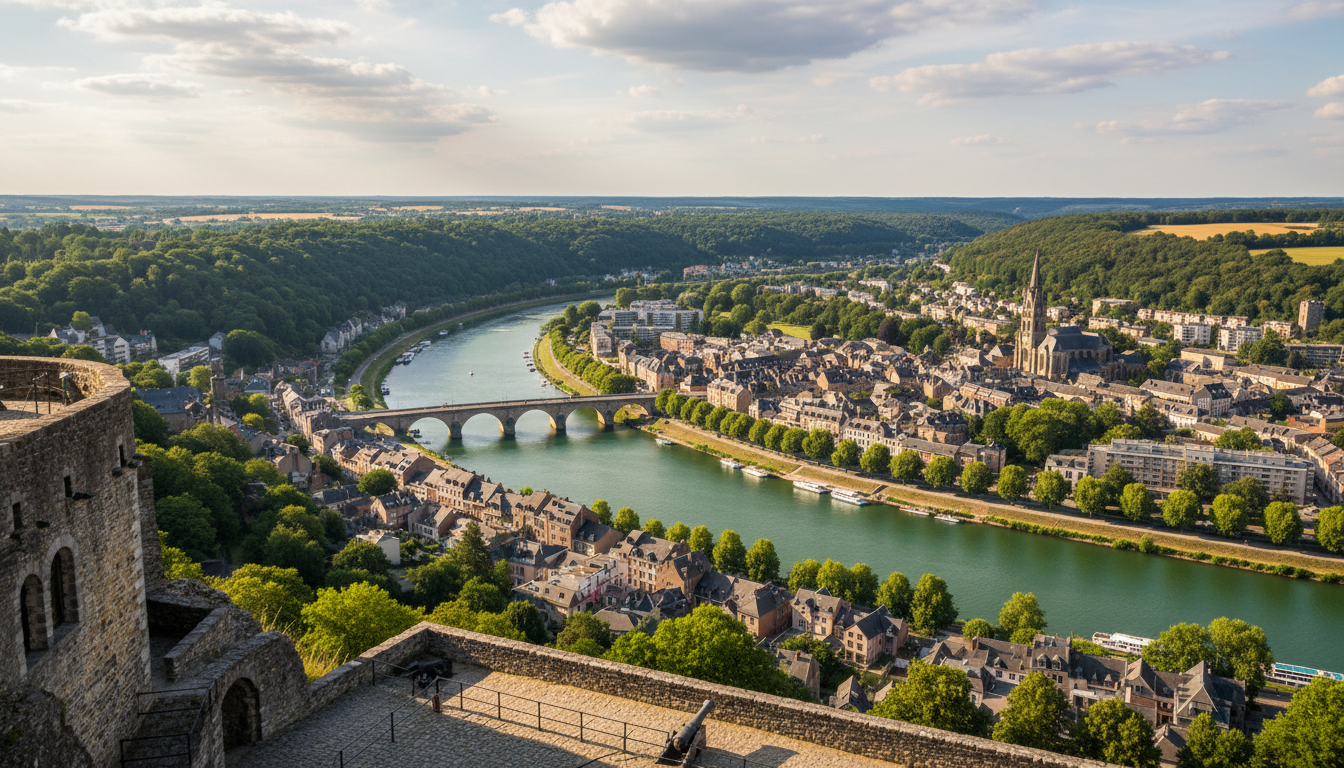
The viewpoints show both rivers, bridges, rooftops and hills. Light changes with the season and clouds; clear days offer long views, while overcast skies can highlight landforms. Find the confluence and notice the neighbourhoods to understand the site’s strategic value and how the city grew around the rivers.
Stay behind barriers and watch children near slopes and walls. Wind can be strong and some paths uneven. Keep routes clear when taking photographs and do not climb fragile structures. The citadel is protected heritage: follow signs and remain on permitted paths.
Visiting the galleries
Underground galleries are a distinctive part of the site. Guided visits cover selected restored sections and explain construction, defence and working conditions. The open section is limited compared with the historic network. Check time slots or book ahead, especially during holidays. Tours may include stairs, dark passages and cool temperatures; ask if enclosed spaces are difficult for you.
A guide explains how the galleries were dug, what areas were used for and how military changes reshaped the site. Follow instructions, do not touch surfaces and avoid flash if discouraged. Groups need room to move through fragile heritage without crowding.
A half-day at the citadel
For a first visit, choose your access point, head to one or two viewpoints and follow a path through the green spaces. If you booked the galleries, allow time before and after. A break makes the walk more comfortable. In two or three hours you can combine several views and one activity, depending on weather and pace.
With a full day, add the historic centre. Walk down to the old town, follow the Meuse or Sambre and explore the squares. A museum or cruise can extend the outing if schedules work. Water activities depend on season; confirm departures and leave time for food and rest.
A living green space
The paths are used by visitors, walkers and residents. Keep a suitable pace, give way to joggers and cyclists where permitted, and keep dogs under control. Lawns and wooded areas deserve the same respect as historic buildings. Do not pick plants, feed animals or leave rubbish. Events may change access; check ahead if you want a quiet visit.
In autumn and winter, paths can be damp or slippery. In summer, bring water and sun protection. Walloon weather changes quickly; a light waterproof layer may save your visit. Check local alerts when strong wind or storms are forecast.
Continue into town
The centre has independent shops, cafés and heritage buildings. Check restaurant opening days. A break by the water lets you see the citadel from below and understand the relationship between town and fortress.
Namur is reachable by train from several Belgian cities, but schedules and works vary. Check official departure and return times. The centre is a short walk from the station; reaching the citadel takes longer. If driving, check traffic zones and parking before entering town.
Reading traces from several periods
The fortifications visible today result from successive expansions and redesigns. The confluence drew military attention long before the modern era, and each period adapted the defences to available technology. Bastions, walls and passages therefore tell more than one story. A guided visit can explain how gunpowder, artillery and changing borders transformed the defence of the city. If exploring independently, compare dates on several information panels; a chronological reading helps reveal the layers that make up the site.
The citadel also had uses beyond the military. Areas were reassigned, restored and made into walking routes, and the views became a cultural and tourist asset. Heritage does not freeze when fortifications stop serving their original purpose. Conservation choices determine which areas are open, how visitors move and what explanations are offered. Seeing the walls as structures maintained by teams and institutions makes the visit more tangible and helps explain why some sections remain closed.
Choosing between a free walk and a guided visit
A self-guided walk is flexible: stop at a viewpoint, avoid a busy area and adapt the length. A guided tour adds dates, documented stories and sometimes access to spaces not always open. If booking a guide, check language, duration, meeting point and inclusions. Arrive early and mention mobility or enclosed-space needs. For an independent visit, download the official map and locate toilets, water points and exits.
Weather strongly affects the experience. On hot days, start early and cover exposed sections before midday. In wet weather, paving and sloped paths can be slippery; shorten the loop and avoid unmarked shortcuts. In strong winds, viewpoints may be uncomfortable and areas may close. Check official notices and signs at the entrance. Keep a route that lets you return without rushing along a difficult path.
The galleries: a different experience
An underground visit differs from a walk above ground. Lighting, temperature, echoes and narrow passages create another atmosphere. Ask whether the route includes stairs, low ceilings, a stretch without an exit or sound effects. People who experience claustrophobia or breathing difficulties can decide with this information. Wear shoes with grip and keep your hands free for handrails.
Inside, stay with the group and follow the marked route. Flash photography can bother others; follow the site’s policy. Do not touch the walls: old materials and damp conditions are sensitive. When the guide describes the builders’ work, consider the scale and conditions of excavation, not only the dramatic tunnel effect. This turns an attraction into a heritage experience.
Reading the landscape beyond the ramparts
From the citadel, identify roads, bridges and neighbourhoods linking Namur with nearby towns. The Meuse and Sambre have long served as transport routes and still shape the city. Notice where they meet, then walk down to the quays to compare the view from above with the river level. This shift helps explain why the defensive position mattered and how the landscape guided urban development.
If you stay in Namur, check riverside walks and cruise schedules. Water levels, weather and season can change availability. A river trip is not automatically included in a citadel ticket; ask before booking. Cyclists may find regional routes, but check slopes and traffic before combining a ride with the hill climb. A good day depends on coherent travel between activities, not on how many stops you can add.
Planning an accessible visit
General accessibility descriptions do not always show whether a particular route suits an individual. Contact the site or tourist office to ask about slope, steps, surfaces, benches and toilets in the area you plan to visit. Explain whether you use a wheelchair, cane or stroller. You may be able to enjoy the views without covering every path. A detailed answer is more useful than a broad promise.
For a family outing, set clear boundaries near walls and slopes. Children may love the fortifications, but elevated areas need close supervision. Alternate historic stops with breaks, carry a snack and agree on a return point. Groups with different ages can share a short loop, then let those who wish continue farther.
Taking a break in town
The citadel can be the start or centre of the day, but Namur completes the visit. On the way down, walk through shopping streets, notice façades and stop at a café. Market days and events can change access and atmosphere; check the local calendar. Reserve a meal if travelling in a group or on a busy day. A break is also useful for shelter if the weather changes.
If travelling by train, allow enough time for the return: railway works and weekend timetables can change the journey. By car, note the parking location and traffic restrictions in advance. Checking these details avoids leaving in a rush when another viewpoint remains to be explored.
Protecting heritage
Old walls, slopes, trees and lawns receive many visitors. Stay on paths, respect barriers and do not take stones or plants. Litter on the hill can reach green areas and waterways below. If an area is closed, do not look for another way in: the closure may relate to works, safety or habitat protection. The citadel also hosts cultural and sports events that can change routes and bring larger crowds. If you want a quiet visit, choose another time.
Using the visit as a starting point
The citadel can prompt questions that continue beyond the hill: how did river transport influence the city, why did military engineers choose particular ridges, and how does conservation balance public access with fragile structures? You do not need specialist knowledge to explore these questions. Look at the terrain from a viewpoint, then compare it with a town map or an exhibition diagram. A guided explanation can connect a wall or tunnel to a wider European history, while a quiet walk lets you form your own reading of the landscape. Both approaches are valuable.
Families can turn the visit into an observation activity: find the meeting of the rivers, identify a bridge, or notice how the city changes from the hilltop to the waterfront. Keep the questions open rather than presenting the fortress only as a place of battles. The site also reflects engineering, labour, changing technology and later decisions to conserve and reuse historic spaces. This broader frame gives children and adults more ways to engage with the citadel and its surroundings.
Making a comfortable day
Plan the uphill and downhill sections with your energy in mind. If you arrive by cable car or vehicle, you can reserve strength for walking across the grounds; if you climb on foot, leave more time for the return. Carry water, check the forecast and identify a place to rest. When visiting the galleries, allow a pause afterwards before continuing through town. A simple sequence of viewpoint, guided visit, meal and riverside stroll can make a full day feel balanced without adding unnecessary stops.
Frequently asked questions
How much time should I plan?
Allow at least two hours for a walk and viewpoints. Galleries and guided visits add time.
Can I walk up?
Yes, several paths start in the centre. Some are steep; choose for your fitness and the weather.
Does the cable car run all year?
Schedules and operating periods change. Check the official service before visiting.
Are the galleries suitable for everyone?
They may include stairs, dark passages and enclosed spaces. Ask before booking.
Can I visit with children?
Yes, with close supervision near ramparts and stairs and a route suited to their age.
See Namur from above
The citadel brings geography, history and walking together. Check what is open and choose a realistic loop to enjoy the site without rushing. Which viewpoint stayed with you? Share advice to help others discover Namur at their own pace.
Sources

The book
The Empty Wall is the second book of Oscar’s Notebook, a series of crime novels set in Liège.