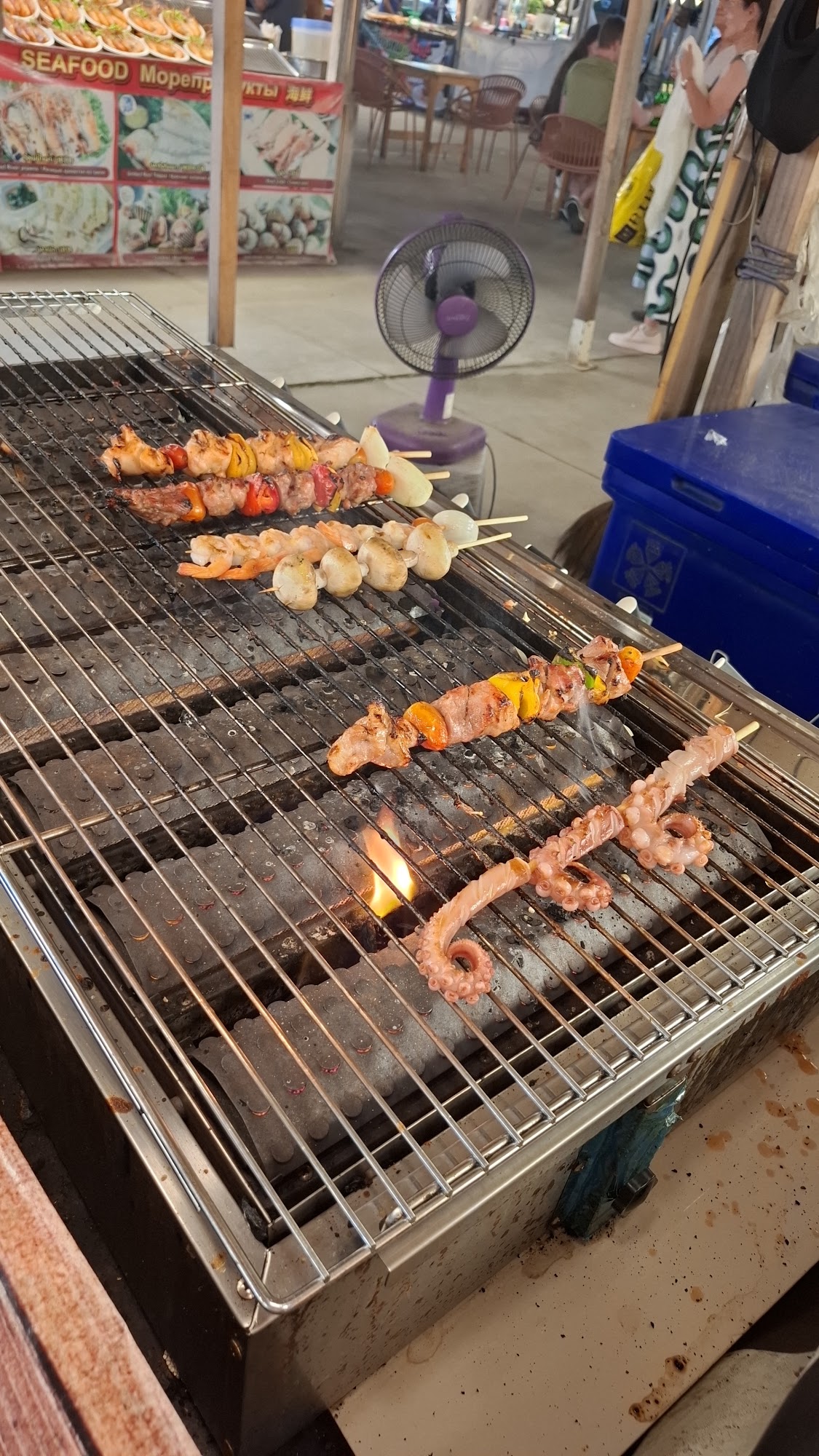
About 80 kilometres north of Bangkok, Ayutthaya was a major capital of the Siamese kingdom. Temples, stupas and brick remains tell stories of power, trade and spirituality. A bicycle connects sites at your own pace. Yet cycling among historic monuments requires planning for heat, careful riding and respect for religious places.
Understand the city before choosing a loop
The ruins are not gathered in one museum. Temples, canals, markets and modern neighbourhoods coexist. Use a map to choose an area without creating a rigid schedule. Sites may look close in photographs, but heat and humidity slow travel. Select a few places, plan shaded breaks and leave time for water and lunch. The visit is better when you can look at a monument without watching the clock.
Ruins belong to architectural and spiritual settings. A chedi or Buddha image is not interchangeable scenery. Read site information and listen to a knowledgeable guide to distinguish documented history from legend. Structures are fragile: do not climb, touch sculptures or take fragments. Barriers protect heritage and visitors; do not cross them for a better angle.
Ride safely
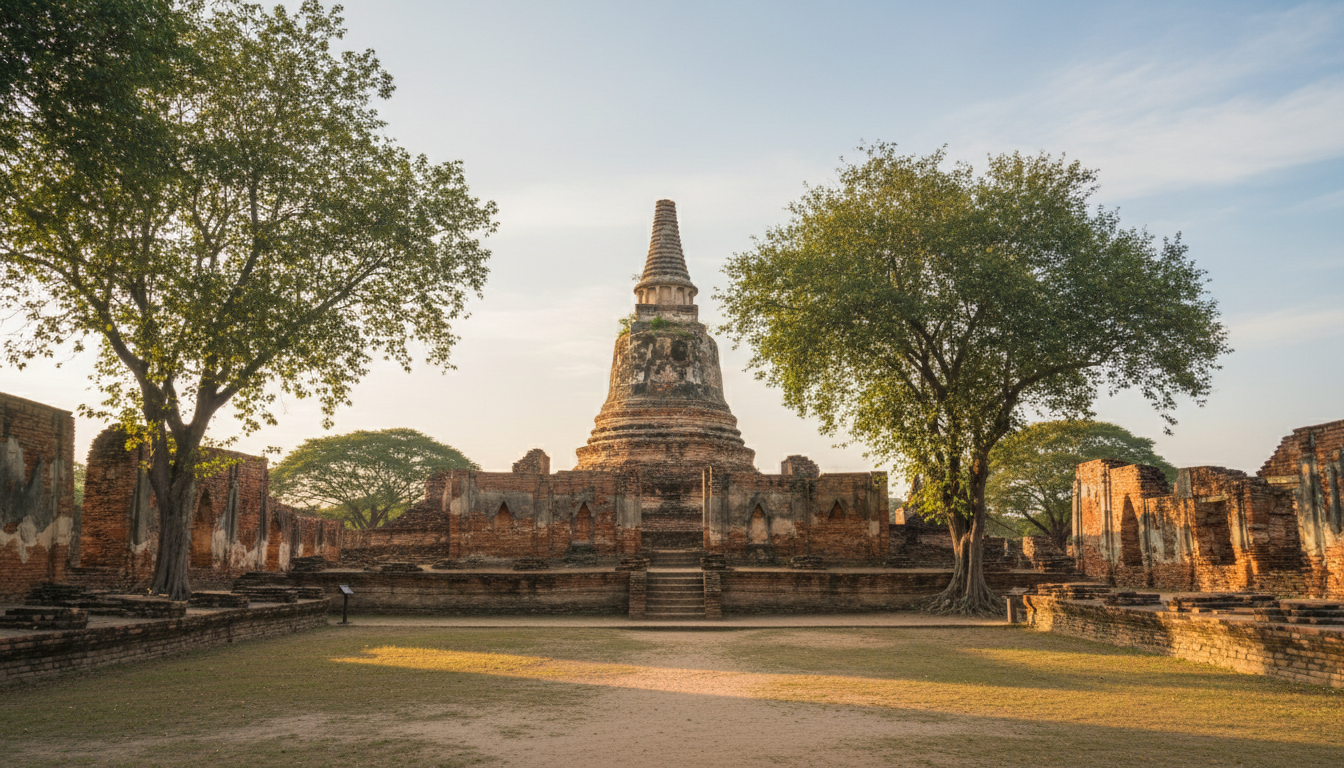
Check the brakes, tyres, saddle and lights. Roads are shared with cars, motorbikes, tuk-tuks, pedestrians and animals. Ride at a moderate speed, signal turns and do not assume drivers have seen you. A helmet is strongly recommended. If traffic feels uncomfortable, choose a short loop or another transport option.
Mornings are often cooler and offer gentle light. At midday, choose a museum, meal or shaded break. Rain can make surfaces slippery; check the forecast and adapt your route. Children and people sensitive to heat need shorter distances and frequent pauses.
Respect the temples
Some places are visitor monuments; others remain places of worship. Wear covering clothing, remove shoes when asked and follow signs. Do not climb on statues, sit above sacred images or crowd people who are praying. Ask before taking someone’s photograph. Observe first and ask politely if unsure.
A unique photograph is not worth damage. Do not stand on walls or cross barriers. Small repeated actions wear materials down. A local guide can explain historical context without turning the walk into a lecture.
Food and local businesses
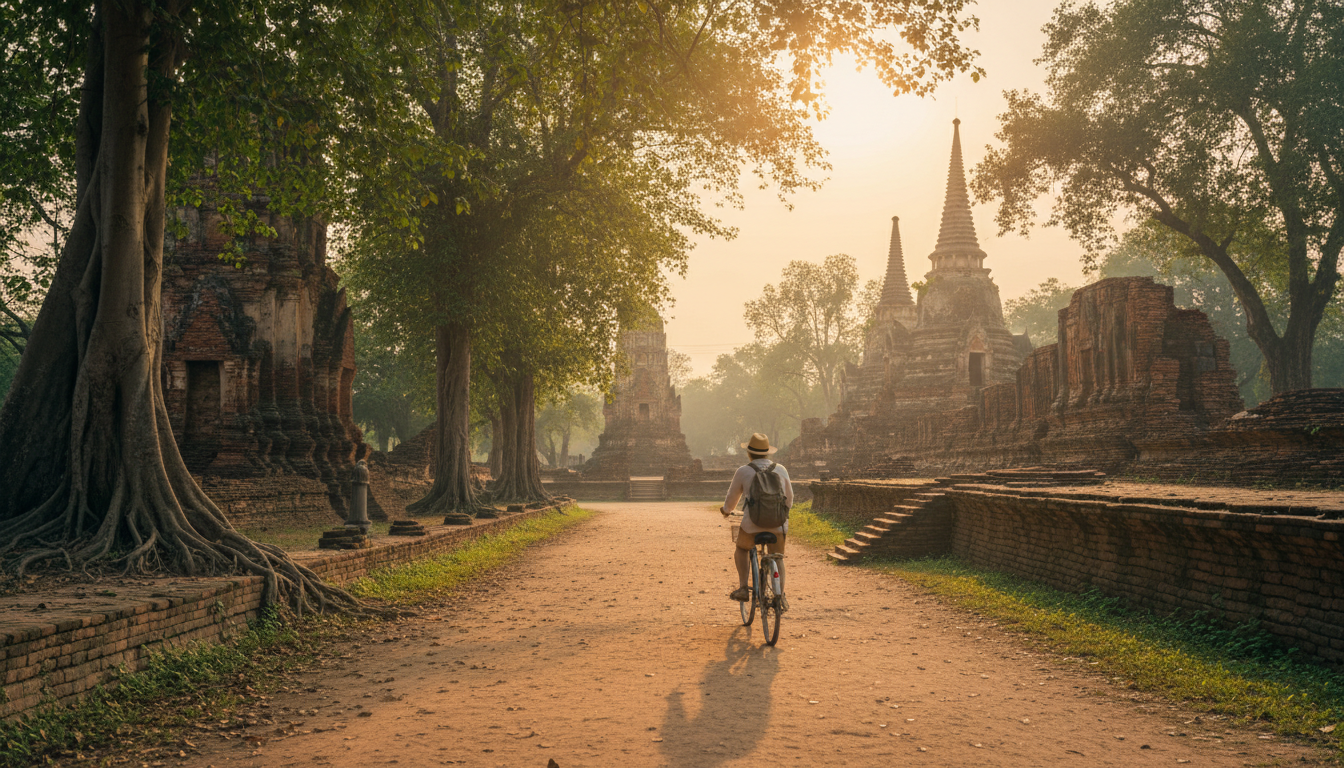
Markets and restaurants are part of contemporary city life. Choose a clean place, mention allergies and accept that menus vary. Ask before photographing a seller up close. If bins are full, keep rubbish until you find a collection point. Local spending can support families, but does not automatically guarantee sustainability.
Choose transparent services, pay the agreed price and avoid humiliating bargaining. Politely decline activities that disturb temples or animals. Curiosity should remain compatible with respect.
Plan a balanced day
Check hours, closures and prices through official sources shortly before travelling. Bring water, sun protection and accommodation details offline. In the morning, explore one major complex, then pause before a second site. In the afternoon, choose a museum or short walk. A good day depends on attention, not the number of monuments checked off.
Visitors with limited mobility should check steps, surfaces and toilets. Access varies. If fatigue or weather changes your plan, rest. A flexible schedule is safer and more memorable than an overloaded day.
FAQ
Is Ayutthaya easy to cycle?
Some areas suit bicycles, but heat, traffic and distance require care. Choose a short route if inexperienced.
Should I visit every temple?
No. Choose a few complexes and take time to understand them.
Can I climb on ruins?
No, unless explicitly allowed. Structures are fragile and closed areas protect heritage.
When should I go?
Mornings are often more comfortable. Check the forecast and plan a sheltered break.
Your turn
Would you explore by bicycle or with a guide? What helps preserve historic sites?
Checking the bicycle and packing useful items
A few minutes of checking can prevent a breakdown in the hottest part of the day. Test the front and rear brakes separately, look at the tyres, make sure the saddle is secure and check the bell. Ask the rental shop how to report a puncture and what area the rental covers. Take a short test ride on a quiet street before entering traffic. If the bicycle pulls to one side, the brakes feel weak or the chain slips, ask for another one. It is easier to fix a problem near the starting point than halfway through a ride.
Choose a bag that stays secure and does not interfere with your arms or handlebars. Keep a water bottle within reach without letting go of control. Put your phone in a closed pocket rather than holding it; stop somewhere safe to check a map. Carry a small first-aid kit, some cash and your accommodation details. A clear contact and written address make assistance easier if the mobile network is weak.
Clothing matters too. Breathable garments that cover your shoulders can protect you from the sun and remain suitable for temple visits. Wear comfortable shoes for both cycling and walking on uneven surfaces. If you plan to enter a shrine, be ready to follow the dress code rather than improvise. A light layer in your bag may help, but local requirements vary, so read the signs at the entrance.
Reading traffic and sharing the road
Ayutthaya’s roads serve residents going to work, delivery vehicles, motorbikes and visitors. Cyclists should be predictable: ride at a steady pace, signal turns and avoid sudden moves around parked cars. Slow at intersections and look in every direction. Do not cross simply because another cyclist has started. If unsure, get off and walk the bicycle to a clearer crossing.
Streets near markets and popular sites can become crowded. Tuk-tuks stop, visitors get out of vehicles and vendors move goods. In a narrow passage, walking your bicycle is often the better choice. A bicycle does not automatically have right of way over a pedestrian leaving a shop. Watch for opening car doors, children crossing and animals emerging between vehicles. A slower pace reduces abrupt braking and lets you notice street life.
If travelling in a group, ride single file rather than side by side on a narrow road. Agree on a meeting point after major intersections and make sure faster cyclists do not leave others behind. One person can stay at the back and help if someone has a problem. Children should remain with an adult, wear a suitable helmet and know what to do if separated. Group organisation improves safety without making the ride feel rigid.
Building a visit around a question
Instead of racing between monuments, choose a theme to guide your visit. Compare chedi shapes, notice different brickwork, look at the links between temples and waterways, or consider how sacred places fit within the modern city. This approach turns a ride into a discovery and makes the sites easier to remember. Note the place names and read site signs; if you later write about the route, you can separate verified information from personal impressions.
Spend the first part of the day at one major complex, then take a long shaded break. After lunch, a museum or a smaller site changes the physical effort. Do not add a distant excursion just because it appears on the map. The ride back in the heat may be harder than the outward journey, especially if you lack water or the bicycle is uncomfortable. Plan a return option and keep funds for alternative transport if fatigue sets in.
Local guides can explain history, religious practices and conservation. Before booking, ask about duration, meeting point, language, cost and any entrance fees. A good guide can acknowledge uncertainty and does not present every anecdote as proven fact. A guided visit does not replace site rules or personal observation; it gives context and helps you ask better questions.
Understanding restoration and conservation
Visible structures are not all in the same condition. Some have been stabilised or restored, while others remain exposed to weather and vegetation. Differences in colour and material may reflect modern work rather than construction at the same time. Do not assume that a wall is “untouched” or “exactly as it was” without a source. Museums and signs sometimes explain conservation choices; a guide can describe why specialists stabilise a structure rather than rebuild a complete form.
Conservation often aims to preserve what remains and reduce risk, not create a new-looking monument. Visitors can help by staying on open paths, avoiding contact with surfaces and telling staff about damage instead of trying to repair it. Barriers protect fragile areas; moving them or ducking underneath risks both visitor safety and the site. This rule matters even when nobody appears to be watching.
Monuments can also remain active religious places. People may come to pray, leave offerings or reflect. They are not extras in a historical tour. Keep a discreet distance, speak quietly and put your camera away when appropriate. If unsure whether photographs are allowed, read signs or ask a caretaker. It is perfectly acceptable to observe without taking a picture.
Making room for different needs in a group
A route that suits an adult accustomed to heat may be too demanding for a young child or older traveller. Before leaving, ask everyone what distance feels realistic and schedule shaded breaks. It is better to finish early with good memories than to continue until exhausted. People taking certain medicines or living with heart conditions should follow their health professional’s advice and stop at unusual symptoms.
Families can make rules concrete for children: stay on paths, touch nothing, use a quiet voice and ask before photographing anyone. Invite them to look for a pattern, inscription or change in brickwork instead of rushing to the next place. This gives them an observation task and reduces the need to repeat prohibitions. Identify somewhere to rest and a return plan that does not depend only on the bicycle.
Visitors with limited mobility should check surfaces, kerbs, steps and toilets at each planned site. Distance on a map does not always reflect access difficulty. If someone cannot enter a building, find a nearby alternative so they are not left without a choice. Access can change; a phone call ahead is more reliable than an old photograph.
Taking a proper meal break
Lunch should be part of the route, not postponed until the group has no energy left. Choose a place with shade and, if possible, a way to refill water. Markets offer a chance to try local dishes, but keep paths clear and avoid touching food you are not buying. Ask about ingredients if you have allergies. If a vendor is busy, wait your turn rather than asking for a long explanation while they serve other customers.
Small restaurants work at their own pace, and menus may depend on available ingredients. A wait is not necessarily poor service. Order clearly, pay the posted price and keep rubbish with you if bins are full. Ask before photographing staff or customers. Shops are workplaces; daily business continues even when visitors stop by.
After lunch, do not immediately ride into the hottest part of the day. A museum, shaded space or café may be more comfortable than another long stretch. Shorten the route if tired. The cost of a paid rental is not a reason to take a risk. The quality of a visit comes from curiosity and comfort, not kilometres travelled.
Sharing reliable advice afterwards
When posting about your visit, include the date or season and distinguish checked information from impressions. Opening hours, fees and access rules change. “I found this path slippery after rain” is more useful than a universal claim about difficulty. If sharing a route, mention breaks, water and busy traffic areas so readers can adapt it to their fitness.
Do not share ways to bypass closures, climb ruins or enter restricted areas. Before posting a photograph, check that it does not show someone praying or in a private moment. Dramatic images can normalise harmful behaviour if they show a person standing on a statue. Choose another frame and explain preservation rules.
A good account also leaves room for the present-day city. Mention shops where you stopped, traffic conditions and helpful interactions without turning residents into characters in a story made for visitors. If reviewing a provider, describe facts, dates and what was agreed. A precise review allows a response; a personal attack helps neither future visitors nor the people involved.
To go further
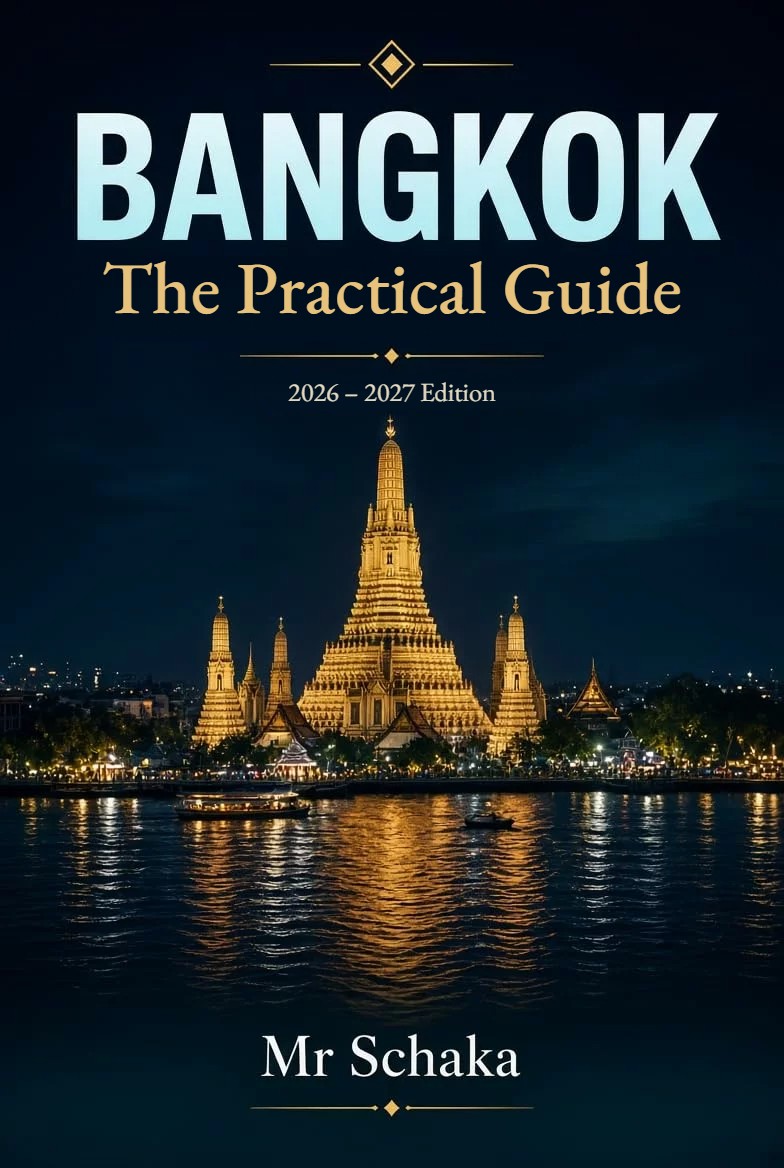
Mr Schaka’s guidebook, Bangkok – The Practical Guide, covers the essentials: transport, neighbourhoods, addresses, food, etiquette and safety, updated for 2026–2027.