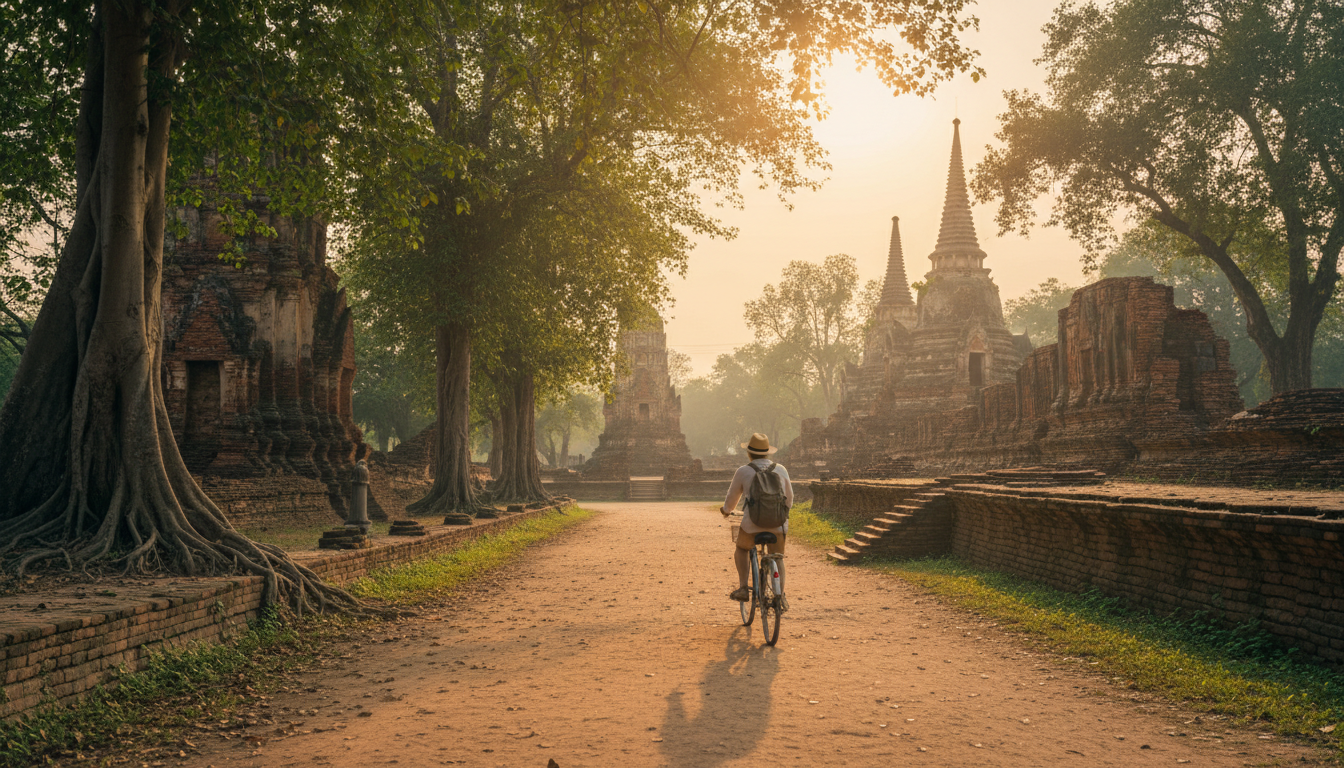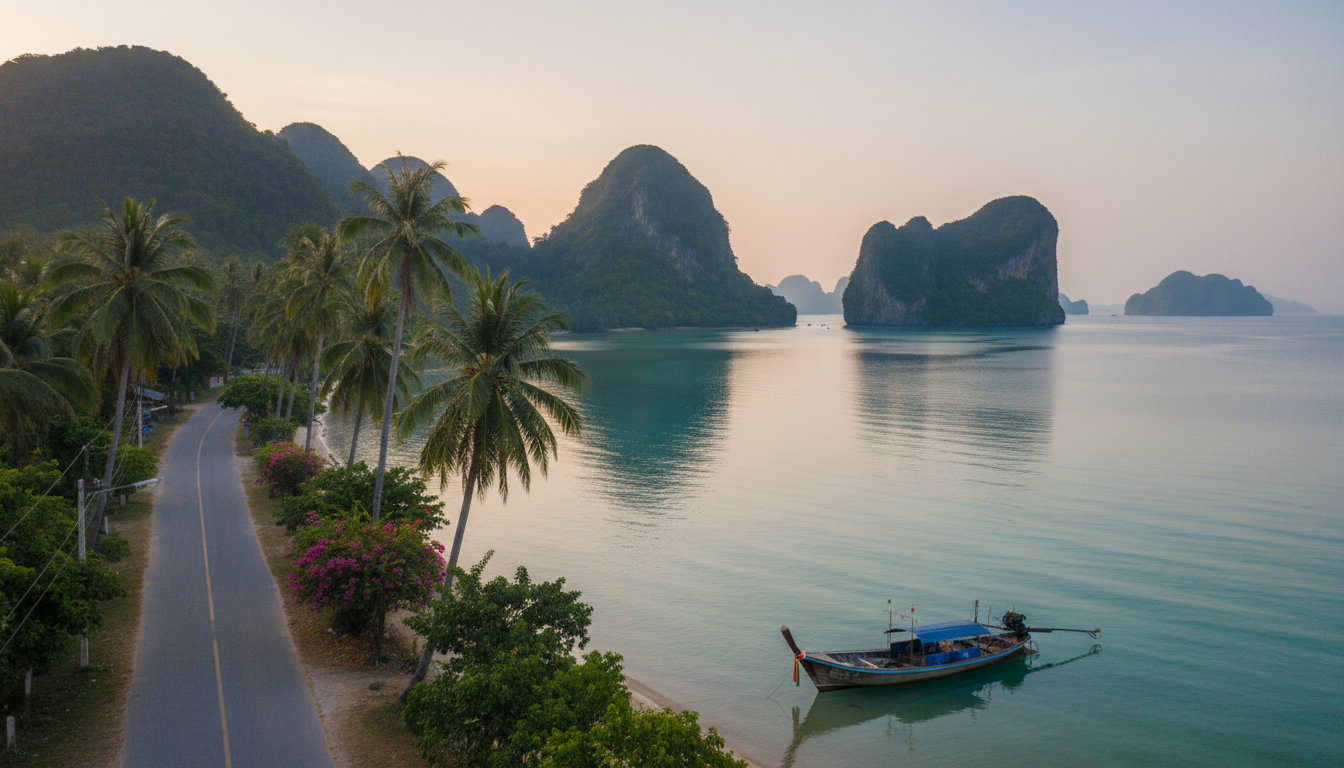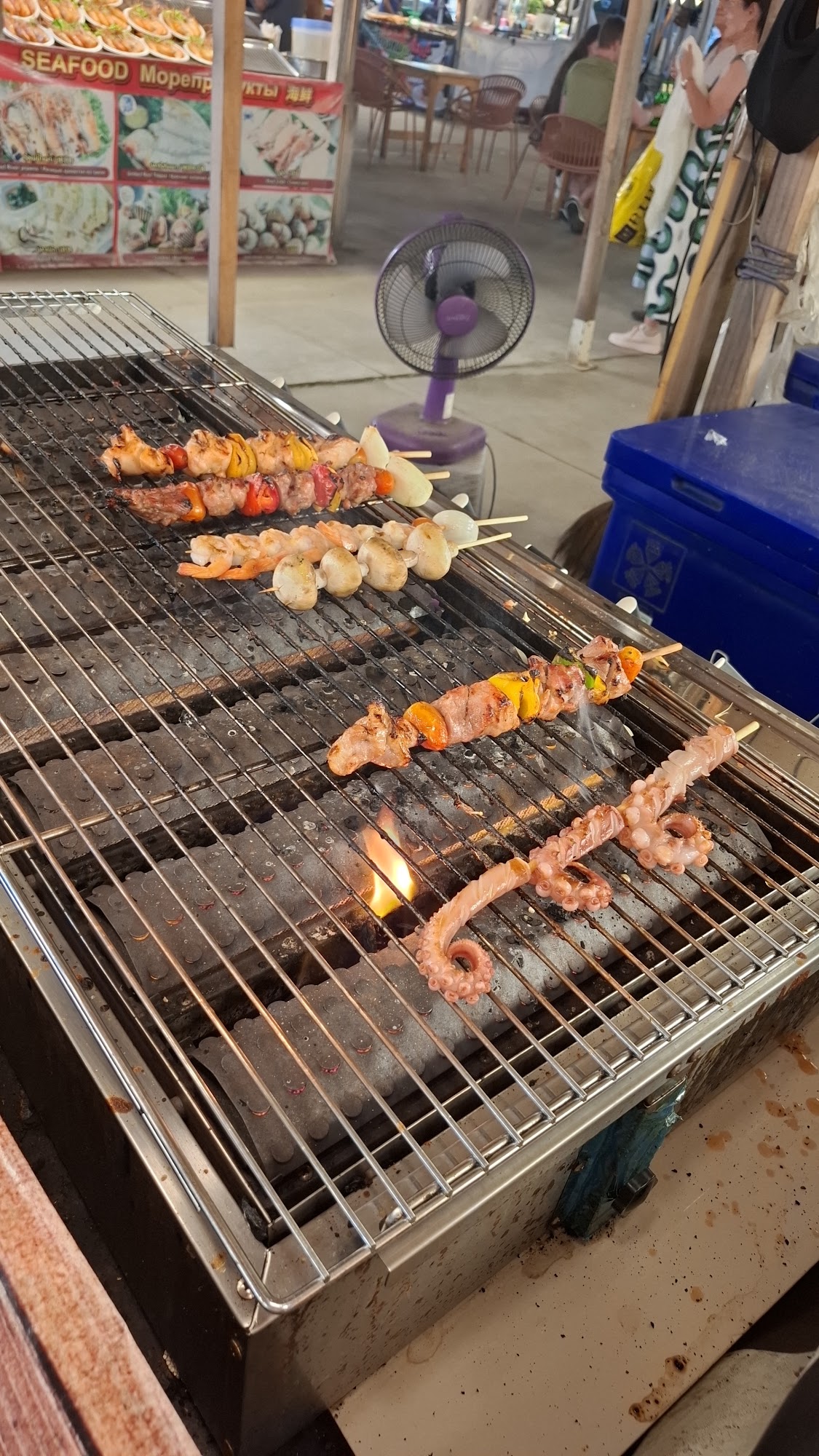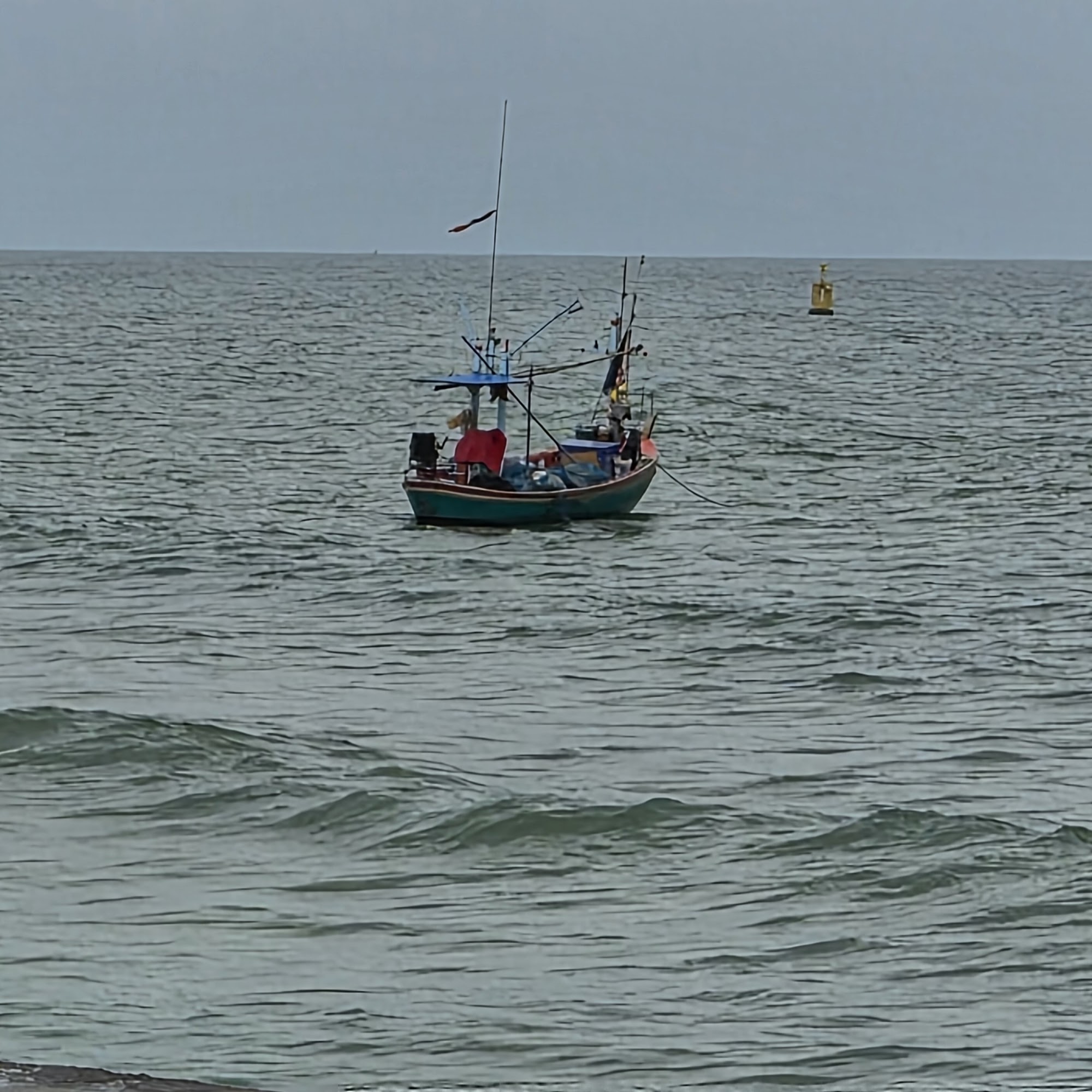
The Similan Islands are an archipelago of eleven granite islands in the Andaman Sea, off Phang Nga province. Protected as a national park, known for clear water and rich reefs, they are not visited like an ordinary beach: you must choose your season, your transport and accept rules.
What the Similans are
Eleven islands, the largest giving its name to the group. The landscape is granite boulders, narrow beaches and forest down to the water. What sets them apart is what lies beneath: healthy coral, abundant fish, turtles, and at times manta rays or whale sharks.
The season
The park closes during the monsoon: generally opening mid-October and closing mid-May, with exact dates set each year by the authorities. Outside that window there is no tourist access.
How to get there
By boat from the coast: mainly Khao Lak, sometimes Phuket or Tap Lamu. From Khao Lak the speedboat takes an hour to ninety minutes; from Phuket, longer, with a road transfer. Many travellers sleep in Khao Lak the night before.
Day trip or cruise
A day trip by speedboat covers two or three islands, snorkelling, and a return in the evening: simplest and cheapest. A liveaboard cruise reaches further sites, allows several dives a day and puts you there at sunrise — more expensive, more demanding, far more satisfying for divers.
Snorkelling
Even without diving, the Similans work with mask and snorkel. Shallow sites offer coral and fish, and visibility is often several metres. Do not touch coral or stand on reefs: it is a rule, and it is enforced.
Diving
For certified divers: Elephant Head Rock, Christmas Point, reefs around Ko Bon. Granite arches and swim-throughs make varied dives. Beginners can do supervised introductory dives, but the best sites need experience.
The main islands
Ko Similan, the largest, has a viewpoint reached by a trail and a beach where boats stop. Ko Miang, second, hosts the park administration and accommodation.
Sleeping there
Accommodation in the park is limited: a few bungalows and tents managed by the administration, to be booked ahead. Conditions are simple, electricity limited. You go for the evening calm and sunrise over the water, not for comfort.
Park fees
Entry is charged to foreign visitors, on top of the excursion price. Rates may change: agencies usually include them. Keep the receipt, it may be checked.
The rules
No touching coral, no feeding fish, no collecting sand or shells, no leaving trails. Some beaches ban fins to protect shallow coral. These rules matter: the archipelago is fragile.
What to pack
Swimsuit, towel, reef-safe sunscreen, hat, water, mask and snorkel if you have them, a dry bag. Avoid ordinary sunscreens in coral areas. Bring cash and a dry change.
Mistakes to avoid
Coming in the monsoon and finding the park closed. Booking without checking departure time and real duration. Leaving from Phuket without accounting for the road transfer. Touching coral to ‘see better’. And forgetting the sea can be rough even in season.
FAQ
Can you visit all year?
No, the park closes during the monsoon, generally mid-May to mid-October.
Do you need to dive?
No, snorkelling is enough to enjoy, but diving opens the best sites.
How long?
A day for an overview, two to four days for a cruise.
With children?
Yes for snorkelling by speedboat, choosing a short day and calm sea.
Is there a signal?
Very little, sometimes none on some islands.
Also read
- Khao Lak and the Similans
- Where to dive in Thailand
To go further
Mr Schaka’s guidebook, Phuket and the Andaman Sea – The Practical Guide, covers the essentials: transport, neighbourhoods, addresses, food, etiquette and safety, updated for 2026–2027.