Category: Thailand Notebook

Practical tips and travel stories from Thailand: Bangkok, Pattaya, Isan, the islands.

  • Lumphini Park Bangkok: a morning in the city’s green lung

    Lumphini Park Bangkok: a morning in the city’s green lung

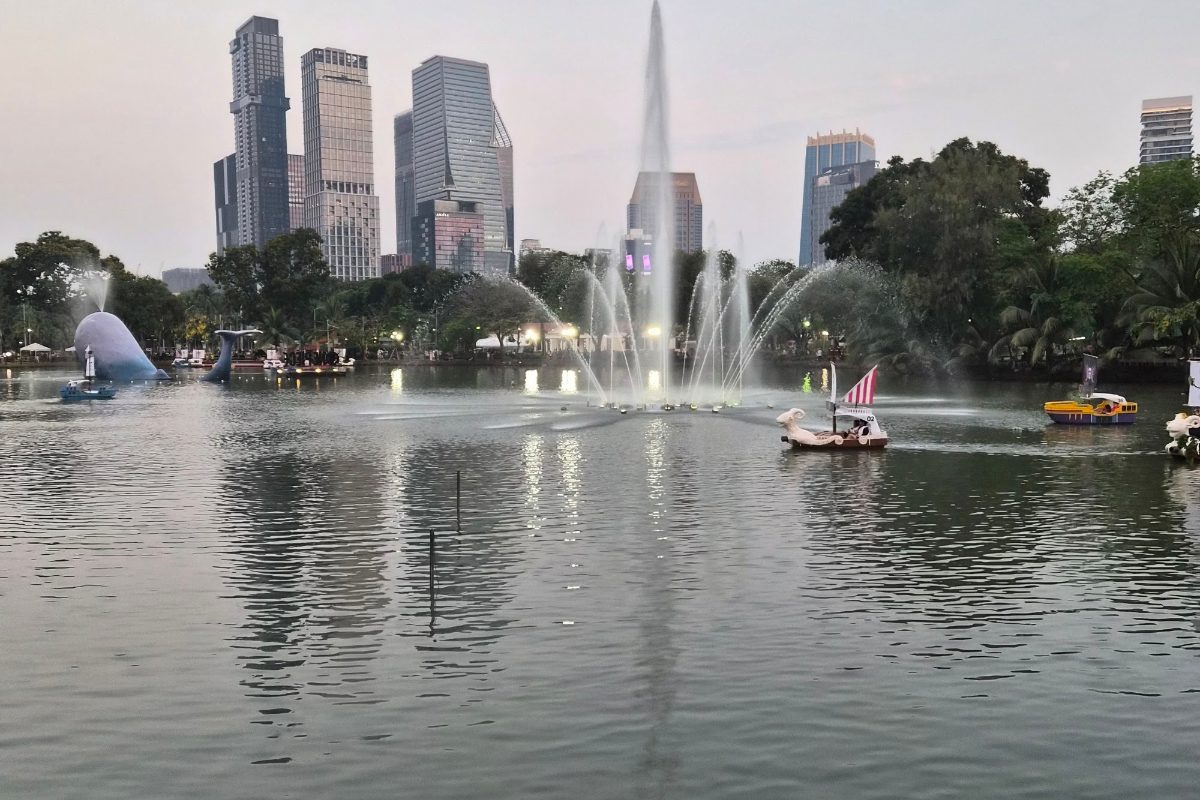
    Right in the middle of Bangkok’s towers, between Silom and Sathorn, there is a place where the city slows down: Lumphini Park. Joggers at dawn, tai chi under the trees, swan boats on the lake and giant monitor lizards sunbathing on the lawns. Bangkok’s first public park celebrated its 100th anniversary in 2025, and it is still the best free escape from the heat and the traffic. Here is how to enjoy it like a local.

    Lumphini Park in a few words: Bangkok’s first public park

    In 1925, King Rama VI gave 360 rai of royal land (about 58 hectares) to create a public park, the first one in the capital. The work took years, and the park slowly became the green heart of Bangkok. A statue of the king stands at the main entrance on Rama IV Road.

    The name comes from Lumbini, the birthplace of the Buddha in Nepal. Today, the park welcomes up to 20,000 people a day, from office workers on their lunch break to grandparents playing Chinese chess.

    Opening hours, entry and how to get there

    • Opening hours: every day from 4:30 am to 9 pm.
    • Entry: free.
    • MRT: Lumphini station (Rama IV / Wireless Road side) or Silom station, right next to the park.
    • BTS: Sala Daeng, about a five-minute walk from the Rama IV entrance, or Ratchadamri on the north-west side.
    • Size: plan at least an hour to walk around calmly. The main jogging loop is about 2.5 km.

    What to do in Lumphini Park

    Watch the city wake up

    Between 5 and 7 am, the park is at its best. Runners circle the lake, groups practise tai chi and sword dancing, and elderly Bangkokians stretch in the shade. It is the coolest time of day and the most authentic.

    Meet the monitor lizards

    Lumphini is famous for its water monitors, some of them more than two metres long. They swim in the lakes, cross the paths and doze on the grass. They are generally shy and harmless if you leave them alone: keep a few metres away, never feed them and never try to touch them. Children love them, from a distance.

    Take a swan boat on the lake

    Pedal boats and rowing boats can be rented on the central lake for a small fee. It is a great moment with kids, with the skyscrapers reflected in the water.

    Stop for the national anthem

    Every day at 8 am and 6 pm, the Thai national anthem is played through the park’s loudspeakers. Joggers stop, people stand still for about a minute, then everything starts again. Do the same: stop and stand quietly until the music ends. It is one of the most striking moments of a visit, and a sign of respect that Thais appreciate.

    Join a free outdoor workout

    At the end of the afternoon, when the heat drops, open-air aerobics and dance sessions often take place near the lake. Anyone can join, no registration needed.

    Walk the Green Bridge to Benjakitti Park

    An elevated walkway, the Green Bridge, links Lumphini to Benjakitti Forest Park, crossing the traffic above the road. It is a pleasant way to continue the walk among the trees, with views over the city.

    #Thailand #Bangkok #ThailandTravel #TravelTips #Asia #MrSchaka

    Mr Schaka’s practical tips

    • Go early or late: before 9 am or after 4 pm. In the middle of the day, the heat is intense.
    • Bring water: vendors sell drinks near the entrances, but carry a bottle anyway.
    • Dress code: sports clothes are fine; there is no special rule.
    • Short of breath or travelling slowly? The park is flat, with many shaded benches: a rare place in Bangkok where you can walk at your own pace.
    • Combine it with Silom: after the park, the rooftop bars and street food of Silom are a few minutes away.

    Frequently asked questions

    Is Lumphini Park free?

    Yes, entry is free every day.

    Are the monitor lizards dangerous?

    They are wild animals but generally avoid people. Keep your distance, do not feed them and watch small children and dogs.

    What is the best time to visit Lumphini Park?

    Early morning, between 5 and 8 am, for the atmosphere and the cooler air, or late afternoon to see the sunset and the outdoor workouts.

    Want everything in your pocket? The free app Thaïlande en poche gives you the parks, transport and useful Thai phrases, even offline.

    Read also: Bangkok with Kids: 10 Family Days Out and Practical Tips
    Cover of Bangkok – The Practical Guide, Mr Schaka’s practical guide to Bangkok

    Want to dig deeper?

    Lumphini is just one stop. Mr Schaka’s guide covers Bangkok neighbourhood by neighbourhood: transport, addresses, scams to avoid and itineraries from 24 hours to a week. Available in English.
  • Thaïlande en poche: a free app for 9 destinations in Thailand

    Thaïlande en poche: a free app for 9 destinations in Thailand

    Places to see, transport, emergency numbers and the traps to avoid: Thaïlande en poche (“Pocket Thailand”) is a free app based on Mr Schaka’s guidebooks to Bangkok, Pattaya, Hua Hin, Chiang Mai, Isan, Koh Samui, Phuket, Krabi and Secret Thailand. It lives on your phone and works even offline.

    Nine destinations: Bangkok, Pattaya, Hua Hin, Chiang Mai, Isan, Koh Samui, Phuket, Krabi and Secret Thailand

    The first time you open it, choose your language, then your destination. Each destination has the same sections: places, getting around, getting there from the airport or from Bangkok, where to stay, a three-day itinerary and a quiz on local traps. You can switch destination at any time with the button at the top of the screen.

    A free app, no app store needed

    Thaïlande en poche installs straight from the website: open mrschaka.com/appli-thailande on your phone and tap “Install”. No account, no ads. Once installed, it stays available offline, even underground on the metro. The app comes in five languages: French, English, Thai, Hindi and Chinese.

    #Thailand #Bangkok #ThailandTravel #TravelTips #Asia #MrSchaka

    What’s inside

    • Places to see, with a button that opens Google Maps, Grab or Bolt to get there.
    • Getting around: the BTS, MRT and river boat in Bangkok, songthaews in Pattaya and Hua Hin, the ferries between Koh Samui, Koh Phangan and Koh Tao, the boats from Phuket to Phi Phi, the longtails from Krabi to Railay, the night trains and boats of Secret Thailand (Koh Lipe, Koh Kood, Kanchanaburi), and the best option for each situation.
    • Getting there: from the airport or from Bangkok, by train, bus, minivan, taxi or Grab, with prices and travel times.
    • Where to stay: how to choose your neighbourhood.
    • Thai phrases to show, and a French ↔ Thai translator.
    • A baht ↔ euro converter and the tourist police number (1155).
    • A “scam or not?” quiz on the ten most common traps in each destination.
    • A three-day itinerary and your saved places.

    Why an app?

    A guidebook is perfect for planning. Once you’re there, you mostly need quick answers: which train to take, what a taxi should cost, how to say “not spicy”. Thaïlande en poche puts the essentials of Mr Schaka’s guidebooks to Bangkok, Pattaya, Hua Hin, Chiang Mai, Isan, Koh Samui, Phuket, Krabi and Secret Thailand into a format made for the street.

    Good to know: information checked in September and October 2026. Entry rules, prices and timetables can change: check official sources before you go.

    Before you leave, also read Bangkok in 3 days and getting around Bangkok.

    Cover of Bangkok – The Practical Guide, Mr Schaka’s practical guide to Bangkok

    Want to dig deeper?

    The app covers the essentials; Mr Schaka’s full guide goes through all 22 chapters: neighbourhoods, sights, transport, budget and etiquette. Available in English.

  • Chao Phraya Express Boat Guide: Flags, Piers and Fares

    Chao Phraya Express Boat Guide: Flags, Piers and Fares

    Of all the ways to get around Bangkok, the river is my favorite. The Chao Phraya is the city’s finest highway: no traffic jams, a breeze on your face, and temples and palaces sliding past for the price of a street-food snack. The Chao Phraya Express Boat is how locals commute along it, and how you’ll most likely reach the Grand Palace, Wat Pho and Wat Arun.

    The system looks chaotic the first time. It isn’t. Once you know what the flags mean and which piers matter, it’s one of the easiest rides in town.

    How the express boat works

    Boats stop at numbered piers along the river. The numbering starts at Sathorn, also called Central Pier, at the foot of BTS Saphan Taksin station. Piers to the north are numbered with an “N,” those to the south with an “S.”

    For most visitors, the journey goes like this: BTS to Saphan Taksin, walk down to Sathorn pier, and ride north toward the old town.

    What the flag colors mean

    The color of the flag at the back of the boat tells you what kind of service it is. Check it before you board: it decides where the boat stops and what you pay.

    FlagServiceFare
    OrangeRegular line, serves most of the tourist piersAbout 20 THB, flat fare
    BlueTourist boat with commentary, stops at the main sightsAbout 60 THB per trip, 300 THB for a day pass
    Yellow, green-yellow, redExpress commuter lines at rush hour, fewer stopsVaries
    No flagLocal service, stops everywhere (weekday rush hours)Varies

    Orange or blue?

    For most trips, the orange flag is the one you want. It’s cheap, frequent enough and stops at the piers visitors actually use. The blue flag tourist boat costs more but adds commentary and stops at the main sights; its day pass makes sense if you plan to hop on and off a lot in one day.

    The yellow, green-yellow and red flags are express services for commuters at rush hour. They skip piers, so make sure yours is on the route before you jump aboard.

    Tip: when a boat pulls in, look at the flag first, then the crowd. If you’re not sure where it stops, ask the staff on the pier. A quick question beats an unplanned trip to Nonthaburi.

    The piers that matter

    You don’t need to learn all of them. These are the ones I actually use:

    • Sathorn (Central Pier): connects with BTS Saphan Taksin. Your starting point.
    • Si Phraya and Oriental: the Charoen Krung neighborhood.
    • Ratchawong: Chinatown.
    • Tha Tien (N8): Wat Pho, plus the ferry across to Wat Arun.
    • Tha Chang (N9): the Grand Palace.
    • Tha Maharaj: Wat Mahathat, Silpakorn and the amulet market.
    • Phra Arthit (N13): Banglamphu and Khao San Road.

    If you’re spending a day among the old town’s temples, my guide to Rattanakosin: the Grand Palace and Wat Pho shows how these piers fit together on foot.

    Fares and hours

    • Orange flag: about 20 THB, whatever the distance.
    • Blue flag: about 60 THB per trip, or 300 THB for a day pass.
    • Commuter flags: fares vary.

    Carry small notes and coins. As anywhere in Bangkok’s everyday life, a 1,000 THB note won’t make you any friends.

    Warning: the boats stop running in the early evening, around 6:30–7 pm for most of them. Don’t plan to ride back downriver after dinner. Have a plan B: the MRT from Sanam Chai, a metered taxi or a Grab.

    #Thailand #Bangkok #ThailandTravel #TravelTips #Asia #MrSchaka

    Crossing the river: the small ferries

    The express boats run up and down the river. To go across it, small cross-river ferries link the two banks at several points, for just a few baht.

    The one every visitor uses is between Tha Tien (Wat Pho side) and Wat Arun on the Thonburi bank. It’s a two-minute crossing with one of the best views in the city. Once you’re over there, the west bank deserves more than a quick visit: see my guide to Thonburi, Wat Arun and the klongs, where you can hire a long-tail boat by the hour to explore the canals.

    Free shuttle boats from Sathorn

    Iconsiam, Asiatique and several of the big riverside hotels run their own free shuttle boats from Sathorn pier. If you’re heading to one of them, there’s no need to buy an express boat ticket.

    A 20-baht sunset ride

    This is the first thing I recommend to friends on their first evening in Bangkok, especially after a long flight when nobody has the energy for real sightseeing.

    • Take the BTS to Saphan Taksin in the late afternoon.
    • Walk down to Sathorn pier and hop on an orange-flag boat heading north.
    • Ride all the way to Phra Arthit.

    For about 20 THB, you glide past the Mandarin Oriental hotel, the Portuguese churches, Wat Arun and the Grand Palace, all bathed in golden light. Get off at Phra Arthit and wander into Banglamphu for a first street-food dinner.

    Since the boats stop in the early evening, don’t count on riding back: head home by taxi, Grab or Bolt.

    Tip: grab a spot near the side or the back of the boat for the best views and the breeze. And keep your phone strap on: the photos of Wat Arun from the water are irresistible.

    One more river option: the Saen Saep canal boat

    If you enjoy the express boat, try its wilder cousin. The Saen Saep canal boat races from the old town (Phan Fa pier, near the Golden Mount) to the east of the city, via Pratunam and the Siam area, for 10 to 20 THB depending on distance. It’s fast and picturesque, but something of a sport: you have to get on and off quickly, and a tarpaulin protects you (more or less) from splashes of rather unappetizing water.

    Putting it all together

    The river is the most pleasant link between modern Bangkok and the old town. A classic combination: BTS to Saphan Taksin, orange boat to Tha Chang for the Grand Palace, a walk to Wat Pho, then the ferry from Tha Tien across to Wat Arun. My Bangkok in 3 Days itinerary builds a whole day around this route, and the full picture of trains, boats and taxis is in Getting Around Bangkok.

    FAQ

    Which Chao Phraya Express Boat flag should I take?

    For most visitors, the orange flag: about 20 THB flat fare and stops at most of the tourist piers. The blue-flag tourist boat costs about 60 THB per trip (or 300 THB for a day pass) and adds commentary.

    Which pier is closest to the Grand Palace?

    Tha Chang (N9) is the pier for the Grand Palace. For Wat Pho, get off at Tha Tien (N8), which is also where the ferry leaves for Wat Arun.

    What time does the Chao Phraya Express Boat stop running?

    Most boats stop in the early evening, around 6:30–7 pm. Plan your return by MRT, taxi or ride-hailing app if you’re staying out later.

    Cover of Bangkok – The Practical Guide

    To go further

    Entry rules, transport, neighborhoods, food and the traps to avoid: Mr Schaka’s guidebook, Bangkok – The Practical Guide, gathers everything you need to plan your stay and find your way around the Thai capital. The English edition is out now as a PDF ebook: buy it here →

  • BTS vs MRT in Bangkok: Which Train Should You Take?

    BTS vs MRT in Bangkok: Which Train Should You Take?

    Bangkok’s traffic jams are legendary, and at rush hour they still live up to the reputation. The good news is that the city now has a clean, air-conditioned and cheap rail network that floats above (or runs beneath) all of it. The slightly confusing news is that it’s really two networks, run separately: the BTS Skytrain and the MRT.

    After years of shuttling between them, here’s my plain-English guide to which one to take, how to pay, and when to avoid both.

    The short answer

    • The BTS is the elevated train. It’s the backbone of the modern city center: Siam, Sukhumvit, Silom and the river pier at Saphan Taksin.
    • The MRT Blue Line is the subway. It’s your train for Chinatown, Hua Lamphong and the old town (Wat Pho and the Grand Palace via Sanam Chai).
    • They meet at a few key stations, but they are separate systems with separate tickets.

    My rule of thumb: to cross the city, take the train; for the last stretch, take a taxi, a Grab or your own two feet; for the old town, take the boat or the MRT.

    The BTS Skytrain: the lines that matter

    The elevated railway opened in 1999 and has three lines:

    • Sukhumvit Line (light green): from the north (Khu Khot, via Mo Chit and Chatuchak) to the east and southeast (Kheha, Samut Prakan), through Siam, Chit Lom, Asok, Phrom Phong, Thong Lo and Ekkamai. If you’re staying on Sukhumvit, this is your line.
    • Silom Line (dark green): from National Stadium to the Bang Wa district west of the river, via Siam, Sala Daeng, Chong Nonsi and Saphan Taksin, the station for the river’s main pier.
    • Gold Line: a small three-station automated shuttle between Krung Thon Buri and Iconsiam.

    The two main lines cross at Siam, the central interchange, where you change without leaving the BTS system.

    The MRT: the Blue Line and the rest

    The MRT has several lines, but as a visitor you’ll mostly use one.

    • Blue Line: a big loop serving Chatuchak, Sukhumvit (change for the BTS at Asok), Lumpini, Silom (change for the BTS at Sala Daeng), Hua Lamphong, Wat Mangkon (Chinatown), Sam Yot and Sanam Chai (Wat Pho and the Grand Palace), before diving under the river and looping back through Thonburi.
    • Purple Line: northwest into Nonthaburi province.
    • Yellow Line (monorail): from Lat Phrao southeast to Samrong, handy for the Srinakarin Rot Fai night market.
    • Pink Line (monorail): across the north of the city from Nonthaburi to Min Buri, with a branch to Muang Thong Thani for the Impact Arena concert venue.

    BTS vs MRT at a glance

    BTS SkytrainMRT (Blue Line)
    TypeElevatedSubway
    Best forSiam, Sukhumvit, Silom, the river pierChinatown, Hua Lamphong, Wat Pho and the Grand Palace
    Fares17–65 THB depending on distanceRoughly 17–45 THB
    Contactless bank cardNot accepted at the gatesAccepted (card or phone)
    Other ways to payTicket machines, 150 THB one-day pass, Rabbit cardJust tap in and out with your card
    HoursAbout 6 am to midnightAbout 6 am to midnight

    How to pay: the big difference

    This is where most first-timers get caught out.

    On the MRT: just tap

    The MRT accepts contactless Visa and Mastercard bank cards. Tap your card (or your phone) on the reader on the way in, and again on the way out. That’s it. For a visitor, it couldn’t be simpler.

    The SRT Red Line trains and the Airport Rail Link also accept contactless cards.

    On the BTS: ticket, pass or Rabbit card

    Warning: the BTS does not accept contactless bank cards at the gates. Tapping your Visa on the reader won’t open anything.

    You have three options:

    • Single tickets from the machines, which now take coins, notes and often QR-code payment.
    • A one-day pass for 150 THB. It pays for itself if you make at least four or five trips that day.
    • The rechargeable Rabbit card, sold at ticket counters on presentation of your passport. For a longer stay, it’s the way to go: no more lines at the ticket machines.

    Tip: if you’re in town for more than a few days and staying near the Skytrain, get the Rabbit card on day one. The time you save at the machines adds up fast, especially at busy stations like Siam and Asok.

    The 20-baht flat fare is not for you

    You may hear about a flat 20 THB fare across the whole network. It does exist, since October 2025, but it’s reserved for Thai citizens registered through a government app with their national ID number. Visitors pay the normal distance-based fare. A common ticketing system for all lines has been announced for 2027.

    #Thailand #Bangkok #ThailandTravel #TravelTips #Asia #MrSchaka

    Changing between the BTS and the MRT

    The two systems connect at several stations, notably:

    • Asok (BTS) / Sukhumvit (MRT)
    • Sala Daeng (BTS) / Silom (MRT)
    • Mo Chit (BTS) / Chatuchak (MRT), in the north, near the weekend market

    Changing means leaving one network and entering the other, with a new ticket. Budget a few minutes for the walk and the gates.

    Which train for which trip?

    Where you’re goingBest option
    Siam malls, Chit Lom, SukhumvitBTS Sukhumvit Line
    Silom, LumpiniBTS Silom Line or MRT Blue Line
    Wat Pho and the Grand PalaceMRT to Sanam Chai, or BTS to Saphan Taksin then the boat
    ChinatownMRT to Wat Mangkon
    IconsiamBTS Gold Line from Krung Thon Buri
    Suvarnabhumi AirportAirport Rail Link from Phaya Thai (BTS) or Makkasan (linked to MRT Phetchaburi)

    If you haven’t booked your hotel yet, staying within walking distance of a BTS or MRT station makes everything easier. I compare the neighborhoods in Where to Stay in Bangkok.

    Rush-hour survival tips

    The network is wonderful, until 8 am on a Tuesday.

    • Avoid the peaks: roughly 7:30–9:30 am and 5–7:30 pm. BTS trains are packed.
    • Let one or two trains go by if you can’t get on comfortably. Another one is coming.
    • Travel light at rush hour. The Airport Rail Link, in particular, is uncomfortable with big suitcases when it’s full.
    • Bring a light layer. The air-conditioning in stations and trains is serious.

    A few rules on board

    • No eating or drinking in stations or on trains. And no durian, ever.
    • Some seats are reserved for monks, the elderly, pregnant women and children: give them up.
    • Last trains run around midnight. After that, it’s Grab, Bolt or a metered taxi.

    For the bigger picture, including boats, taxis, tuk-tuks and walking, see my full guide to Getting Around Bangkok, and if you want to put it all into practice, my Bangkok in 3 Days itinerary uses the trains (and the river) to link the sights.

    FAQ

    Can I use my credit card on the BTS?

    No. The BTS does not accept contactless bank cards at the gates. Buy a ticket from a machine, get a 150 THB one-day pass, or use a Rabbit card. The MRT, on the other hand, does accept contactless Visa and Mastercard.

    Is the BTS or the MRT better for the Grand Palace?

    The MRT Blue Line takes you to Sanam Chai station, close to Wat Pho and the Grand Palace. The scenic alternative is the BTS to Saphan Taksin, then a boat up the river.

    Can one ticket cover both the BTS and the MRT?

    Not for now. They’re separate networks, and changing between them means exiting one and paying again on the other. A common ticketing system has been announced for 2027.

    Cover of Bangkok – The Practical Guide

    To go further

    Entry rules, transport, neighborhoods, food and the traps to avoid: Mr Schaka’s guidebook, Bangkok – The Practical Guide, gathers everything you need to plan your stay and find your way around the Thai capital. The English edition is out now as a PDF ebook: buy it here →

  • Thailand Digital Arrival Card (TDAC) 2026: Step-by-Step Guide

    Thailand Digital Arrival Card (TDAC) 2026: Step-by-Step Guide

    Remember the little paper form the flight attendants used to hand out somewhere over the Indian Ocean, the one you filled in on your knee with a borrowed pen? It’s gone. Since May 2025, every foreign visitor to Thailand completes the Thailand Digital Arrival Card (TDAC) online before landing. I fly into Bangkok several times a year, and the process now takes me about as long as a coffee. The only real traps are doing it at the wrong time and doing it on the wrong website.

    Here’s how to get it right in 2026.

    What is the TDAC?

    The TDAC is Thailand’s digital arrival card. It replaces the old paper form and collects the same kind of information: who you are, how you’re arriving and where you’ll be staying. Three things to remember:

    • Every foreign visitor must complete it.
    • It’s done online, before you arrive.
    • It’s free. Completely. Always.

    The TDAC is not a visa and it doesn’t replace one. It’s simply the arrival card, in digital form.

    When to fill it in

    You complete the TDAC within the three days before your arrival in Thailand. Not weeks ahead when you book your flight, and ideally not in a panic at the boarding gate either.

    My own habit: I fill it in the evening before I fly, at home, with my passport on the table and a decent internet connection. If something goes wrong, I still have time to fix it calmly.

    Tip: count the three days from your arrival date in Thailand, not your departure date. On a long-haul overnight flight from Europe or the US, you often land the day after you take off.

    What you need before you start

    Gather these before you open the form, and the whole thing takes a few minutes:

    • Your passport, the one you’ll travel on (the details must match exactly).
    • Your flight details for the flight that lands in Thailand.
    • Your address in Thailand: the hotel, guesthouse or apartment where you’re staying.
    • An email address you can check on your phone, since that’s where the confirmation arrives.

    How to fill in the TDAC, step by step

    Step 1: Go to the official website

    The only official site is the Thai Immigration Bureau’s: tdac.immigration.go.th. Type the address yourself in your browser rather than clicking the first search result. Sponsored results are exactly where the copycat sites like to sit (more on them below).

    Step 2: Enter your passport details

    Copy your details exactly as they appear on your passport. Take your time here: a typo in a passport number is the kind of small mistake that becomes a big conversation at an immigration desk.

    Step 3: Add your flight

    Enter the details of the flight that brings you into Thailand. If you’re connecting through another country, it’s the final flight, the one that actually lands in Thailand, that matters.

    Step 4: Give your address in Thailand

    Enter where you’ll be staying. A hotel name and address is perfect. If you’re moving around the country, use the place where you’ll sleep when you arrive.

    Step 5: Complete the health declaration

    There’s a brief health declaration at the end. Answer honestly; it only takes a moment.

    Step 6: Submit and save your confirmation

    Once you submit, you receive a confirmation with a QR code by email. Keep it on your phone and, to be safe, take a screenshot as well. Airport Wi-Fi and roaming don’t always cooperate the moment you need them.

    #Thailand #Bangkok #ThailandTravel #TravelTips #Asia #MrSchaka

    What happens at the airport

    At immigration, have three things ready: your passport, your TDAC confirmation and your hotel address. Depending on the time of day, immigration can take anywhere from 20 minutes to over an hour at Suvarnabhumi, so having everything in hand saves you fumbling in the queue.

    The officer may also ask for:

    • a passport valid for at least six months beyond your date of entry;
    • a return or onward ticket dated before the end of your permitted stay;
    • the address of your accommodation;
    • less often, proof of sufficient funds.

    If you want to know what comes next, from SIM cards to the cheapest ride into town, I’ve covered it in Arriving in Bangkok: from the airport to the city.

    How to avoid the fake TDAC websites

    This is the part that matters most. Many websites imitate the official form, often with Thai flags, official-looking logos and words like “fast,” “assisted” or “guaranteed.” Then they charge you for the privilege: €20, €50, even €90 for a form that costs nothing.

    Warning: the TDAC is free. If a website asks you for a card number at any point, you’re on the wrong site. Close the tab and go to tdac.immigration.go.th.

    A few simple reflexes:

    • Check the address bar. The official form lives on tdac.immigration.go.th. Anything else is not the Immigration Bureau.
    • Be wary of ads. A sponsored search result is not a sign that a site is official.
    • Ignore “processing” or “express” options. There’s nothing to speed up on a free form you fill in yourself.
    • Don’t trust links in unsolicited emails or messages about your “arrival card.”

    Fake TDAC sites belong to the same family as fake hotel websites and fake ticket sellers. I’ve rounded up the most common traps, online and on the street, in Bangkok Scams: how to avoid them.

    The TDAC is not your visa

    Filling in the TDAC doesn’t tell you how long you can stay. That’s a separate question, and the rules changed recently: the 60-day visa exemption that many nationalities enjoyed from July 2024 ended on September 15, 2026. Since then, citizens of around sixty countries are entitled to a 30-day visa exemption, which can be extended once, by up to 30 days, at an immigration office.

    Visa rules have shifted several times in recent years, so check the official Thai e-Visa portal or the Royal Thai Embassy in your country before you book. I keep a full breakdown in Thailand Visa in 2026: entry requirements.

    And about the “tourist tax” you may have read about: as of September 2026, no entry fee is being collected yet. A 450 THB fee was approved in principle in August 2026, but it still has hurdles to clear and how it will be paid hasn’t been decided. If you’re traveling in 2027, check before you leave.

    My quick TDAC checklist

    • Fill it in within the three days before arrival.
    • Use tdac.immigration.go.th only.
    • Pay nothing.
    • Double-check your passport details.
    • Save the QR code email and a screenshot.
    • Keep your hotel address handy for immigration.

    FAQ

    Is the Thailand Digital Arrival Card free?

    Yes. The TDAC is free on the official site, tdac.immigration.go.th. Any website asking you to pay is not the official service, whatever its logo looks like.

    How early can I fill in the TDAC?

    You complete it within the three days before your arrival in Thailand. Count from the day you land, not the day you take off.

    Do I need to show the TDAC at immigration?

    Have your TDAC confirmation ready on your phone, along with your passport and your hotel address. A screenshot of the QR code is a good backup in case you have no connection when you land.

    Cover of Bangkok – The Practical Guide

    To go further

    Entry rules, transport, neighborhoods, food and the traps to avoid: Mr Schaka’s guidebook, Bangkok – The Practical Guide, gathers everything you need to plan your stay and find your way around the Thai capital. The English edition is out now as a PDF ebook: buy it here →

  • Where to see the Naga fireballs this year?

    Where to see the Naga fireballs this year?

    Every year, at the end of Buddhist Lent, balls of light are reported above the Mekong in Nong Khai province. The phenomenon, called the Naga fireballs, draws Thai visitors and a few foreigners.

    This year the end of Lent falls on 26 October, and Rattanawapi district has prepared a three-day programme from 24 to 26 October.

    The phenomenon

    The fireballs are described as points of light rising from the river surface, silently, before disappearing. Locals see a manifestation of the Naga, a mythological water creature.

    Scientists suggest natural explanations linked to gas or light phenomena. The debate remains open, and the mystery is part of the appeal.

    The date

    The end of Buddhist Lent, or Ok Phansa, marks the end of the monks’ retreat during the rainy season. It falls on 26 October this year. Celebrations last several days, with ceremonies and local festivals.

    The Rattanawapi programme

    The district published a detailed programme. On 24 October, an alms-giving ceremony is planned at seven, followed by a traditional boat race at ten, an aerobics display at four and student performances at seven.

    On 25 October, the day starts with a local produce market, then a Naga tribute ceremony at 18:29, the official opening at 19:00 with more than a thousand dancers, and a charity concert at 20:30.

    On 26 October, local produce stalls are open all day, and a display of illuminated boats is planned at 18:00.

    Where to go

    The Mekong banks in Rattanawapi district are the busiest viewing points. Visitors settle early to find a spot. Other districts also organise events, with a more local crowd.

    How to get there

    Nong Khai is reached by train from Bangkok, with overnight services, or by air via Udon Thani, an hour away.

    Rattanawapi district is about an hour from Nong Khai town, and a vehicle is needed.

    Where to stay

    Accommodation in Nong Khai is limited and fills up at this time. Book ahead, or stay in Udon Thani. Some visitors sleep in villages, but the offer is restricted.

    #Thailand #NongKhai #MrSchaka

    Precautions

    The crowd is dense on the evening of 26 October, so arrive early. Roads may be closed and parking is difficult.

    Respect ceremonies, do not disturb worshippers and avoid noisy behaviour.

    Weather

    Late October marks the transition between the rainy and cool seasons. Evenings can be cool, so bring a warm layer.

    FAQ

    Are the fireballs guaranteed?

    No. Locals come to watch traditionally, and sightings vary.

    Is there a fee?

    Access to the banks is free, but some events or seats may be charged.

    With children?

    Yes, but the crowd and noise require care.

    How many days?

    Two nights allow you to follow the celebrations.

    What to do in Nong Khai?

    The market, the sculpture park and the Mekong banks deserve a day.

    Sources and references

    Cover of Isan – The Practical Guide

    To go further

    Mr Schaka’s guidebook, Isan – The Practical Guide, covers the essentials: transport, neighbourhoods, addresses, food, etiquette and safety, updated for 2026–2027.

  • Grab and Bolt in Thailand: a practical how-to guide for 2026

    Grab and Bolt in Thailand: a practical how-to guide for 2026

    When I am in Bangkok, I use a ride-hailing app almost every day. Grab and Bolt in Thailand have changed life for travellers: no more haggling, the price is shown before you get in and the driver knows where he is going. Here is my how-to guide, from signing up to leaving the airport.

    Grab and Bolt: two apps, two approaches

    Grab is the leading app in South-East Asia. You will find it in every large Thai city and in many medium-sized towns. It offers private cars, official taxis booked through the app, motorbike taxis, and food delivery too.

    Bolt, which arrived later, competes on price. In my experience, the same journey is often slightly cheaper on Bolt, but there are sometimes fewer drivers, especially outside Bangkok. Bolt offers several categories: economy, standard, comfort, larger cars with up to six seats, taxi, and motorbike for a single passenger.

    My habit: I keep both apps on my phone and compare before booking. The difference can change from one hour to the next, especially at rush hour or when it rains.

    Sign up before you leave

    The easiest way is to create your accounts at home, before the trip. You sign up with a phone number (or an email address) and a verification code sent by text message. If you switch SIM cards on arrival, you may no longer receive that code, so do the verification with your usual number.

    • Download Grab and Bolt from your phone’s official app store.
    • Confirm your number by text message, and add your name and a photo if asked.
    • Allow location access: without it, the driver will not find you.
    • Keep a working internet connection on the spot, with an eSIM or a local SIM card.

    For staying connected, an eSIM bought before departure or a SIM card picked up at the airport does the job very well. Without mobile data, these apps are useless.

    Paying: cash or bank card

    Both apps accept cash and bank cards. With a card, the amount is charged at the end of the ride and there is nothing to take out of your wallet. It is convenient, but some foreign cards, especially some prepaid travel cards, are sometimes declined at the moment of payment. So I always keep a back-up card and a few banknotes.

    If you pay cash, carry small notes: drivers do not always have change for a 1,000-baht note. To withdraw and exchange at the best rate, see my guide money in Thailand: cards, ATMs and exchange.

    One thing worth knowing: motorway tolls are generally not included in the price shown. The driver will ask you to pay them in cash at the toll gate, or add them at the end. That is normal, not a scam. Tipping is optional; you can round up or tip in the app.

    Prices: what makes them vary

    The fare is calculated before the ride and depends on the distance, the category you choose and demand. At rush hour, on a Friday evening or during a monsoon downpour, it can rise sharply. Waiting ten minutes or walking to a less congested street is sometimes enough to bring it down.

    Motorbike taxis (GrabBike, Bolt motorbike) are the cheapest and fastest option in traffic jams, but I only recommend them to travellers who are comfortable on two wheels, wearing the helmet provided. For a car ride in central Bangkok, expect a few hundred baht in general; from Suvarnabhumi airport to the centre, roughly 350 to 600 baht excluding tolls depending on the time and category, to be checked in the app when you book.

    In the centre, the Skytrain is often faster at rush hour: I explain how to use it in getting around Bangkok: BTS, MRT and boat.

    At Bangkok’s airports

    Suvarnabhumi (BKK)

    Grab has an official pick-up point on Level 1 of the terminal, at Gate 4, open day and night. When booking, choose the “Grab Pick-up Point” option: the app gives you a four-digit PIN. You join the queue, give the code to the waiting driver, and off you go. Grab has also announced advance booking linked to your flight number, planned for late 2026.

    For Bolt, the app itself shows the airport pick-up points, which may change. Follow the on-screen directions and the “ride-hailing” signs on site.

    #Thailand #Bangkok #ThailandTravel #TravelTips #Asia #MrSchaka

    Don Mueang (DMK)

    Since March 2026, Don Mueang airport has required designated pick-up points. For Grab, they are on Level 1: Gates 3 and 4 of the international terminal, Gates 11 to 14 of the domestic terminal. These locations may change: rely on the app and the signs on the day.

    Safety: good habits

    These apps are generally safe, which is precisely why I use them. The driver’s name, photo, number plate and car model appear before he arrives, and the journey is tracked live.

    • Always check the number plate before getting in. If it does not match, do not get in.
    • Never follow someone who approaches you in the arrivals hall claiming to be a “Grab driver”.
    • Share your trip with someone close to you using the app’s sharing feature.
    • Pay what the app shows, plus tolls, and nothing else.
    • Sit in the back and fasten your seat belt.

    For other classic traps, I wrote a dedicated article: scams in Bangkok and how to avoid them.

    Outside Bangkok

    Grab works well in Chiang Mai, Pattaya, Phuket, Hua Hin and Khon Kaen. Bolt is present in several large cities, but not everywhere. In the small towns of Isan and on some islands, you will sometimes find very few drivers, or none at all: local songthaews, tuk-tuks and motorbike taxis are then the solution, with a price agreed before you set off.

    My practical tips

    • Install Grab and Bolt and verify your number before leaving home.
    • Always compare both apps before booking.
    • Keep small notes for tolls and a back-up bank card.
    • Place the pick-up pin carefully: in Bangkok, a one-way street can cost you twenty minutes.
    • Use the in-app chat; it often offers automatic translation into Thai.
    • Show the destination address in Thai if it is complicated, or the name of a major landmark nearby.
    • At airports, only use the official points shown in the app.

    Frequently asked questions

    Do I need a Thai phone number?

    No. You can sign up with your usual number, but you must receive the verification text. The easiest way is to do it before you leave.

    Grab or Bolt: which is cheaper?

    Bolt is often slightly cheaper, but not always, and there are sometimes fewer drivers. Compare both when you book.

    Are tolls included in the price?

    Generally not. You pay them on top, in cash, to the driver or at the toll gate. Keep some change handy.

    Where do I catch a Grab at Suvarnabhumi airport?

    On Level 1, Gate 4, by choosing the “Grab Pick-up Point” option in the app to get a PIN. Check on site, as the arrangements may change.

    Cover of Bangkok – The Practical Guide

    To go further

    Mr Schaka’s guidebook, Bangkok – The Practical Guide, covers the essentials: transport, neighbourhoods, addresses, food, etiquette and safety, updated for 2026–2027.

  • Why is Thailand reassuring tourists?

    Why is Thailand reassuring tourists?

    The Chinese embassy in Thailand issued an alert urging its nationals to be cautious, mentioning risks of kidnapping and job scams. The news was picked up by several international media, and the Thai government responded by reaffirming the country’s safety and its willingness to cooperate with Beijing.

    For a traveller, it is important to separate ordinary tourism from very specific criminal networks.

    What the alert says

    According to media that relayed it, the alert mentions kidnappings and fraudulent job offers linked to scam networks operating in the region.

    These networks recruit people through attractive ads, then hold them in scam centres, often near borders.

    The Thai response

    The Thai deputy prime minister said tourist safety was a priority and announced stronger cooperation with China to protect visitors.

    Authorities stress that tourist areas are safe and that measures have been taken against criminal networks.

    What it means

    The ordinary tourist visiting temples, beaches or cities is not the target of these networks. Risks mainly concern people attracted by dubious job offers.

    An alert linked to criminal networks should not be confused with a general danger for travellers.

    Job scams

    Offers promising well-paid work with no experience or visa are a warning sign. Recruiters often ask people to come as tourists, then cross a border.

    Never hand your passport to an intermediary, or accept a job without written conditions.

    Border areas

    Some areas near the Burmese and Cambodian borders host scam centres. Travellers rarely go there, but avoid ‘visits’ or ‘jobs’ proposed in those sectors.

    #Thailand #Safety #MrSchaka

    Simple precautions

    Keep documents safe, avoid offers that seem too good, and check information with official sources. Emergency numbers, such as the tourist police, are useful.

    If something goes wrong, contact your embassy and local authorities.

    FAQ

    Should I cancel a trip?

    No, if travelling normally. Tourist areas remain safe.

    What does the alert say?

    It mentions kidnappings and job scams, according to the media.

    Are tourists targeted?

    Networks mainly target people attracted by job offers.

    What precautions?

    Avoid dubious job offers and isolated border areas.

    Who to contact?

    Tourist police, your embassy and local authorities.

    Sources and references

    Cover of Bangkok – The Practical Guide

    To go further

    Mr Schaka’s guidebook, Bangkok – The Practical Guide, covers the essentials: transport, neighbourhoods, addresses, food, etiquette and safety, updated for 2026–2027.

  • Slow travel in Thailand: fewer stops, more time, less fatigue

    Slow travel in Thailand: fewer stops, more time, less fatigue

    For a long time I travelled like many people do: as many stops as possible, packed days and suitcases repacked every other day. Today I practise slow travel in Thailand: fewer places, more time in each, and a pace that leaves room for rest. Here is how I organise a restful stay without feeling that I’m missing out on the country.

    Why travel slowly in Thailand

    Thailand lends itself particularly well to slow travel. The climate is hot and humid for much of the year, and the heat is more tiring than you might think. Distances are also longer than they look on the map: a travel day is often a whole day, between waiting, the journey itself and settling in.

    Travelling slowly means accepting that you won’t see everything. In return, you discover something else: the neighbourhood market where people end up recognising you, the little restaurant you go back to every evening, the nearby temple you visit early in the morning while it is still quiet. You no longer consume places, you live in them a little. And you come home rested, which is not always the case after a multi-stop tour.

    Fewer stops: my “bases” rule

    My method is simple: I choose a few bases and stay at least a week in each. From each base I take day trips, then come back to sleep in the same place. No more endless repacking.

    • For two weeks: two bases, for example Bangkok and then a quiet seaside resort such as Hua Hin.
    • For three or four weeks: three bases at most, for example Bangkok, Chiang Mai and a beach.
    • For a whole winter: just one or two bases, with accommodation rented by the month. I talk about this in my article on spending the winter in Thailand after 50.

    Chiang Mai is an ideal base for this kind of stay: the city is human-sized, there are plenty of excursions and the pace is gentler than in Bangkok. I have devoted a whole article to it, Chiang Mai for slow travellers.

    Getting around gently

    Transport is often what tires you most. A few simple choices make all the difference.

    • The train: my favourite way to cover long distances. The night train between Bangkok and Chiang Mai leaves from Krung Thep Aphiwat station and takes around 11 to 13 hours. A sleeper berth lets you lie down and arrive without losing a day. Book on the official website of the State Railway of Thailand (SRT), especially in high season.
    • Flying: for long distances, a one-hour domestic flight is often less tiring than a long day on a bus. Allow plenty of time for the airport and plan nothing else that day.
    • A private driver: for journeys of a few hours, such as Bangkok to Hua Hin or to a beach in the east, hiring a car with a driver lets you leave when you want and stop whenever you need to.
    • One long journey a day: I never combine a flight and a long drive on the same day.

    Choosing accommodation you want to stay in

    When you stay a week or more, your accommodation matters far more than for a single night. I mainly look for:

    • a lift and easy access, without long flights of steps;
    • public transport, a convenience shop and a few restaurants within walking distance;
    • a pool or a shady spot for the afternoon, when it is too hot to go out;
    • a kitchenette or at least a fridge, for cold water and fruit;
    • weekly or monthly rates, often better value than the nightly price.

    #TheSeasonOfBreath #Thailand #TravelStory #TrueStory #MrSchaka

    A typical slow-paced day

    My rhythm follows the heat. In the morning, between 7am and 10am, it is cooler: the time to visit a temple, walk in a park or go to the market. Late in the morning I head back. In the afternoon, when the sun is at its strongest, it is pool, nap, reading or somewhere air-conditioned. Around 5pm the city comes back to life: a stroll, a night market, a simple dinner. I never plan more than one major activity a day, and I keep at least one day a week with nothing planned.

    Health and comfort on a long stay

    I am not a doctor, and everyone’s situation is different. Before a long stay, especially if you have a chronic illness or are short of breath, talk to your doctor: they can advise you on your treatment, vaccinations and the precautions to take. Bring enough medication, with the prescription, and take out travel insurance that properly covers medical costs on the spot.

    Beyond that, a few simple habits help: drink regularly, protect yourself from the sun, wear light clothing and don’t hesitate to take a taxi rather than walk in the full heat. If you have breathing difficulties, my article on travelling in Thailand when you are short of breath offers more ideas.

    My practical tips

    • Choose the cool season, roughly November to February, if you don’t cope well with heat.
    • Allow at least a week per base and at least one full rest day after each long journey.
    • Book the first nights in advance, then extend on the spot if you like the place: this is often possible outside high season.
    • Before leaving, check the entry rules and permitted length of stay for your nationality: they change regularly, so ask the Thai embassy.
    • Get a local SIM card or eSIM as soon as you arrive: transport apps, maps and translation make everything easier.
    • Keep some time free of screens and plans: that is often when you meet people and really enjoy yourself.
    • Keep useful numbers, such as your insurer and your accommodation, both in your phone and on paper: if anything goes wrong, you will always have them to hand.

    Frequently asked questions

    How many stops for three weeks in Thailand?

    For a restful stay, two or three bases are plenty, with day trips from each of them.

    Train or plane to Chiang Mai?

    The plane is faster; the night train is more of an experience and lets you sleep lying down. Both suit slow travel, as long as you plan some rest on arrival.

    What is the best season for slow travel?

    The cool season, roughly November to February, is the most pleasant. The rest of the year is possible too, provided you adapt your pace to the heat or the rain.

    Is slow travel more expensive?

    Often not: you spend less on transport, and weekly or monthly rentals generally cost less than a string of hotel nights.

    Cover of The Season of Breath

    The book

    Mr Schaka lives with pulmonary fibrosis and has been travelling in Thailand for years. In The Season of Breath he tells the story of that journey, one step at a time, with humour and no self-pity.

  • What happened in the Bangkok boat collision?

    What happened in the Bangkok boat collision?

    A tourist boat collided with a pontoon in Bangkok, injuring twelve people, including foreigners, according to reports from Thai media and news agencies. The incident occurred on the river, in an area busy with cruises and transport boats.

    The reported facts call for a few useful reminders for travellers considering a trip on the water.

    What is known

    Rescue services were sent to the scene and the injured were treated. The figure of twelve injured, including foreign nationals, comes from initial reports.

    The exact circumstances were not fully established at the time of publication: investigators must determine responsibilities and causes.

    Context

    Bangkok is a city of water, crossed by the Chao Phraya and laced with canals. Boats are a common means of transport, and evening tourist cruises are popular.

    This traffic explains why incidents, though rare, attract attention.

    Transport boats

    River shuttles and canal boats carry thousands of passengers daily, with standards that have tightened over the years.

    Life jackets are generally available, but wearing them is not always compulsory or enforced.

    Tourist cruises

    River cruises, often in the evening, attract many visitors. Vessels vary widely: some are recent and well maintained, others older.

    Check the boat’s condition, the presence of jackets and the number of passengers before boarding.

    Practical advice

    Locate the exits and the life jackets as you board. If in doubt about safety, walk away: no outing is worth a risk.

    Avoid visibly overloaded boats and do not stand on parts not designed for it.

    #Thailand #Bangkok #MrSchaka

    At night

    Night cruises add darkness to the usual risks. Jackets are harder to find and visual references less obvious.

    Stay seated during manoeuvres and follow crew instructions.

    Insurance

    Travel insurance covering water activities is recommended. Medical costs can be high and procedures long.

    FAQ

    Should I avoid Bangkok boats?

    No, but choose serious operators and check safety equipment.

    Are jackets compulsory?

    They are available, but wearing them is not always required.

    Are cruises safe?

    Most are, with regular checks. Caution remains essential.

    What to do in an incident?

    Follow the crew, put on a jacket and help others if possible.

    Should I report a problem?

    Yes, to port authorities and the operator.

    Sources and references

    Cover of Bangkok – The Practical Guide

    To go further

    Mr Schaka’s guidebook, Bangkok – The Practical Guide, covers the essentials: transport, neighbourhoods, addresses, food, etiquette and safety, updated for 2026–2027.