Category: Thailand Notebook

Practical tips and travel stories from Thailand: Bangkok, Pattaya, Isan, the islands.

  • A Thailand sound journal: telling a walk through what you hear

    A Thailand sound journal: telling a walk through what you hear

    A travel memory can begin with listening. During a walk in Thailand, try dedicating a journal page to sounds. This is an observation exercise, not an account of something the author personally experienced.

    Three listening moments

    • While standing still, identify one nearby sound and one distant sound.
    • After walking a little, note what changes.
    • Back at your accommodation, write down the sound you remember best.

    Turn notes into a story

    Add the place and date. Separate what you heard from any explanation you imagine. Leave a sound’s origin unresolved if you do not know it. A few precise lines are better than a reconstructed scene.

    #Thailand #Travel #MrSchaka

    FAQ

    Should I record conversations?

    No. Notes are enough; do not record private conversations without consent.

    Can I do this in a place of worship?

    Only when your presence and the venue’s rules allow it, without interrupting activities.

    Cover of Bangkok – The Practical Guide

    To go further

    Mr Schaka’s guidebook, Bangkok – The Practical Guide, covers the essentials: transport, neighbourhoods, addresses, food, etiquette and safety, updated for 2026–2027.

  • Phrae: looking at historic houses around Khum Chao Luang

    Phrae: looking at historic houses around Khum Chao Luang

    Phrae offers a way into northern heritage through its houses. TAT highlights Khum Chao Luang and Khum Wong Buri for their decorative woodwork.

    Start with one address

    Locate Khum Chao Luang on your map and confirm visiting arrangements. An attractive façade does not guarantee public access inside. Keep the second house optional, depending on time and opening arrangements.

    Three details to find

    • The rhythm of windows and doors across a façade.
    • The difference between structural wood and decorative fretwork.
    • The shade cast by projecting roof edges.

    Afterwards, sketch a detail from memory and compare it with your photograph. This encourages close observation without collecting stops.

    #Thailand #Travel #MrSchaka

    FAQ

    Do I need architectural expertise?

    No. Describe what you see first, then consult the information panels.

    Can visitors enter every house?

    Only enter areas explicitly open to the public.

    Sources and further reading

    Cover of Bangkok – The Practical Guide

    To go further

    Mr Schaka’s guidebook, Bangkok – The Practical Guide, covers the essentials: transport, neighbourhoods, addresses, food, etiquette and safety, updated for 2026–2027.
  • Phimai from Korat: planning a day around the Khmer sanctuary

    Phimai from Korat: planning a day around the Khmer sanctuary

    Phimai Historical Park lies in Nakhon Ratchasima province, roughly 60 kilometres from Korat. Its Khmer sanctuary rewards a patient look at alignments and carved details.

    Arrange the excursion

    Work out the connection to Phimai and the return to your accommodation first. If using local transport, confirm the last departure. Tourist listings give differing opening hours, so ask the park about your chosen date.

    A simple way to look

    • Study a gateway from a distance, then approach its details.
    • Choose a carving and note what you see before reading its explanation.
    • Take a shaded break and keep off protected structures.

    FAQ

    #Thailand #Travel #MrSchaka

    Is this a quick outing from Bangkok?

    It fits more comfortably into a stay around Korat. Calculate the complete connections.

    Do I need to know Khmer history?

    No. Site information offers a starting point; compare the explanation with what you can actually see.

    Sources and further reading

    Cover of Isan – The Practical Guide

    To go further

    Mr Schaka’s guidebook, Isan – The Practical Guide, covers the essentials: transport, neighbourhoods, addresses, food, etiquette and safety, updated for 2026–2027.
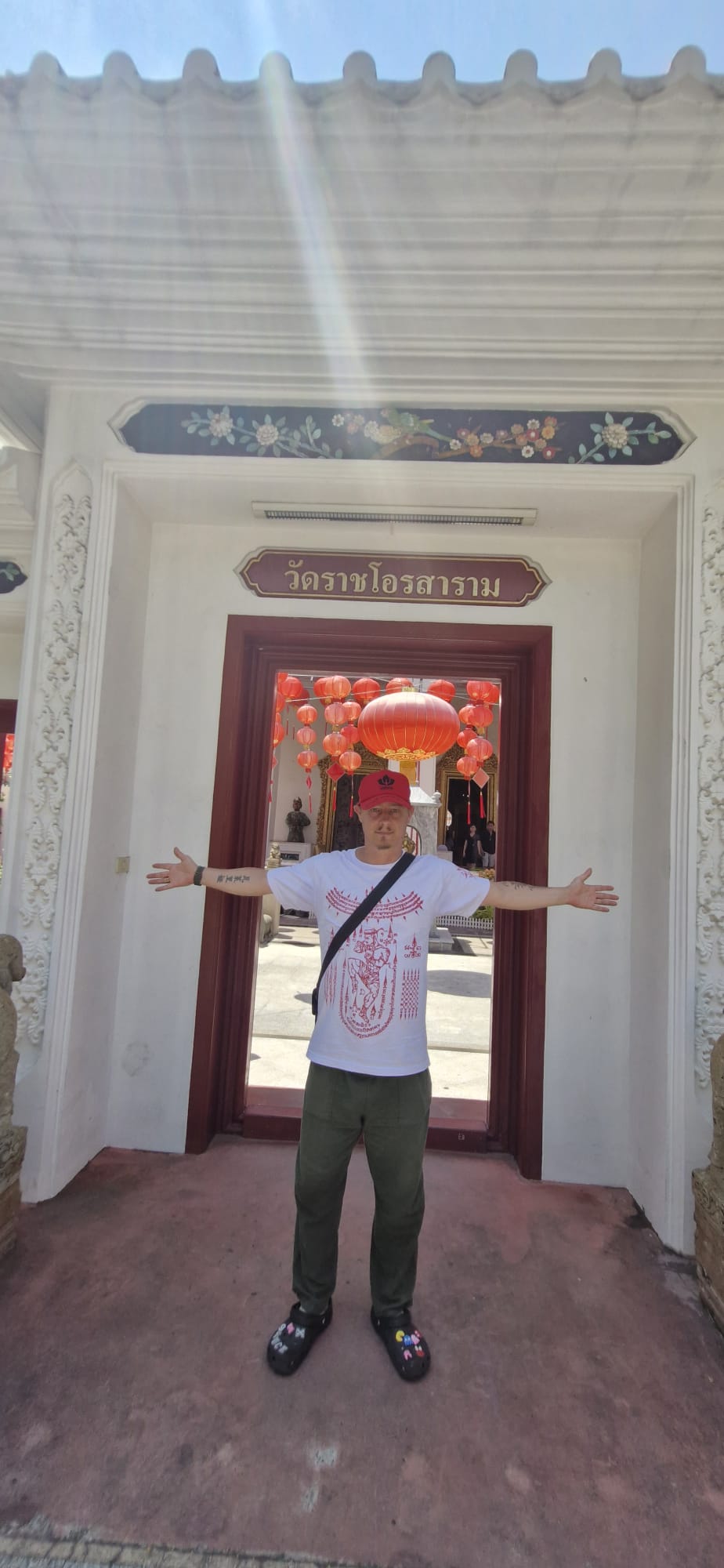
  • Nakhon Pathom: planning a visit around Phra Pathom Chedi

    Nakhon Pathom: planning a visit around Phra Pathom Chedi

    In Nakhon Pathom, Phra Pathom Chedi makes a clear focal point for a cultural outing. Thailand’s tourism authority explains that the present chedi encloses an earlier structure. Look at the monument with this layering in mind.

    Three parts to the visit

    • Study the outline from outside before concentrating on photographs.
    • Enter visitor areas while respecting people who have come to pray.
    • Leave time afterwards for a meal and a look at the surrounding town.

    Arrange the essentials

    Choose your outward and return journeys before leaving. Check opening and transport times for your actual date. Bring clothing that covers shoulders and knees, and remove shoes wherever signs require it.

    FAQ

    #Thailand #Travel #MrSchaka

    Should I add lots of stops?

    One main visit and a break allow time to appreciate the outing.

    Can I take photographs everywhere?

    Follow signs and ask before photographing a person. A place of worship has its own practices.

    Sources and further reading

    Cover of Bangkok – The Practical Guide

    To go further

    Mr Schaka’s guidebook, Bangkok – The Practical Guide, covers the essentials: transport, neighbourhoods, addresses, food, etiquette and safety, updated for 2026–2027.
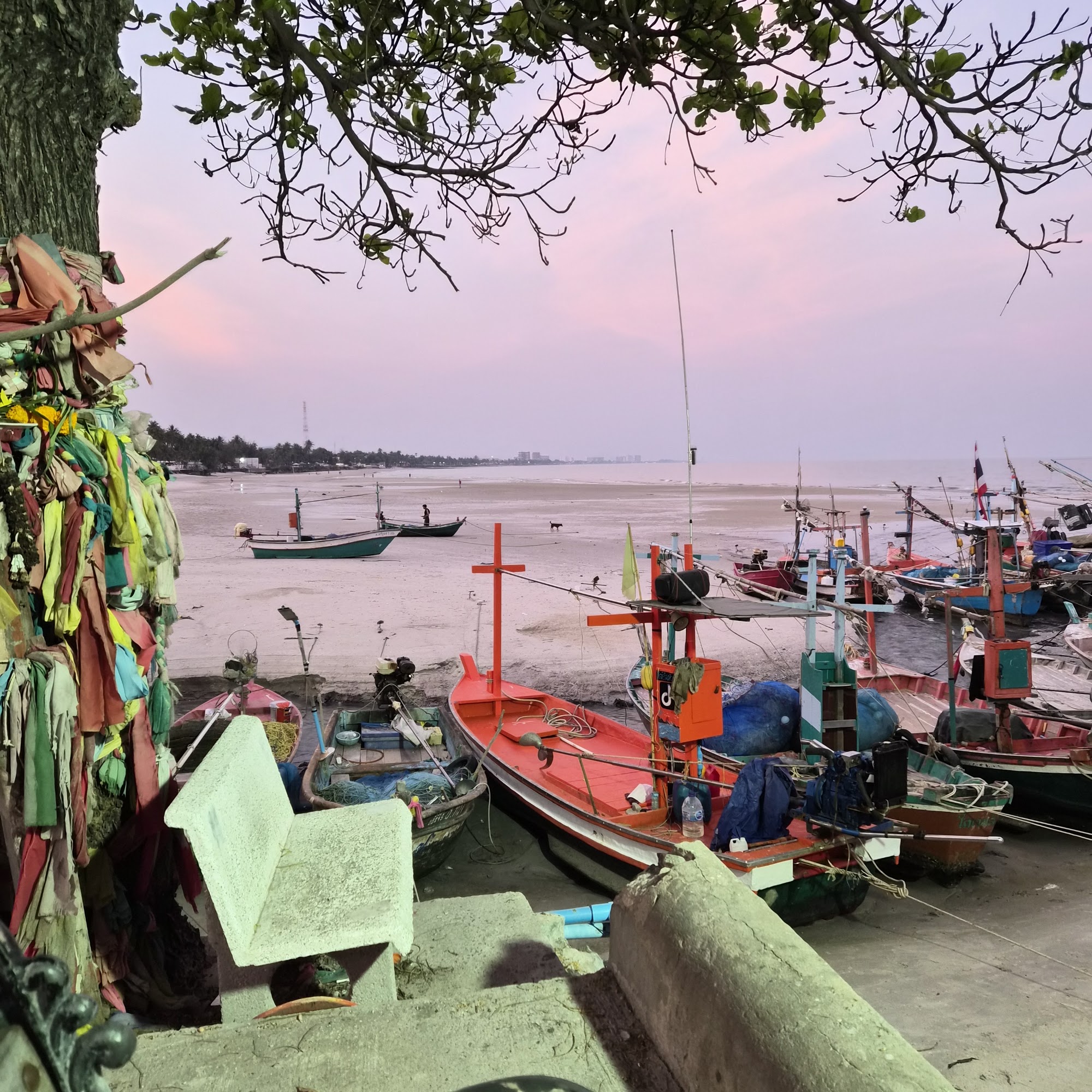
  • Thailand, 19 October 2026: a new heavy-rain warning

    Thailand, 19 October 2026: a new heavy-rain warning

    On 19 October 2026, the Thai Meteorological Department issued advisory No.5, effective at 5 am local time. The South and East face heavy rain on 19–20 October, with rainfall expected to extend to additional regions through the 25th.

    Check conditions for your route

    The warning highlights flash floods, landslides and waves above three metres in thunderstorms. It does not establish that every road or ferry crossing is closed.

    Before leaving

    • Ask your accommodation about the actual route, rather than the province in general.
    • Confirm departures directly with the operator and keep written confirmation.
    • Check postponement terms for excursions and prepare an activity close to where you are staying.

    FAQ

    #Thailand #Travel #MrSchaka

    Should the whole holiday be cancelled?

    Base your decision on local instructions, your route and booking terms. A national warning cannot describe every neighbourhood.

    Will this report still apply tomorrow?

    This is a report dated 19 October 2026. Read the latest official advisory before each journey.

    Sources and further reading

    Cover of Bangkok – The Practical Guide

    To go further

    Mr Schaka’s guidebook, Bangkok – The Practical Guide, covers the essentials: transport, neighbourhoods, addresses, food, etiquette and safety, updated for 2026–2027.
  • Cafés in Bangkok: where to work, read or take a break

    Cafés in Bangkok: where to work, read or take a break

    Over my many stays, cafés in Bangkok have become my offices, my reading rooms and my refuge from the midday heat. Between Thai speciality coffee, the old houses of Chinatown and the little counter on the street corner, here is how I choose where to sit depending on what I need to do: write, read or simply catch my breath for an hour.

    Why Bangkok is a café city

    When I first arrived, I expected iced tea and very sweet instant coffee. Instead I found a city where a new café opens almost every week, where Thai baristas take part in international competitions and where roasters work with beans grown in the north of the country. The air conditioning is generous, the wifi is almost always free, and nobody looks at you oddly if you stay an hour with a book.

    You still need to know where to go. A shopping-centre café does not have the same atmosphere as an old shophouse by the river, and a street counter is not made for opening a laptop. So I have got into the habit of thinking by neighbourhood and by type of café, rather than chasing the latest fashionable address.

    Thai speciality coffee: beans from the North

    Thailand grows its own coffee, mostly in the mountains of Chiang Mai, Chiang Rai and Nan provinces for arabica, and in the south for robusta. Many Bangkok roasters highlight these local origins, often with the name of the village or the small farm on the menu. It is a lovely way to taste the country differently.

    In these speciality cafés, expect to pay roughly 80 to 200 baht for a drink, depending on the method (espresso, filter, cold brew) and the bean. That is expensive by Thai standards, but you are also paying for the seat, the calm and the cool air. A few well-established names I know:

    • Roots: a Thai roaster that works a lot with northern beans, with branches in several neighbourhoods, including one at The Commons in Thong Lo.
    • Nana Coffee Roasters in Ari: a recognisable building, in-house roasting and a serious filter menu.
    • Factory Coffee, near Phaya Thai BTS station: known for its signature drinks and often very busy.

    Opening hours and addresses change quickly in Bangkok, so I always check the café’s up-to-date listing on an online map before crossing the city.

    Ari and Phaya Thai: my neighbourhood for working

    If I need to write for several hours, I go to Ari. The area lies north of the centre, on the BTS Sukhumvit line, and keeps a residential feel with its small streets, trees and offices. There is a high concentration of cafés, from the tiny counter to the large bright room, which means you can change places without getting back on the train.

    Further south, Phaya Thai and Ratchathewi offer the same advantage, plus the connection to the Airport Rail Link. To understand how to reach these neighbourhoods without losing time in traffic jams, I explain the lines in my article on getting around Bangkok by BTS, MRT and boat.

    Talat Noi and Songwat: cafés in old houses

    To read or take a real break, I prefer old Bangkok. In Talat Noi and along Songwat Road, on the edge of Chinatown and close to the Chao Phraya River, old shophouses and warehouses have been turned into cafés. Bare walls, narrow staircases, antique Chinese furniture, sometimes a cat asleep on a chair: the atmosphere matters more than the wifi speed.

    Mother Roaster, in Talat Noi, is one of these places: you climb to the upper floor of an old building to drink your coffee among objects from another era. The area can be reached on foot from Hua Lamphong MRT station, or by boat on the river. I recommend going early on a weekday morning: at weekends many visitors come to take photos and seats become scarce.

    These cafés are not always suited to working for long. Few power sockets, low tables, steep stairs: I go there with a notebook or a book, not with a full day’s work.

    #Thailand #Bangkok #ThailandTravel #TravelTips #Asia #MrSchaka

    Sukhumvit, Thong Lo and Ekkamai: convenient but pricier

    Along Sukhumvit, especially around Phrom Phong, Thong Lo and Ekkamai, cafés are numerous, modern and easy to reach thanks to the BTS. You will meet many remote workers and expatriates there. Prices are often a little higher and the rooms noisier at peak times, but it is practical if you are staying in this area. If you are still unsure about your base, my guide on where to stay in Bangkok by neighbourhood can help.

    Neighbourhood cafés and old-style coffee

    The coffee I drink most often, however, does not come from a fashionable roaster. On almost every street, a small stall or shop makes Thai iced coffee, often very sweet, with condensed milk, for roughly 30 to 60 baht. If you want less sugar, say “wan noi” (a little sweet); vendors are used to it.

    There are also old-style coffee shops, sometimes run by families of Chinese origin for decades, where coffee is filtered through a cloth sock and served with toast and soft-boiled eggs. You do not work there; you sit down to watch the neighbourhood go by. That is often where I find the Bangkok I love most.

    Working in a café: the unwritten rules

    Thai people are tolerant, but there are customs. I order a new drink or something to eat roughly every two hours, I do not take over a large table on my own when the room fills up, and I keep my voice down on the phone. Some cafés restrict laptop use at weekends or display a maximum time: I respect those little signs. The wifi password is often printed on the receipt.

    My practical tips

    • Bring a light jumper: the air conditioning is often set very cold.
    • Check opening hours before setting off: many speciality cafés open around 8 am and close in the late afternoon, and some close one day a week.
    • For working, aim for weekday mornings; for the photogenic cafés of old Bangkok, avoid Saturday and Sunday afternoons.
    • Carry a power bank: sockets are not guaranteed.
    • Plan a realistic coffee budget; my article on the budget for a week in Bangkok gives some benchmarks.
    • Ask for “mai wan” (no sugar) or “wan noi” (a little sweet) at street coffee stalls.
    • Combine a café with a visit: a coffee in Talat Noi in the morning, then a walk along the river.

    Frequently asked questions

    Is wifi free in Bangkok cafés?

    In the vast majority of cafés, yes. The code is often on the receipt or displayed at the counter. To work with peace of mind, I also keep mobile data as a back-up.

    How much does a coffee cost in Bangkok?

    Roughly 30 to 60 baht for a street iced coffee, and roughly 80 to 200 baht in a speciality café. Prices vary with the neighbourhood and the brewing method.

    Which neighbourhood is best for working on a laptop?

    Ari and Phaya Thai are my favourites: plenty of cafés, a calm atmosphere and easy access by BTS. Sukhumvit is convenient too, but noisier and a little more expensive.

    Can you stay a long time with just one coffee?

    An hour or two, yes, without any problem. Beyond that, it is polite to order something else, especially if the café is filling up.

    Cover of Bangkok – The Practical Guide

    To go further

    Mr Schaka’s guidebook, Bangkok – The Practical Guide, covers the essentials: transport, neighbourhoods, addresses, food, etiquette and safety, updated for 2026–2027.

  • Koh Lanta Travel Guide: Beaches, Old Town and Tips

    Koh Lanta Travel Guide: Beaches, Old Town and Tips

    Koh Lanta offers a slower-paced side of island Thailand, with long west-coast beaches, local communities and green inland scenery. The district includes several islands, but most visitors stay on Koh Lanta Yai, home to the main beaches and many accommodation options.

    Beaches and the Old Town

    The west coast has beaches ranging from the busier north near Saladan to quieter areas farther south. On the east coast, Lanta Old Town (Ban Si Raya) reveals historic wooden shophouses and a story shaped by maritime and trading communities. Take time to explore on foot.

    Boat trips and nature

    Boat trips can reach nearby islands and snorkeling or diving sites, depending on weather and sea conditions. Mu Ko Lanta National Park sits at the southern end of Koh Lanta Yai. Its lighthouse, trails and coastal scenery are highlights when the park is open.

    The official calendar lists a seasonal park closure from 16 May to 31 October. Dates and accessible areas may change, so check the latest official notice before travelling. The park closure does not mean the whole island is closed.

    Getting there and planning your stay

    Travellers usually arrive from Krabi by road transfer and ferry, or by boat when seasonal services operate. Timetables vary with the season and sea conditions; confirm your connection with the operator. Choose accommodation based on the atmosphere you want and the places you plan to visit.

    #Thailand #Bangkok #ThailandTravel #TravelTips #Asia #MrSchaka

    Mr Schaka’s practical tips

    • Recheck transport and weather before departure.
    • If riding a scooter, wear a helmet and check licence and insurance; otherwise arrange local transport.
    • Follow park rules, swimming guidance and local customs.
    • Keep a flexible day for the Old Town or a boat trip.

    Frequently asked questions

    How many days should I spend there?

    Three to five days allow time for beaches, the Old Town and a boat trip without rushing. A week suits a slower pace.

    Is the national park always open?

    No. Its seasonal closure is generally scheduled from 16 May to 31 October. Confirm current dates on the official park site.

    Where should I stay?

    The north is convenient for Saladan and arrivals; areas farther south can be quieter but more distant. Compare locations with your itinerary.

    #KohLanta #Thailand #Krabi #ThailandTravel #MrSchaka

    Cover of Krabi, Koh Phi Phi and Koh Lanta – The Practical Guide

    To go further

    Mr Schaka’s guidebook, Krabi, Koh Phi Phi and Koh Lanta – The Practical Guide, covers the essentials: transport, neighbourhoods, addresses, food, etiquette and safety, updated for 2026–2027.
  • Khlong Bang Luang: Bangkok’s Canal Life in Thonburi

    Khlong Bang Luang: Bangkok’s Canal Life in Thonburi

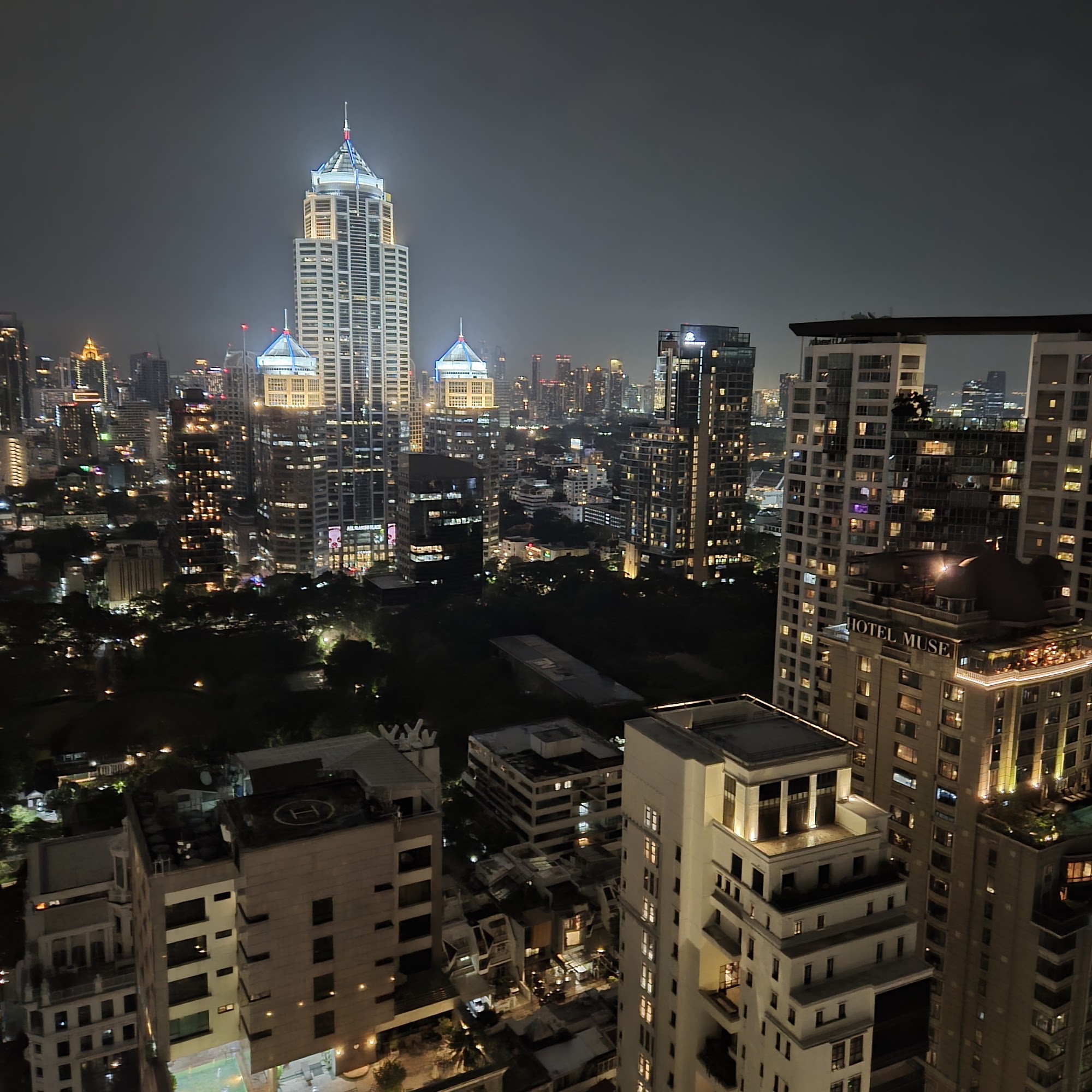
    Looking for a different side of Bangkok? In Thonburi, Khlong Bang Luang is a neighbourhood where you can slow down beside a canal lined with homes and small shops. It feels more local than the city’s major shopping districts and busy Sukhumvit roads.

    A canal-side walk in Thonburi

    Khlong Bang Luang is best explored without a tight schedule. Follow the narrow walkways, notice the homes along the water and take time to observe everyday life. The appeal is in the small details: an open doorway, a neighbourhood shop, a boat passing by or tree shade falling across the canal.

    The visit fits naturally into a half-day exploring Thonburi, on Bangkok’s west side. Allow extra time if you want to wander, stop for a drink or visit a nearby temple. The area is still a residential neighbourhood, so keep noise low and ask before photographing people or private spaces.

    Baan Silapin, the Artist House

    The best-known stop is Artist House Bangkok, also called Baan Silapin. Set in a restored traditional wooden house, it brings together a café, gallery, shop and creative workshops. It is a good place to experience a cultural space rooted in the Khlong Bang Luang community.

    One detail matters when planning your visit: the Artist House’s official website currently says traditional Thai puppet shows are available strictly for pre-booked private groups. Do not plan around a public performance unless the venue confirms one directly.

    Opening hours and address

    Artist House lists daily opening hours of 10 am to 6 pm. Its official address is 309 Soi Phet Kasem 28, Khuha Sawan, Phasi Charoen, Bangkok 10160. Hours and activities can change, so check the official website or contact the venue before travelling, especially for a workshop or group visit.

    Enter “Artist House Bangkok” or the full address in your map or ride-hailing app. The neighbourhood is west of central Bangkok, in Thonburi. Depending on where you start, a taxi or car service can make the last part of the journey easier. Keep the address on your phone to show your driver.

    #Thailand #Bangkok #ThailandTravel #TravelTips #Asia #MrSchaka

    Tips for a relaxed visit

    • Visit during the day and check the hours on the day you go.
    • Wear comfortable shoes; some walkways are narrow and may be slippery after rain.
    • Bring cash for drinks, small purchases or a contribution if one is offered.
    • Ask before photographing residents, artists or the inside of a shop.
    • Remember that this is a lived-in neighbourhood as well as a visitor destination.

    Frequently asked questions

    Can visitors watch a puppet show at the Artist House?

    The official website says shows are currently for private groups by advance booking. Contact the Artist House before your visit if you are interested.

    How long should I spend at Khlong Bang Luang?

    One to two hours is enough to see the Artist House and enjoy a gentle walk. Allow longer if you book a workshop or add other Thonburi stops.

    Is it a good half-day trip in Bangkok?

    Yes. Khlong Bang Luang makes a quieter west-side outing, as long as you check current opening times and activities before setting off.

    Mr Schaka’s practical tips

    Keep the schedule light. Sit for a while, watch the canal and support the small businesses along the way. Before leaving, confirm the Artist House address and current activities; programmes can change.

    #MrSchaka #Thailand #Bangkok #Thonburi #KhlongBangLuang

    Cover of Bangkok – The Practical Guide

    To go further

    Mr Schaka’s guidebook, Bangkok – The Practical Guide, covers the essentials: transport, neighbourhoods, addresses, food, etiquette and safety, updated for 2026–2027.
  • Thailand: responsible travel | travel tips — a pra

    Thailand: responsible travel | travel tips — a pra

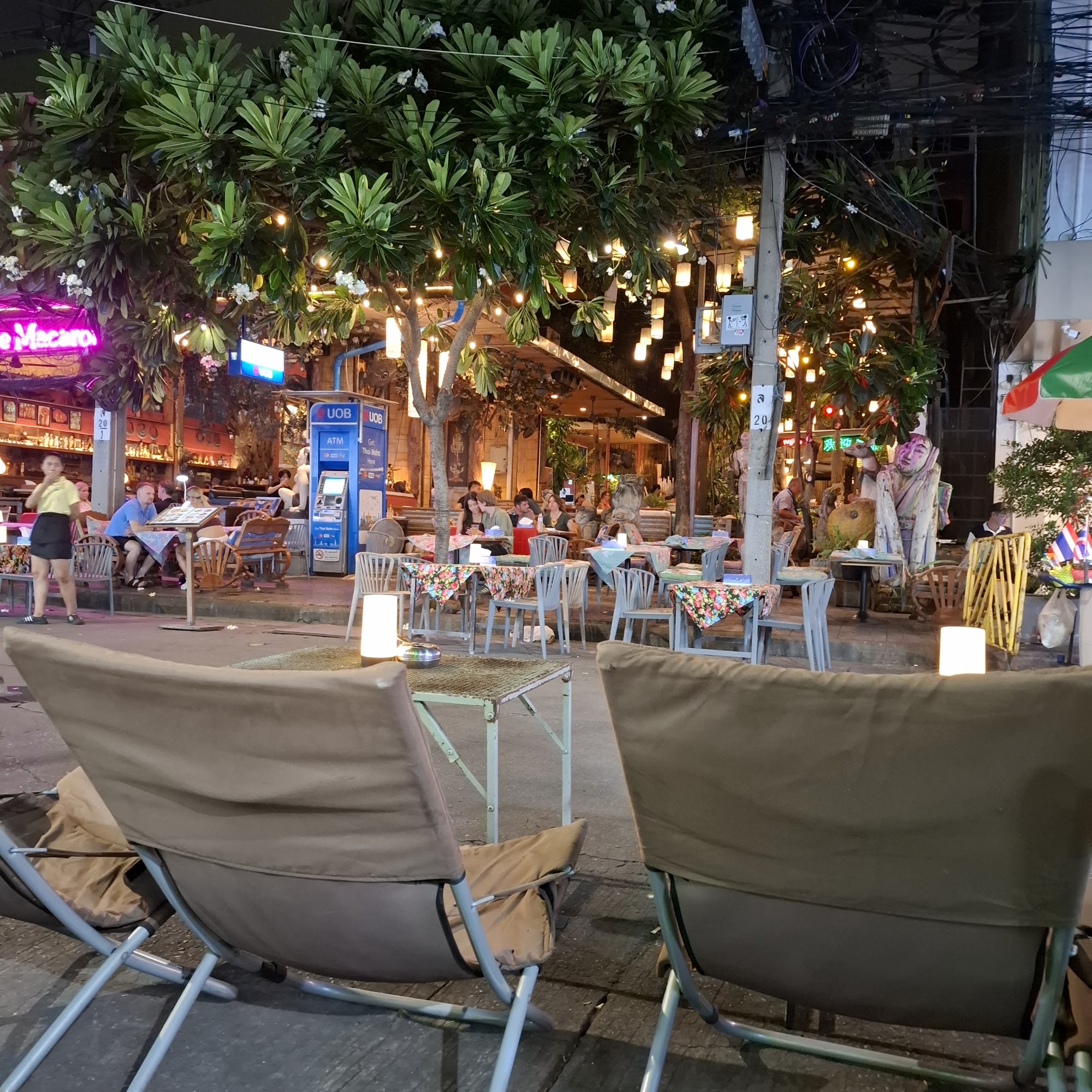
    Exploring responsible travel in Thailand is easier with a little preparation and room to adapt. Allow time for transfers, breaks, and unexpected changes along the way.

    Thailand: responsible travel | travel tips — a pra

    Check local schedules and conditions before setting out, leave a buffer between stops, and follow the customs of the places you visit.

    #ThailandTravel #Thailand #ResponsibleTravel #MrSchaka

    #Thailand #Bangkok #ThailandTravel #TravelTips #Asia #MrSchaka

    Practical takeaway

    What is the best tip? Plan the essentials, then adjust your itinerary to the pace of the trip.

    Cover of Bangkok – The Practical Guide

    To go further

    Mr Schaka’s guidebook, Bangkok – The Practical Guide, covers the essentials: transport, neighbourhoods, addresses, food, etiquette and safety, updated for 2026–2027.
  • Thailand: packing for Thailand | travel tips — a p

    Thailand: packing for Thailand | travel tips — a p

    Exploring packing for Thailand in Thailand is easier with a little preparation and room to adapt. Allow time for transfers, breaks, and unexpected changes along the way.

    Thailand: packing for Thailand | travel tips — a p

    Check local schedules and conditions before setting out, leave a buffer between stops, and follow the customs of the places you visit.

    #ThailandTravel #Thailand #ResponsibleTravel #MrSchaka

    #Thailand #Bangkok #ThailandTravel #TravelTips #Asia #MrSchaka

    Practical takeaway

    What is the best tip? Plan the essentials, then adjust your itinerary to the pace of the trip.

    Cover of Bangkok – The Practical Guide

    To go further

    Mr Schaka’s guidebook, Bangkok – The Practical Guide, covers the essentials: transport, neighbourhoods, addresses, food, etiquette and safety, updated for 2026–2027.