Category: Thailand Notebook

Practical tips and travel stories from Thailand: Bangkok, Pattaya, Isan, the islands.

  • Thai Street Markets: Food, Stories and Local Life

    Thai Street Markets: Food, Stories and Local Life

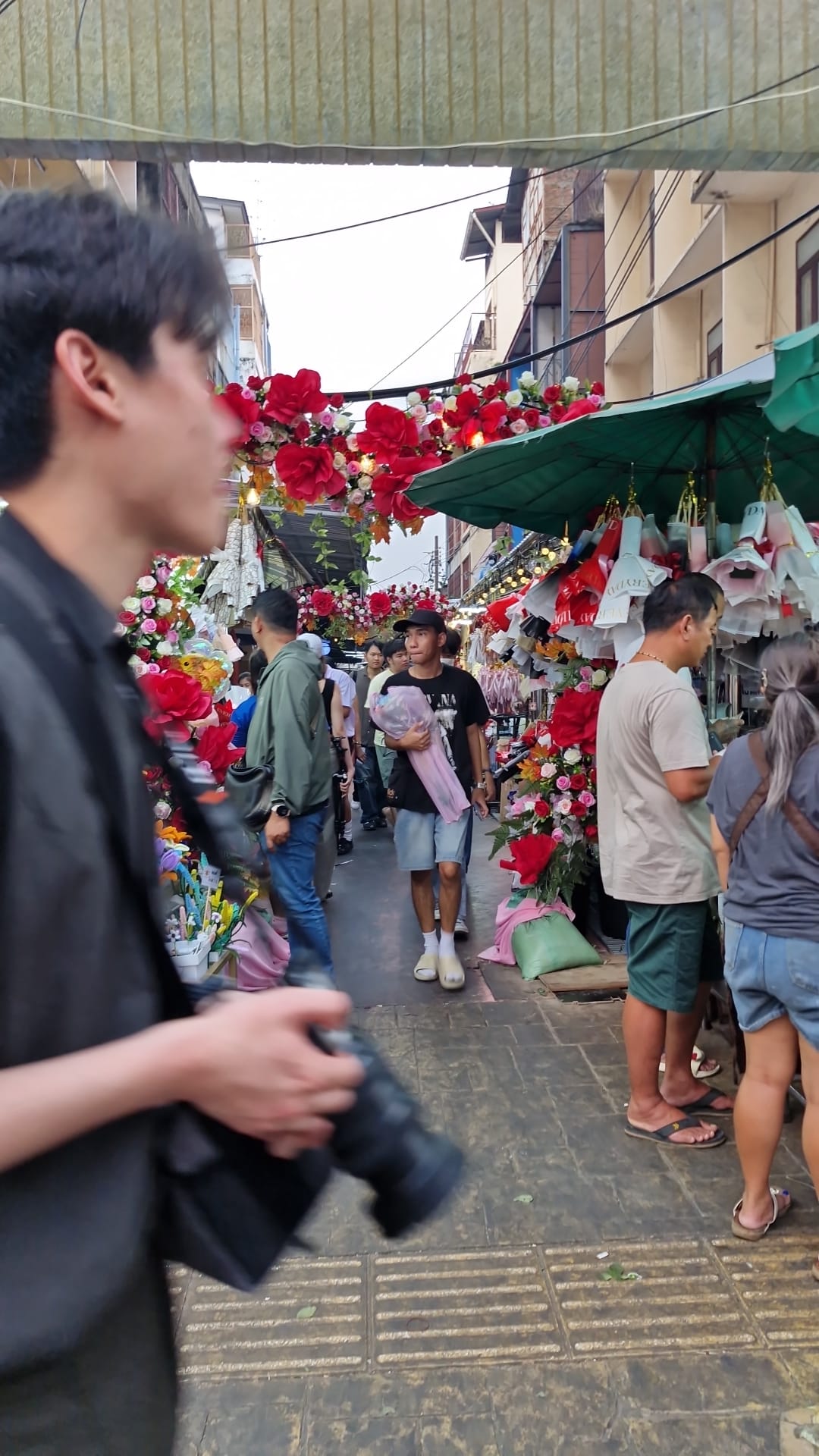
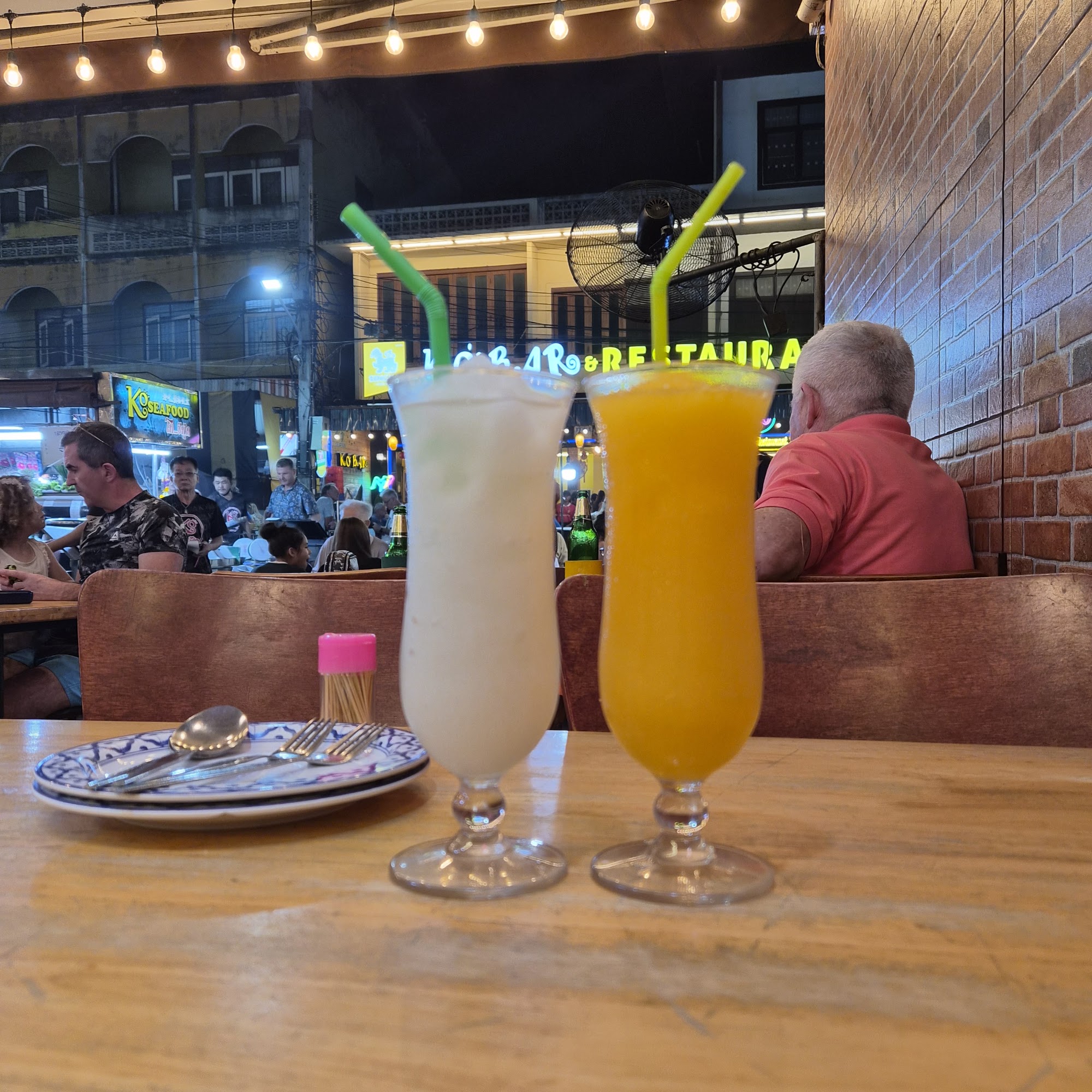
    A Thai street market is a feast for the senses, but it is also a place where everyday life unfolds. The colours of fresh produce, the sound of a wok and the movement of people meeting friends or stopping for a meal create a scene full of detail. For a writer, those small observations can be a starting point for a story.

    More than a menu

    Food is often the first thing visitors notice, yet a market offers much more than a list of dishes. Each stall has its own rhythm. Some are busy with regular customers; others draw people in with a smell or a familiar recipe. Watching how the space changes through the day can help us understand a little more about the character of a neighbourhood.

    Notice the details

    When I travel, I like to pay attention to the little things: how a vendor prepares ingredients, how families share a table and how the market sounds when the evening begins. These details are useful in travel writing because they help readers imagine a place. In fiction, they can make a setting feel lived in without over-explaining it.

    Observation should always come with respect. People are living their daily lives, not performing for visitors. I prefer to remember the atmosphere and the feeling of a place instead of treating anyone as a character or a photograph.

    Thailand’s markets remind me that stories often begin with curiosity. A meal can lead to a conversation, and a conversation can change the way we see a city. The next time you visit a market, what detail do you think you will remember most?

    Enjoyed this article? Share your thoughts in the comments and share it with a fellow reader or traveller.

    Cover of Bangkok – The Practical Guide

    To go further

    Mr Schaka’s guidebook, Bangkok – The Practical Guide, covers the essentials: transport, neighbourhoods, addresses, food, etiquette and safety, updated for 2026–2027.

  • The Quiet Side of Bangkok: Finding Stories Beyond the Crowds

    The Quiet Side of Bangkok: Finding Stories Beyond the Crowds

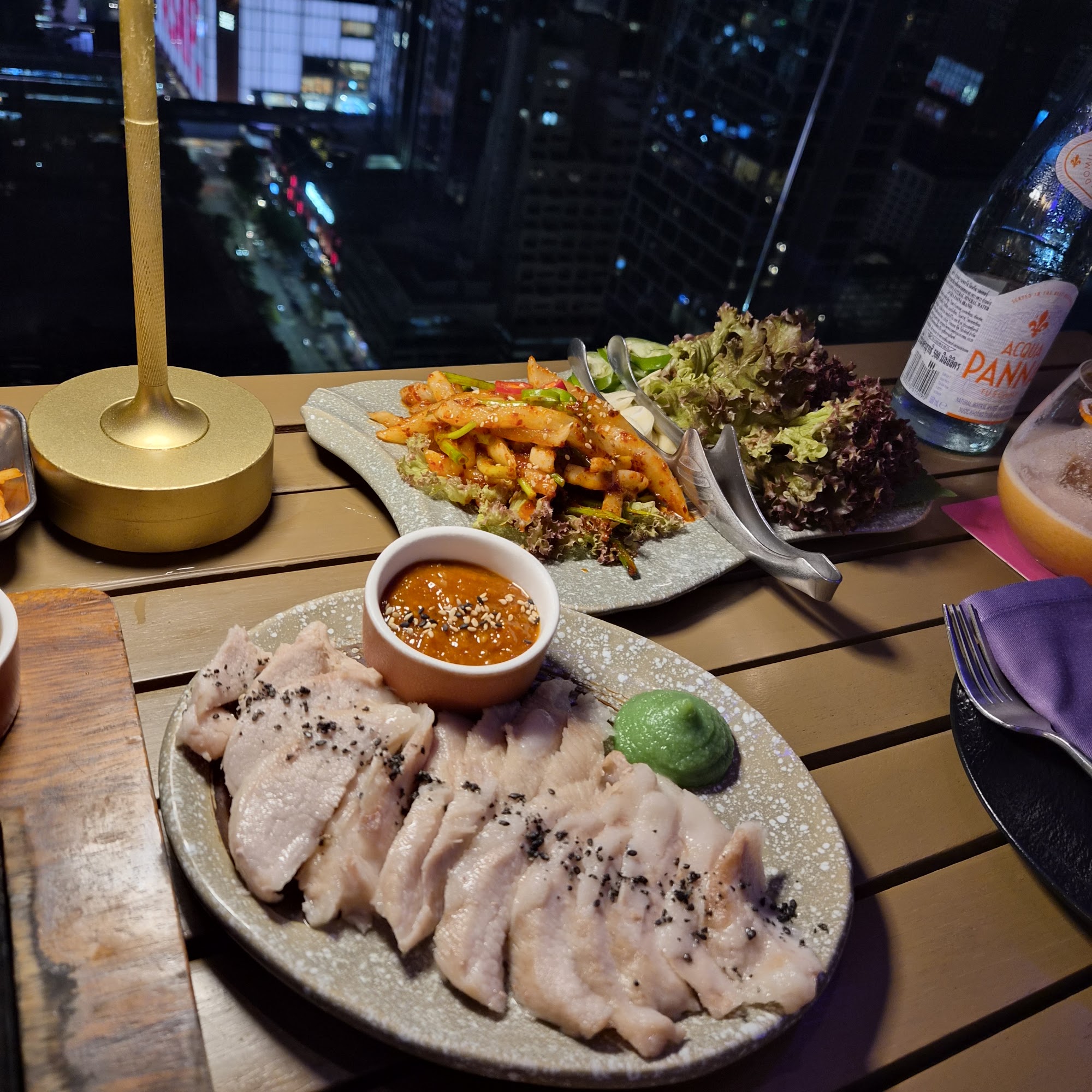
    Bangkok is often introduced through its energy: the traffic, the markets, the food stalls and the bright lights. Yet the city also has quieter moments. A writer who slows down can discover small details that reveal another side of Bangkok: a shaded lane, a riverside pause or the calm of an early morning.

    Look beyond the checklist

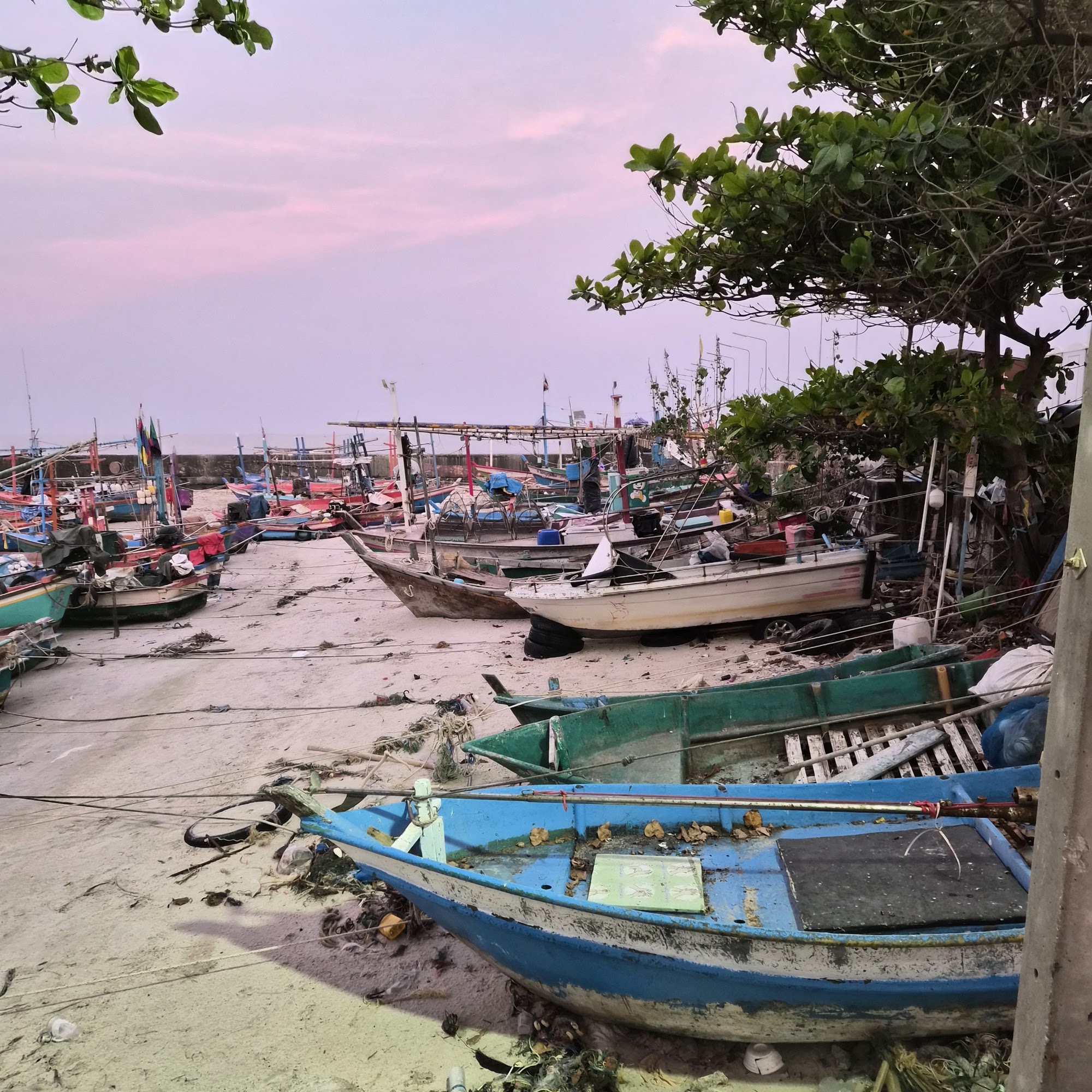
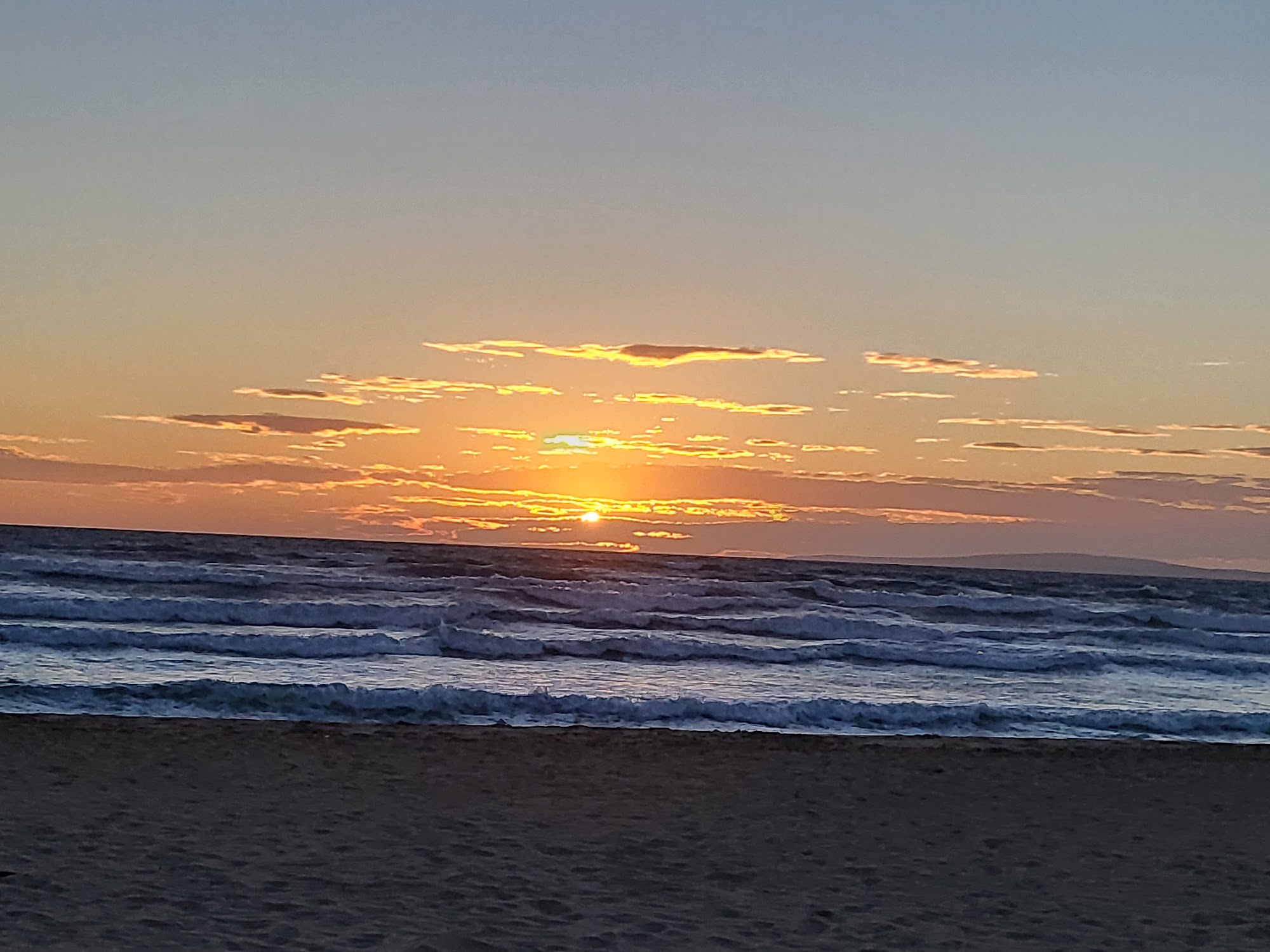
    Travel guides help us find places, but they cannot decide what a moment means to us. I enjoy leaving room for an unplanned walk or a short break away from the busiest streets. The sound of a boat, the scent of a meal being prepared or the colour of the sky before sunset can become a stronger memory than a long list of attractions.

    Observe with care

    A city is made of people going about their lives. When I take inspiration from everyday scenes, I try to remember that real people deserve privacy and respect. The goal is not to turn someone into a character without permission, but to notice how a place feels and what it makes me think about.

    That attention to atmosphere also matters in fiction. A setting can change how a character feels: a crowded street may create urgency, while a quiet corner can offer room to reflect. A few accurate details are often enough to make a scene feel present.

    Bangkok keeps surprising me because it contains so many different rhythms. When I travel, I want to see the famous places, but I also want to leave time for the in-between moments. Those are often the ones that return later as an idea for a story. What kind of place do you remember most after a trip?

    Cover of Bangkok – The Practical Guide

    To go further

    Mr Schaka’s guidebook, Bangkok – The Practical Guide, covers the essentials: transport, neighbourhoods, addresses, food, etiquette and safety, updated for 2026–2027.
  • Quiet Mornings in Thailand: Temples, Rituals and Storytelling

    Quiet Mornings in Thailand: Temples, Rituals and Storytelling

    Before the city fully wakes, Thailand can feel like a different place. The streets are quieter, the air is cooler and the first light settles over temple roofs and neighbourhood lanes. These early hours offer a gentle reminder that a journey is made of pauses as much as landmarks.

    A moment of attention

    A temple courtyard at dawn is not simply a beautiful setting. It is a place shaped by routine, care and quiet purpose. Visitors can notice the changing light, the sound of footsteps and the respectful rhythm of the morning, while remembering that these spaces belong first to the people who use them every day.

    For a writer, such details can suggest a character’s state of mind without explaining everything. A person who stops to listen may be different from someone rushing toward the next attraction. A repeated gesture, a shaded doorway or the first sounds of the neighbourhood can give a scene its own pace.

    Travel also teaches patience. Plans change, a quiet moment lasts longer than expected, and the most memorable impression may arrive when we stop looking for a spectacle. Writing works in a similar way: observation needs room before it becomes a sentence.

    When I think about Thailand, I remember not only the busy streets but also these quieter transitions. They help me imagine places with more depth and characters who notice the world around them. What small moment from a journey has stayed with you?

    Cover of Bangkok – The Practical Guide

    To go further

    Mr Schaka’s guidebook, Bangkok – The Practical Guide, covers the essentials: transport, neighbourhoods, addresses, food, etiquette and safety, updated for 2026–2027.
  • Why Travel Books and Fiction Belong on the Same Shelf

    Why Travel Books and Fiction Belong on the Same Shelf

    A travel book and a novel may look like very different kinds of reading. One can offer practical information and observations; the other can lead us into an invented life. Yet both can satisfy the same curiosity: what is it like to see the world from another point of view?

    Travel writing helps us notice

    A useful travel article can prepare us for a journey, explain practical details and encourage us to look beyond the obvious. The best travel writing also leaves room for uncertainty. It shares one person’s experience without claiming to be the final word on a place.

    Fiction helps us imagine

    A novel can take a reader into a place through the hopes, fears and choices of its characters. Even when the setting is far from our own experience, an emotional situation may feel familiar. We may not share a character’s life, but we can understand the desire to belong, to solve a problem or to begin again.

    Let one kind of reading lead to another

    A travel article about Bangkok might inspire someone to explore a city, while a novel might encourage them to pay closer attention to its people and atmosphere. Equally, a journey can change the way we read a story set elsewhere. Reading and travelling can keep feeding each other’s curiosity.

    Choose books that open a door

    You do not need to read in a particular order. Start with the kind of book that appeals to you today: a practical guide, a personal reflection, a crime story or a novel about everyday life. If it leaves you curious about something new, it has already done something valuable.

    Books do not replace the experience of travelling, and travel does not replace the imagination. But together, they can widen our view of the world. I hope my writing encourages readers to explore places with curiosity and to discover stories that stay with them. Which do you usually choose first: a travel book that helps you plan, or a novel that takes you somewhere unexpected?

    Enjoyed this article? Share your thoughts in the comments and share it with a fellow reader or traveller.

    Cover of Bangkok – The Practical Guide

    To go further

    Mr Schaka’s guidebook, Bangkok – The Practical Guide, covers the essentials: transport, neighbourhoods, addresses, food, etiquette and safety, updated for 2026–2027.
  • From Bangkok to Liège: How Different Places Shape a Story

    From Bangkok to Liège: How Different Places Shape a Story

    Bangkok and Liège have different rhythms, histories and everyday routines. Putting them side by side is not about deciding which city is better. It is about noticing how a place shapes our attention, our habits and the stories we tell ourselves.

    Familiar places carry hidden details

    When we know a city well, we can stop noticing it. A familiar street becomes part of the routine, and its small changes may go unseen. Looking at a place with a writer’s curiosity can make the ordinary feel new again: a sound, a face, a building or a route can suddenly suggest a story.

    Unfamiliar places invite questions

    In a city we are still discovering, we tend to observe more carefully. We ask how things work, notice different patterns and become more aware of our own assumptions. The key is to remain curious without pretending to understand everything immediately.

    Place can reveal identity

    A character’s relationship with a city can show whether they feel at home, out of place, nostalgic or ready for change. Someone may carry a hometown with them even when living elsewhere. Another person may discover a new side of themselves while travelling. These feelings can create emotional depth in a story.

    Let places be specific

    Instead of describing a city with broad labels, writers can focus on a few precise details and the way characters respond to them. This avoids turning real places into stereotypes and gives readers a more personal, believable experience.

    Moving between different places can remind us that there is more than one way to live, work, connect and belong. For a writer, that is a rich starting point. Whether the setting is Liège, Bangkok or somewhere entirely different, the most important question may be: what does this place change in the person who experiences it?

    Enjoyed this article? Share your thoughts in the comments and share it with a fellow reader or traveller.

    Book cover

    The book

    The Empty Wall is the second book of Oscar’s Notebook, a series of crime novels set in Liège.

  • What Thailand Can Teach a Writer About Contrast and Character

    What Thailand Can Teach a Writer About Contrast and Character

    Stories often begin with contrast. A confident person may hide a private fear. A lively place may contain a quiet moment. A journey that looks simple from the outside may change the person making it. When travelling in Thailand, contrasts can be impossible to miss—and they offer useful reminders for anyone who writes.

    A place is never only one thing

    A city can be energetic and peaceful, familiar and surprising, overwhelming and welcoming, sometimes within a short distance. A good description allows these impressions to coexist instead of reducing a place to a single cliché. The same principle applies to characters: people are rarely only brave, selfish, kind or afraid.

    Let characters respond differently

    Imagine two characters standing in the same busy street. One feels excited by the movement; the other feels lost in the crowd. The location is identical, but their reactions tell us something different about each person. This is a simple way to make setting and character work together.

    Use details with purpose

    A detail becomes meaningful when it affects the scene. Noise might interrupt a difficult conversation. Rain might force strangers to share shelter. A quiet moment might allow a character to notice something they had overlooked. Description works best when it is connected to action, mood or change.

    Keep curiosity at the centre

    When writing about another country, curiosity should come with humility. No single visit can explain an entire culture, and one person’s experience cannot stand for everyone. Listening, checking facts and avoiding sweeping statements help make travel writing more thoughtful and respectful.

    For me, travel and storytelling share one important habit: looking twice. The first impression may be powerful, but the second often reveals a more complicated and human picture. That is useful when building a character, describing a place or developing a book. Which kind of contrast makes a story memorable for you?

    Enjoyed this article? Share your thoughts in the comments and share it with a fellow reader or traveller.

    Cover of Bangkok – The Practical Guide

    To go further

    Mr Schaka’s guidebook, Bangkok – The Practical Guide, covers the essentials: transport, neighbourhoods, addresses, food, etiquette and safety, updated for 2026–2027.

  • Bangkok as a Writer Sees It: Beyond the Tourist Checklist

    Bangkok as a Writer Sees It: Beyond the Tourist Checklist

    Bangkok can feel full of motion: traffic, markets, street food, shopping streets and people heading in every direction. But a city is never just its busiest places. For a writer, some of the most interesting moments happen between the landmarks, when everyday life reveals itself without posing for a photograph.

    Look for the city’s changing rhythm

    The mood of a street can change dramatically throughout the day. Morning routines, the heat of the afternoon and the lights of the evening create different settings. Walking through the same area at different times can feel like discovering several versions of the same place.

    Notice the small human moments

    A vendor preparing for the day, friends sharing a meal or commuters finding a moment of rest can reveal more about daily life than a long list of attractions. These observations should be made respectfully: people are not props in someone else’s story, and privacy matters.

    Why atmosphere matters in a book

    In fiction, setting helps create emotion. A crowded street can make a character feel anonymous, while a quiet corner can invite reflection. The location does not have to be mysterious in itself; what matters is how a character experiences it. That is one way a real city can inspire a convincing scene.

    Bring the feeling home

    After a trip, I like the idea of keeping a few notes about impressions rather than trying to record everything. A colour, a sound, a surprising contrast or a feeling can be enough to bring a memory back. Those notes can later become the starting point for a travel article or a fictional moment.

    Bangkok rewards curiosity when we give ourselves time to look beyond the checklist. For readers, it can be a destination; for a writer, it can also be a lesson in rhythm, observation and perspective. What do you prefer when visiting a city: famous sights or the everyday places where local life unfolds?

    Enjoyed this article? Share your thoughts in the comments and share it with a fellow reader or traveller.

    Cover of Bangkok – The Practical Guide

    To go further

    Mr Schaka’s guidebook, Bangkok – The Practical Guide, covers the essentials: transport, neighbourhoods, addresses, food, etiquette and safety, updated for 2026–2027.
  • Thailand Between the Pages: How Travel Inspires My Books

    Thailand Between the Pages: How Travel Inspires My Books

    For me, Thailand is not simply a place on a map. It is a collection of impressions: the movement of a city, the warmth of a conversation, the contrast between busy streets and peaceful corners, and the small details that stay with you long after a journey ends. These experiences can become a source of inspiration for writing.

    A journey can become a story

    Travel changes the way we observe the world. A short walk, a conversation overheard in a café or a moment of unexpected kindness can stay in the memory. Later, those impressions may find their way into an article, a character or a scene. The final story may be fictional, but the feeling behind it often begins with something real.

    From observation to imagination

    Writing about a place does not mean describing every street or listing every attraction. It means choosing details that help readers feel present. The sound of traffic, a market waking up, the glow of evening lights or a quiet pause away from the crowds can say more than a long description.

    The connection with my books

    My books explore different experiences and emotions, and each project asks me to look at the world from a slightly different angle. Thailand offers another perspective: a reminder that people can live differently, notice different things and still share familiar hopes, doubts and curiosity. That contrast is valuable to any storyteller.

    Reading as another kind of travel

    A book can take us somewhere we have never been, while a journey can make us see a familiar idea in a new way. I enjoy the space between those two experiences. Whether I am writing, travelling or reading, the important thing is to remain curious and open to what a place can teach us.

    Thailand continues to offer me details worth noticing and questions worth exploring. I hope my books and writing encourage readers to look a little closer at the world around them. Have you ever visited a place that changed the way you think, read or write?

    Enjoyed this article? Share your thoughts in the comments and share it with a fellow reader or traveller.

    Cover of Bangkok – The Practical Guide

    To go further

    Mr Schaka’s guidebook, Bangkok – The Practical Guide, covers the essentials: transport, neighbourhoods, addresses, food, etiquette and safety, updated for 2026–2027.

  • Je respire encore: writing and living despite illness

    Je respire encore: writing and living despite illness

    There are moments in life when you realise that nothing is ever guaranteed. Health, plans, travel and the simplest everyday gestures can suddenly take on a different meaning. That is how Je respire encore was born.

    I am Mr Schaka, a Belgian author living between Liège and Bangkok. I write to tell stories, share experiences and put into words what life sometimes forces upon us.

    When life changes without asking permission

    Illness disrupts habits, forces you to rethink your plans and sometimes asks you to accept that some days no longer look like the ones you had imagined. There are kinds of tiredness that are hard to explain, and things you give up without really choosing to.

    But one question remains: what do you do with what is still possible? I have no miracle recipe. Instead, I believe in the small things that keep their value: a page written, a conversation that does you good, a project you finish or a day you get through at your own pace.

    Why I wrote Je respire encore

    Writing this book was a way of giving a place to a personal experience and letting it exist beyond me. Behind the medical words there is a person, a story, emotions and a unique way of carrying on living.

    This memoir does not claim to tell others how to live with their illness. Every journey is different, and willpower alone is not enough to overcome everything. Instead, I wanted to share a human experience, with its difficulties, its questions and its moments of searching for balance.

    Carrying on creating, even differently

    Writing lets me explore different worlds, from crime fiction set in Liège to Thai landscapes and personal stories. Creating does not make the difficulties disappear, but it can offer a space of freedom and a chance to build something.

    Sometimes you have to adjust your pace, accept less productive days and let go of the idea that you must do everything as before. A single page can be a victory. An idea saved for later can remain a project waiting for its moment. A break is not necessarily giving up.

    Between Liège and Bangkok, keeping a love of stories

    Liège has its atmospheres, its streets and its secrets, a setting well suited to detective stories. Thailand offers other material: contrasts, encounters, journeys and discoveries. These worlds reflect the same desire: to tell, to observe and to share.

    I do not want to lock my work into a single category. A crime novel can make you think, a travel story can become an inner exploration, and a personal account can open a conversation.

    What I would like to pass on to readers

    I do not claim to have all the answers. I prefer to share stories and experiences. Life is not just the obstacles we face: we remain people with tastes, wishes, plans and things to pass on.

    Carrying on does not necessarily mean going faster. Sometimes carrying on means slowing down, changing your priorities, asking for help or finding pleasure again in things you no longer noticed.

    Discover Je respire encore

    I wrote this memoir to share part of my journey and open a door onto my personal world. If these pages help one reader feel less alone, or help a loved one better understand what someone who is ill is going through, then they will already have served their purpose.

    Discover Je respire encore and the other books presented on mrschaka.com.

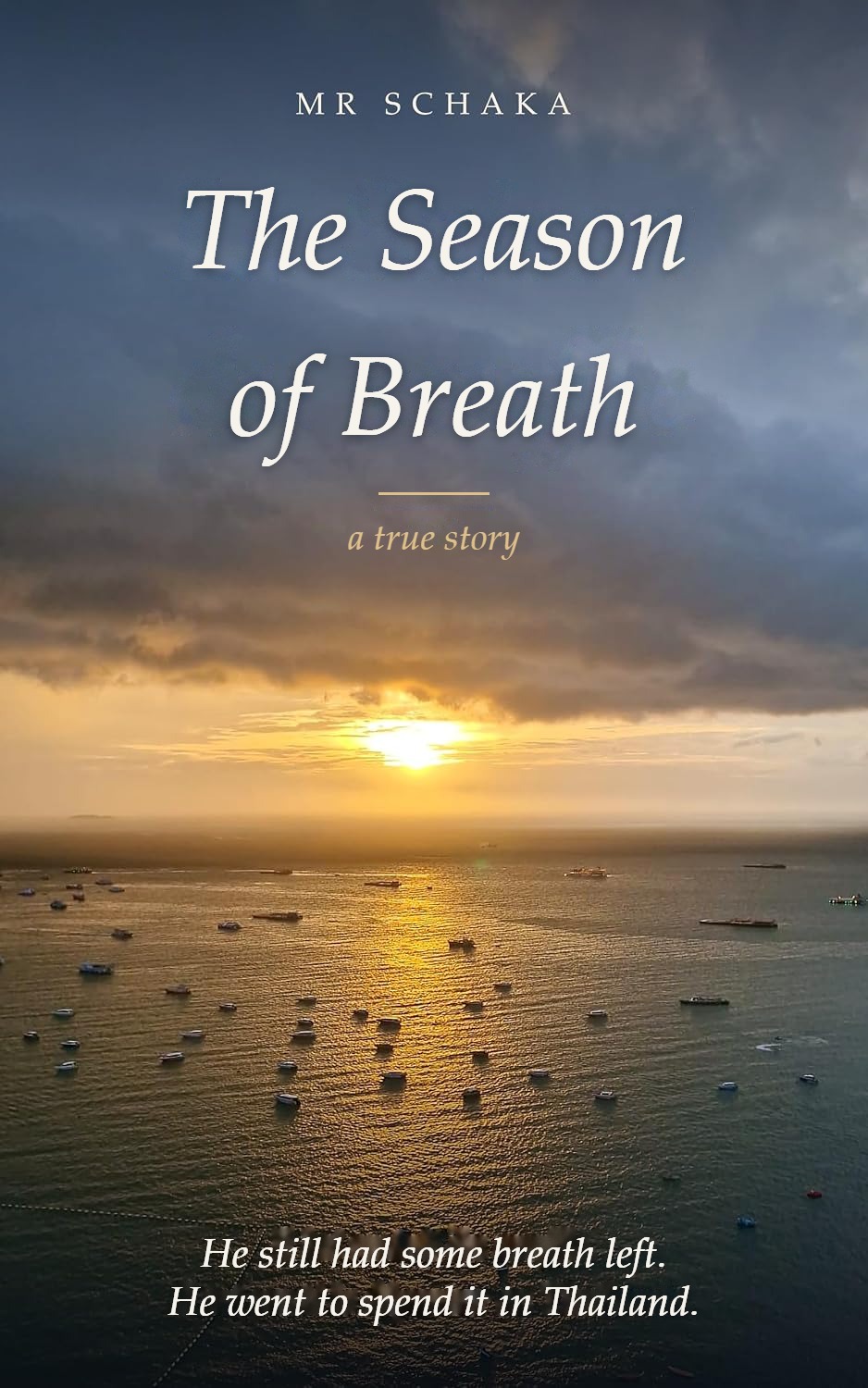
    Cover of The Season of Breath

    The book

    Mr Schaka lives with pulmonary fibrosis and has been travelling in Thailand for years. In The Season of Breath he tells the story of that journey, one step at a time, with humour and no self-pity.

  • Travelling Thailand differently: stress-free Bangkok tips

    Travelling Thailand differently: stress-free Bangkok tips

    Travelling Thailand rarely leaves anyone indifferent. You discover temples, lively markets, generous food, striking landscapes and cities where tradition sits side by side with modern life.

    I am a Belgian author who spends part of the year between Liège and Bangkok. This experience feeds my stories, my travel diaries and my practical guides. Here are a few tips to help you prepare your stay with more peace of mind.

    Bangkok: a city worth taking your time over

    Bangkok can feel overwhelming in the first few hours: traffic, heat, cultural differences and constant bustle. My first tip is simple: do not try to see everything in one day.

    Choose a few places, plan some breaks and leave room for unexpected discoveries. A market spotted round a street corner or a neighbourhood observed at a calm pace can become lovely memories. Planning your days by area helps you avoid unnecessary journeys.

    How to get around Bangkok

    The metro and the Skytrain

    The BTS Skytrain and the MRT are useful for reaching many neighbourhoods and avoiding some of the traffic jams. Find the station closest to your accommodation and check the connections.

    Ride-hailing apps

    Apps such as Grab or Bolt can make some journeys easier. Check the address, the pick-up point and the displayed fare before confirming. Conditions and availability can vary depending on the place and the time.

    Boats on the river

    The Chao Phraya shows you another side of Bangkok. Some boats are also handy for reaching sites along the banks. Check the lines, stops and timetables before you set off.

    My tip: keep the name of your destination saved on your phone, in Thai too if possible, to make communication easier.

    Which neighbourhood should you stay in?

    The best neighbourhood depends on how you travel. For transport, look for accommodation near the BTS or MRT. For temples and the historic districts, choose a location that suits your plans. For a long stay, also think about noise, shops and nearby services.

    Check the real location on a map before booking: an address described as central may still require several changes of transport.

    Thai food: discovering it without complications

    Markets and restaurants offer a wide variety of dishes. Some are mild, others very spicy. Do not hesitate to ask about the spice level and to start with simple dishes.

    If you have an allergy or a dietary restriction, prepare a clear explanation of your needs. For drinking, choose water that is guaranteed safe, for example a sealed bottle when you do not have a reliable source.

    Mistakes to avoid during a stay in Thailand

    • Do not plan an unrealistic schedule: the heat and the travelling can be tiring.
    • Agree on the fare and the conditions of the journey before getting into a vehicle, where relevant.
    • Respect local rules, especially in temples, and ask permission before photographing someone in a private situation.
    • Check entry requirements with official sources before leaving, according to your nationality and the length of your stay.
    • Bring water, plan breaks and organise your trip to suit your physical condition.

    Also keep a copy of your important documents and make sure your travel insurance meets your needs.

    Why I created practical guides to Thailand

    After years of dividing my time between Belgium and Thailand, I wanted to gather useful information in guides that are easy to use. A guide should not only make you want to travel: it should help you understand the transport, choose a neighbourhood and plan your visits.

    I am developing guides to Bangkok, Pattaya, Hua Hin and Chiang Mai, as well as northern Thailand. Each destination has its own character and deserves to be discovered at its own pace.

    Preparing your trip with the right tools

    Before you leave, gather the information you will need: addresses, transport, formalities, means of payment and useful numbers. I have also developed the free app Thaïlande en poche, covering Bangkok, Pattaya, Hua Hin and Chiang Mai. It brings together places and practical tools, with offline use for compatible features.

    Thailand is best discovered at your own pace

    Travelling is not about ticking off as many places as possible on a list. Prepare the essentials, learn about the local rules and keep enough freedom to discover what you had not planned.

    Planning a stay in Thailand? Find my practical guides, my travel diaries and the Thaïlande en poche app on mrschaka.com.

    Cover of Bangkok – The Practical Guide

    To go further

    Mr Schaka’s guidebook, Bangkok – The Practical Guide, covers the essentials: transport, neighbourhoods, addresses, food, etiquette and safety, updated for 2026–2027.