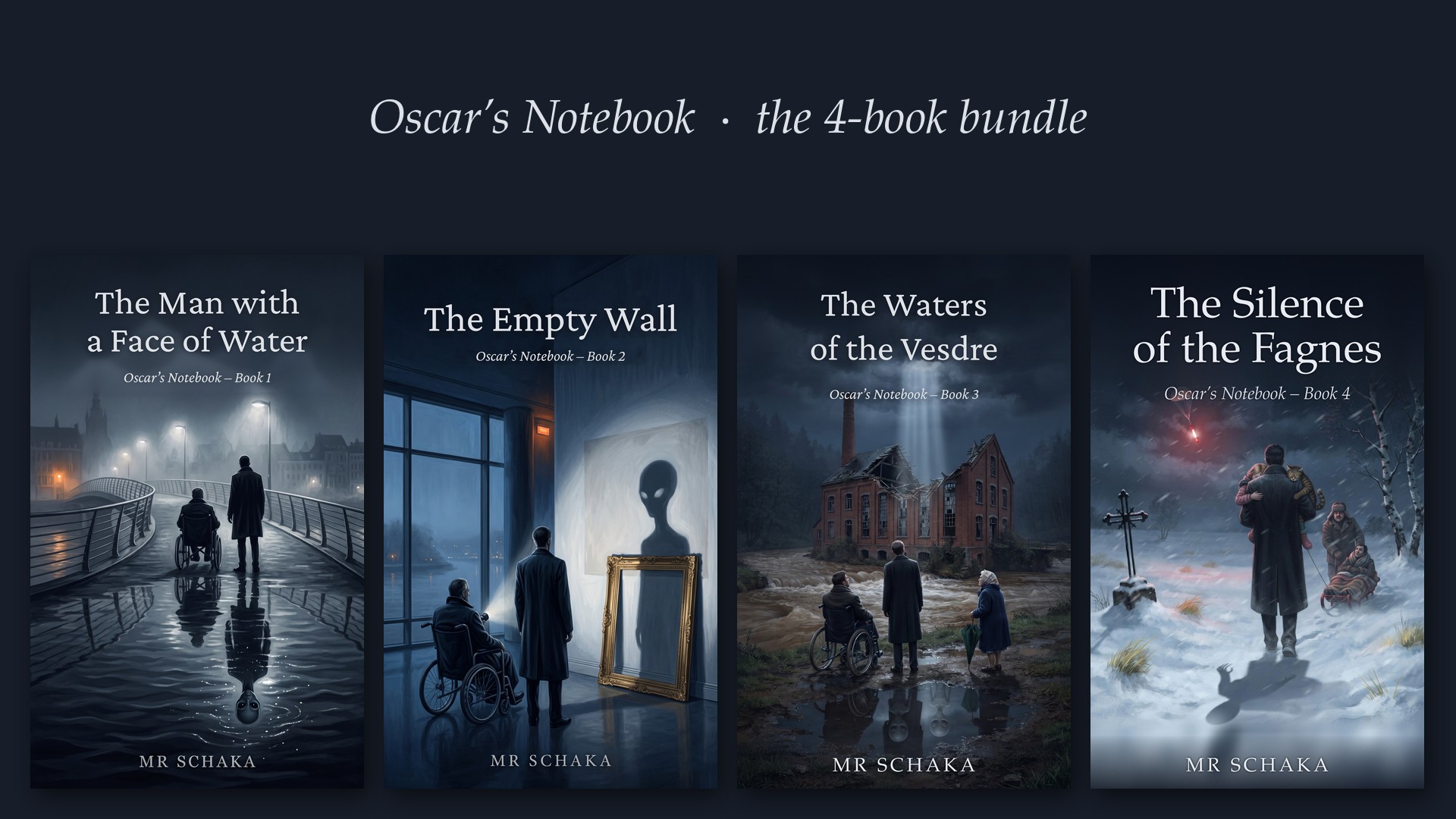
Category: Oscar’s Notebook: articles

Liège, its characters and the history behind the detective series.

  • La Boverie, Liège’s Museum of Fine Arts in its 1905 palace

    La Boverie, Liège’s Museum of Fine Arts in its 1905 palace

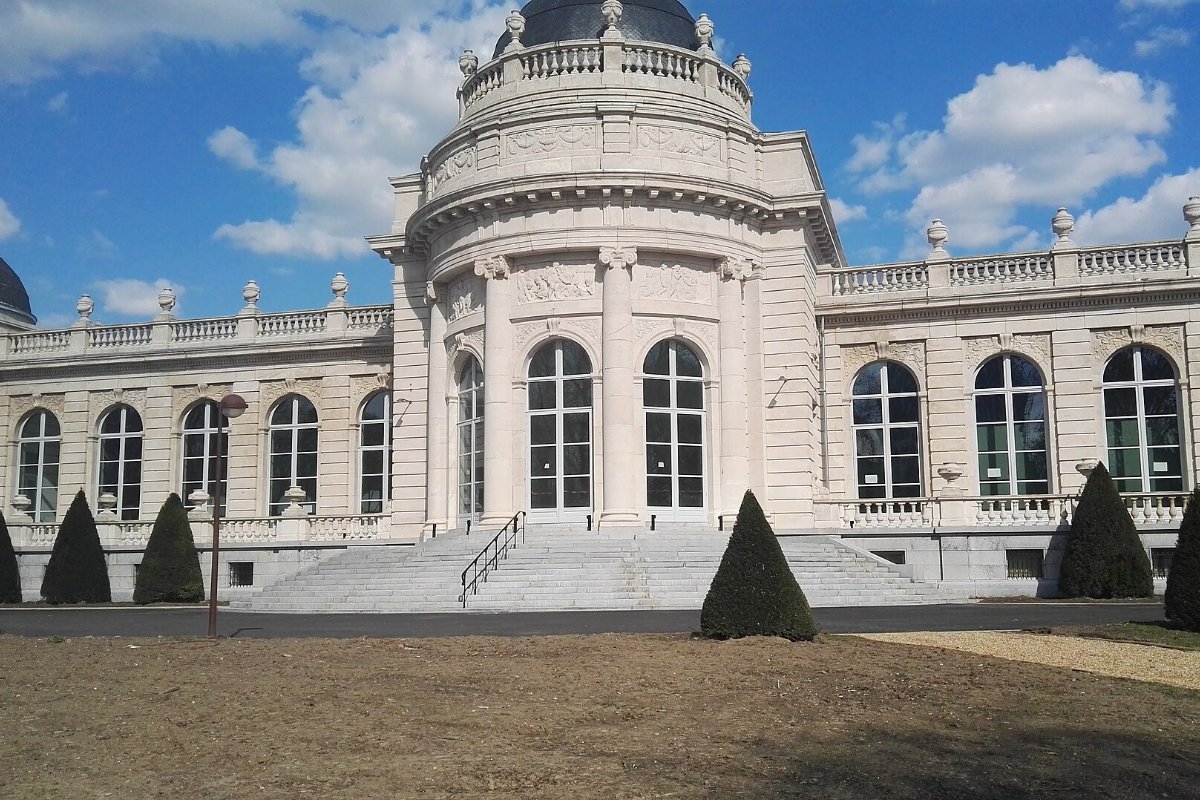
    In Liège, La Boverie occupies a palace built for the 1905 World’s Fair, in the middle of the park that bears its name, between the Meuse and the Dérivation. You go in for the permanent collection of the Museum of Fine Arts.

    A palace from 1905

    The building is a surviving pavilion of the world’s fair, later converted into a museum. Its setting, in a park on the water, is already part of the visit.

    The collections

    The route runs from the Renaissance to the 20th century: Lambert Lombard, Ingres, Monet, Chagall, Picasso, Delvaux. Temporary exhibitions are added to this, some of them organised with the Louvre.

    Practical information

    Parc de la Boverie 3, 4020 Liège. Open Tuesday to Sunday, 10 am to 6 pm, closed on Mondays and on 1 January, 1 May and 25 December.

    Permanent collections: 5 EUR full price, 3 EUR for over-65s and students, free under 26. Free entry on the first Sunday of the month. Temporary exhibitions have their own prices.

    #Liege #Museum #MrSchaka

    FAQ

    How long should I allow?

    An hour and a half for the collections, longer if you add a temporary exhibition and a walk in the park.

    Do I need to book?

    Online ticketing is offered on the museum’s website; it becomes useful for major temporary exhibitions.

    Sources and further reading

    Book cover

    The book

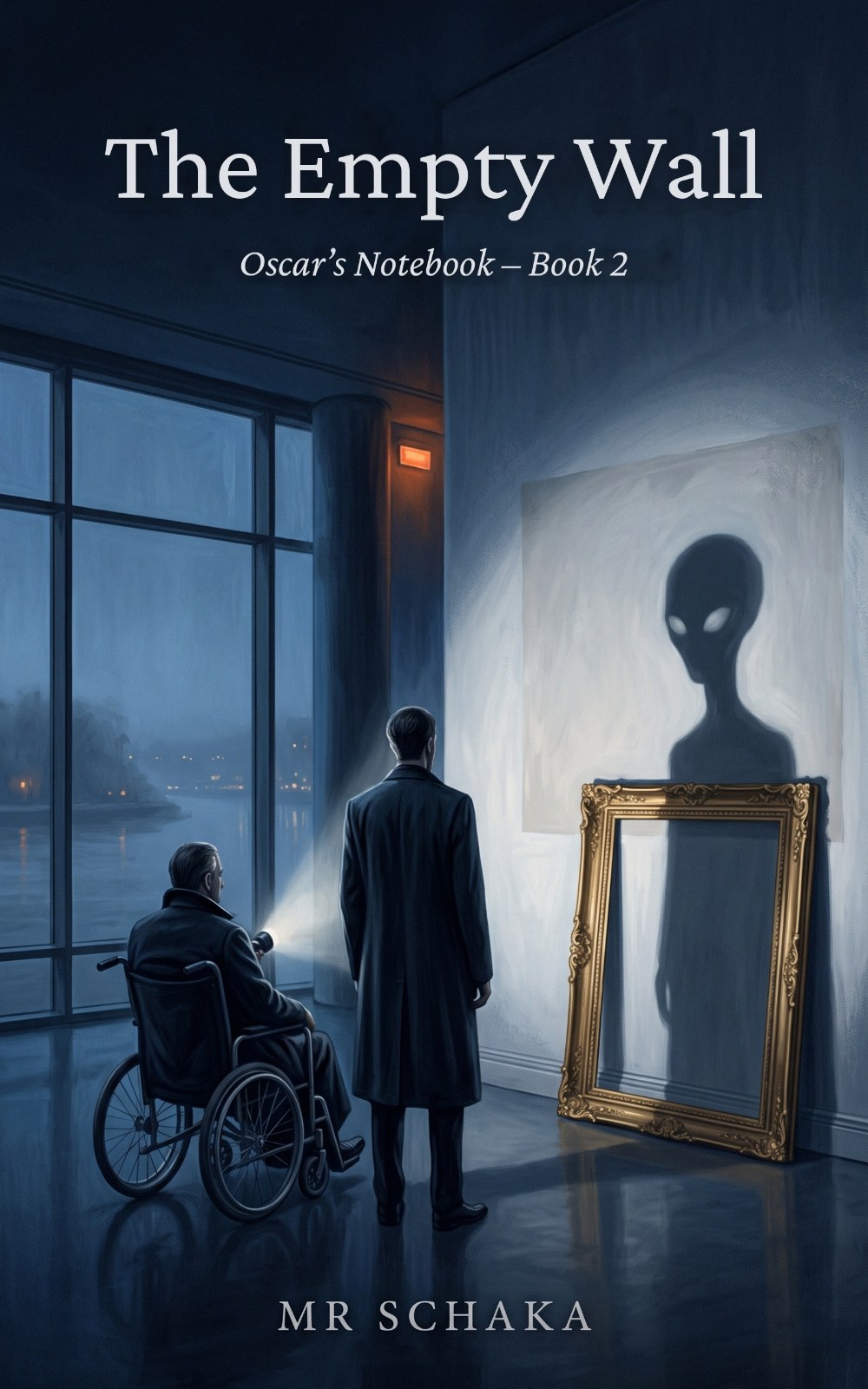
    The Empty Wall is the second book of Oscar’s Notebook, a series of crime novels set in Liège.

  • What order should you read Le Carnet d’Oscar in? Two ways to begin

    What order should you read Le Carnet d’Oscar in? Two ways to begin

    The official introduction says that each Le Carnet d’Oscar volume contains a complete investigation. A continuing thread also develops between books. Your starting point depends on how you want to follow that continuity.

    The four listed volumes in order

    1. L’Homme au visage d’eau.
    2. Le Mur vide.
    3. Les Eaux de la Vesdre.
    4. Le Silence des Fagnes.

    Choose your first read

    Start with book one to meet the characters gradually. For a standalone case, read a volume’s introduction and choose what attracts you. Avoid detailed summaries of the other books beforehand.

    FAQ

    #Liege #MysteryBooks #MrSchaka

    Are the previous books compulsory?

    The site says the investigations stand alone; sequence preserves the continuing thread.

    Is there a fifth volume?

    On 19 October 2026, the official page lists it as being written, without a publication date.

    Sources and further reading

    Book cover

    The book

    The Empty Wall is the second book of Oscar’s Notebook, a series of crime novels set in Liège.

  • The Biennale de l’Image Possible 2026 takes over Liège with ‘Miroir Miroir’

    The Biennale de l’Image Possible 2026 takes over Liège with ‘Miroir Miroir’

    The Biennale de l’Image Possible opened its 14th edition on 17 October 2026 in Liège. It runs until 13 December 2026 under a title that says almost everything: ‘Miroir Miroir’.

    Where and when

    The main venue is the former Chiroux library, quai van Hoegaarden 2. Five exhibitions are shown there, completed by an OFF programme spread across partner venues in and around Liège.

    What ‘Miroir Miroir’ is about

    This edition falls in the year marking 200 years since the invention of photography. Its thread is the power of images to bring us face to face with ourselves and with others. Portraiture sits at the centre, between self-representation and the gaze on the other, with particular attention to young people.

    Alongside the invited artists, four young European curators have been given carte blanche, each working on the ambiguous status of the image in relation to truth, archives, information and memory.

    #Liege #Photography #MrSchaka

    Also on show

    Two further displays complete the visit: ‘.tiff 2026’, a proposal from the FOMU in Antwerp devoted to emerging Belgian photography, and ‘ANIMALS’, designed for families around Lous Martens’ Animal Books.

    FAQ

    Do I need to book?

    Practical information and ticket booking are handled on the BIP website. Check opening hours before travelling.

    How long should I allow?

    Five exhibitions in one place: half a day to see the essentials, longer if you follow the OFF trail across the city.

    Sources and further reading

    Book cover

    The book

    The Empty Wall is the second book of Oscar’s Notebook, a series of crime novels set in Liège.

  • How to visit Liège in one day?

    How to visit Liège in one day?

    Visiting Liège in a single day is a reasonable bet, on one condition: the city does not give itself up at random. It stretches along the Meuse, climbs the slopes of the Citadel and hides its historic centre behind a spectacular but outlying station. The right route climbs once, descends once, and never retraces its steps.

    Morning: from Guillemins station to the citadel

    The day starts at Guillemins station, the glass-and-steel vessel designed by Santiago Calatrava. The building alone is worth the detour, but you then have to reach the centre: allow twenty to twenty-five minutes on foot, or take a bus.

    First climb, the most famous one: the Bueren stairs. Its 374 steps, on a slope approaching 30 percent, are named after Vincent de Bueren, a defender of the city in the 15th century. Climb it early, while the air is still cool and the low light cuts across the facades. At the top, the view takes in the rooftops, the Meuse and the Prince-Bishops’ Palace.

    If your legs allow, continue along the Citadel hillside paths: this is another Liège, made of garden walls and viewpoints, a few minutes from the stairs.

    Midday: the historic heart

    Come down towards Place Saint-Lambert. The Prince-Bishops’ Palace, with its courtyard and galleries, occupies the former seat of princely power. A few steps away, rue du Perron leads to the Liège perron, symbol of the city’s freedoms, which locals have always insisted on recovering whenever it was taken from them.

    Carry on to Saint-Paul’s Cathedral, then find a table. Two dishes tell the city better than any guidebook: boulets à la liégeoise, meatballs in a sweet-and-sour sauce made with Liège syrup, and a café liégeois for dessert. Allow an hour for lunch, and avoid the most touristy address: the streets behind the square are safer bets.

    Watch the calendar: on Sunday mornings the La Batte market takes over the quays and completely changes the rhythm of the day. It is a spectacle in itself, but you then have to shift everything else.

    Afternoon: Hors-Château and La Boverie

    The afternoon belongs to the other side of the centre, in Hors-Château, the oldest quarter of Liège. You enter through narrow lanes, dead ends and stairways; Saint-Barthélemy church holds Romanesque baptismal fonts that people come from far away to see.

    Then cross the Meuse towards the Parc de la Boverie. The Museum of Fine Arts occupies a palace built for the 1905 World’s Fair: the permanent collection runs from the Renaissance to the 20th century, with Ingres, Monet, Chagall, Picasso and Delvaux. It is open Tuesday to Sunday, 10 am to 6 pm, closed on Mondays; entry to the collections costs 5 EUR and is free for under-26s and on the first Sunday of the month.

    If it rains, two reliable fallbacks in the centre: the Grand Curtius and the Museum of Walloon Life.

    #Liege #Belgium #MrSchaka

    Evening: the quays and the Carré

    Two options to finish. The Meuse quays at sunset, with terraces lighting up; or the Carré, the bar district behind Place Saint-Lambert, which looks like no other Belgian city centre. For a quiet dinner, head to Outremeuse, the old boatmen’s island, where you eat better and more slowly.

    Practical information

    Liège is one hour by train from Brussels; Guillemins station is about two and a half kilometres from the centre. The whole route is on foot, covering eight to ten kilometres and several hundred steps: bring good shoes. Museums often close on Mondays, and the La Batte market runs on Sunday mornings.

    FAQ

    Is one day enough to visit Liège?

    For the essentials of the historic centre, yes. For the museums and the hillsides, allow two days.

    How many steps do I have to climb?

    374 for the Bueren stairs, plus a few more flights in Hors-Château. Nothing insurmountable, but avoid new shoes.

    What can I do in Liège when it rains?

    The museums: La Boverie, the Grand Curtius, the Museum of Walloon Life, or the archaeological site under Place Saint-Lambert.

    Sources and further reading

    Book cover

    The book

    The Empty Wall is the second book of Oscar’s Notebook, a series of crime novels set in Liège.

  • Liège’s Perron: reading a symbol in Place du Marché

    Liège’s Perron: reading a symbol in Place du Marché

    The Perron in Place du Marché symbolises Liège’s civic freedoms. Strictly speaking, the name refers to the column forming the monument’s upper part. This small distinction changes how you look at the whole.

    From monument to detail

    Identify the column, its summit and its relationship with the fountain. Step back to see the square and town hall. Reading a symbol also involves noticing how it occupies a shared space.

    Extend the stop

    • Consult the tourism office’s account of its history.
    • Compare a quick sketch with the actual outline.
    • Keep walkways and terrace access clear.

    This heritage visit complements an interest in the city of Le Carnet d’Oscar; it supplies no canonical clue about the cases.

    #Liege #MysteryBooks #MrSchaka

    FAQ

    Is an indoor visit needed?

    The monument can be observed from the square.

    What should I remember?

    Its civic symbolism and one visual detail you actually noticed.

    Sources and further reading

    Book cover

    The book

    The Empty Wall is the second book of Oscar’s Notebook, a series of crime novels set in Liège.

  • Hors-Château’s narrow lanes: an observant walk in Liège

    Hors-Château’s narrow lanes: an observant walk in Liège

    Liège’s tourism office includes Rue Hors-Château and its lanes in the city’s heritage. This observation walk can extend your reading of Le Carnet d’Oscar into the real city, without assigning a fictional route to its heroes.

    One street, different scales

    Look first at the whole street, then a passage, then a façade detail. Changing scale refreshes the view. Compare light and the width of spaces while remaining on permitted access routes.

    Respect the neighbourhood

    • An open door is not an invitation.
    • Keep entrances clear and conversations quiet.
    • Photograph façades without pointing into occupied homes.

    FAQ

    #Liege #MysteryBooks #MrSchaka

    Can every lane be entered?

    Access depends on the place and signs; never force a passage.

    What should I write down?

    One observed detail and one historical question to check later, clearly distinguished.

    Sources and further reading

    Book cover

    The book

    The Empty Wall is the second book of Oscar’s Notebook, a series of crime novels set in Liège.

  • Saint-Barthélemy in Liège: taking a closer look at the baptismal font

    Saint-Barthélemy in Liège: taking a closer look at the baptismal font

    Saint-Barthélemy houses a brass baptismal font dating from the early twelfth century. This heritage stop complements an interest in the Liège setting of Le Carnet d’Oscar. It is a suggested visit, without attributing a scene from the series to it.

    Look before reading

    Study the reliefs for groups of figures, gestures and differences in depth. Read the available explanation afterwards, then return to a detail you initially misunderstood.

    Plan your stop

    • Locate Place Saint-Barthélemy on your map.
    • Confirm opening and access arrangements; services may affect visits.
    • Follow photography instructions and requested distances.

    FAQ

    #Liege #MysteryBooks #MrSchaka

    Why take notes?

    Two lines about one detail are enough to preserve a personal memory.

    Does this reveal a case?

    It introduces a real place without revealing plots or adding events to the novels.

    Sources and further reading

    Book cover

    The book

    The Empty Wall is the second book of Oscar’s Notebook, a series of crime novels set in Liège.

  • Grand Curtius Liège: museum guide, opening hours and prices

    Grand Curtius Liège: museum guide, opening hours and prices

    The Grand Curtius in Liège is a red-brick palace on the Meuse, and behind its mullioned windows thousands of objects tell the city’s story: weapons, Mosan goldwork, glass, archaeological finds. I go back often, especially in autumn, when the quay turns grey and the museum smells of stone and old wood. Here is how to visit without missing anything, then how to stretch the day into the lanes of Féronstrée and Hors-Château.

    A Renaissance palace on the banks of the Meuse

    The heart of the museum is the Curtius Palace, built at the end of the 16th or the start of the 17th century for Jean de Corte, known as Curtius. He made his fortune trading weapons and gunpowder.

    The Grand Curtius opened in March 2009. The city brought together collections that used to be scattered: the Arms Museum, the Glass Museum, the Archaeology and Decorative Arts Museum, and the Religious and Mosan Art Museum. The whole complex spreads across several connected buildings, including the Brahy, Hayme de Bomal and Wilde mansions, over more than 5,000 m². There are two entrances: Féronstrée 136 on the town side and Quai de Maestricht 13 on the river side.

    The collections: weapons, Mosan art, glass and archaeology

    Weapons. Several thousand firearms and blades, with one common thread: the skill of Liège’s gunsmiths. Even if the subject leaves you cold, you quickly see why Liège was long a capital of arms-making.

    Religious and Mosan art. In the Middle Ages, the workshops of the Meuse valley produced goldwork and sculpture of rare finesse. It is the quietest section, and often the most moving.

    Glass. From Antiquity to the present day, built on Alfred Baar’s collection.

    Archaeology and decorative arts. The core comes from the Liège Archaeological Institute, which had already opened a museum at the Curtius in 1909. You then move on to furniture, ceramics and work by Liège makers such as Jean Delcour and Gustave Serrurier-Bovy.

    What not to miss

    • Notger’s Gospel, the masterpiece of Mosan art, with its ivory and goldwork cover.
    • The Virgin of Dom Rupert, a gentle stone relief, to be found in the religious art rooms.
    • The weapons rooms, for the contrast between beautiful decoration and the purpose of the objects.
    • The palace interiors: ceilings, fireplaces, staircases. Look up, the building is a work of art in itself.
    • The view over the Meuse from the upper floors, especially in late afternoon.

    Opening hours, prices, time needed and getting there

    The museum is open from 10am to 6pm every day except Tuesday. It also closes on 1 January, 1 May, 1, 2 and 11 November and 25 December.

    An adult ticket costs €9, the reduced rate (seniors, groups, jobseekers) €5. Entry is free for under-26s and for everyone on the first Sunday of the month (prices checked in 2026). Allow about two to three hours for a full visit without rushing; an hour and a half is enough if you focus on two or three sections.

    From Liège-Guillemins or Saint-Lambert station, the tram towards Coronmeuse stops at “Curtius”, right opposite the entrance. On the way back, take the tram towards Standard from the “Féronstrée” stop. By car, the Saint-Georges, Cité, Saint-Lambert and Saint-Denis car parks are less than 500 m away. From April to October, the river shuttle also stops in front of the museum. The building is accessible for people with reduced mobility.

    #CrimeFiction #Liege #GrandCurtius #Mystery #MrSchaka

    Féronstrée and Hors-Château: a crime fiction lover’s neighbourhood

    Leave by the town-side exit and you are on Féronstrée, a long shopping street running towards Place du Marché. Just behind it, Rue Hors-Château has a different mood: cobbles, old façades, and small doors opening onto blind alleys, such as Impasse de la Couronne or Impasse des Ursulines. You step in almost apologising. The noise of the city stops dead.

    On an autumn evening, it is the perfect setting for anyone who loves crime novels. Night falls early, the yellow light of the lamps slides over the wet cobbles, and the Montagne de Bueren staircase, with its 374 steps, climbs into the dark towards the Citadel slopes. It is easy to picture a witness hesitating at the corner of a courtyard, a missed meeting, a figure slipping away towards the Meuse.

    A few steps away, the Cour des Mineurs houses another museum I am very fond of: the Museum of Walloon Life and its puppets. On Sunday mornings, La Batte market stretches along the quays, right in front of the Grand Curtius.

    Mr Schaka’s practical tips

    • Aim for the first Sunday of the month for free entry, but expect bigger crowds.
    • In autumn, arrive around 3pm: you finish at 6pm, just as the neighbourhood is at its most beautiful.
    • Do not come on a Tuesday, or on 1, 2 or 11 November.
    • On Sundays, access to the Cité and Saint-Georges car parks changes because of the market: take the tram instead.
    • Wear good shoes for Bueren and the alleys, the cobbles are slippery in the rain.
    • To fill the rest of your stay, see my ideas for a weekend in Liège.

    Frequently asked questions

    Is the Grand Curtius open on Mondays?

    Yes. The museum is open Wednesday to Monday, from 10am to 6pm. It is closed on Tuesdays and on some public holidays.

    How much does the Grand Curtius cost?

    €9 full price, €5 reduced. It is free for under-26s and for everyone on the first Sunday of the month (prices checked in 2026).

    How long should I allow for the visit?

    About two to three hours to see everything at a relaxed pace. Add an hour to wander through Hors-Château afterwards and climb the Montagne de Bueren.

    Book cover

    The book

    Liège, its back streets and its museums are the setting of Oscar’s Notebook, Mr Schaka’s crime series: short investigations that read like a walk through the city.

  • Writing a Reading Journal That Helps You Remember What Matters

    Writing a Reading Journal That Helps You Remember What Matters

    A reading journal does not need to become another task to complete. It can be a small space for the details that would otherwise fade: a sentence that surprised you, a question you want to carry forward, or the reason you chose a particular book.

    #ReadingJournal #Books #Writing #BookNotes #MrSchaka

    After each reading session, write a few lines in your own words. Note the title and author, then capture one idea, one feeling, or one connection to something you have already read. If a passage matters, record its page number and a short quotation rather than copying whole sections.

    Over time, these brief notes become a personal map of your reading life. You may notice recurring interests, discover authors you want to revisit, or remember why a book mattered to you. A notebook, a notes app, or a simple document can all work. Choose the format that is easiest to return to, and let the habit stay light enough to last.

    Book cover

    The book

    The Empty Wall is the second book of Oscar’s Notebook, a series of crime novels set in Liège.

  • The Quiet Power of a Reading Ritual: Making Space for Books Every Day

    The Quiet Power of a Reading Ritual: Making Space for Books Every Day

    A reading habit rarely begins with a grand resolution. More often, it grows from a small space protected in an ordinary day: ten pages before bed, a chapter on the train, or a few quiet minutes with coffee. When reading feels approachable, it becomes easier to return to it.

    Build a ritual that fits your real life

    #MrSchaka #Books #Reading #Writing #BookLovers

    Choose a time and place that already belong to your routine. Keep a book within reach, silence notifications and set a modest goal. If you miss a day, simply begin again; consistency comes from returning, not from keeping a perfect streak. A short session can be enough to reconnect with a story.

    Let curiosity guide your next choice. Alternate a familiar author with a new voice, or move between fiction and essays. A library visit or a note from a friend can offer a welcome change when your current book no longer holds your attention. Reading is not a race through a list; it is a conversation with ideas and people you might never meet otherwise.

    After a chapter, jot down one sentence that stayed with you. That tiny note can help you remember what moved or surprised you, and it may become the seed of your own writing. What small reading moment could you make room for this week?

    Book cover

    The book

    The Empty Wall is the second book of Oscar’s Notebook, a series of crime novels set in Liège.