
Category: The Season of Breath: articles

Places, people and excerpts from the memoir La Saison du souffle.

  • Slow travel in Thailand: fewer stops, more time, less fatigue

    Slow travel in Thailand: fewer stops, more time, less fatigue

    For a long time I travelled like many people do: as many stops as possible, packed days and suitcases repacked every other day. Today I practise slow travel in Thailand: fewer places, more time in each, and a pace that leaves room for rest. Here is how I organise a restful stay without feeling that I’m missing out on the country.

    Why travel slowly in Thailand

    Thailand lends itself particularly well to slow travel. The climate is hot and humid for much of the year, and the heat is more tiring than you might think. Distances are also longer than they look on the map: a travel day is often a whole day, between waiting, the journey itself and settling in.

    Travelling slowly means accepting that you won’t see everything. In return, you discover something else: the neighbourhood market where people end up recognising you, the little restaurant you go back to every evening, the nearby temple you visit early in the morning while it is still quiet. You no longer consume places, you live in them a little. And you come home rested, which is not always the case after a multi-stop tour.

    Fewer stops: my “bases” rule

    My method is simple: I choose a few bases and stay at least a week in each. From each base I take day trips, then come back to sleep in the same place. No more endless repacking.

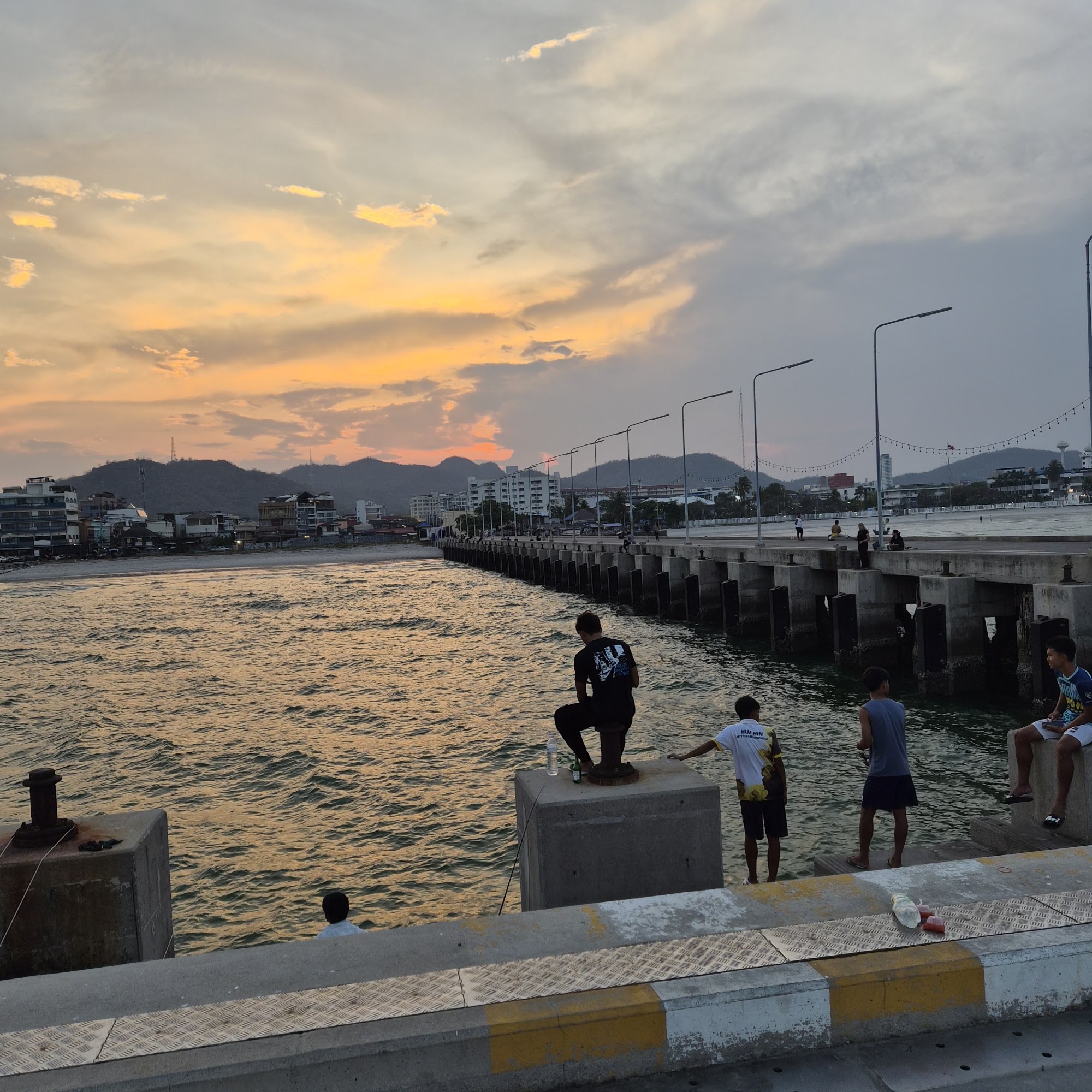
    • For two weeks: two bases, for example Bangkok and then a quiet seaside resort such as Hua Hin.
    • For three or four weeks: three bases at most, for example Bangkok, Chiang Mai and a beach.
    • For a whole winter: just one or two bases, with accommodation rented by the month. I talk about this in my article on spending the winter in Thailand after 50.

    Chiang Mai is an ideal base for this kind of stay: the city is human-sized, there are plenty of excursions and the pace is gentler than in Bangkok. I have devoted a whole article to it, Chiang Mai for slow travellers.

    Getting around gently

    Transport is often what tires you most. A few simple choices make all the difference.

    • The train: my favourite way to cover long distances. The night train between Bangkok and Chiang Mai leaves from Krung Thep Aphiwat station and takes around 11 to 13 hours. A sleeper berth lets you lie down and arrive without losing a day. Book on the official website of the State Railway of Thailand (SRT), especially in high season.
    • Flying: for long distances, a one-hour domestic flight is often less tiring than a long day on a bus. Allow plenty of time for the airport and plan nothing else that day.
    • A private driver: for journeys of a few hours, such as Bangkok to Hua Hin or to a beach in the east, hiring a car with a driver lets you leave when you want and stop whenever you need to.
    • One long journey a day: I never combine a flight and a long drive on the same day.

    Choosing accommodation you want to stay in

    When you stay a week or more, your accommodation matters far more than for a single night. I mainly look for:

    • a lift and easy access, without long flights of steps;
    • public transport, a convenience shop and a few restaurants within walking distance;
    • a pool or a shady spot for the afternoon, when it is too hot to go out;
    • a kitchenette or at least a fridge, for cold water and fruit;
    • weekly or monthly rates, often better value than the nightly price.

    #TheSeasonOfBreath #Thailand #TravelStory #TrueStory #MrSchaka

    A typical slow-paced day

    My rhythm follows the heat. In the morning, between 7am and 10am, it is cooler: the time to visit a temple, walk in a park or go to the market. Late in the morning I head back. In the afternoon, when the sun is at its strongest, it is pool, nap, reading or somewhere air-conditioned. Around 5pm the city comes back to life: a stroll, a night market, a simple dinner. I never plan more than one major activity a day, and I keep at least one day a week with nothing planned.

    Health and comfort on a long stay

    I am not a doctor, and everyone’s situation is different. Before a long stay, especially if you have a chronic illness or are short of breath, talk to your doctor: they can advise you on your treatment, vaccinations and the precautions to take. Bring enough medication, with the prescription, and take out travel insurance that properly covers medical costs on the spot.

    Beyond that, a few simple habits help: drink regularly, protect yourself from the sun, wear light clothing and don’t hesitate to take a taxi rather than walk in the full heat. If you have breathing difficulties, my article on travelling in Thailand when you are short of breath offers more ideas.

    My practical tips

    • Choose the cool season, roughly November to February, if you don’t cope well with heat.
    • Allow at least a week per base and at least one full rest day after each long journey.
    • Book the first nights in advance, then extend on the spot if you like the place: this is often possible outside high season.
    • Before leaving, check the entry rules and permitted length of stay for your nationality: they change regularly, so ask the Thai embassy.
    • Get a local SIM card or eSIM as soon as you arrive: transport apps, maps and translation make everything easier.
    • Keep some time free of screens and plans: that is often when you meet people and really enjoy yourself.
    • Keep useful numbers, such as your insurer and your accommodation, both in your phone and on paper: if anything goes wrong, you will always have them to hand.

    Frequently asked questions

    How many stops for three weeks in Thailand?

    For a restful stay, two or three bases are plenty, with day trips from each of them.

    Train or plane to Chiang Mai?

    The plane is faster; the night train is more of an experience and lets you sleep lying down. Both suit slow travel, as long as you plan some rest on arrival.

    What is the best season for slow travel?

    The cool season, roughly November to February, is the most pleasant. The rest of the year is possible too, provided you adapt your pace to the heat or the rain.

    Is slow travel more expensive?

    Often not: you spend less on transport, and weekly or monthly rentals generally cost less than a string of hotel nights.

    Cover of The Season of Breath

    The book

    Mr Schaka lives with pulmonary fibrosis and has been travelling in Thailand for years. In The Season of Breath he tells the story of that journey, one step at a time, with humour and no self-pity.
  • Where does La Saison du souffle sit in the author’s work?

    Where does La Saison du souffle sit in the author’s work?

    A book is easier to understand when you know where it comes from and what surrounds it. For this author, the work divides into three families, and La Saison du souffle occupies a precise place between two of them.

    The personal narratives

    La Saison du souffle and Je respire encore form a set: two first-person texts where the body, illness and breath are central. They can be read in any order, but they answer each other. This is the most intimate part of the work.

    The crime series

    Oscar’s Notebook is of another kind: investigations, a city, recurring characters. Readers arriving through it will not find the same register, but they will find a setting — Liège, its streets, its stairways — that circulates from one book to another.

    The guides

    The Thailand guides are practical books, but they share with the narratives the same attention to places: a market, a street, a quality of light. You look for addresses there; you also find a way of looking.

    What this changes for the reading

    Placing the book avoids two misunderstandings. The first would be to look for an investigation: it is not a crime novel. The second would be to read it as mere testimony: it is a constructed text, with a form and a progression.

    #LaSaisonDuSouffle #Reading #MrSchaka

    Practical information

    If you are discovering the author, start with La Saison du souffle or with one of the Oscar novels depending on what you want — intimacy or plot. Both paths meet, but not in the same place.

    FAQ

    Must the books be read in a set order?

    No. The narratives are independent, the crime series reads in publication order, the guides in any order.

    Is the novel autobiographical?

    It is a first-person narrative, but that is no reason to read it as a document.

    Which book to start with?

    La Saison du souffle for the writing; an Oscar novel for the story.

    Also read

    Cover of The Season of Breath

    The book

    Mr Schaka lives with pulmonary fibrosis and has been travelling in Thailand for years. In The Season of Breath he tells the story of that journey, one step at a time, with humour and no self-pity.
  • What do you discover when you reread La Saison du souffle?

    What do you discover when you reread La Saison du souffle?

    We rarely reread a novel for the reason we read it the first time. The first reading seeks to know; the second seeks to understand. La Saison du souffle rewards precisely the second.

    The opening pages change meaning

    This is the most striking experience: what looked like ordinary set-up becomes, once the ending is known, a series of indications. The sentences have not changed; our gaze has moved.

    The objects come back for real

    What a first reading takes for detail — a gesture, an object, a repetition — turns out to be a system. On rereading, you stop treating them as scenery and follow them as a trail.

    The structure becomes visible

    The first time you suffer the alternation of voices. The second, you see it building something: you notice where sections answer each other, where the author accelerates, where he suspends. That is the specific pleasure of rereading: reading the book and its machinery at once.

    Dialogue reads differently

    A line that seemed harmless carries, once the context is known, a weight you had not perceived. This is often where the novel gains most, because the language has not moved a word.

    #LaSaisonDuSouffle #Reading #MrSchaka

    Practical information

    Leave a few months between the two readings: too close, memory gets in the way. Reread with a pencil, or with bookmarks — the second reading is a working reading, not a discovery.

    FAQ

    Should I reread in order?

    Yes, the novel’s construction matters. Reading the start after the end tests how solid the whole is.

    How long to wait?

    Three months is enough to forget details without forgetting the essentials.

    One careful reading or two?

    One careful, then one slow. The reverse order is pointless.

    Also read

    Cover of The Season of Breath

    The book

    Mr Schaka lives with pulmonary fibrosis and has been travelling in Thailand for years. In The Season of Breath he tells the story of that journey, one step at a time, with humour and no self-pity.
  • What to listen to while reading La Saison du souffle?

    What to listen to while reading La Saison du souffle?

    The question sounds incidental: what music to read a novel to? It is not, because this book is made of sounds before it is made of images. Here are three ways to listen, and a fourth, which is to listen to nothing.

    Rain, first

    The most accurate backdrop: steady rain, no storm, on a roof or a tin sheet. It covers the house’s noise without imposing anything, and it resembles what the novel does with the city: a continuous sound you end up no longer hearing.

    Temple bells and courtyards

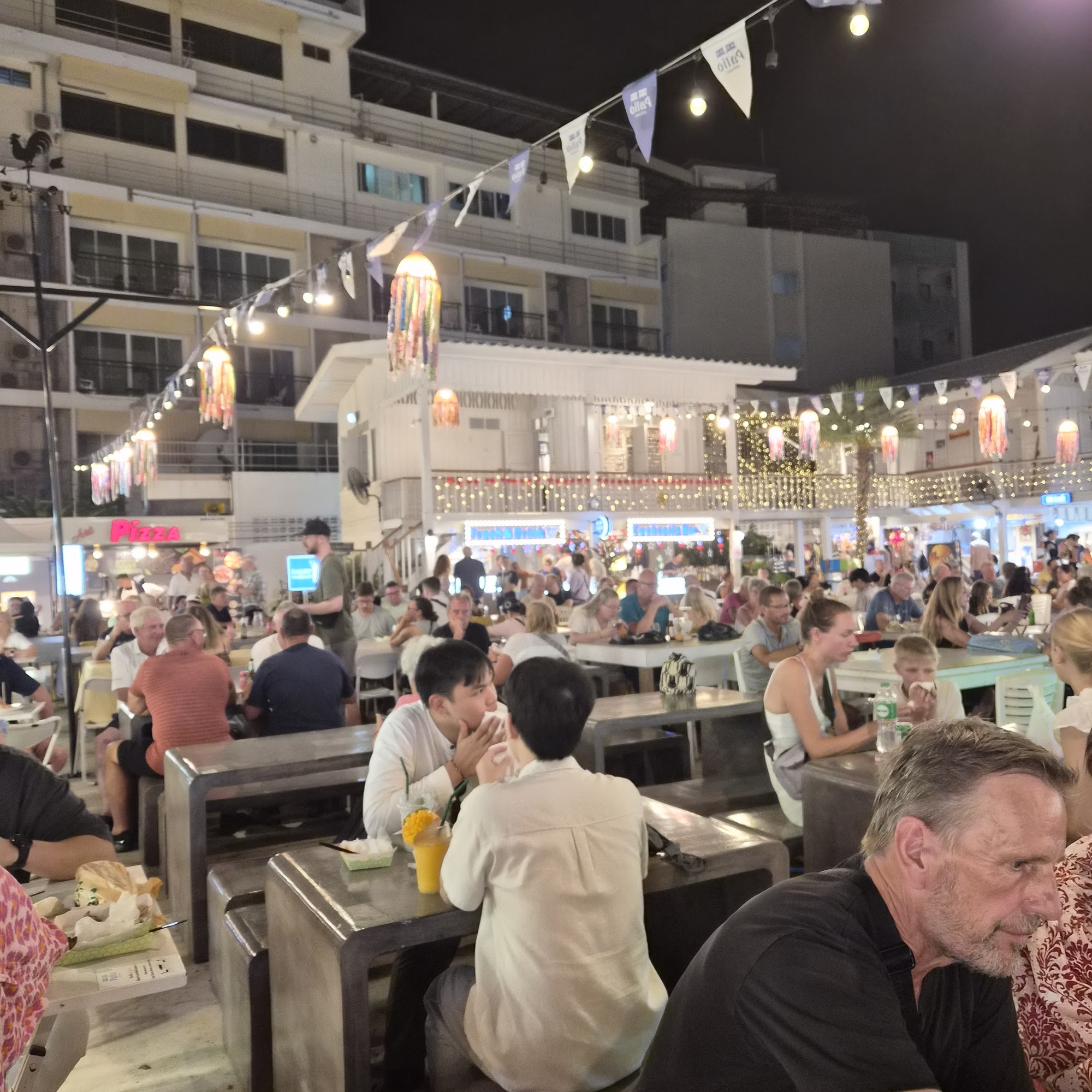
    A recording of distant bells, brooms on gravel, low voices: that is Bangkok’s quiet, the one that still exists at six in the morning. At very low volume it works better than any playlist.

    Markets and boats

    A market, an idling boat engine, incomprehensible announcements: these are the sounds from outside, the ones that come through the window. Reserve them for passages where the character is in the street, or the effect turns against the reading.

    The reasonable option: silence

    A novel that works on breathing and breath actually asks for no accompaniment. Many readers find the opposite of what they expected: music adds an emotion the text had already planned, and the book loses its lead.

    #LaSaisonDuSouffle #Reading #MrSchaka

    Practical information

    If you listen, keep the volume minimal and choose passages without sung voice: speech draws attention, and the novel’s voice must remain the only one. Avoid tracks that tell a story; they overlay the book’s.

    FAQ

    Which classical music works?

    Solo piano, slow, without a marked melody: music should be a background, not a narrative.

    Should I use real Bangkok sounds?

    Useful at first, counterproductive later: reality ends up distracting from fiction.

    And while travelling?

    Then listening is pointless: the city already does it.

    Also read

    Cover of The Season of Breath

    The book

    Mr Schaka lives with pulmonary fibrosis and has been travelling in Thailand for years. In The Season of Breath he tells the story of that journey, one step at a time, with humour and no self-pity.
  • Where to read La Saison du souffle in Bangkok?

    Where to read La Saison du souffle in Bangkok?

    Some books ask for an armchair. This one asks for a city. Reading La Saison du souffle in Bangkok means accepting that the pages and the streets contaminate each other a little. Five places for that, from quietest to loudest.

    A hotel lobby, in the morning

    Bangkok’s grand lobbies are reading rooms that do not know it: air conditioning, deep armchairs, relative silence. In the morning, before the guests arrive, you can find a full hour without interruption. It is the place that most resembles the novel’s own setting.

    A park, late afternoon

    Benjakitti or Lumpini: a bench, trees, and the city’s background noise that stays without getting in the way. Light fails fast; accept closing the book at the right moment rather than pushing on.

    A neighbourhood café

    Not the Sukhumvit ones, too loud: look for cafés in side streets, the kind where people work without loud music. One table, one iced drink, two hours.

    On a river boat

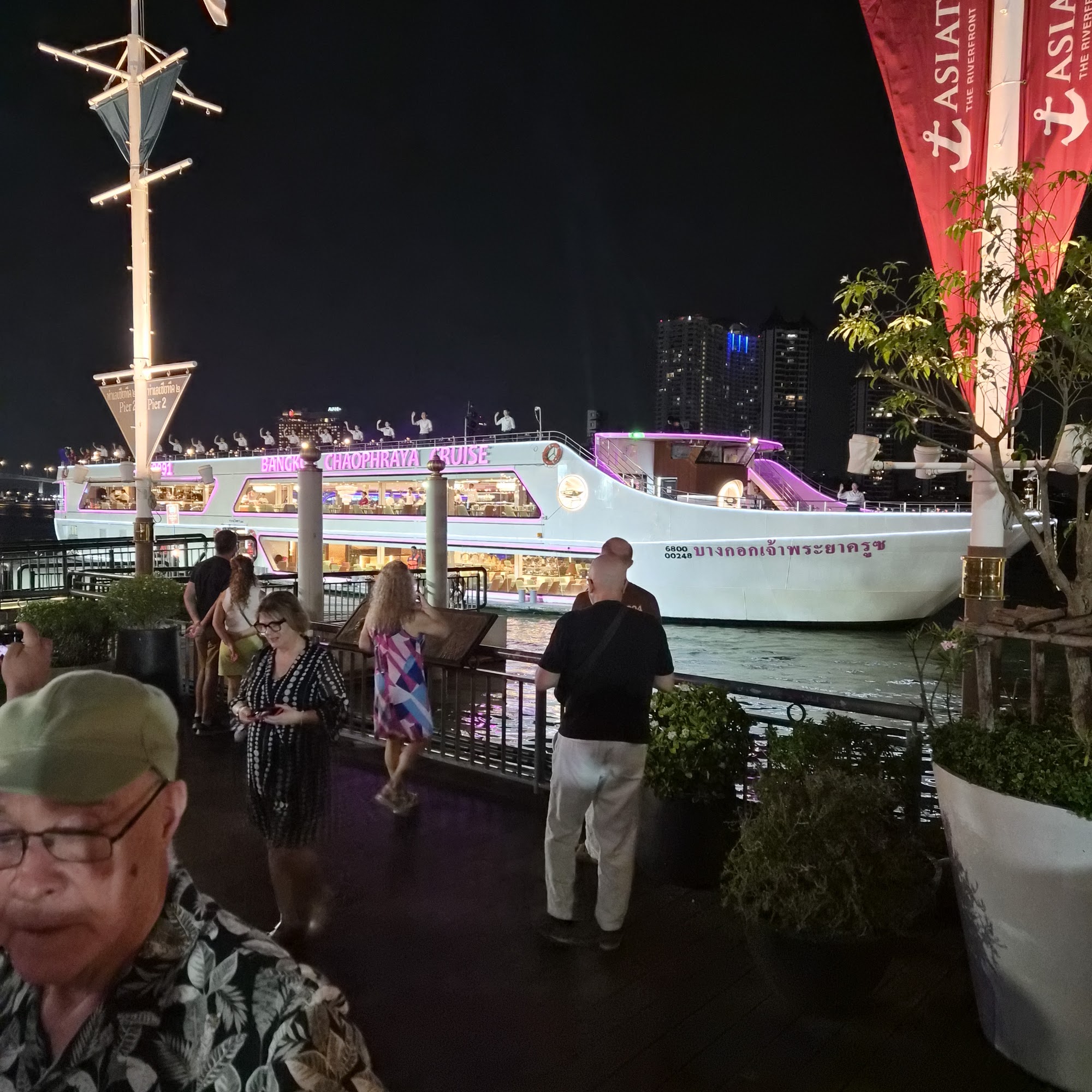
    The Chao Phraya at the end of the afternoon, noisy and crowded, is not good for reading — but it is good for listening. Read a page, look at the bank, come back. It is the truest way to cross this particular novel.

    In a temple courtyard

    Pick a secondary temple, not an attraction: a quiet courtyard, shade, benches. You read badly there, often interrupted, and yet those pages stay with you.

    #LaSaisonDuSouffle #Bangkok #MrSchaka

    Practical information

    Bring a paper copy rather than an e-reader: heat, humidity and screen glare make digital reading uncomfortable. Bring water. And do not read by the pool if you want to reach the end.

    FAQ

    How long to read the novel on site?

    A week at two hours a day, which leaves time for the city.

    Is the book available in Bangkok?

    French version on the author’s site; English and Thai versions also available.

    Do I need to have visited Bangkok first?

    No. The novel works before, during and after.

    Also read

    Cover of The Season of Breath

    The book

    Mr Schaka lives with pulmonary fibrosis and has been travelling in Thailand for years. In The Season of Breath he tells the story of that journey, one step at a time, with humour and no self-pity.

  • How to read La Saison du souffle without getting lost?

    How to read La Saison du souffle without getting lost?

    A novel that alternates voices and cities asks for a little attention at first, then finds its rhythm. Here are four markers that save you from rereading the same page three times.

    Follow the voices, not the chapters

    The simplest approach is to work out early who is speaking, and stick with it. Once the two voices are identified, the alternation becomes a rhythm rather than a confusion. If you lose the thread, go back to the start of the section, not the chapter.

    Keep a map of the places

    The novel moves: a hotel lobby, streets, a lake. Note the places as you go, on paper or in the margin. After fifty pages the book’s geography becomes as clear as that of a city you live in.

    Spot the objects that return

    Some objects and gestures come back without immediate explanation. Do not try to decode them straight away: note them. It is their return, later, that gives the book its meaning.

    Read the first pages slowly

    The temptation is to read fast to find out. Here it is the opposite: the first thirty pages set the rules. Take them slowly, accept not understanding everything, and the rest speeds up on its own.

    #LaSaisonDuSouffle #Reading #MrSchaka

    Practical information

    The novel reads well in a week at forty pages a day. If you read it while travelling, in Bangkok or elsewhere, leave the book at home in the evening: the novel’s places soon mix with those of the real city.

    FAQ

    Should I read Je respire encore first?

    No, the two books read independently. The reverse order works too.

    Is the novel difficult?

    Not difficult, but it asks for attention at the start. It is a book that rewards patience.

    Can I read it in translation?

    Yes. English, Thai, Hindi and Chinese versions are available on the site.

    Also read

    Cover of The Season of Breath

    The book

    Mr Schaka lives with pulmonary fibrosis and has been travelling in Thailand for years. In The Season of Breath he tells the story of that journey, one step at a time, with humour and no self-pity.
  • La Saison du souffle and Je respire encore: choosing your next read

    La Saison du souffle and Je respire encore: choosing your next read

    The site presents La Saison du souffle as a true account of travel in Thailand. Je respire encore is categorised as testimony and biography. These descriptions help match a book to what you feel like reading today.

    Start with your question

    • For a journey and encounters in Thailand, look first at La Saison du souffle.
    • For testimony focused on living with limited breath, consult Je respire encore.
    • If both interest you, start with the introduction or excerpt that makes you most curious.

    Keep expectations clear

    A personal account can open a conversation about illness. It cannot make one person’s experience universal or determine a treatment.

    FAQ

    #TheSeasonOfBreath #Reading #MrSchaka

    Is a prescribed reading order needed?

    The introductions offer starting points; you can discover the other book afterwards.

    Where can I check available formats?

    On the two official book pages when you make your choice.

    Sources and further reading

    Cover of The Season of Breath

    The book

    Mr Schaka lives with pulmonary fibrosis and has been travelling in Thailand for years. In The Season of Breath he tells the story of that journey, one step at a time, with humour and no self-pity.
  • La Saison du souffle: reading Bangkok through the Saint-Louis lobby

    La Saison du souffle: reading Bangkok through the Saint-Louis lobby

    The introduction to La Saison du souffle says that Michael waits for Chu every evening in the lobby of Saint-Louis Hospital in Bangkok. This detail offers a way to consider everyday places in travel writing.

    Look at what a place does

    As you read, note what a location allows: waiting, meeting someone or leaving again. Separate what the text explicitly states from the emotion it prompts in you. The same space may matter differently to different readers.

    A journal question

    Which unremarkable place occupies the largest part of your own travel memories? Describe it in five lines and compare your choice with another reader’s. This personal exercise does not add to Michael’s or Chu’s biography.

    FAQ

    #TheSeasonOfBreath #Reading #MrSchaka

    Does this tell us Chu’s occupation?

    The introduction alone does not specify it. Leave that question open.

    Is this an invitation to visit the hospital?

    This is literary reflection; a care facility’s work and confidentiality deserve respect.

    Sources and further reading

    Cover of The Season of Breath

    The book

    Mr Schaka lives with pulmonary fibrosis and has been travelling in Thailand for years. In The Season of Breath he tells the story of that journey, one step at a time, with humour and no self-pity.
  • Gabriel and Chu: following the companions in La Saison du souffle

    Gabriel and Chu: following the companions in La Saison du souffle

    The official synopsis presents Gabriel as the best friend with whom Michael begins his journey, followed by Chu, the woman he loves, with whom the journey continues. These points open a reading of companionship in the memoir.

    A three-question grid

    • Who is present in the passage I am reading?
    • What action or words does the text actually attribute to them?
    • How does their presence change what I notice about the journey?

    Leave room for uncertainty

    Record the chapter beside each observation. If you imagine an intention, label it as your interpretation. Missing information does not justify adding a person’s life history, occupation or thoughts.

    FAQ

    #TheSeasonOfBreath #Reading #MrSchaka

    Should I rank Gabriel and Chu?

    The grid studies their places in the text without ranking relationships.

    Can I quote their words from memory?

    Check the passage before quoting. Otherwise, clearly identify a summary.

    Sources and further reading

    Cover of The Season of Breath

    The book

    Mr Schaka lives with pulmonary fibrosis and has been travelling in Thailand for years. In The Season of Breath he tells the story of that journey, one step at a time, with humour and no self-pity.

  • Bangkok Without Walking Too Much: Boats, Metro and Taxis

    Bangkok Without Walking Too Much: Boats, Metro and Taxis

    Seeing Bangkok without walking too much is entirely possible. The city is huge, hot and full of stairs, but it also has a river, air-conditioned trains and cheap taxis. Here is how I organise myself to see the highlights while keeping my breath.

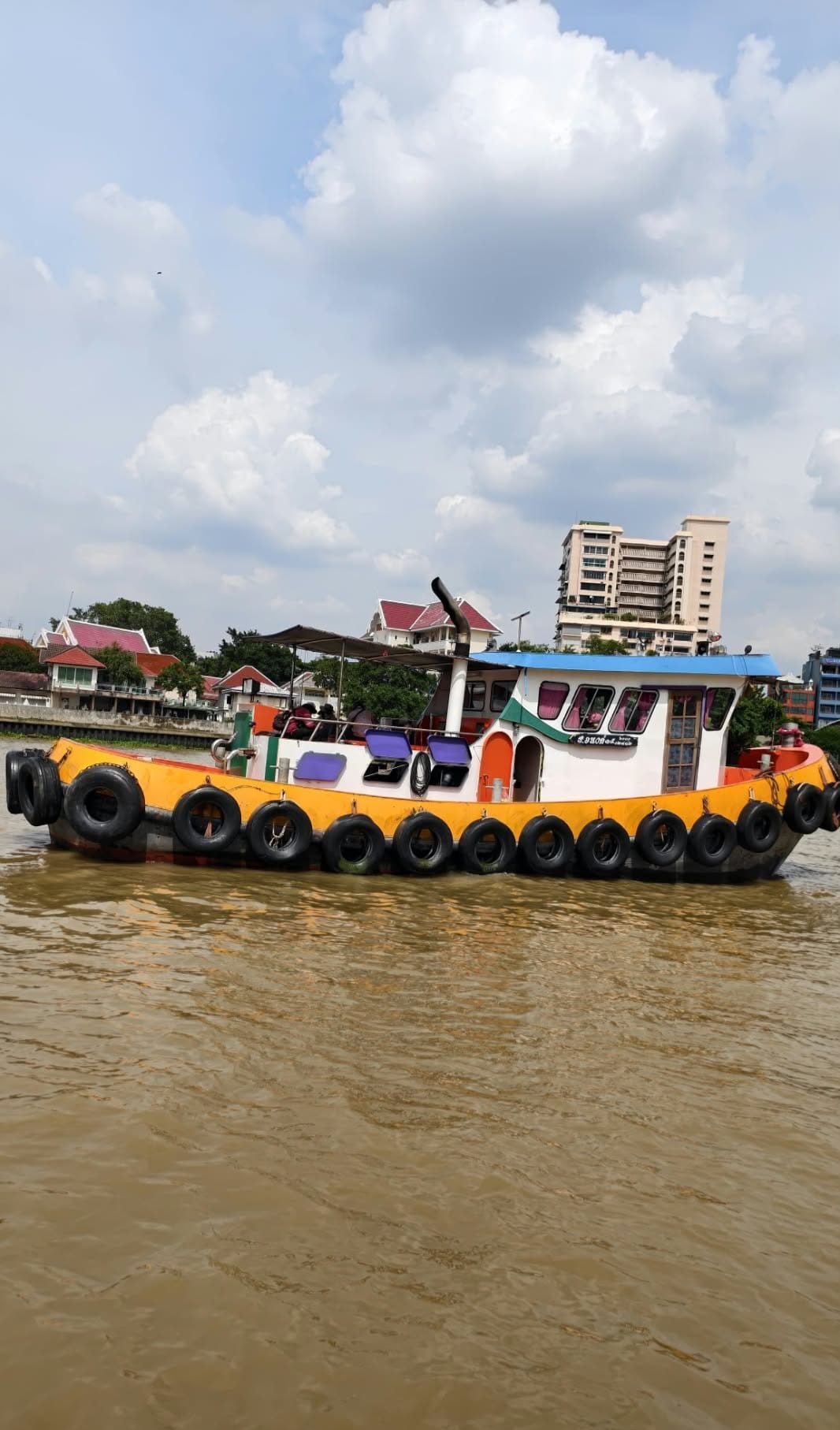
    The river: seeing Bangkok sitting down

    The Chao Phraya Express (orange flag)

    Orange-flag boats stop at most piers in the centre. A trip costs about 18 to 19 baht in 2026: the fare has moved by one baht several times this year, following diesel prices. At rush hour the boats are packed and boarding is quick, on a pontoon that rocks.

    The Tourist Boat (blue flag)

    Calmer, it runs from Sathorn to Phra Arthit, stopping at ICONSIAM, Ratchawong, Rajinee, Wat Arun, Tha Chang, Tha Maharaj and Prannok, with an extension to Asiatique. Expect 40 baht a trip or 150 baht for a day pass (prices checked in 2026). Boats leave roughly every 30 minutes, from 8.30am until early evening.

    Without even getting off, you see Wat Arun and its porcelain-covered towers, life on the banks, golden roofs in the distance. Sathorn pier is linked to Saphan Taksin BTS station: it is the easiest starting point. For the Grand Palace, get off at Tha Chang. All the practical details are in my Chao Phraya Express Boat guide.

    BTS and MRT: lifts and stairs

    The Skytrain (BTS) and the underground (MRT) are air-conditioned, fast and avoid the traffic jams. But not everything is step-free.

    • MRT: Blue Line stations were designed with lifts and escalators. It is usually the more comfortable network if stairs are hard for you.
    • BTS: lifts were added later, and not at every exit. Often only one side of the road has one. There can still be flights of steps between the street and the platforms.
    • Before choosing an exit, check the maps displayed in the station: lifts are marked on them.

    Fares depend on distance, and fare policy is changing in 2026, so check the price at the ticket office. Avoid rush hours if you can, roughly 7 to 9am and 5 to 7pm.

    Grab, Bolt, taxis and tuk-tuks: door to door

    • Grab and Bolt: the price is shown before you book and the destination is typed into the app.
    • Metered taxis: the flag fall is 35 baht (prices checked in 2026). Ask for the “meter” before getting in; if the driver refuses, let him go, another will come. Expressway tolls are paid by you.
    • Tuk-tuks: fun for a short ride, but there is no meter. Agree the price before getting in and turn down “cheap” tours with stops at shops.

    #TheSeasonOfBreath #Bangkok #TravelOver50 #TrueStory #MrSchaka

    #TheSeasonOfBreath #Thailand #TravelStory #TrueStory #MrSchaka

    Choosing your hotel and your pace

    My best advice: stay a few minutes from a BTS or MRT station, or from a pier. Five minutes of walking at 34 degrees is already a lot. Hotels around Sathorn, Silom or the riverside often give you both train and boat.

    Then plan your day around the heat. I go out early, around 7 or 8am, when the air is still bearable. I sightsee until late morning, then go back: shower, nap, air conditioning. I head out again late in the afternoon, when the sun drops. March to May is the hottest season; November to February is milder. If you have a health condition, ask your doctor for advice before you leave. I also cover this in Short of Breath in Thailand.

    Sights that need very few steps

    • Wat Arun from the river: the best view is often from the water or from the opposite bank, near Tha Tien, where terraces face the temple.
    • Air-conditioned shopping centres: Siam Paragon and CentralWorld are linked to the BTS by covered walkways, and ICONSIAM has its own pier. Benches, toilets, restaurants: everything is under cover.
    • Lumphini Park: 58 hectares of greenery, shaded benches, open from 4.30am to 9pm. It is served by Lumphini and Silom MRT stations.
    • The Grand Palace and Wat Pho: the courtyards are vast, paved and in full sun, and steps lead into the temples. Arrive at opening time, by taxi to the entrance, and aim for one site per morning. Grand Palace entry costs 500 baht for foreign visitors.
    • Wheelchairs: visitors in push wheelchairs do get around the Grand Palace courtyards thanks to ramps, but I could not confirm that wheelchairs are lent on site. Ask at the entrance or bring your own.

    Mr Schaka’s practical tips

    • One big visit per half-day, no more.
    • Carry water, a hat and a small fan, and drink regularly.
    • On day one, find the lift at the station nearest your hotel.
    • Install Grab or Bolt before you leave and keep your hotel address written in Thai.

    Frequently asked questions

    Can you visit Bangkok without walking at all?

    Not quite: there are always a few dozen metres between the taxi and the entrance, or between the pier and the temple. But by combining boat, taxi and Grab, you keep walking to a minimum.

    What is the most restful way to get around?

    The Tourist Boat: you sit, there is a breeze, and you see the big sights from the water, for 40 baht a trip or 150 baht a day (prices checked in 2026).

    Does the Bangkok metro have lifts?

    Yes, in MRT stations. Many BTS stations have them too, but not at every exit: check the station maps and ask the staff.

    Cover of The Season of Breath

    The book

    Mr Schaka lives with pulmonary fibrosis and has been travelling in Thailand for years. In The Season of Breath he tells the story of that journey, one step at a time, with humour and no self-pity.