Huge, sprawling and often gridlocked, Bangkok is unforgiving if you pick the wrong address. So before asking yourself where to stay in Bangkok, ask which neighborhood. Mr Schaka’s practical guide puts it bluntly: here, the neighborhood matters more than the hotel.
The golden rule: stay close to a station
A gorgeous room 40 minutes from the nearest metro station will cost you two hours a day in traffic jams. So criterion number one is simple: be less than a ten-minute walk from a BTS or MRT station, or from a boat pier.
After that, it all depends on what you’ve come for.
Where to stay in Bangkok for sightseeing: the old town and the river
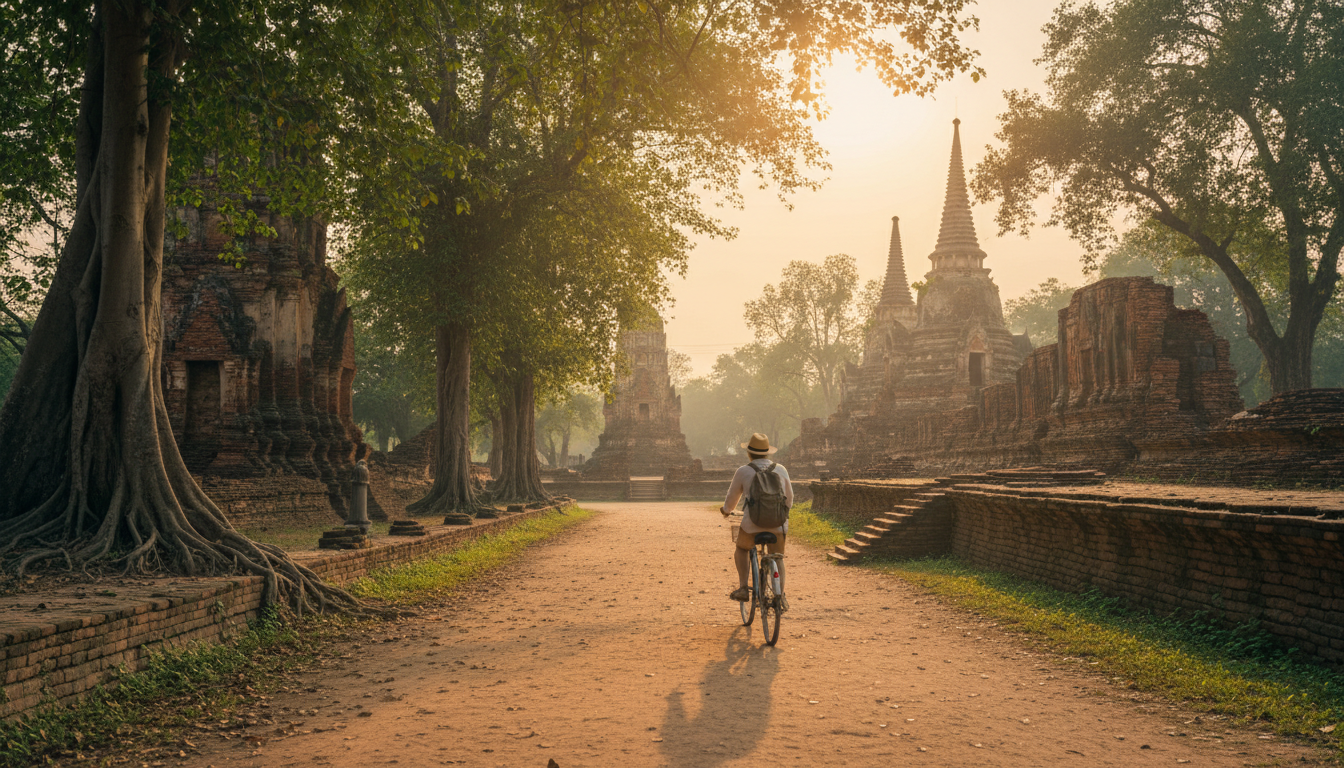
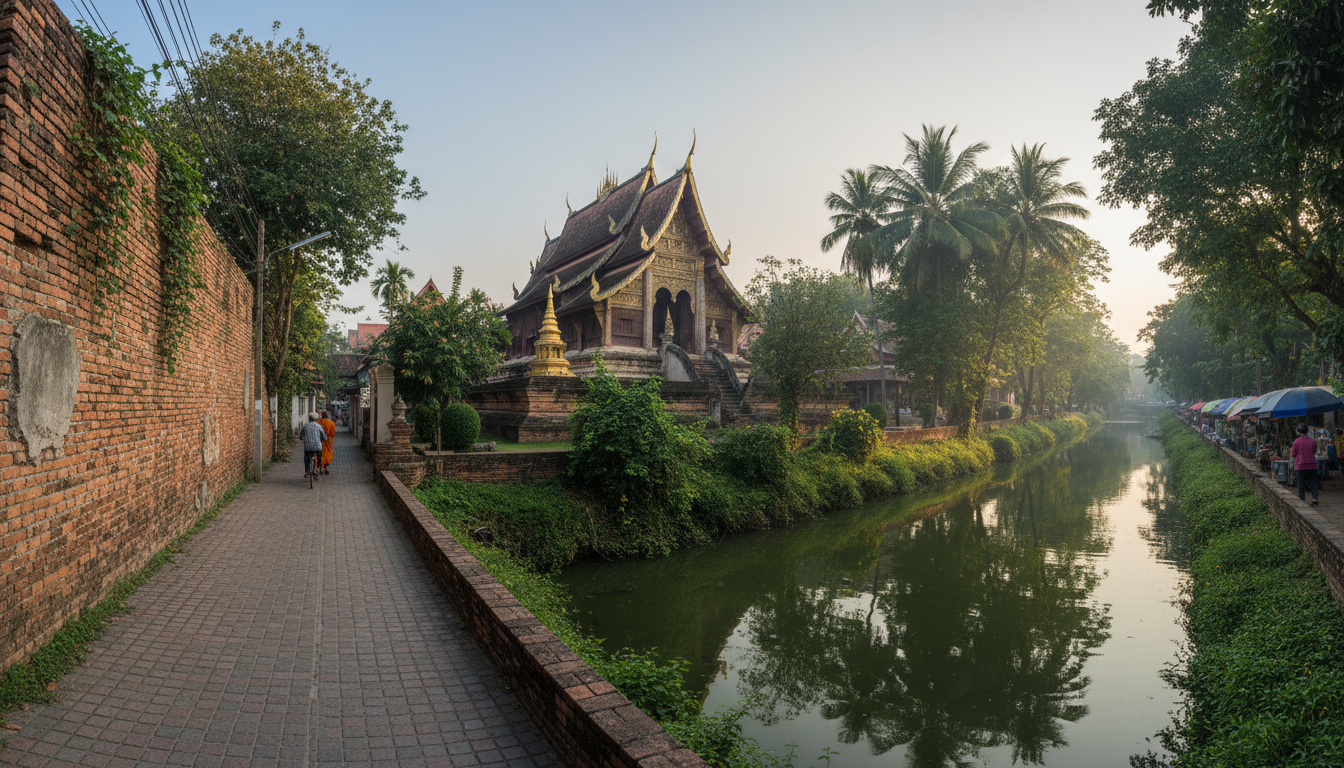
Rattanakosin and Banglamphu are the natural choice if you want to walk to the Grand Palace, Wat Pho and Wat Arun early in the morning, before the tour groups arrive. It’s a low-rise area with no skyscrapers, full of old shophouses and countless temples. Small boutique hotels in restored houses have been popping up, especially along the river around Tha Tien and Phra Arthit.
Khao San Road and Soi Rambuttri make up the historic backpacker district, partying until the wee hours. The guide’s advice: stay two or three streets away, in Phra Arthit or Samsen, to enjoy the atmosphere without the noise. Since the Sanam Chai and Sam Yot MRT stations opened, the old town is much better connected to the rest of the city.
On the riverfront, the Chao Phraya is lined with Bangkok’s finest hotels: the Mandarin Oriental, a legendary hotel founded in 1876, the Peninsula, the Shangri-La, the Capella, the Four Seasons, the Avani+ Riverside and the Millennium Hilton. The upside: spectacular views, private shuttle boats to Sathorn and the BTS, and peace and quiet. The downside: restaurants and nightlife are clustered around the hotels, and you often need a boat or a taxi to get out of the area.
Chinatown and Talat Noi will win over foodies and photographers: an authentic, lively neighborhood with outstanding street food. But it’s also noisy and chaotic, with few large hotels.
The central districts: Silom, Sathorn and Siam
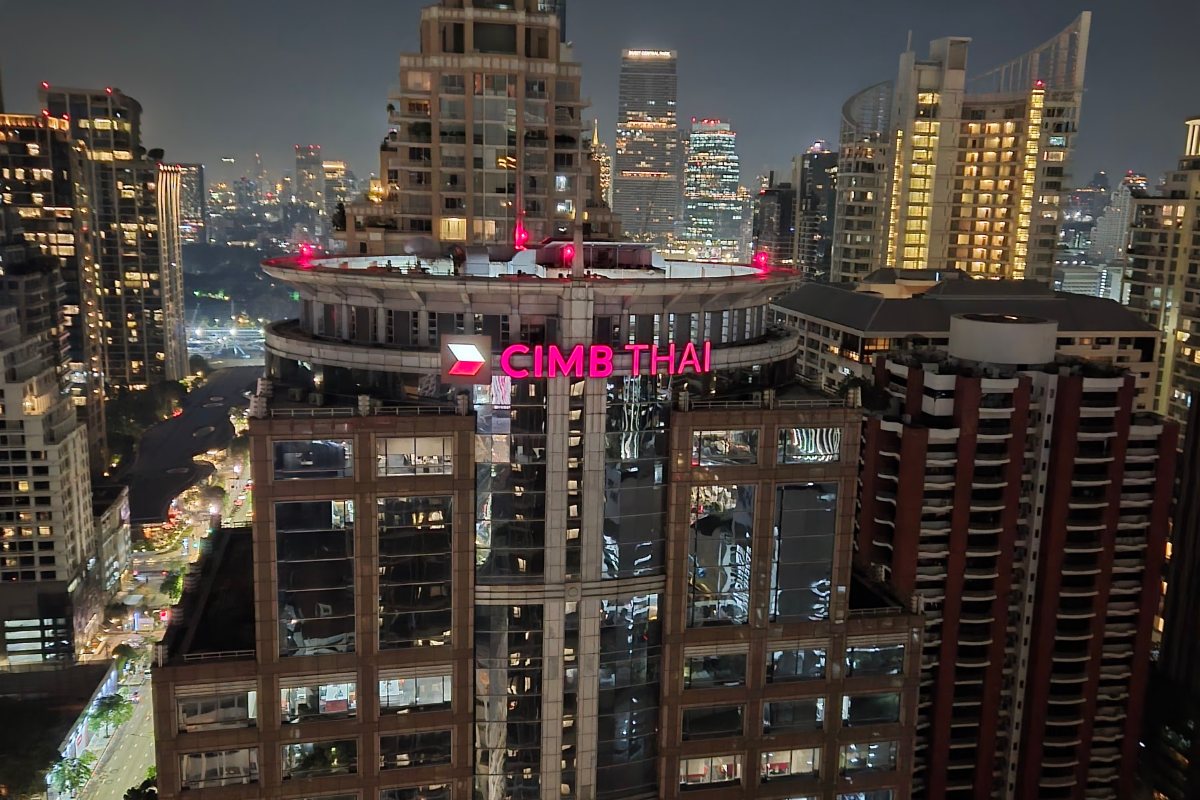
Silom and Sathorn, Bangkok’s “Wall Street,” also make an excellent base. The BTS (Sala Daeng, Chong Nonsi, Surasak, Saphan Taksin) and the MRT (Silom, Lumphini) crisscross the area. Lumpini Park gives you room to breathe, and the evenings are varied: rooftop bars, the Patpong night market, the LGBT+ scene on Silom Soi 2 and Soi 4. There are hotels for every budget. The one drawback: the big avenues aren’t much fun on foot.
Siam, Ratchaprasong and Pratunam, where the two BTS lines meet, form the most central part of the city. Everything is within reach: Siam Paragon, CentralWorld, the Jim Thompson House. Ideal for families and short stays, a little less so for atmosphere. Pratunam, just to the north, is the wholesale clothing district, busy and cheap.
Sukhumvit and Ari: live like a local
Long Sukhumvit Road, with the BTS running above it, is expat territory. Its character changes with the numbers of its sois, the side streets that branch off it.
- Nana to Asok (Soi 3 to 21): very lively, hotels in every category, restaurants from all over the world, and excellent transport links (BTS Asok / MRT Sukhumvit interchange). Heads-up: some streets, like Nana Plaza and Soi Cowboy, are red-light areas.
- Phrom Phong (Soi 24 to 39): the EmQuartier and Emporium malls, Benjasiri Park, the Japanese community, good restaurants.
- Thonglor and Ekkamai (Soi 55 to 63): the trendy hangout of well-off young Thais, with cafés and creative restaurants.
- Further out (On Nut, Bang Chak…): more residential and cheaper, handy for long stays.
The flip side: from Sukhumvit, the old town is 45 minutes to an hour away.
Ari, three stops north of Siam, is a leafy residential neighborhood much loved for its cafés, small restaurants and easygoing pace. Few hotels and few sights nearby, but a good choice for a second trip or for a taste of everyday Bangkok life.
Before you book: smart habits
- Map before photos: check the actual walking distance to the nearest station.
- The pool: in this climate, it’s a real luxury for the afternoon break, and you’ll even find them in mid-range hotels, often on the roof.
- Windows: some cheap rooms don’t have any. Check.
- Apartments: short-term rentals (under 30 days) in residential buildings are in principle illegal under Thai law. Stick to hotels, serviced apartments and licensed properties.
- Registration: your hotel reports your stay to immigration (the “TM30” form). It’s automatic.
- High season (December to February, Chinese New Year, Songkran): book early, prices can double.
Tip: for a first one-week trip, split your stay in two. Three nights in the old town or by the river for sightseeing, then three or four nights in Silom or Sukhumvit for shopping, restaurants and nightlife.

Want to go further?
Mr Schaka’s practical guide, Bangkok – The Practical Guide (“Bangkok – The Practical Guide,” in English), covers every Bangkok neighborhood in detail, with sights, places to eat and advice on where to stay for your budget. The English edition is out now as a PDF ebook: buy it here →