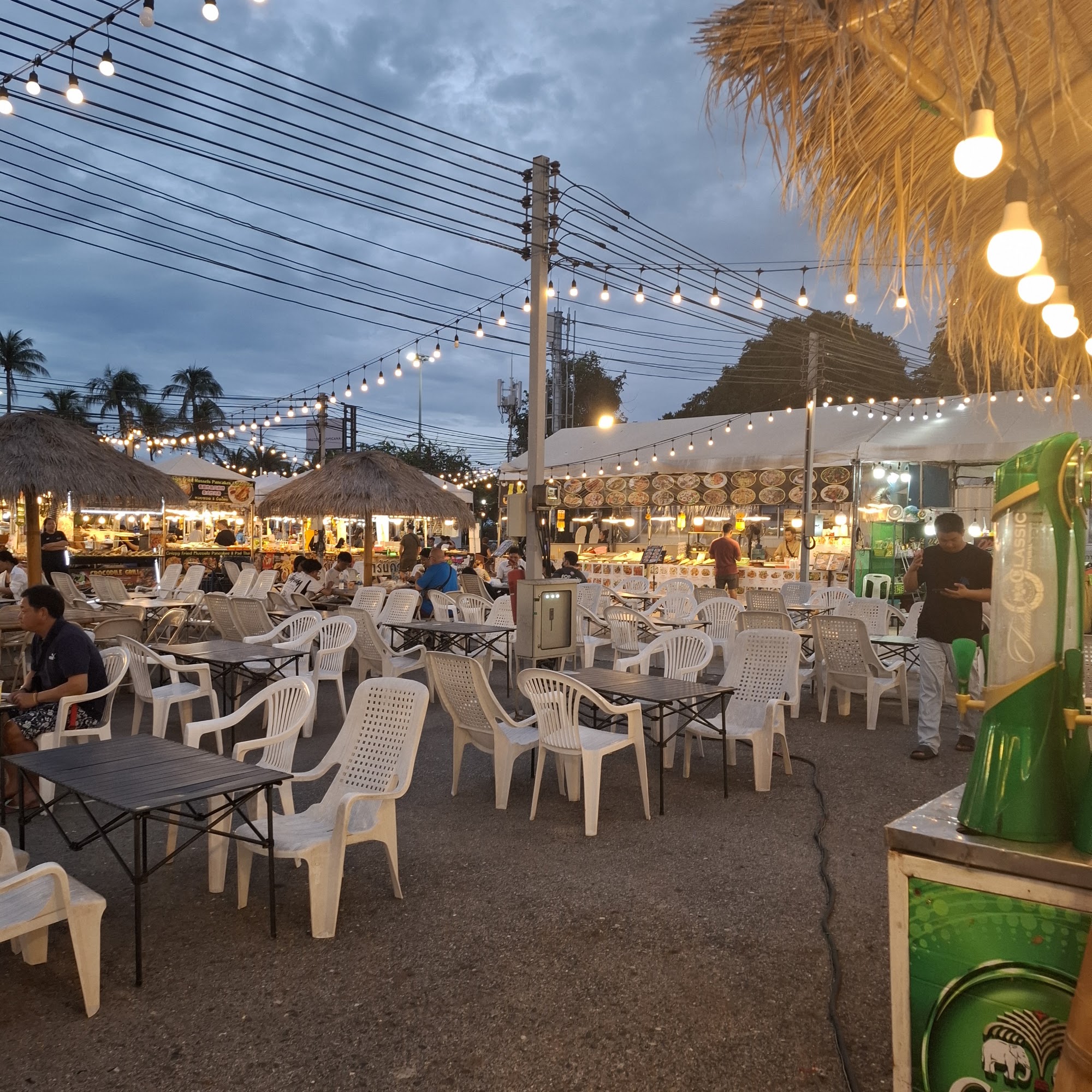
In Bangkok, between Chinatown and the river, Talat Noi — ‘the small market’ — fits into a handful of lanes where engines are still repaired a few steps from murals several storeys high. It is one of the oldest quarters in the city.
Two centuries of Sino-Thai trade
Chinese merchants from the Teochew community settled here more than two hundred years ago, close to the Chao Phraya, then the main artery of trade. Wooden houses, family shrines, shophouses: the past is still legible on the facades, and trades pass from one generation to the next.
What you see there
Around Soi Wanit 2, scrap workshops pile up engines and metal parts. This is not a stage set: the quarter works from dawn, and mechanical students still come here to learn.
Since the Buk Ruk festival in 2016, the walls of Charoenkrung Soi 32 have filled with paintings, making Talat Noi one of Bangkok’s street art landmarks. Further on, the So Heng Tai mansion, a Hokkien house more than two centuries old, opens its inner courtyard around a café. Holy Rosary Church, neo-gothic, recalls that the city was built from many influences.
Getting there
By metro, Hua Lamphong station on the blue line, then about ten minutes on foot southwards. By boat, the Marine Department stop on the Chao Phraya Express is the most pleasant way in, arriving through the murals and the river.
The best time is early morning on a weekday, when the workshops open and the lanes are still cool.
FAQ
How long should I allow?
Two to three hours for the main lanes, a whole morning if you stop in the cafés and courtyards.
Is it suitable for children?
Yes, provided you accept walking without a fixed route: no golden temple and no staged attraction, but workshops, painted walls and cats.
Sources and further reading
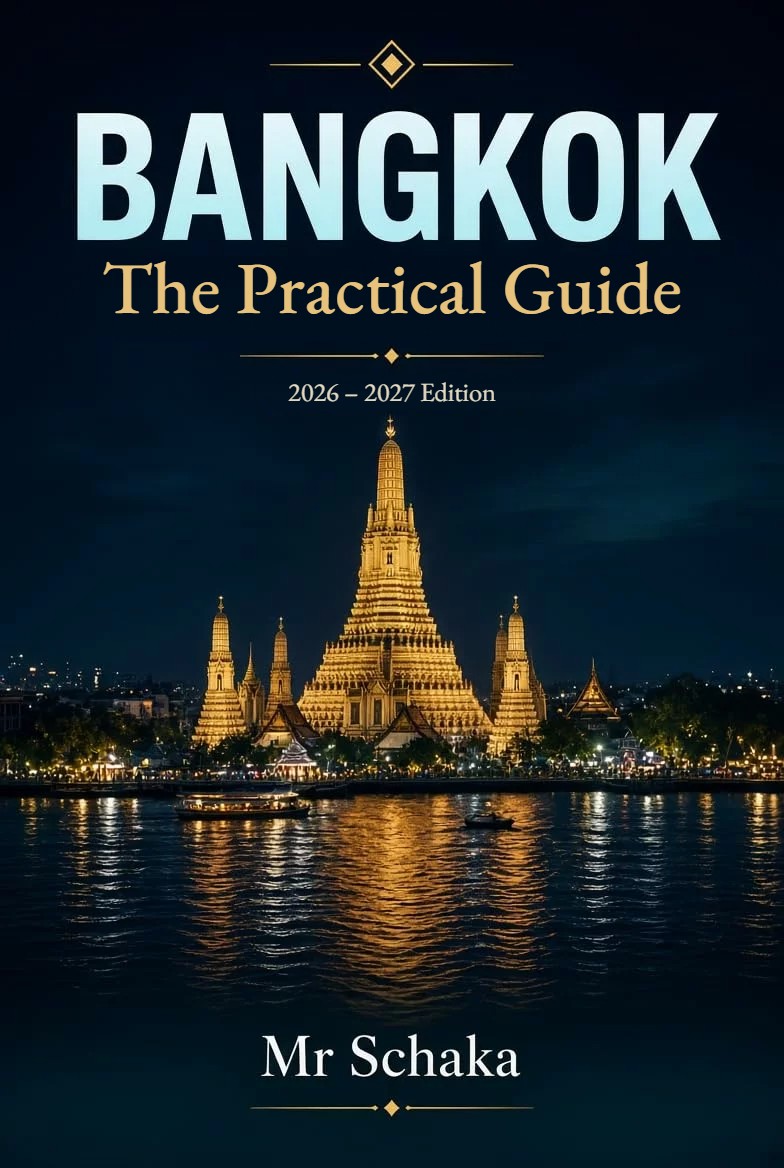
To go further
Mr Schaka’s guidebook, Bangkok – The Practical Guide, covers the essentials: transport, neighbourhoods, addresses, food, etiquette and safety, updated for 2026–2027.