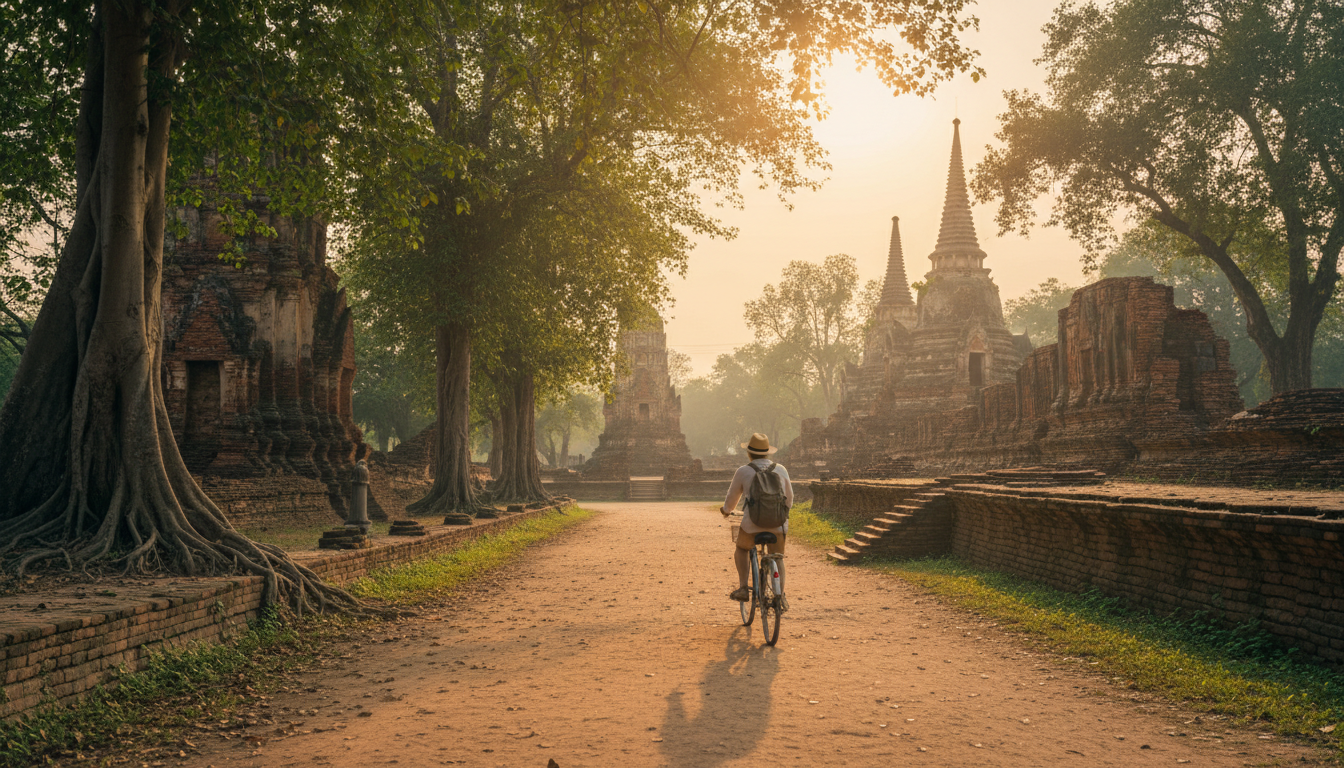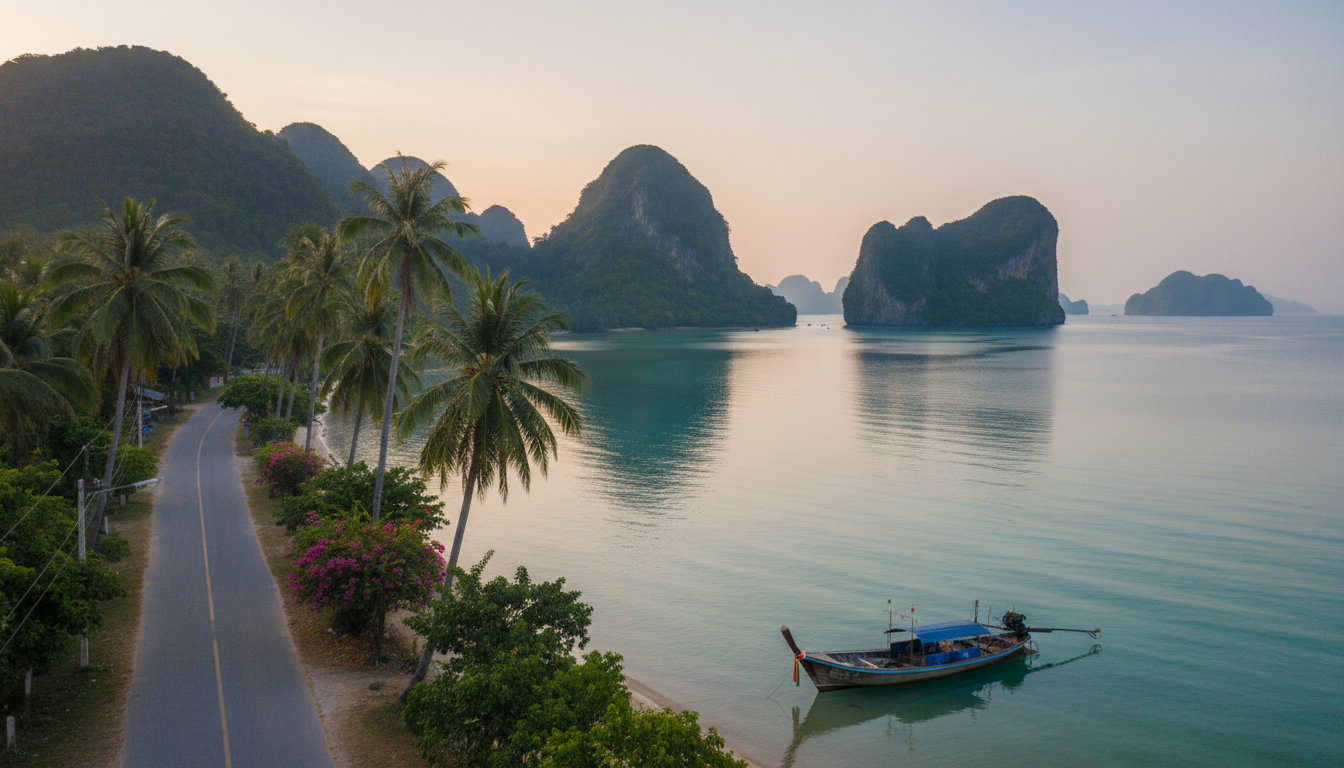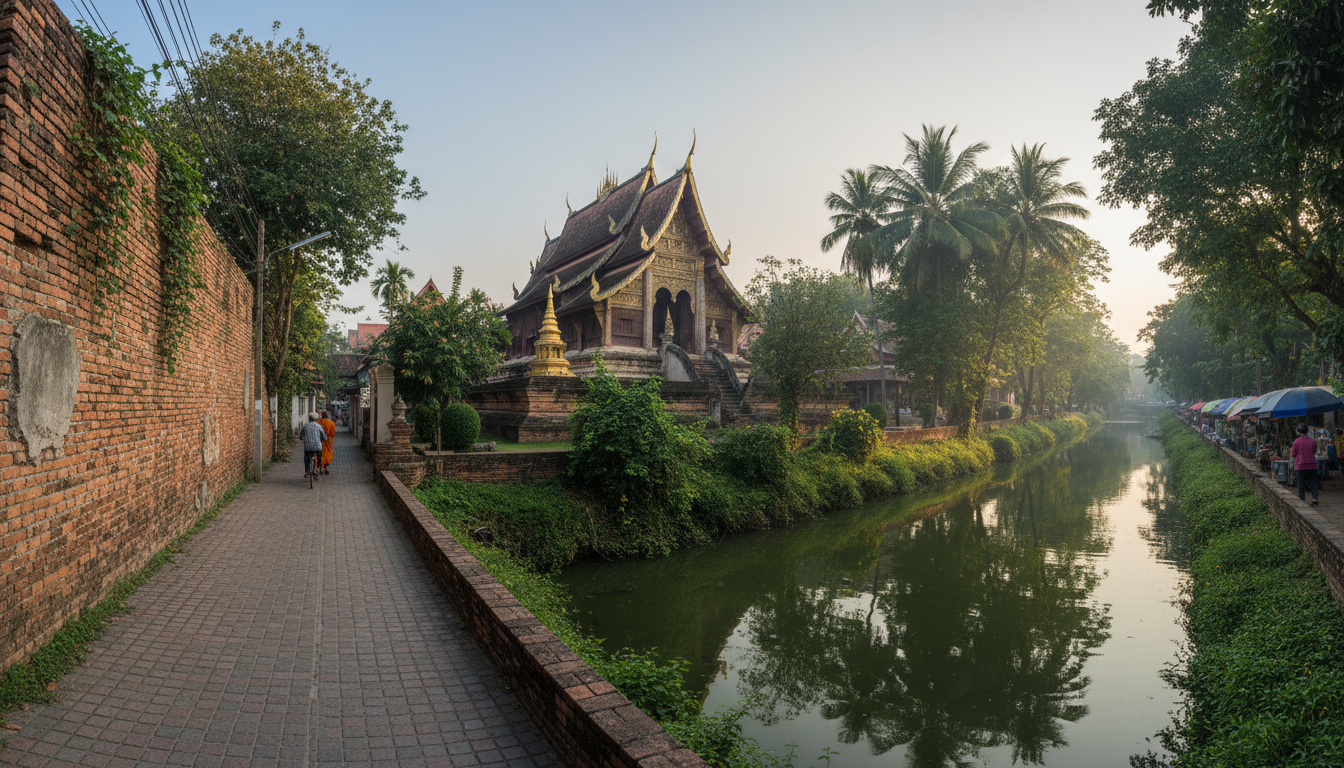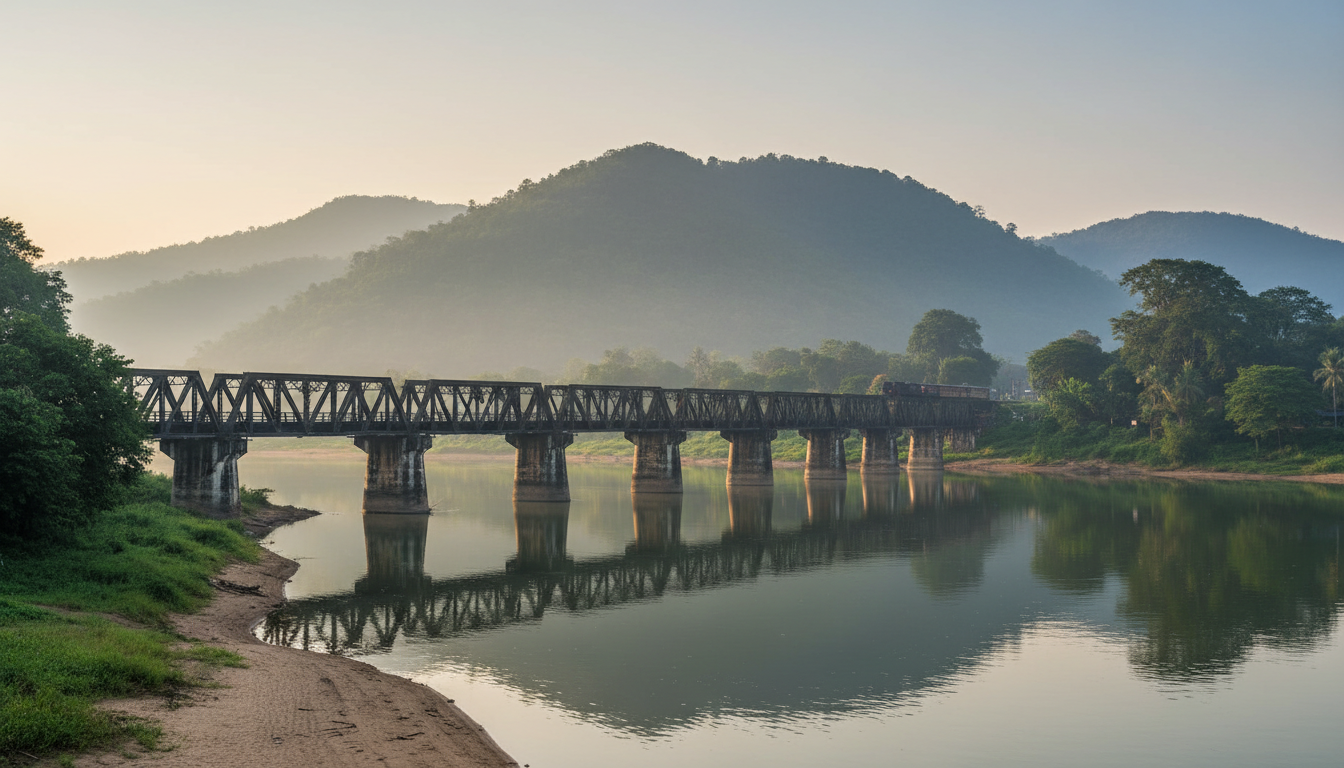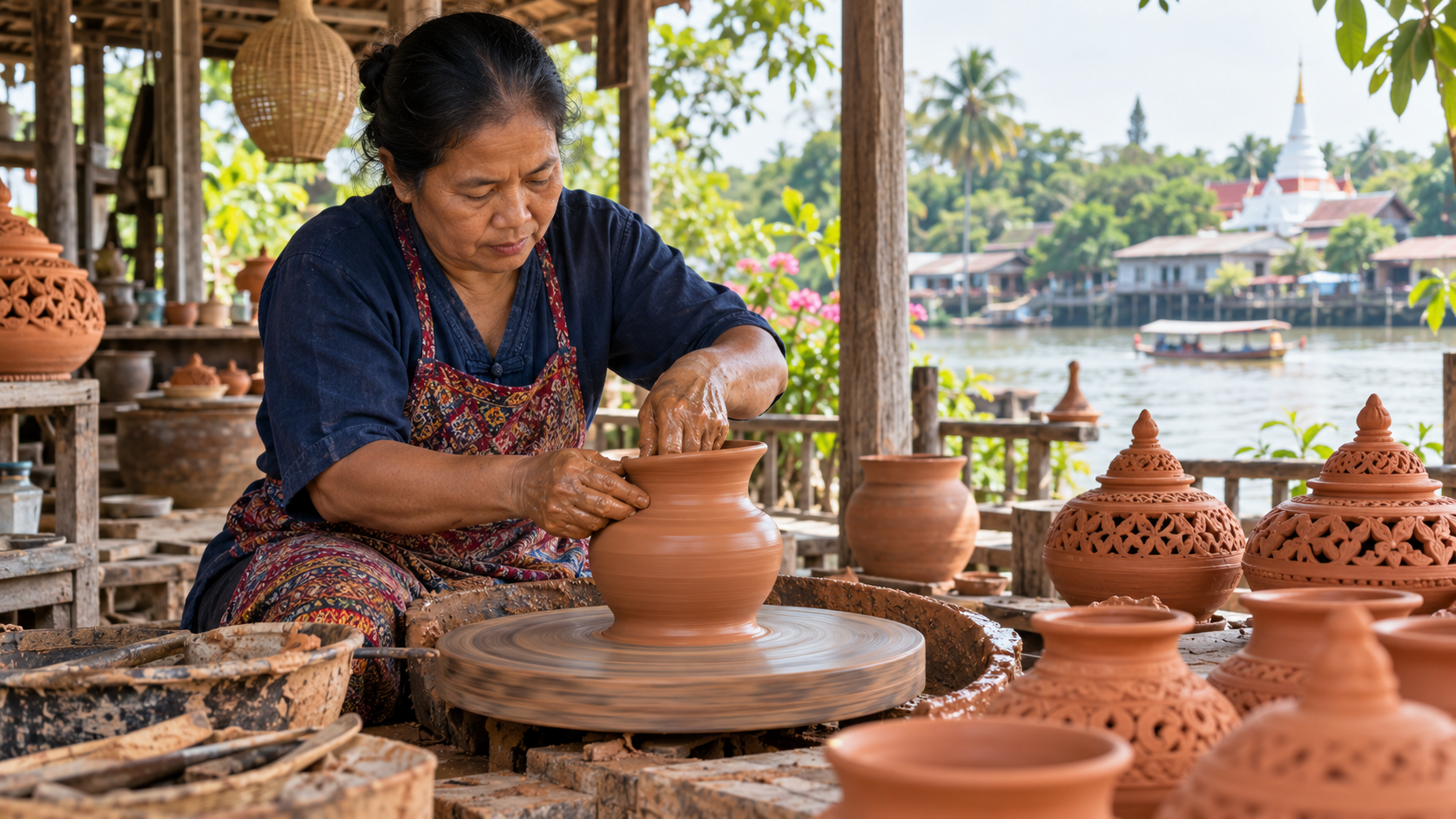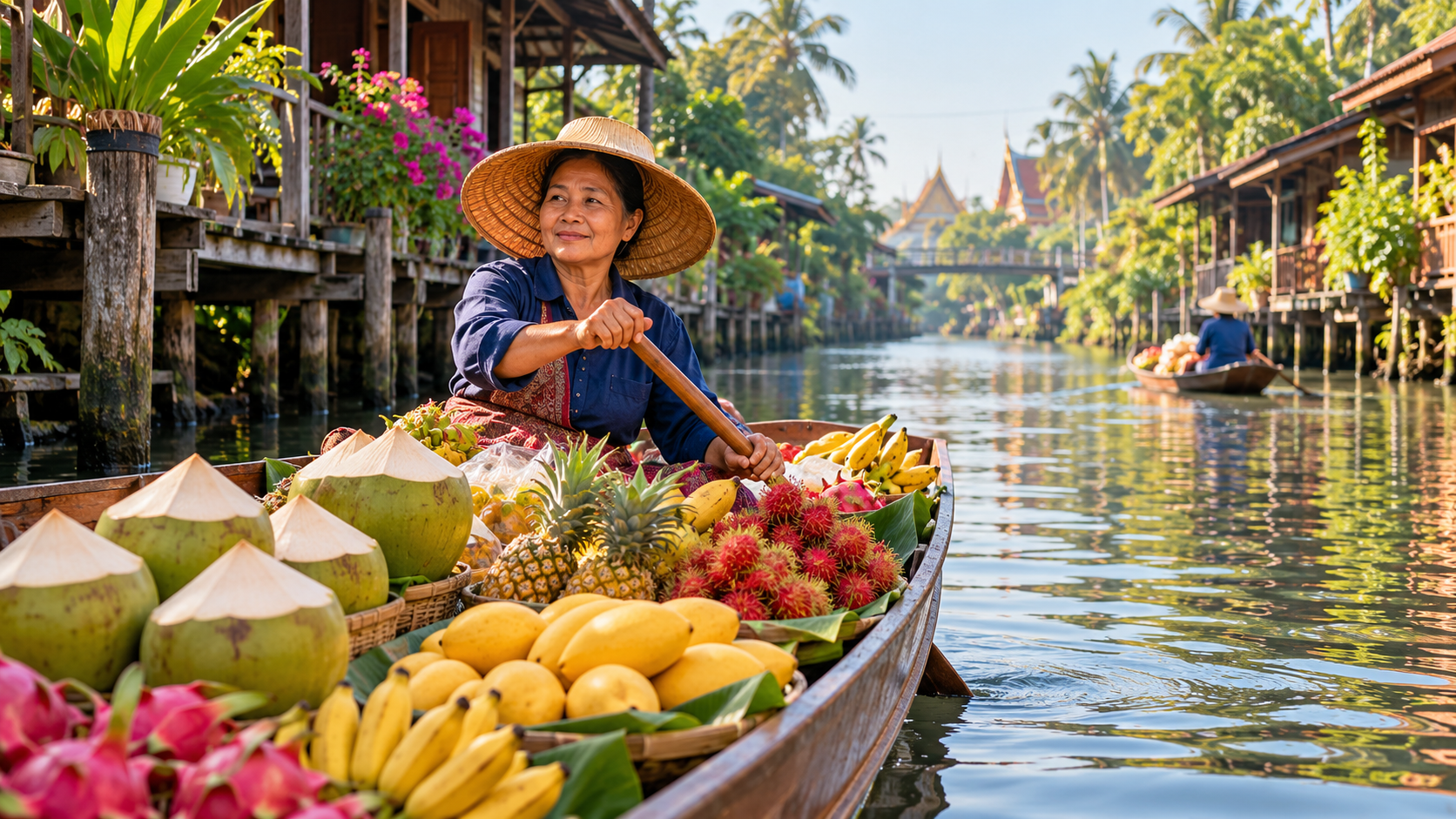
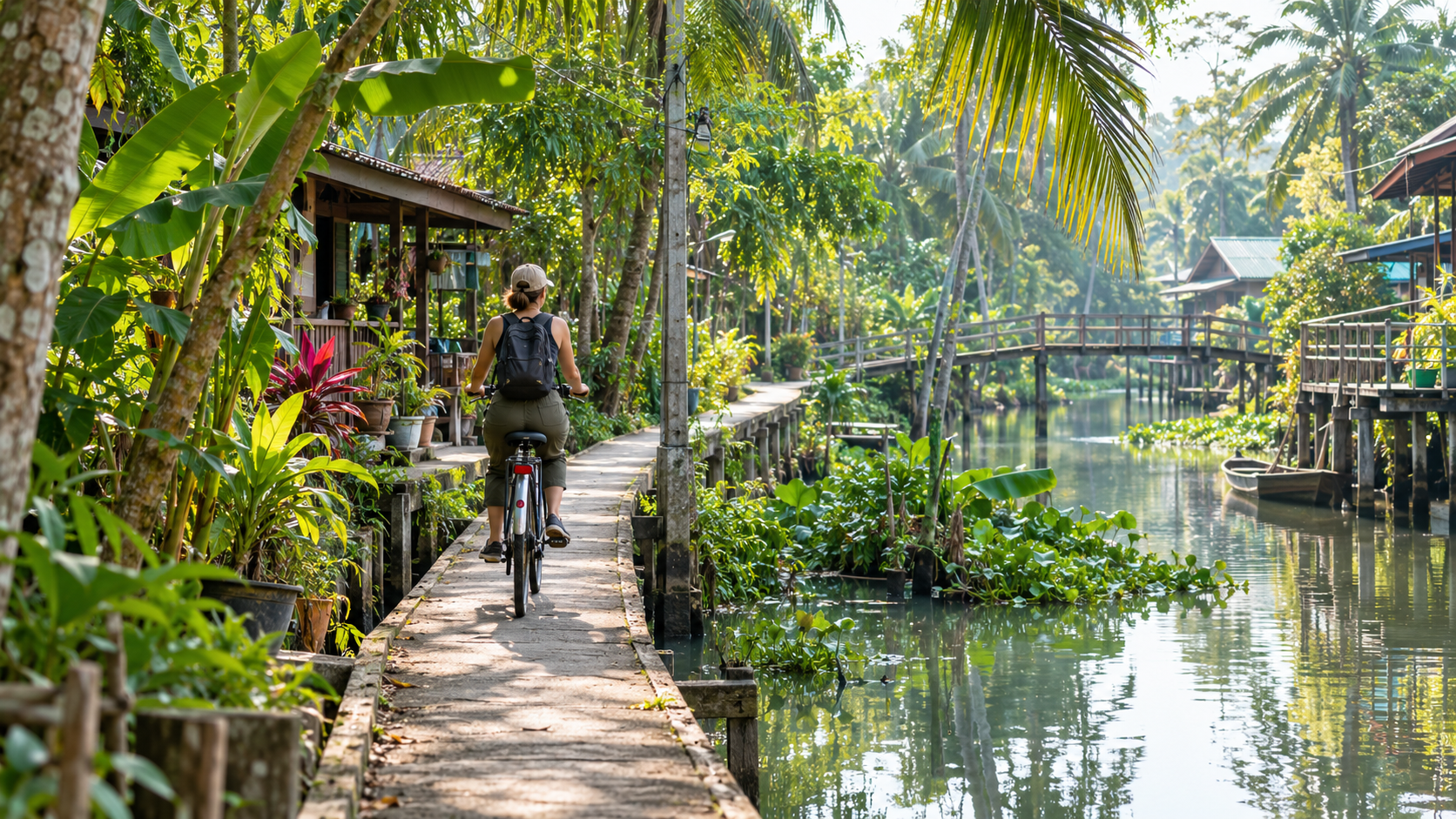
Bang Krachao feels far removed from Bangkok’s avenues and towers. South of the Chao Phraya, this green peninsula still has gardens, plantations and neighbourhoods linked by narrow lanes. A bicycle connects several stops without turning the day into a race. Slow down beside a canal or stilt house: this is a lived-in community, not a theme park.
Crossing the river
Many visitors reach a pier on the Khlong Toei side and cross by local boat. Piers and schedules can vary, so confirm service locally on the day. Rentals are available near several piers. Test brakes, tyres, bell and seat height; confirm where to return the bicycle and ask for a suitable loop. Carry small cash and download an offline map.
A relaxed first route
Begin at Sri Nakhon Khuean Khan Park and Botanical Garden. Walk its shaded paths, look at the ponds and rest before cycling on. Follow local lanes towards the waterways and gardens, then stop at a café or market if open. Distances appear short, but narrow paths, heat and breaks take time. Leave room for the return crossing.
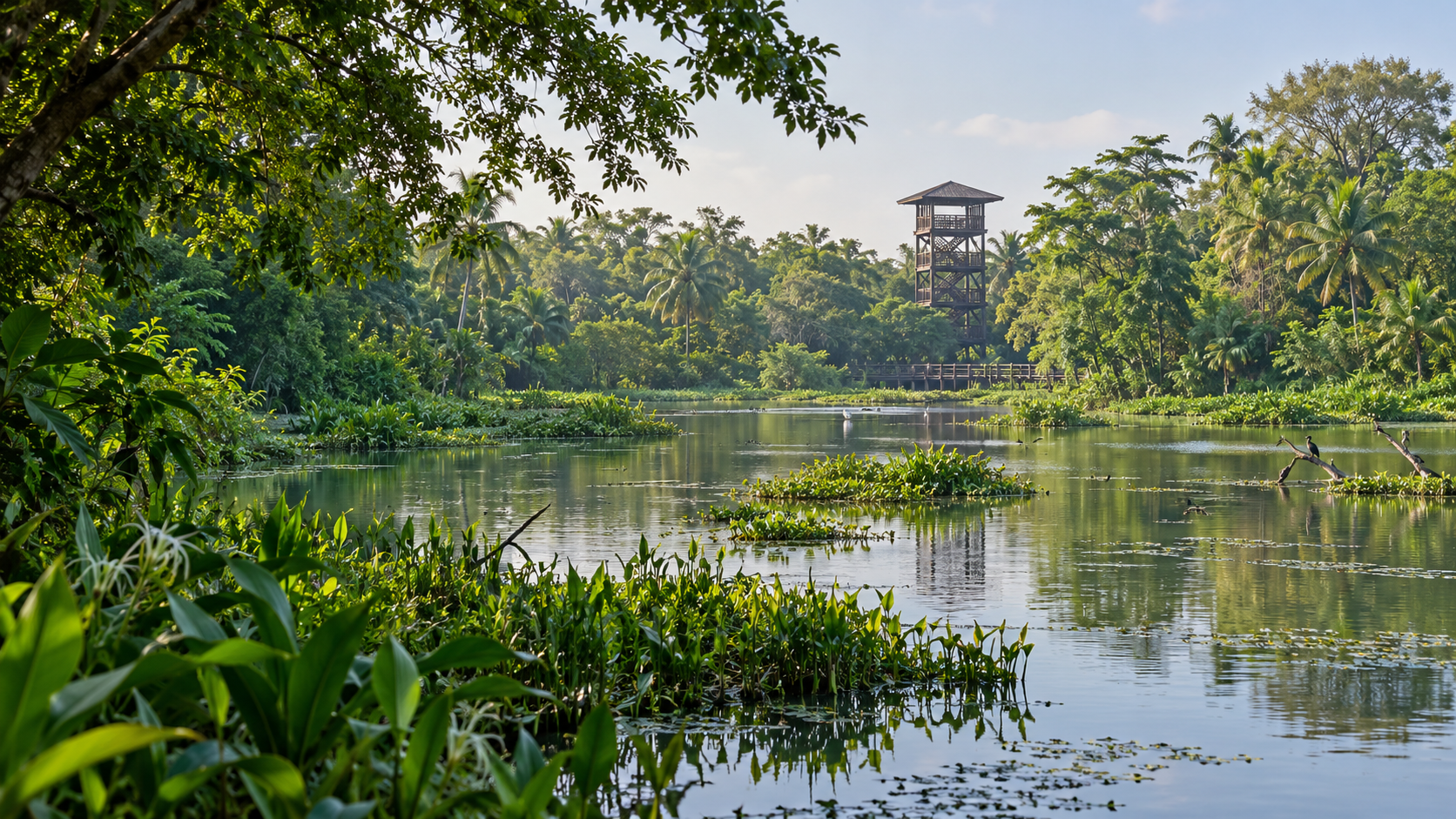
Care for nature and neighbours
Wildlife is free to move and may stay hidden. Do not feed animals or pick plants; remain on marked paths. In residential areas, slow near homes, bridges and blind corners. Lanes are shared with pedestrians, scooters and residents. Signal turns, walk the bicycle where the path narrows, and ask before photographing people or private property.
Eat and pause locally
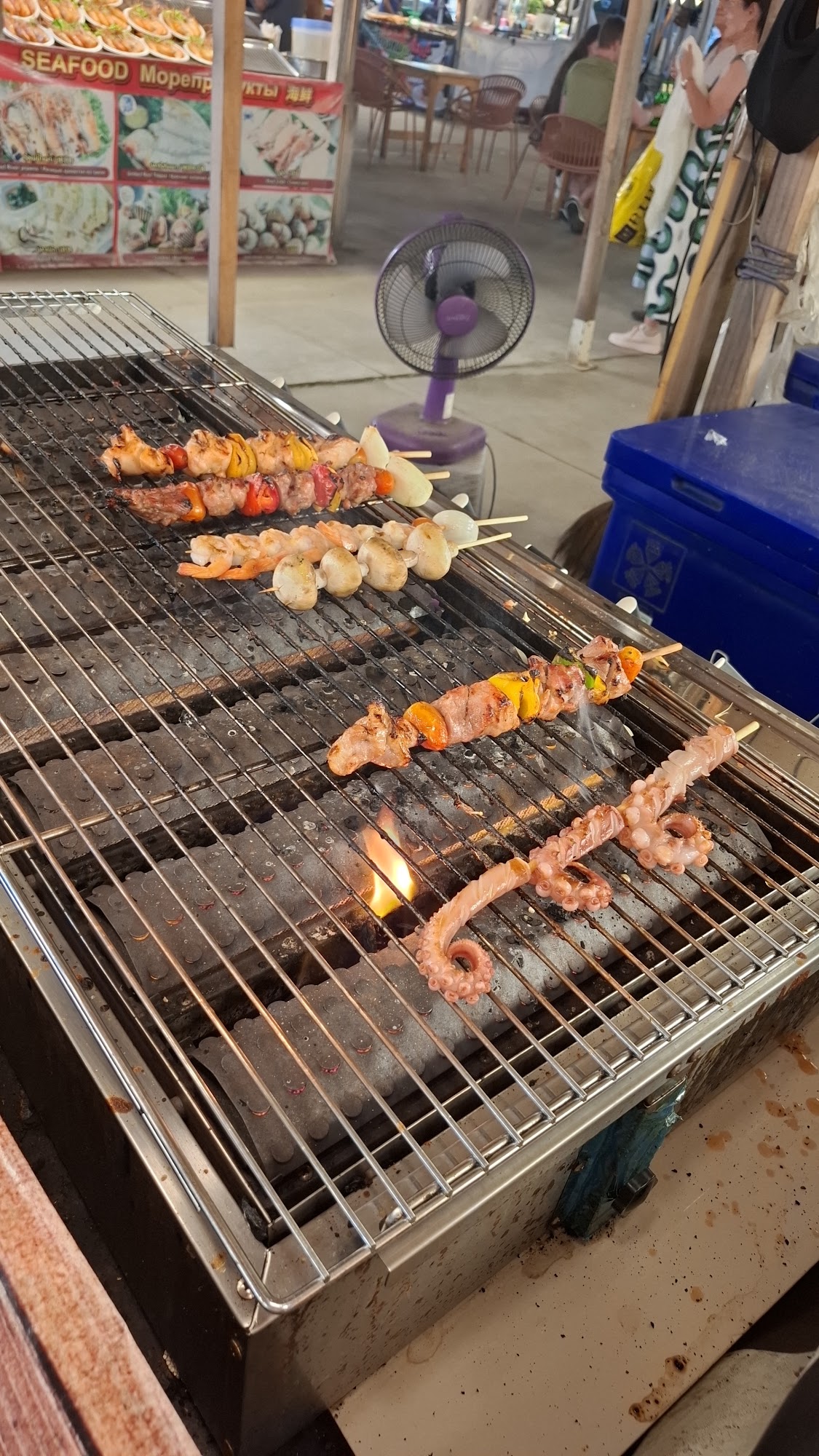
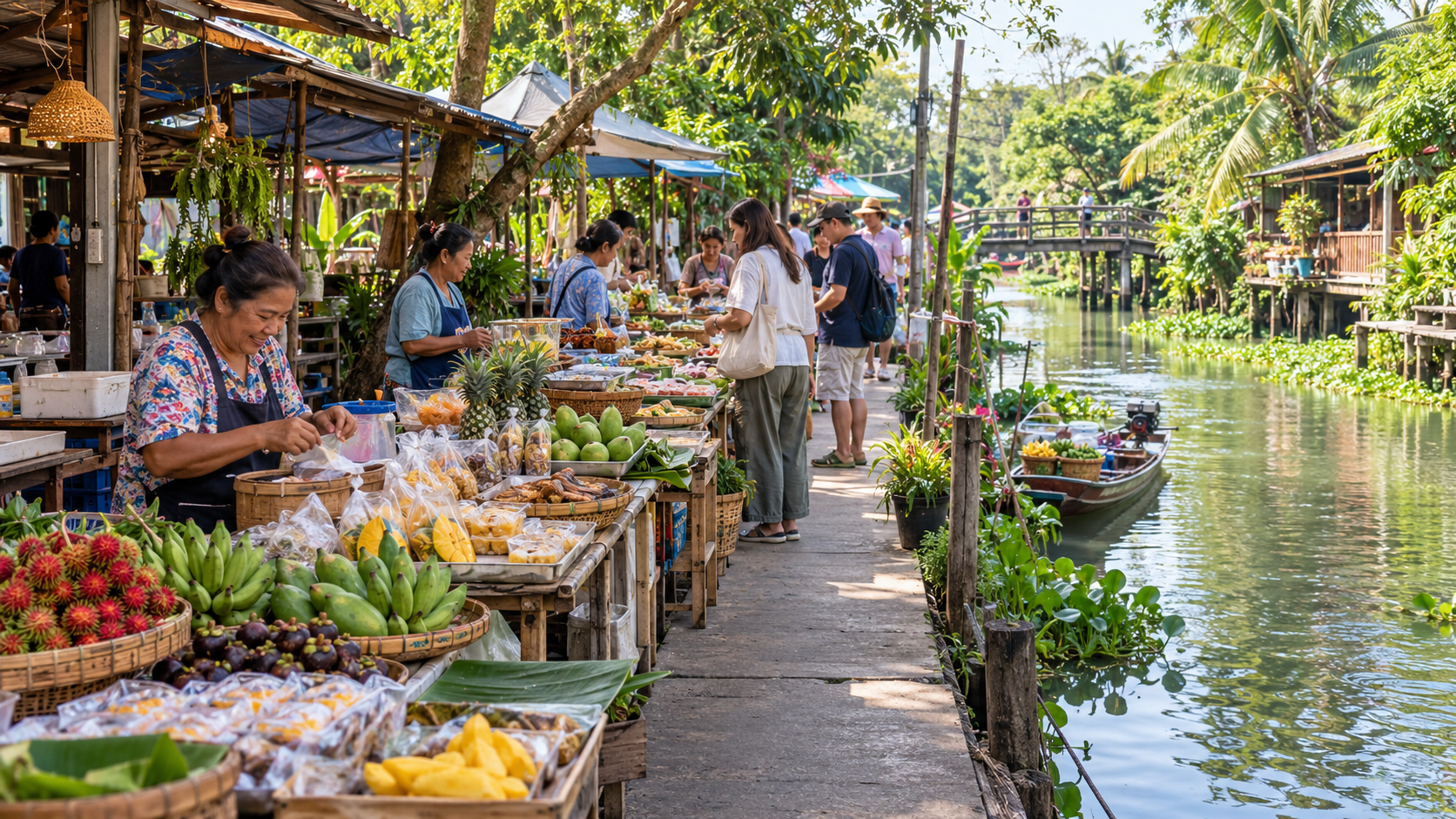
Small eateries and markets let you try local food and support neighbourhood businesses. Opening days vary, so confirm locally and keep another option in mind. Ask about spice, take time to sit and dispose of rubbish properly. A shaded pause makes the ride more comfortable and lets you observe daily life without intruding.
Timing and packing
An early start avoids the hottest hours. Rain can make paths slippery, so check the forecast. Bring water, sunscreen, insect repellent, closed shoes, a light rain layer and a charged phone. A helmet is strongly recommended. Drink regularly and stop if you feel dizzy or unwell.
Read the landscape before you ride
Bang Krachao does not appear as one uninterrupted forest. A neighbourhood lane may lead to a patch of greenery, then a canal, a garden and another lived-in area. That changing pattern is part of the attraction. Trees shade some paths; open stretches reveal waterways and houses. Gardens and plantations point to a daily relationship with land, water and the seasons. Notice these transitions instead of looking only for one dramatic viewpoint. They help explain why the peninsula is called Bangkok’s green lung while reminding visitors that it remains connected to the city and its residents.
The river shapes the experience. Crossing it can feel like leaving the noise of major roads, but it does not separate the city from untouched wilderness. Boats carry residents, visitors and sometimes goods. Sounds change after landing: distant engines, birds, conversations and small scooters. Take a few minutes to orient yourself before riding. Identify toilets, water, open shops and the return pier. A photograph of the rental map can help you find your way later.
Plan your departure from Bangkok
Your route to the pier depends on where you start. A taxi or ride service may be convenient, but traffic can vary considerably by time of day. Rail may bring you closer without taking you all the way to the pier, so check the final leg and do not assume neighbouring piers use the same crossing. Watch how bicycles are loaded onto the boat and follow staff instructions. If you bring your own bicycle, ask ahead whether it is accepted and under what conditions; boat rules can vary with the vessel and crowding.
Before leaving, give the rental bike a simple check. Squeeze the brakes while stationary, make sure the chain moves properly, test the bell and set the seat so you can put a foot down. Ask what to do in case of a puncture and how to contact the shop. A low rental price is useful only if the bicycle is safe and fits you. If you have not ridden recently, choose a comfortable bike, a lower seat and a short loop instead of a fast model. Avoid an unstable basket or a bag that could catch in the spokes.
Build a day without a rigid timetable
A pleasant day can begin with the crossing and a short ride around the lanes near the pier. Continue to the botanical park while you still have energy for walking. Afterwards, find shade, water and lunch, then decide whether you want to explore another part of the peninsula. This leaves room if the garden is more interesting than expected or the heat calls for a longer rest. Travelling with someone who prefers walking? You can leave the bike at a rental point, take a short walk and then continue. The purpose is a rewarding visit, not a target distance.
For photography, morning light is often softer and paths quieter. But the best time for a picture is not automatically the right time to photograph another person. Do not point a camera into a resident’s garden or home without asking. Narrow bridges can become unsafe if you stop in the middle to take a photo; move to a place where you are not blocking anyone. Cloudy weather can bring out greens and soften harsh shadows. If a shower starts, protect your phone and camera instead of riding one-handed with a device exposed.
Match the route to your ability
The terrain is generally flat, but that does not mean every path suits every rider. Lanes can be narrow, turns sharp and surfaces uneven. A beginner should choose a short loop, avoid the busiest times and ride at a speed that allows an immediate stop. Families can focus on areas near the park and avoid passages where two bicycles barely fit. Adults should position themselves according to visibility and agree on a stopping point in case the group becomes separated. Visitors with limited mobility may prefer the park areas nearest the main entrances; confirm access conditions on arrival.
Breaks are not a failure. Humid heat can affect you quickly, especially after a city journey and a sunny crossing. Drink before you feel very thirsty, find shade and avoid strenuous riding immediately after a heavy meal. If someone develops a headache, nausea or weakness, stop somewhere safe and cool down. If symptoms are worrying, ask a nearby business or resident for help and contact local services. Do not try to finish the loop at all costs. A successful outing is one where everyone returns comfortably.
Finding your way on small lanes
Paths may look alike, and a digital map cannot always tell you whether a lane is public, rideable or pleasant. Use the rental map as a starting point, watch signs and ask for directions when needed. If unsure, return to a known junction rather than taking a lane that seems to cross private property. Do not enter a yard, plantation or closed path just because an app suggests a shortcut. Barriers and signs should be respected. Using shared space thoughtfully is part of visiting.
Before leaving a familiar area, note a visible landmark such as a temple, bridge, large junction or shop. Keep the name or address of your starting pier accessible. If your phone battery is low, ask for a return route before riding farther and shorten your trip. Groups can agree on a meeting point. Navigation apps are useful, but they cannot judge path width, traffic or permission to enter a space.
Choose food and purchases thoughtfully
Food can become as memorable as the landscape. Small stalls sell dishes and snacks that vary by day. If you do not recognise something, ask its name or ingredients; a simple exchange may introduce you to a speciality you would not have chosen at random. Vegetarians and people with allergies should explain their needs clearly and remain careful about sauces and shared preparation surfaces. Bring tissues and a reusable bottle, then buy a drink or snack locally instead of accumulating disposable packaging.
Keep purchases modest enough to carry comfortably. If buying local produce, ask where it comes from and how to store it. Do not collect plants, seeds or natural objects. Something that looks abandoned may be part of a garden or habitat. Supporting existing businesses is more useful than taking a souvenir from the environment. A thoughtful visit may be no more than a shared meal and a polite conversation.
Understand the weather
Tropical weather can change quickly. A clear morning may turn cloudy, and a shower can make lanes slippery within minutes. Check the forecast but allow for uncertainty. A light rain poncho works better than an umbrella on a bicycle, where it may affect balance and sightlines. In heavy rain, wait under a safe shelter until visibility improves. Do not speed over a wet bridge. After a shower, test the brakes again before continuing.
The wet season makes plants lush and colours vivid, but paths may become muddy or temporarily difficult. The drier season does not remove the heat: water, a hat and breaks still matter. Visitors who struggle with heat can take a short early ride and return before midday. A slow pace and basic preparation are better than an ambitious route chosen only because it looks feasible on a map.
More practical answers
Should I bring my own helmet?
If you have one, use it. Otherwise ask whether the rental shop has a helmet in good condition. Do not skip protection just because the ride is short.
Can I use an electric bicycle?
Rental choices and rules change. Check with the shop and keep your speed moderate; shared lanes are not suited to fast riding.
What if I get lost?
Stop somewhere safe, check your map and ask a shop or resident for directions. Do not follow a shortcut through private property.
Can I visit in the rain?
A light shower may be manageable with suitable clothing, but stop cycling if rain reduces visibility or makes bridges slippery.
Should I carry cash?
Yes. It is prudent for boats, rentals and small businesses; payment options vary.
What makes the best souvenir?
Often it is the pace of the day: the crossing, a simple meal and an unhurried walk. A local purchase can add to the memory, but it is not essential.
Allow room for the unexpected
A useful itinerary is a framework, not a promise that every stop will be open or reachable. A lane may be temporarily blocked, a shop may close, or rain may change your plans. Keep one optional stop and one simple way back to the pier. Save your starting point offline and agree on a meeting place if travelling with others. These small preparations reduce stress without making the day feel over-planned.
Before returning the bicycle, check that you have your phone, wallet, water bottle and any items bought along the way. Return the bike to the agreed location and tell the rental staff about any mechanical issue, even if it seemed minor. The next rider may depend on that information. If you have time before the boat, use it to rest in shade rather than squeezing in one last detour.
FAQ
How long should I allow?
Half a day covers the park and a short loop; a full day allows time for food and breaks.
Can I visit without a bicycle?
Yes, though a bicycle makes it easier to connect neighbourhoods.
Can children join?
Yes, with a suitable distance, adult supervision and helmets.
Should I reserve?
Groups should check bicycle availability ahead.
Is the market open daily?
No, confirm opening days locally.
Will I see monitor lizards?
You might, but sightings are not guaranteed. Keep your distance and never feed them.
A day at your own pace
Cross early, choose a realistic loop and leave time to walk, eat and observe. Check boat and rental arrangements, then adapt to the weather. Would you focus on the garden, quiet lanes or a market stop? Share how you would explore this green escape near Bangkok.
Official sources for planning
- Sri Nakhon Khuean Khan Park and Botanical Garden — Tourism Authority of Thailand
- Sustainable community tourism routes — Thailand.go.th

To go further
Mr Schaka’s guidebook, Bangkok – The Practical Guide, covers the essentials: transport, neighbourhoods, addresses, food, etiquette and safety, updated for 2026–2027.