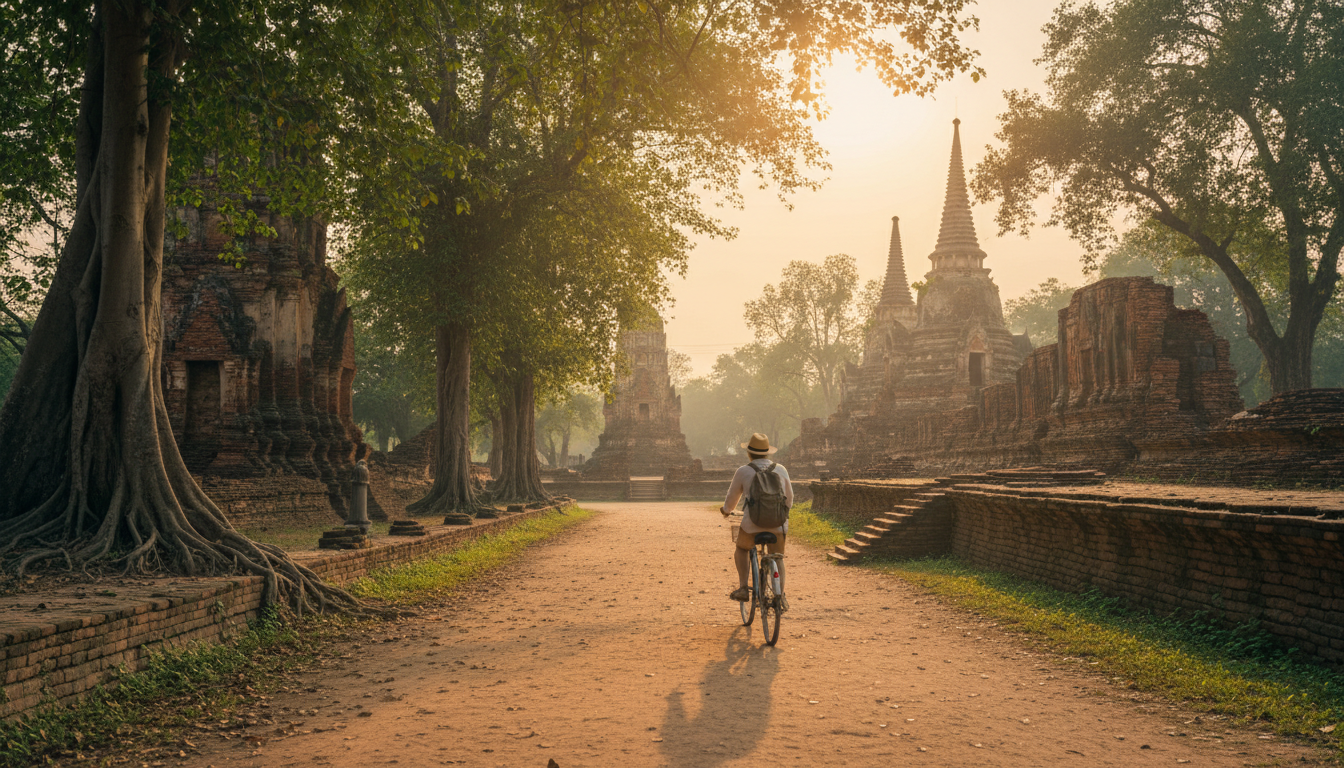
Kanchanaburi draws visitors for its rivers, scenery and famous bridge. Yet a visit focused only on a photograph misses the place’s deeper meaning. The railway built during the Second World War is tied to forced labour, captivity, illness and the deaths of thousands. A thoughtful visit begins with context: take time to read, listen and distinguish documented history from images popularised by cinema.
The bridge and the river
The Bridge over the River Kwai stands in Kanchanaburi town beside the Mae Klong, known locally as the Khwae Yai in this stretch. Damaged during the war and repaired after 1945, it became a historical landmark. The real site is not identical to the film’s story. Walk only on designated passages and remember that the railway is active. Do not stop on the tracks for photographs; wait for an authorised area, watch children closely and leave room for others. If the bridge is crowded, take a riverside walk or pause at a nearby café.
Understanding the railway
The Burma–Siam Railway was built under Japanese occupation to connect Thailand with Burma, now Myanmar. The project crossed difficult terrain and was carried out in brutal conditions. Allied prisoners of war and Asian labourers, conscripted or recruited under coercion, suffered hunger, illness, exhaustion and violence. Figures vary by group and source, so be cautious of simplified totals without context. “Death Railway” reflects the project’s terrible mortality, but cannot summarise survivors’ experiences or those of local communities.
Combine the remains with a museum or exhibition. Documents, signs and testimony explain the timeline, military decisions and workers’ daily lives. Read captions, notice sources and take time to understand the people mentioned. Some exhibits are difficult; it is fine to pause or choose a shorter route. A good guide distinguishes established facts from legends, welcomes questions and treats victims with dignity.
Memorial sites
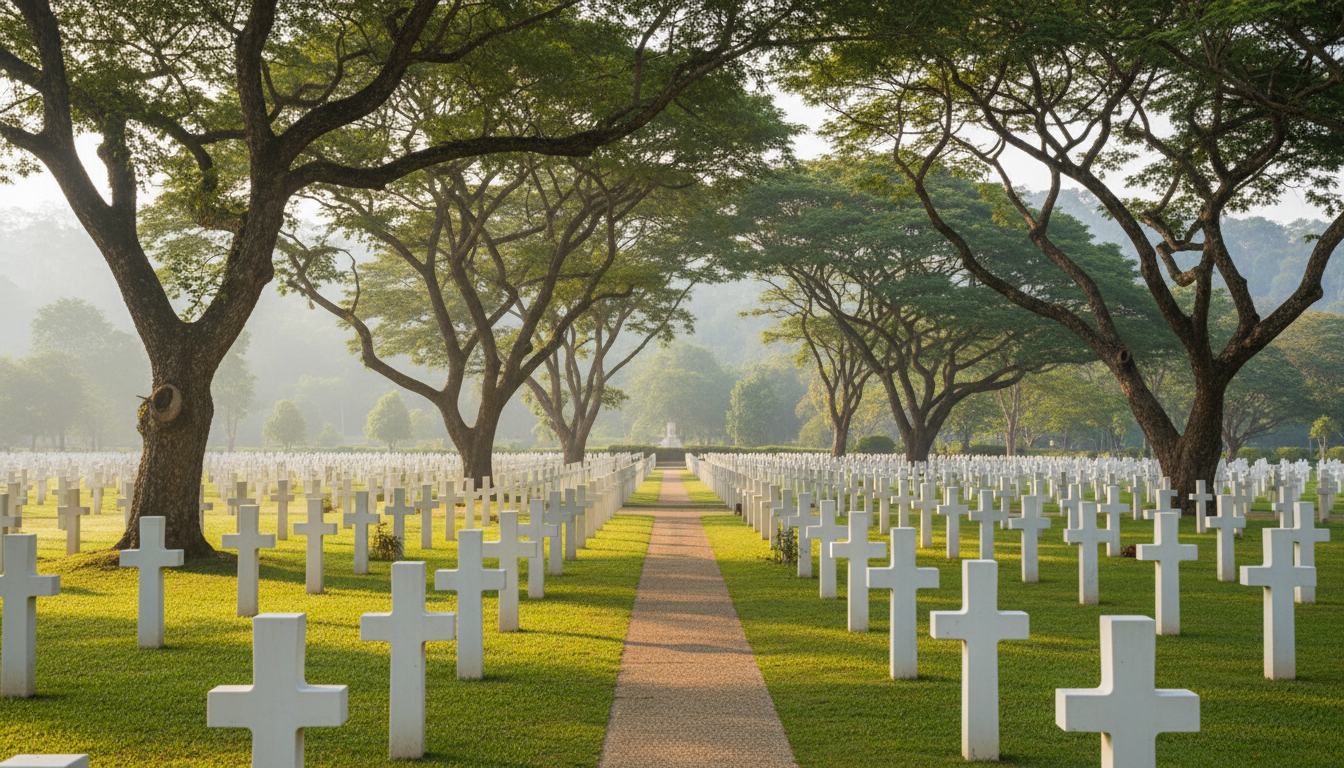
Kanchanaburi War Cemetery, also called Don Rak, commemorates prisoners of war who died during construction. Speak quietly, do not walk on graves or touch objects, and avoid poses that turn graves into scenery. For photographs, choose a broad view and do not photograph mourners without consent. The carved names represent people and families. Check opening hours before setting out; museums and memorials can change their schedules. A guided visit may support preservation and explain the context.
Taking the train and planning a day
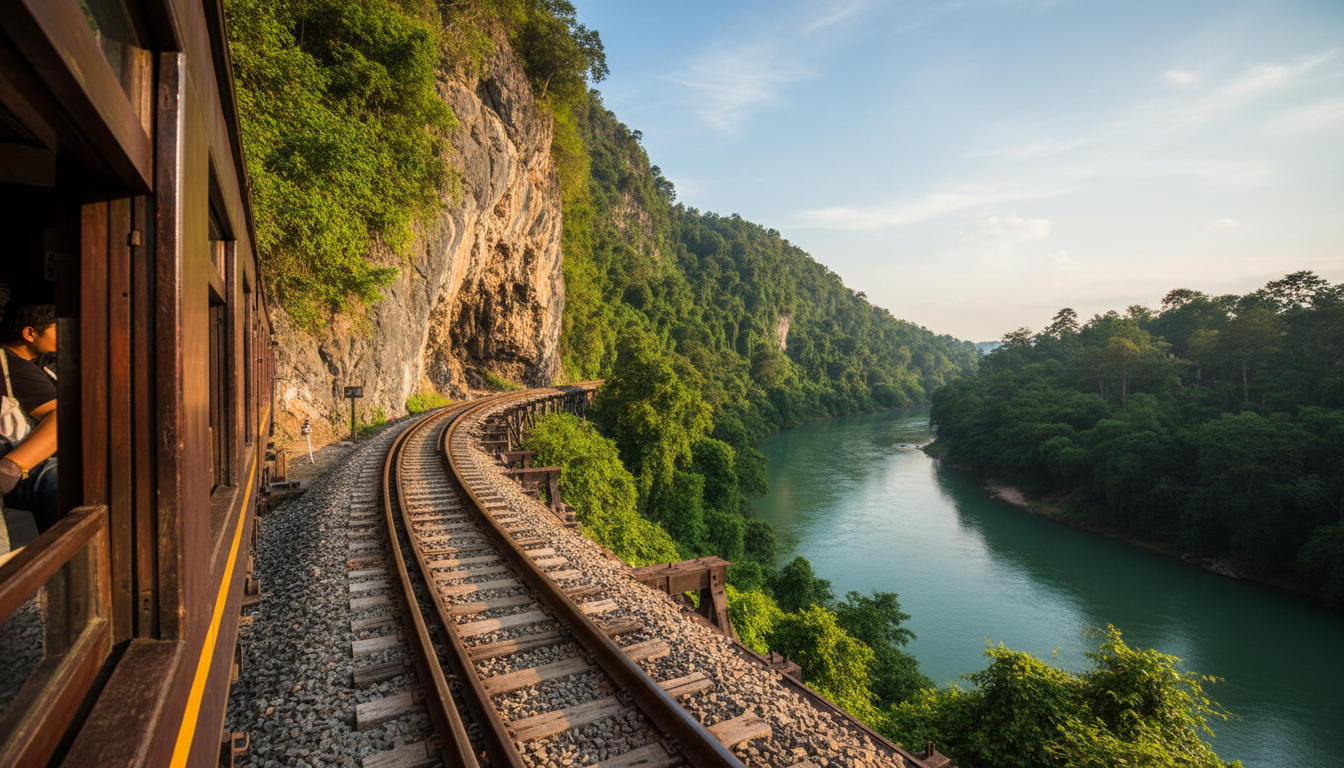
The tourist train follows part of the old corridor, showing rivers, cliffs, villages and railway structures. Timetables, stops and services change: consult official railway information on the day, arrive early and allow time for onward travel. This is not a historical reenactment and does not cover the whole original line. Follow staff announcements and do not lean out of windows.
Travel from Bangkok can take several hours depending on traffic, transport and station. A day trip is possible, but choose a few nearby stops and plan your return in advance. You might spend the morning at the bridge and a museum, then visit the cemetery without rushing. To explore distant parts of the line, staying overnight is often more comfortable than several quick transfers.
Practical advice
The town has restaurants, markets and varied accommodation. Bring water, sun protection and comfortable shoes. Heat and showers can affect plans. The station, bridge and museums may be difficult to walk between; confirm a taxi or tuk-tuk fare before leaving and agree on a pickup point. An offline map and place names in Thai can help.
Exploring accounts and sources
The film and popular stories made the bridge famous, but they also simplified complex realities. A more accurate visit distinguishes real places, historical events, individual memories and artistic choices. Museums do not all take the same approach: some focus on prisoners of war, others on Asian labourers, military operations or local history. Notice who produced an exhibit and whose voices are included. If an anecdote surprises you, make a note and check it against a historical source or a qualified guide before repeating it as fact.
Death tolls are often repeated without explaining whom they refer to, which period an estimate covers or what records were used. Avoid reducing the project to one number or comparing suffering as if it were a ranking. The experiences of prisoners of war and Asian labourers were distinct and sometimes documented unevenly. Reading captions and names carefully keeps people at the centre of the story rather than leaving only an impressive engineering structure. After your visit, you can continue with testimony and historical work from several communities.
Planning arrival and local transport
Before leaving Bangkok, confirm the exact departure point for your train or tour. Stations and terminals are not interchangeable, and traffic in the capital varies. Allow time to find the platform, buy water and collect tickets. On arrival in Kanchanaburi, ask how to travel between the bridge, museum, cemetery and your accommodation. Maps do not always show the open entrance or temporary works, so confirm with your hotel or local staff.
A day can centre on a railway journey or the sites in town, but too many stops create a race against the clock. Check return times before booking a guided visit and keep a backup plan in case the train is delayed. For a commercial excursion, read what is included: transport, admission, meals and the actual time at each stop. Ask whether the schedule allows a calm visit to memorials. A modest itinerary with time to read and reflect often offers more than a long list of quick photo stops.
Choosing a guide thoughtfully
A good guide does more than recite dates. They explain the landscape, point to sources, answer questions and acknowledge uncertainty. Before booking, ask about language, group size, time in museums and the approach to memorial sites. Be wary of commentary that turns war into entertainment or blames one community for all suffering. If you do not hire a guide, use interpretation from heritage institutions rather than anonymous posts without references. A visit can be valuable without a packed schedule when explanations are reliable and stops are well chosen.
Kanchanaburi’s shops, accommodation and restaurants are part of the living region. Choosing a small transport operator or eating at a local restaurant contributes directly to the neighbourhood economy. Confirm prices, respect agreed times and give notice if plans change. At memorials, avoid loud conversations, staged social-media scenes and sensational captions. Supporting the region and respecting these sites belong together.
Preparing for heat and delays
Humid heat can make a visit more tiring than expected, especially after several hours of travel. Drink regularly, rest in shade before you feel exhausted and keep medication accessible. Closed shoes help on uneven paths and near railway tracks. During the rainy season, pavements and river edges can become slippery; do not take a riverside shortcut just to save a few minutes. If you feel unwell, stop somewhere safe and ask for help instead of pushing on with the itinerary.
Keep your phone charged, share the hotel address with your group and note the return station. An offline map is useful when mobile service is slow. Carry some cash for small rides and water, but store tickets and documents separately. If a site closes or a shower changes your plans, choose a sheltered activity rather than making rushed transfers. These simple preparations leave more attention for the history you came to understand.
Continuing the reflection afterwards
Back home, compare several accounts instead of keeping only the one that confirms your first impression. When sharing a photograph or recommendation, name the place correctly and say whether you are describing a personal memory or verified information. Do not share images of mourners without consent or write sensational captions. A thoughtful post can encourage other travellers to visit a museum and understand the site, rather than simply recreate a film scene. You can also note unanswered questions and look for books or museum resources once you return.
Planning for different visitors
People respond to wartime history in different ways. Before visiting a museum, explain the subject to children and agree on a signal to pause if an image or testimony feels too difficult. Adults may choose not to enter an exhibit and meet the group in a quiet place. Visitors with family connections to conflict may also want to move at their own pace. You do not need to see everything to understand the site’s importance. A short, attentive visit is better than requiring everyone to complete the same route. Ask staff whether a room contains particularly graphic material, and use rest areas when available.
Solo travellers may find a small guided group useful for context and transport between sites. Keep personal documents with you and confirm the return point. When photographing the tracks, stand on stable ground with a clear route; do not walk backwards to frame the scenery. In a group, agree that nobody will move onto the railway or near the river edge for a better picture. Looking after one another also makes it easier to focus on the visit.
Questions to ask before booking
Check whether transport includes a return to the same station, whether admission is included and how much time is spent at the cemetery and museum. Ask about the walking distance between stops and whether there is shade or seating. If a tour combines several provinces or distant attractions, compare the time in transit with the time at each site. A package can appear convenient while leaving only a few minutes for a memorial. Reviews may help, but favour recent descriptions that mention the actual schedule and guide’s interpretation. Confirm cancellation terms and what happens if weather or rail delays disrupt the day. These details help you choose a visit that matches your priorities instead of discovering the limits after departure.
Preserving memories and records
Small choices during the visit help protect the sites. Do not place stickers, carve marks or move objects found near the railway. If you notice damage, tell staff instead of trying to repair it yourself. In museums, follow rules about bags, drinks and photography. Some items are loaned or fragile; following instructions helps teams preserve them for future visitors. If you buy a book or guide at the museum, you take home a source to consult later instead of photographing every panel. This also reduces the risk of sharing an isolated image without its context.
For families, a simple activity is to ask each person to remember one name, object or detail that helped them understand the period. Share observations in a quiet place away from graves and reflection spaces. Children may ask direct questions; answer in age-appropriate language and be honest when you do not know. You can look for a reliable source after the trip. A visit does not need to answer every question to be valuable: it can open a subject to explore together.
These checks make the day easier and keep the memorial visit focused, calm and respectful.
Frequently asked questions
Is this exactly the bridge from the film?
The real bridge has its own history. The film made it famous but does not tell the railway’s complete story.
Can visitors walk across it?
Yes, when access is open. Follow signs and staff instructions, especially when a train approaches.
Is one day enough?
It is enough for a few nearby sites. Staying overnight gives more time for the train and distant places.
How should I behave at the cemetery?
Keep quiet, do not touch graves and avoid intrusive photographs.
Visit with care
Kanchanaburi becomes more meaningful when the scenery is connected to people who endured the railway project and to residents today. Plan a realistic route, check schedules and leave time for memorial sites. Which resource helped you understand the history most clearly? Share your experience respectfully and cite your sources.
Sources
- Tourism Authority of Thailand — Bridge over the River Kwai
- Tourism Authority of Thailand — Kanchanaburi
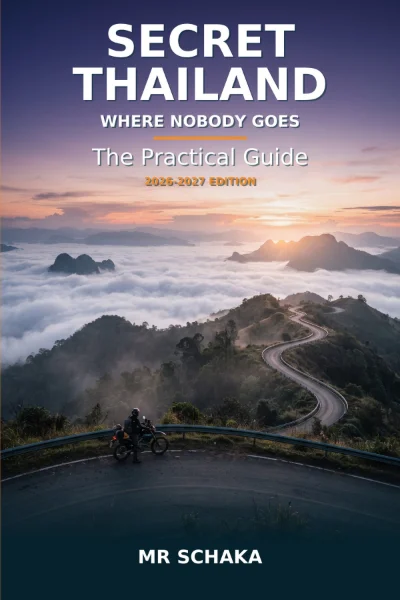
To go further
Mr Schaka’s guidebook, Secret Thailand – Where Nobody Goes – The Practical Guide, covers the essentials: transport, neighbourhoods, addresses, food, etiquette and safety, updated for 2026–2027.