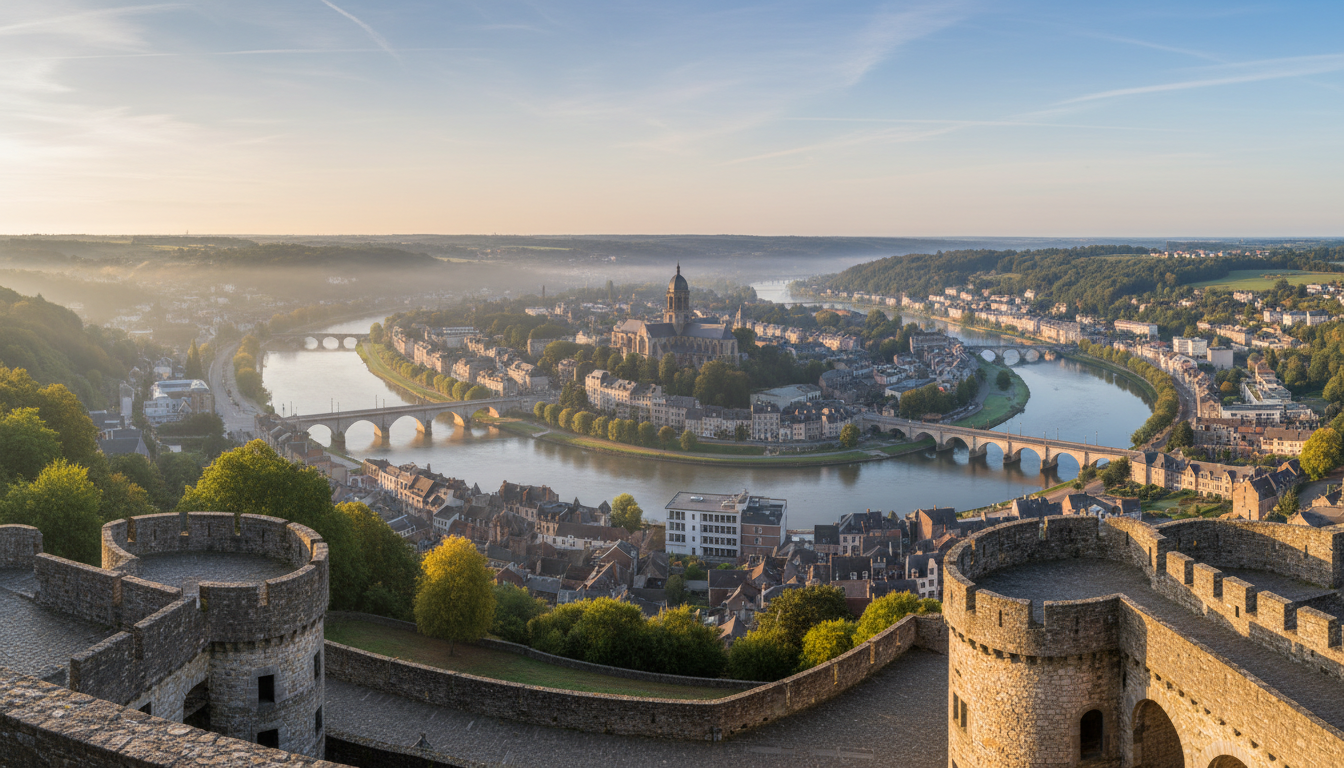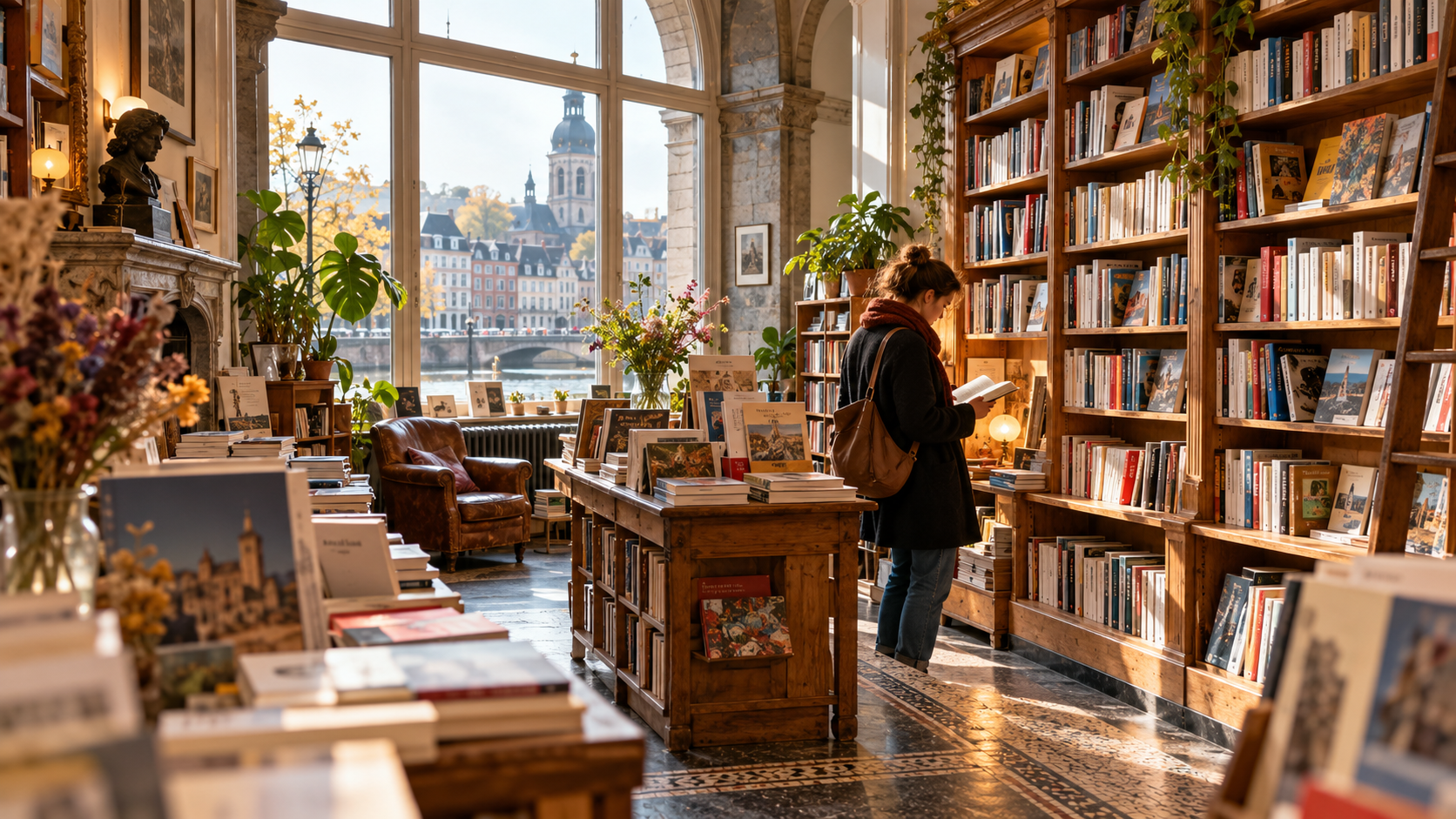
In Oscar’s Notebook, Liège isn’t just a backdrop: it’s a character. Its fog over the Meuse, its train stations, its nightlife districts, its forts and its beet fields. Here are the very real places where Victor Lenoir and Oscar Blanc carry out their investigations, to explore with the book in hand… or without.
The woods of Sart-Tilman
This is where it all begins: one stormy night, Oscar falls from the sky into the woods of Sart-Tilman, south of the city. The wooded estate, now home to a large part of the University of Liège, is still a green lung where getting lost is half the fun. Perfect for a walk… as long as you don’t look at the sky too much.
Guillemins station
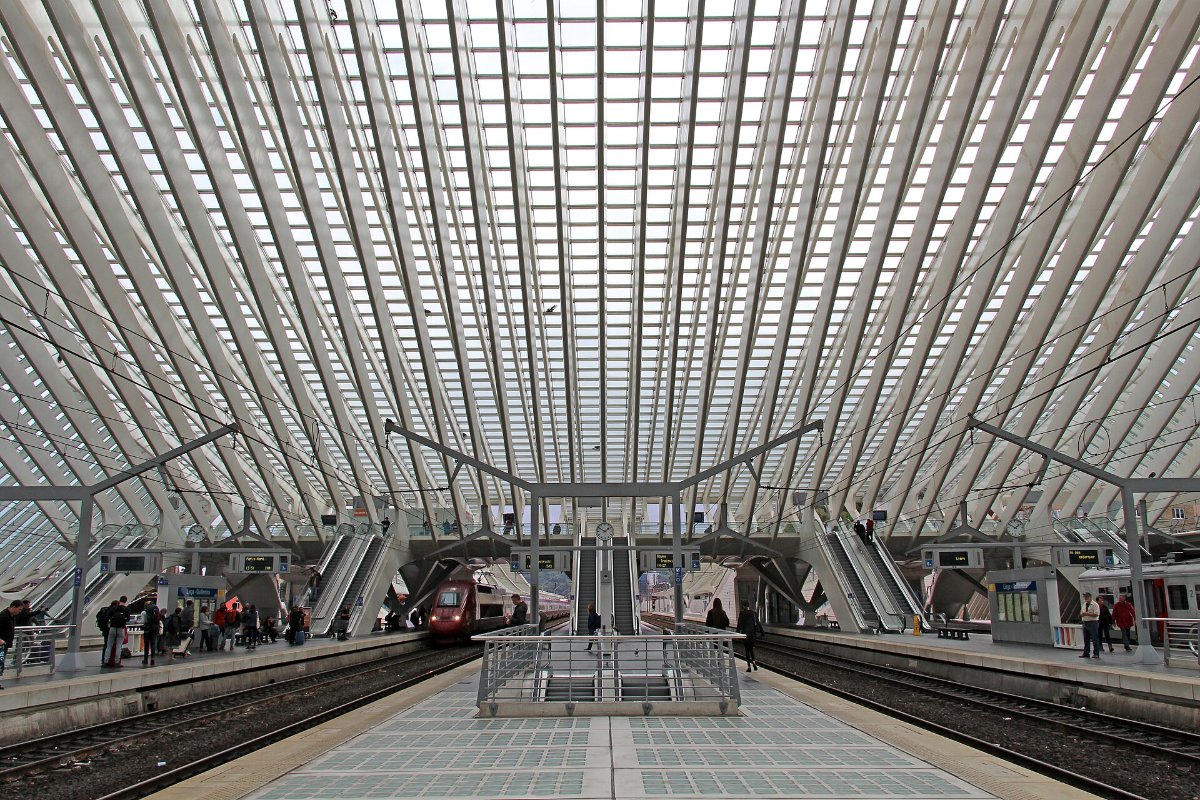
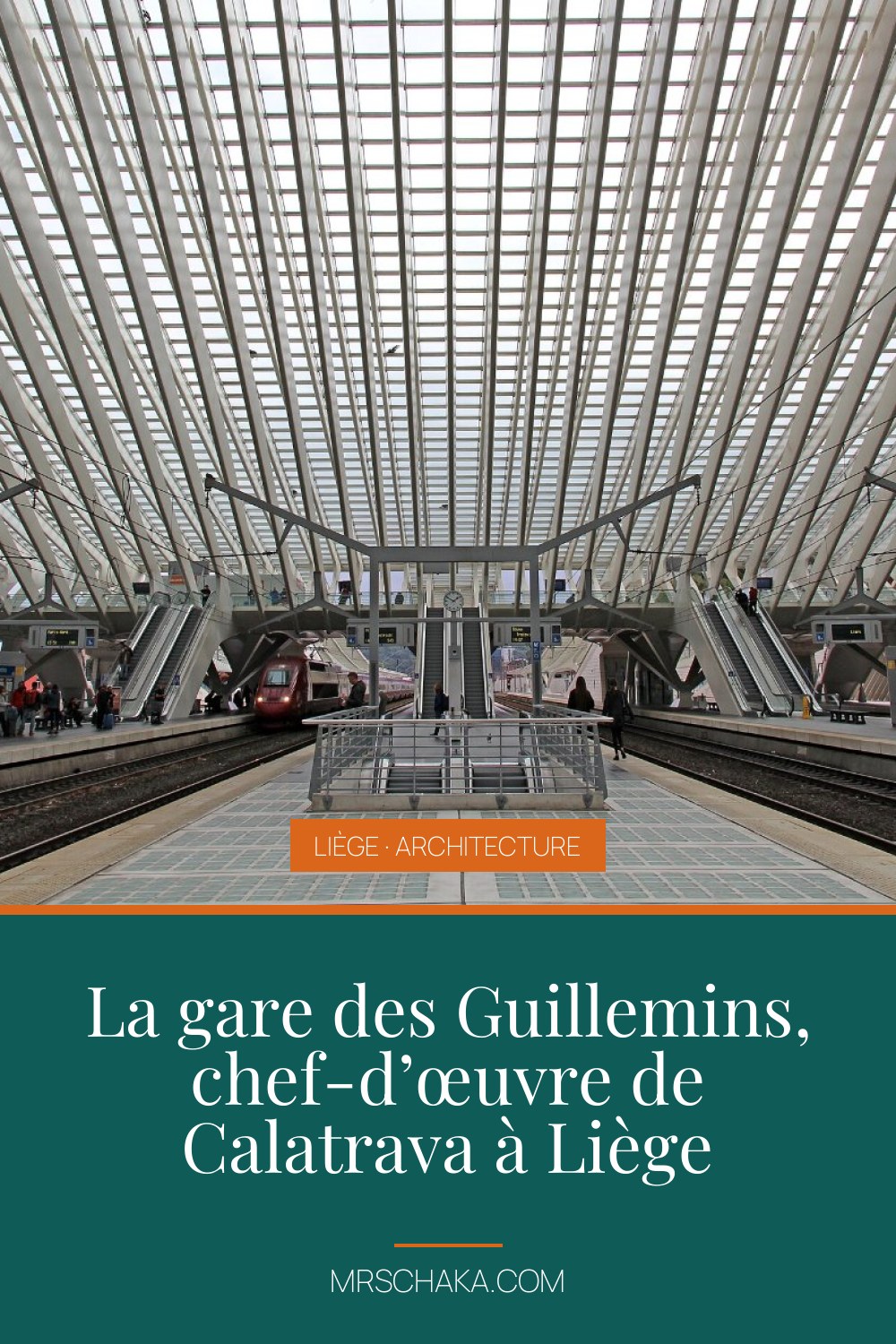
It’s on one of its platforms that Victor sees through Oscar, in five minutes flat. Guillemins station, designed by architect Santiago Calatrava and opened in 2009, has become one of the city’s symbols with its immense vault of glass and steel. The perfect place for a meeting that changes a life.
The Meuse and its footbridges in the fog
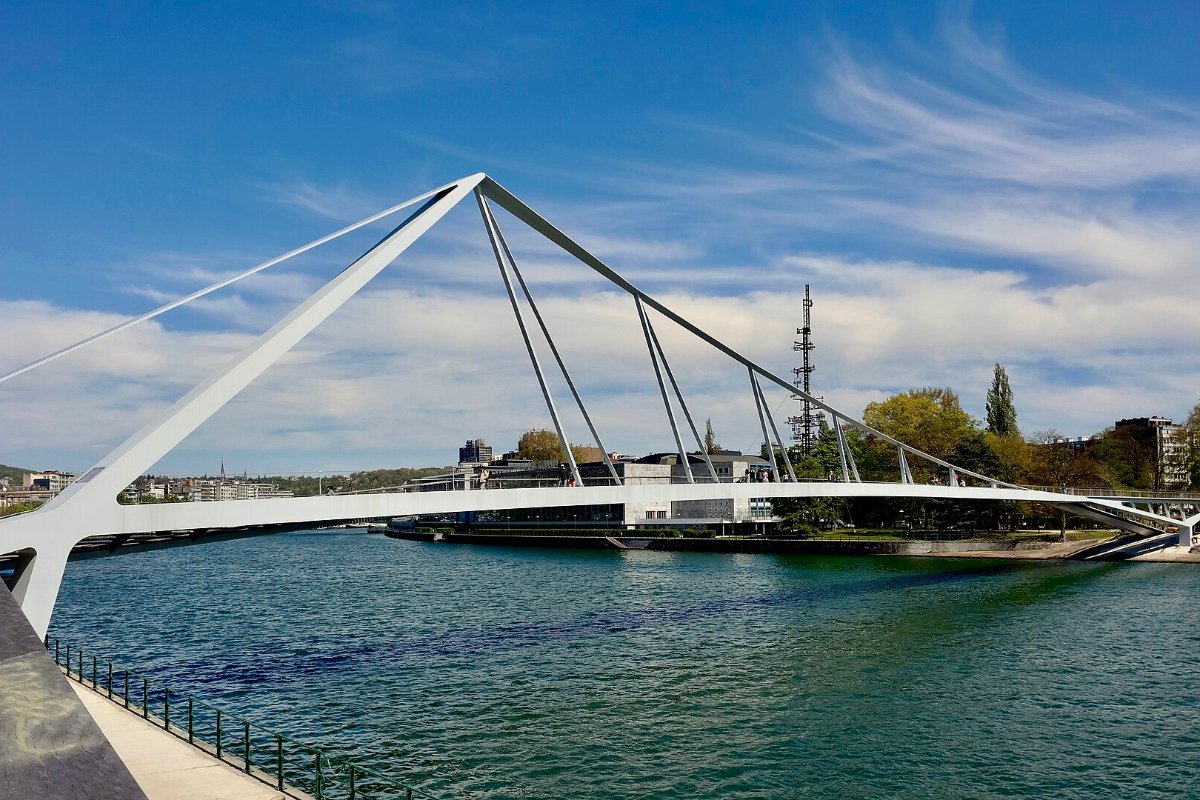
The cover of book 1 shows two silhouettes on a pedestrian bridge over the Meuse, at night, in the fog. The river runs through the whole series: a drowned man who smells of linden blossom opens the first investigation. To soak up the atmosphere, nothing beats a stroll along the riverbanks on an autumn evening, when the mist rises off the water.
The Carré, the nightlife district
With its narrow streets, bars and terraces, the Carré is the beating heart of Liège nightlife. In The Man with a Face of Water (“The Man with the Water Face”), a neon night there takes a bad turn. Oscar, who is discovering human parties with an anthropologist’s curiosity, learns a great deal there, including a few things he would rather not have known.
La Boverie, the museum of book 2
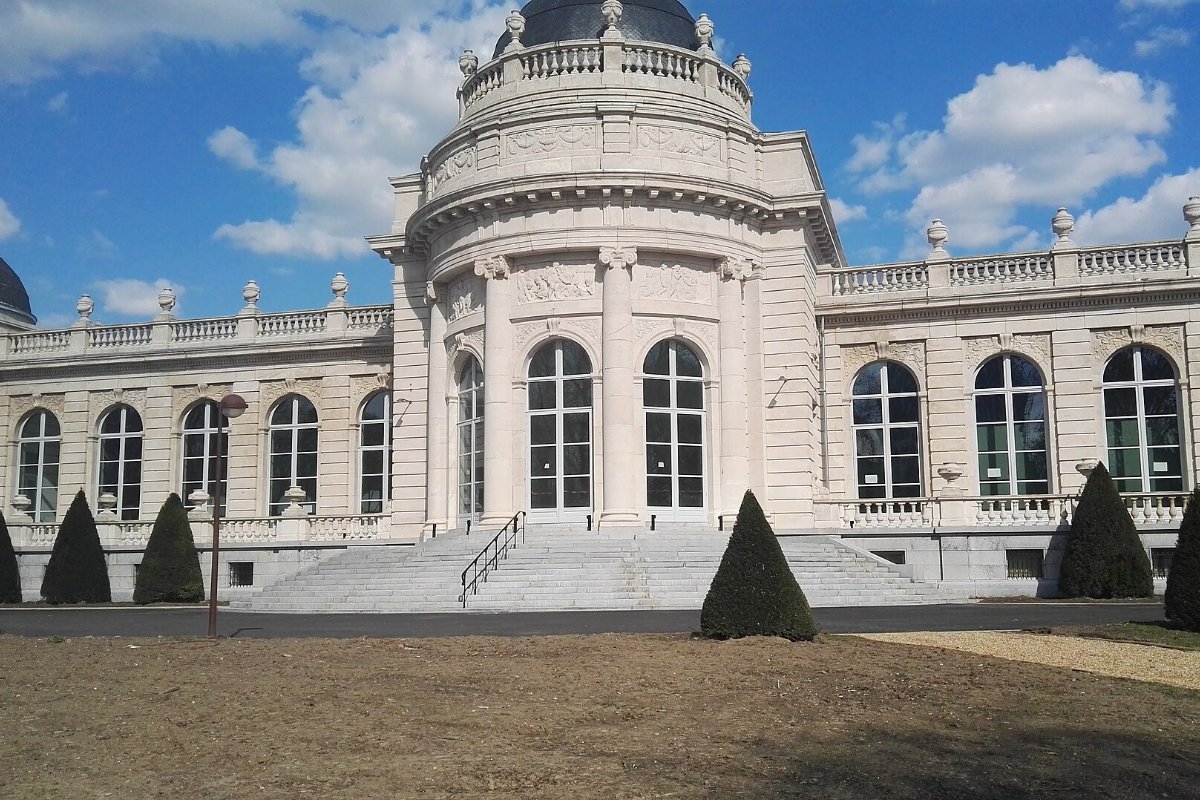
In The Empty Wall, Liège’s Picasso vanishes from the Boverie museum, which sits in a park by the water. All that’s left is a gilded frame, propped against the baseboard. The real museum, for its part, is still welcoming visitors: a good excuse to go and see with your own eyes what a wall that isn’t empty looks like.
Ans, Alleur and Fort de Loncin
Book 2 leaves the city center for the outskirts: Ans station, the beet fields of Alleur, and above all Fort de Loncin, one of the forts that defended Liège in 1914. Destroyed in August 1914 when its powder magazine exploded, it became the tomb of several hundred soldiers, who still rest there today. A deeply moving memorial site that is open to visitors, and where Victor and Oscar follow the trail of a gang that thought of everything.
The taste of Liège
Oscar learned to live among humans through their food: péket, the local juniper spirit, and boulets sauce lapin, meatballs smothered in a sauce made with Liège syrup. If you’re following in his footsteps, that’s where to start.
Good to know: the investigations are fiction, but the places are very real. Check the opening hours of the museums and the fort before you go.
Read also: Liège-Guillemins station: Calatrava’s masterpiece to visit · Fort de Loncin: visiting the heroic 1914 fort near Liège
The book
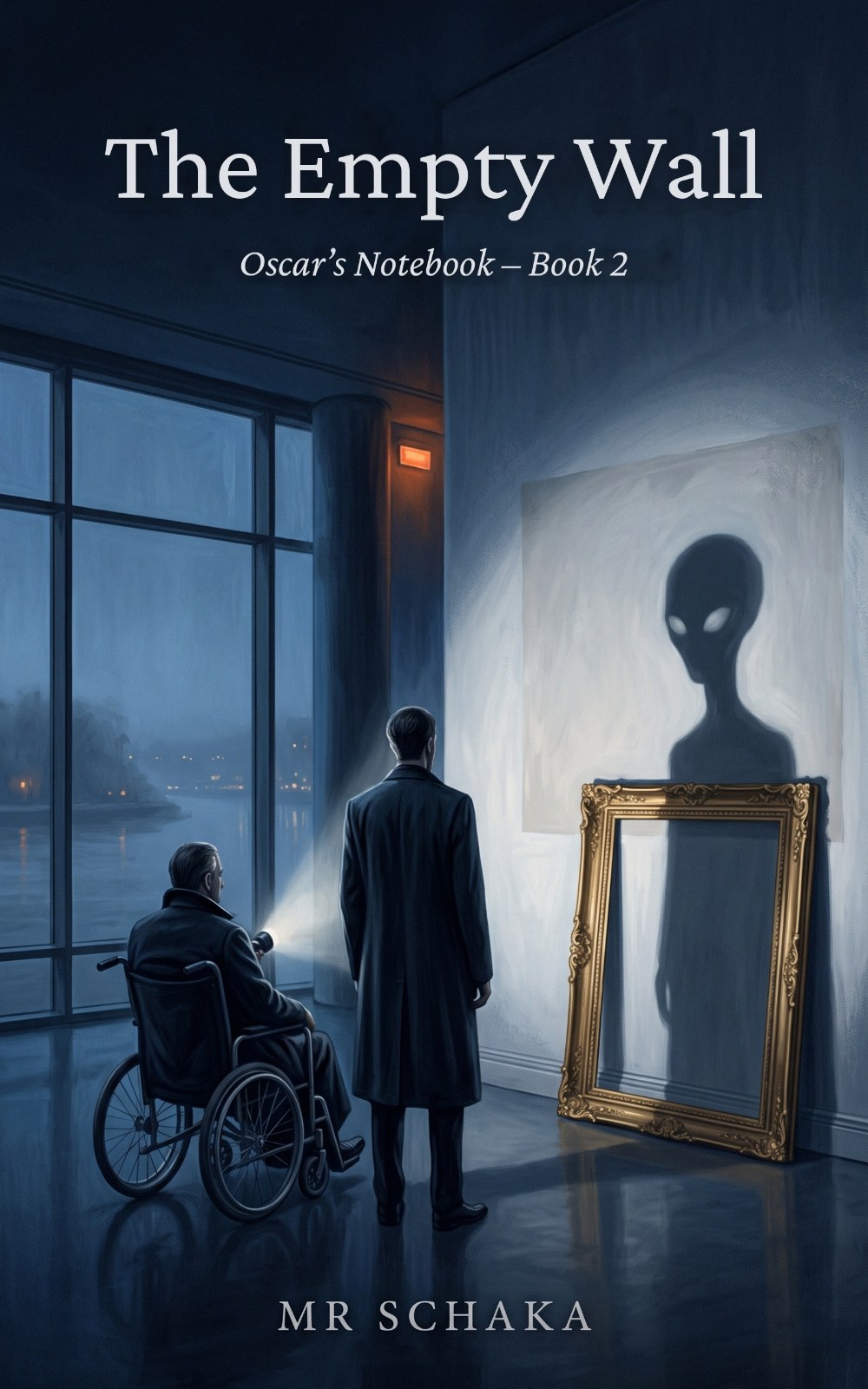
The Man with a Face of Water, The Empty Wall, The Waters of the Vesdre and The Silence of the Fagnes, the four books of Oscar’s Notebook, are out now in English as ebooks: €3.00 each, or €3.00 for all four.
Photo credits — “La Belle Liégeoise footbridge over the Meuse in Liège”: Choinowski, Wikimedia Commons, license CC BY-SA 4.0; “The platforms and glass canopy of Liège-Guillemins station”: Fred Romero from Paris, France, Wikimedia Commons, license CC BY 2.0; “La Boverie museum in Liège”: Éric Dodémont (Dodeeric), Wikimedia Commons, license CC BY-SA 4.0. Images cropped.