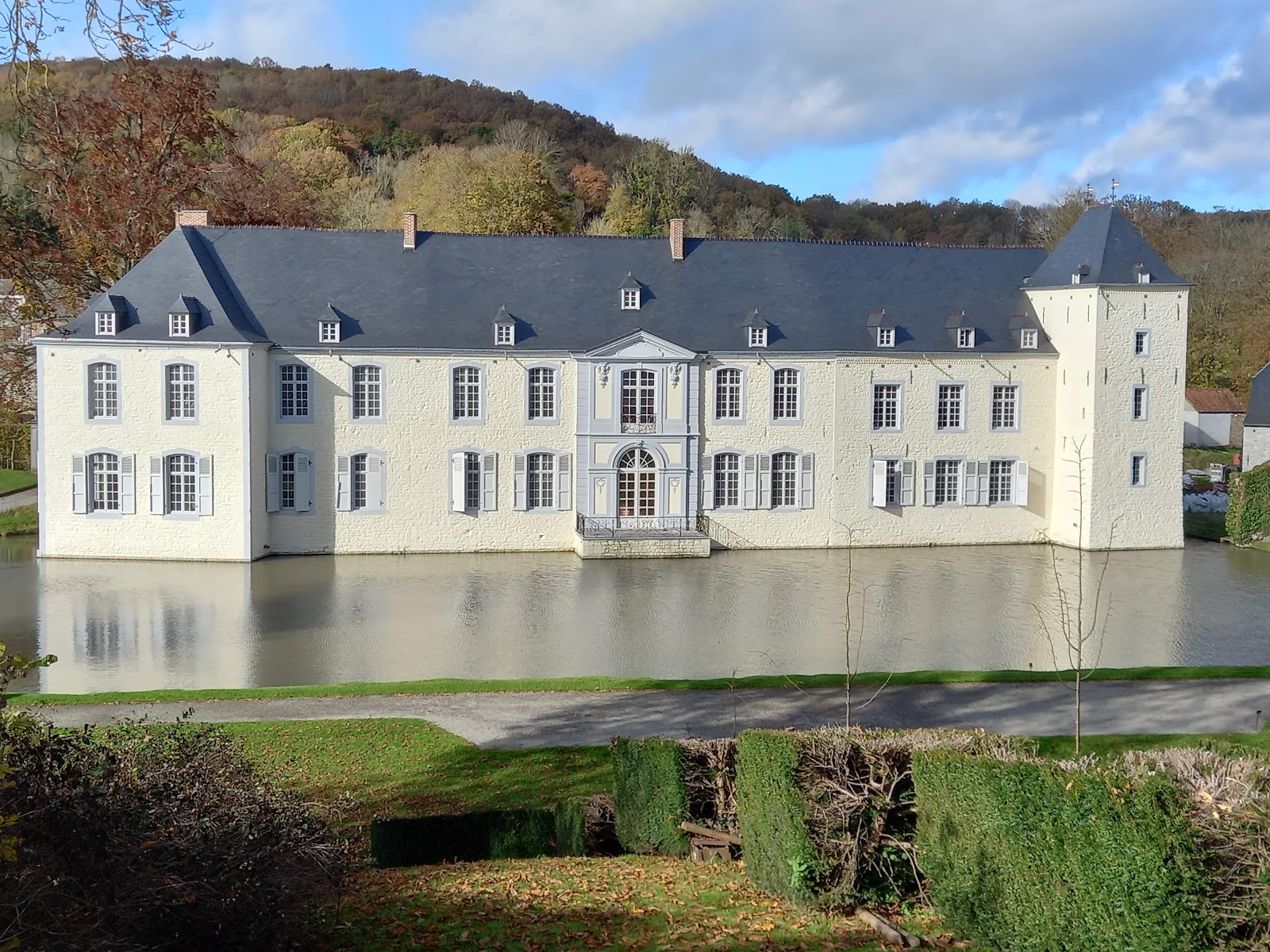
Seven kilometres from Liège, Fort de Loncin keeps the memory of one of the most tragic moments of August 1914. Here, a single explosion killed around 350 Belgian soldiers, most of whom still lie beneath the ruins. This is how to visit this unique place, with the respect it deserves.
A link in Brialmont’s ring of forts
From 1888, General Henri-Alexis Brialmont had twelve forts built around Liège: six large and six small, laid out in a circle to protect the city and the crossings of the Meuse. Fort de Loncin, completed around 1891, is one of the large ones. It is buried in the ground, built of unreinforced concrete, on a triangular plan with sides of about 300 metres. Its guns sat under steel cupolas that barely rise above the ground.
When they were built, these forts were modern. By 1914 they were already outdated against the new German heavy artillery.
August 1914: the siege and the explosion
The German army entered Belgium on 4 August 1914. Fort de Loncin opened fire on 7 August. General Leman, governor of the Liège fortress, set up his headquarters there. Over eight days, the fort took around 15,000 shells, according to the fort’s official website.
On 15 August, at about 5.20 pm, a 420 mm shell fired by the “Big Bertha” pierced the powder magazine. About twelve tonnes of explosives went up. The centre of the fort was blown apart. Out of a garrison of roughly 550 men, some 350 were killed. General Leman was found unconscious in a ditch, then taken prisoner. The fort’s commander, Victor Naessens, survived and later wrote an account of those final hours.
A national necropolis
Most of the victims were never recovered. In 1921, the remains of 43 soldiers were gathered in a crypt inside the fort. In 2007, during a clearance operation that brought up some 3,500 shells, the remains of 25 more soldiers were found, four of whom were identified. They joined the crypt the following year. The others still lie under the concrete.
The site was never rebuilt. In 2014, for the centenary, King Philippe raised it to the status of national necropolis. Since 2023, it has been one of the First World War funerary and memorial sites on the UNESCO World Heritage List. So you enter it as you would a cemetery: quietly and suitably dressed.
What you see on site
The visit starts with the museum, run by volunteers. Uniforms, personal belongings of the young soldiers, scale models and archive documents tell the story of the garrison and the Battle of Liège.
Then you go down into the fort. The vaulted galleries, casemates and command posts have been left as they were in 1914. Outside, you see the explosion crater and gun cupolas overturned by the blast. A sound and light trail, with videos, brings the defenders’ last hours back to life.
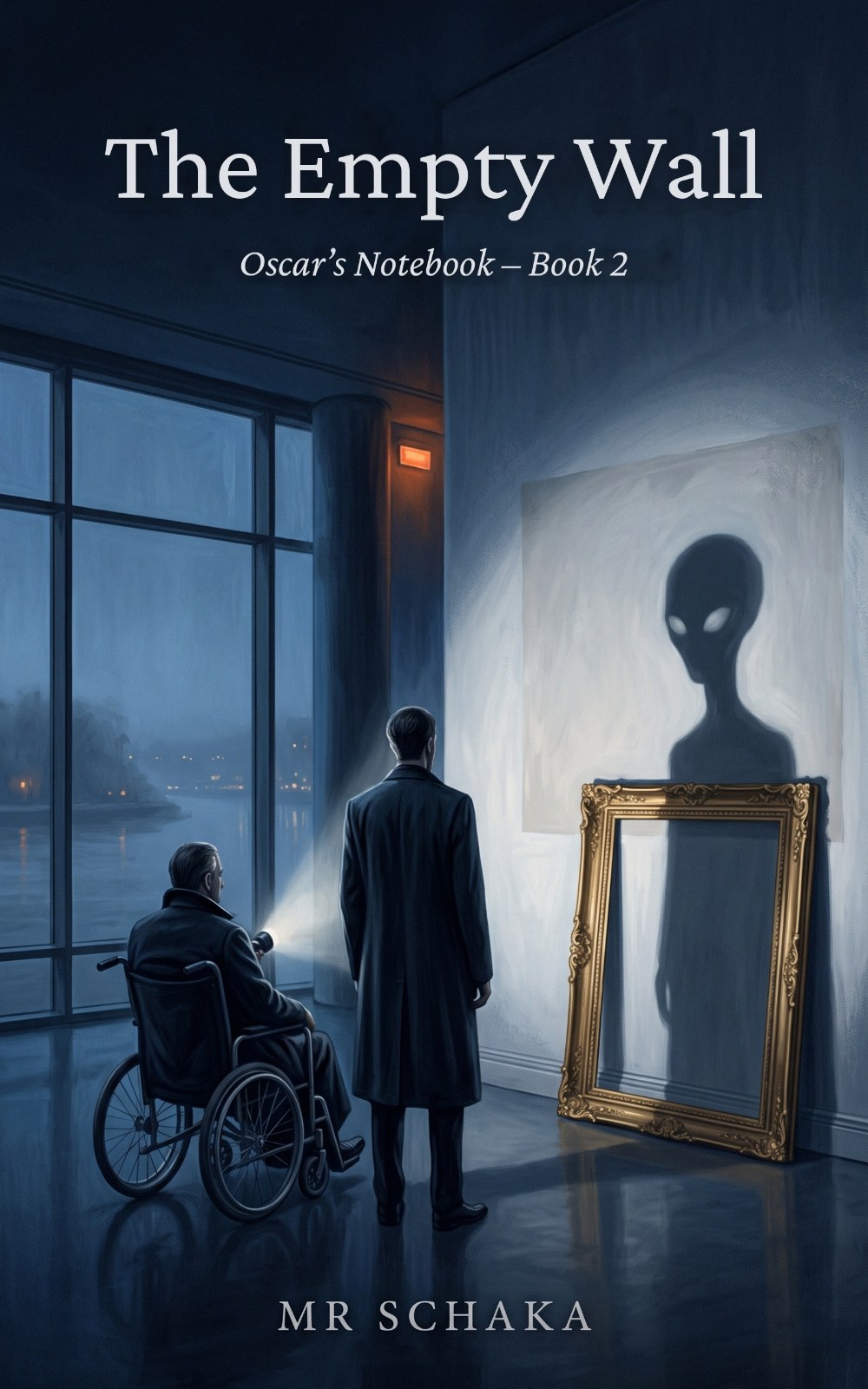
The most moving moment is the crypt, a true hall of remembrance. People stop there in silence, facing the names of those who never came home. Mr Schaka’s readers will recognise these galleries, which appear in “The Empty Wall” (Le Mur vide), volume 2 of Oscar’s Notebook.
Opening hours, prices and getting there
Opening hours and length of visit
The self-guided visit uses an audio guide (French, Dutch, English, German), with no booking needed. From April to September, the fort opens Thursday to Sunday; from October to March, on Saturdays and Sundays, from 2 pm to 6 pm. Allow 1.5 to 2 hours. Guided tours in French run on some Sunday afternoons (about 2.5 hours). Groups of at least 10 people must book at least a week ahead. Check the hours on the fort’s website before you go: occasional closures are possible.
Prices (checked in 2026)
- Adult: €10
- Student (with card) and senior (65 and over): €8
- Child aged 7 to 12: €4
- Under 7: free
Address and access
Rue des Héros 15 bis, 4431 Ans (Loncin), about 7 km west of central Liège. By car, there is a private car park for visitors. By TEC bus, line 84 (Liège–Waremme) stops at “Fort de Loncin”, 100 m from the entrance. Lines 12 and 75 serve the “Rue de Jemeppe” stop, about 800 m away. From Ans railway station, you need to take a bus. There is no café or restaurant on site.
Mr Schaka’s practical tips
- Bring a jacket, even in midsummer: the underground galleries are cool and often damp.
- Wear closed, comfortable shoes: uneven floors, steps and paths through the ruins.
- Arrive early in the afternoon so you can follow the audio guide without rushing before closing time.
- Respect the place: it is a grave. Keep your voice down and do not climb on the ruins.
- Combine it with Fort de Lantin, close by and still in its 1914 state. Check its opening days, which differ from Loncin’s.
Frequently asked questions
How many soldiers still lie at Fort de Loncin?
Around 350 soldiers died on 15 August 1914. About sixty rest in the crypt; most of the others are still beneath the ruins of the fort.
Do I need to book?
Not for the self-guided audio guide visit. Groups of 10 or more must book at least a week in advance.
Is the visit suitable for children?
Yes, the fort welcomes many school groups. Just prepare younger children: it is a place of remembrance, and some galleries are dark.
The book
The galleries of Fort de Loncin play a part in The Empty Wall, the second book of Oscar’s Notebook: Liège’s Picasso has vanished, and the trail leads here.