On 21 October 2026, Prime Minister Anutin Charnvirakul, also interior minister and leader of the Bhumjaithai Party, filed two bills amending narcotics legislation with MPs from his party. The texts request urgent consideration and introduce several major changes: possession presumed to be dealing, heavier penalties, longer detention and broader powers for anti-drug services.
The facts
The bills were handed to House Speaker Sophon Sarum with a request for urgent listing. According to the government, they stem from workshops with public agencies, field officers, local authorities and citizens, whose conclusions shaped the amendments.
Possession presumed to be dealing
The most commented measure: possession of drugs would be presumed intended for distribution. Today the prosecution must show intent to sell; tomorrow possession alone would trigger that classification, and the accused would have to rebut it.
Heavier penalties
The second text increases penalties for certain offences, especially those involving minors: those who make young people consume drugs, encourage them to offend, or exploit legal loopholes.
Rehabilitation
The bill also clarifies the rehabilitation system, aligning treatment procedures with real practice and allowing families or relatives to bring a suspected person voluntarily into treatment.
Powers of the anti-drug office
The text broadens the powers of the Narcotics Control Board: access to central databases for prosecution, and power to order suspension or deletion of computer data encouraging drug use. It also strengthens investigative powers, allowing narcotics police to seek court approval to access information through any channel.
Detention up to seven days
The most concrete change for an arrested person: maximum detention by officers rises from three to seven days, to allow time to gather evidence.
Additional means
The Prime Minister mentioned more staff and equipment, including additional X-ray vehicles for police checks at borders and high-risk areas.
The context
Thailand has faced a synthetic drug crisis for years, with massive seizures and wide distribution of methamphetamine tablets. The government has made the fight against narcotics a stated priority, alongside a tightening of cannabis policy after the 2022 deregulation.
What it changes for a traveller
Thailand applies zero tolerance, and the new presumption makes carrying substances riskier. Penalties are severe and detention conditions are not those of a European country. Do not carry illicit substances, accept parcels from strangers, or lend your bag.
Cannabis
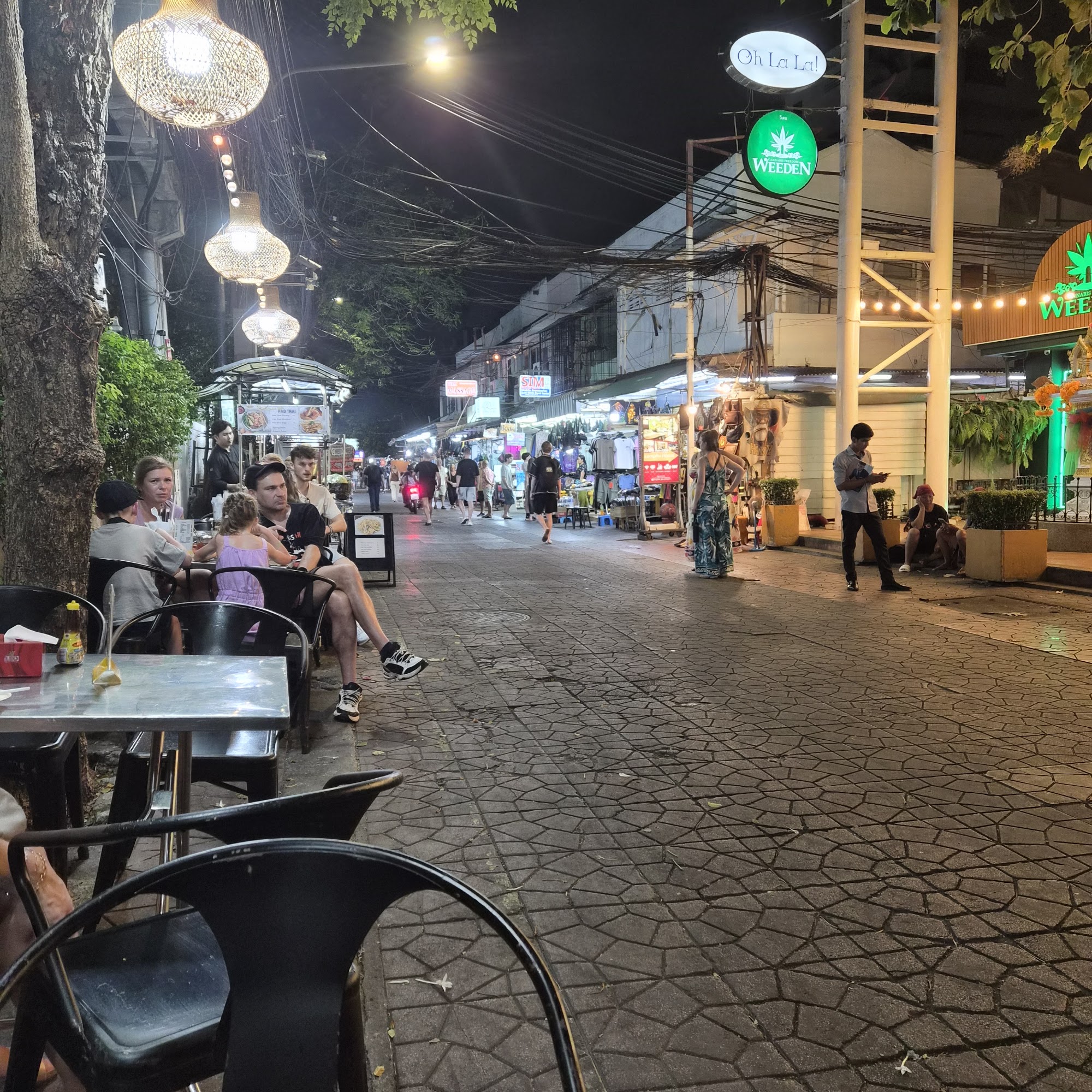
Cannabis is a special case: long tolerated after 2022, it is now subject to a return to strict control, with a medical-use bill and statements about closing the sector. Until a new framework applies, caution means not buying or carrying products.
Not yet decided
The texts have been filed, not adopted. They must go through Parliament, with debates and possible amendments. This article describes bills, not a law in force.
Possible criticism
The presumption of dealing is debated in Thailand too, because it could target users holding small quantities. Longer detention raises procedural questions.
FAQ
Are the texts in force?
No, filed on 21 October 2026, still to be examined by Parliament.
What does the presumption mean?
Possession would be presumed for sale, reversing the burden of proof in practice.
Is detention seven days?
The bill would raise the maximum from three to seven days; not yet applied.
Is cannabis legal?
Use is increasingly strictly regulated; check rules before any purchase.
Are penalties severe?
Yes. Drug trafficking carries very heavy penalties and detention conditions are difficult.
Sources and references
To go further
Mr Schaka’s guidebook, Bangkok – The Practical Guide, covers the essentials: transport, neighbourhoods, addresses, food, etiquette and safety, updated for 2026–2027.