Thailand and Cambodia are going through a bilateral crisis that has lasted for months, with very concrete consequences for travellers: land crossings between the two countries no longer operate normally, and diplomatic relations remain degraded despite calls to restore them.
What happened
Tensions led to a deterioration of relations, with border incidents and mutual accusations. The situation led to the closure of land crossing points and a reduction in exchanges. On 21 October 2026, Cambodian authorities publicly asked Thailand to honour agreements and restore diplomatic relations, while accusing it of encroaching on its territory.
Land borders
The most important point for a traveller: land crossings are not operational. Classic routes — Bangkok to Siem Reap by road, or the Poipet crossing — no longer work as before. Information circulates mainly through travel agencies and traveller groups; verify it daily.
Air traffic
Flights between the two countries continue and are currently the only reliable way to cross. Bangkok-Siem Reap and Bangkok-Phnom Penh links remain served. Prices may be higher and flights fuller: book early.
Visas
With land crossings closed, land-border visa rules no longer apply in practice. Travellers arriving by air follow airport procedures. Check the conditions for your nationality and entry point.
Itineraries to revise
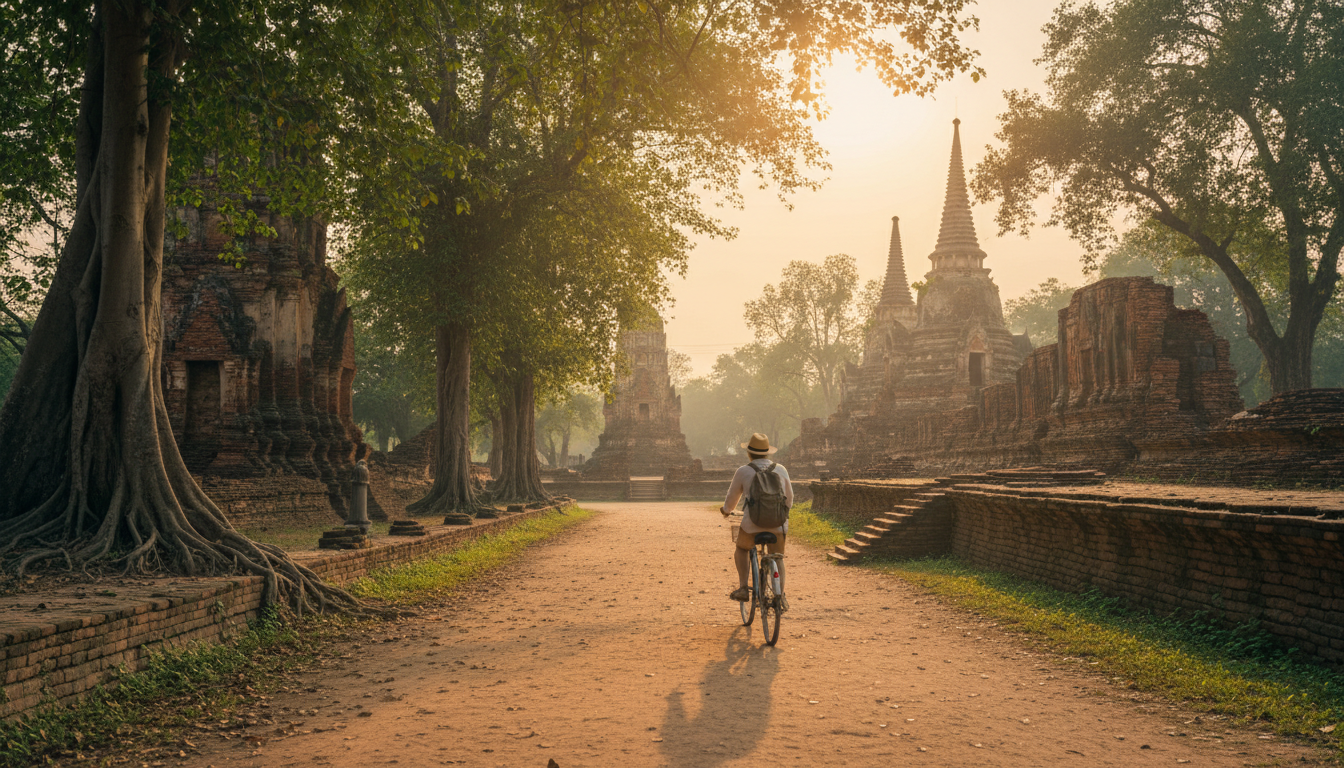
Routes crossing the land border must be rethought: replace the land crossing with a flight, or change the order of stages. The classic Bangkok-Ayutthaya-Siem Reap route becomes more expensive but remains feasible.
Advisories
Several countries have updated their travel advice, flagging the border closures and recommending avoiding areas near the border line. These are not travel bans but indicate concrete risks.
Areas to avoid
The immediate border surroundings, especially where incidents occurred. Major sites — Angkor, the Isan temples — remain accessible, but excursions approaching the border must be checked. Temples on either side have long been subject to tension: ask locally.
Effect on tourism
Both countries depend heavily on tourism, and the crisis weighs on flows. Cambodian operators report cancellations and modified routes; on the Thai side, border regions are most affected.
The political situation
The crisis is part of a wider context of territorial accusations and blocked talks. Calls to restore relations multiply without immediate result. A date for normalisation is hard to predict: plan fallback solutions.
Staying informed
Three sources: your foreign ministry’s website, local media in both countries, and agencies on the ground. Social media give faster but unverified information.
If you are stuck
If a crossing is closed, the fastest solution is usually to reach an airport. Contact your embassy if the situation drags on, and keep documents and insurance at hand. Always leave a margin in bookings.
Insurance
Check clauses on civil unrest and border closures. Many policies cover medical costs but not itinerary changes linked to a political situation.
FAQ
Can you cross overland?
Not normally. Land crossings are not operational; verify before planning.
Do flights operate?
Yes, the reliable solution today.
Are sites closed?
No, Angkor and major sites remain accessible; border areas are the problem.
Should I cancel?
No, but adapt the itinerary and follow official advice.
How long will it last?
Impossible to predict. Plan replacements.
Sources and references
- Phnom Penh Post (21 October 2026)
- Khaosod English (21 October 2026)
- Explera — land borders closed briefing
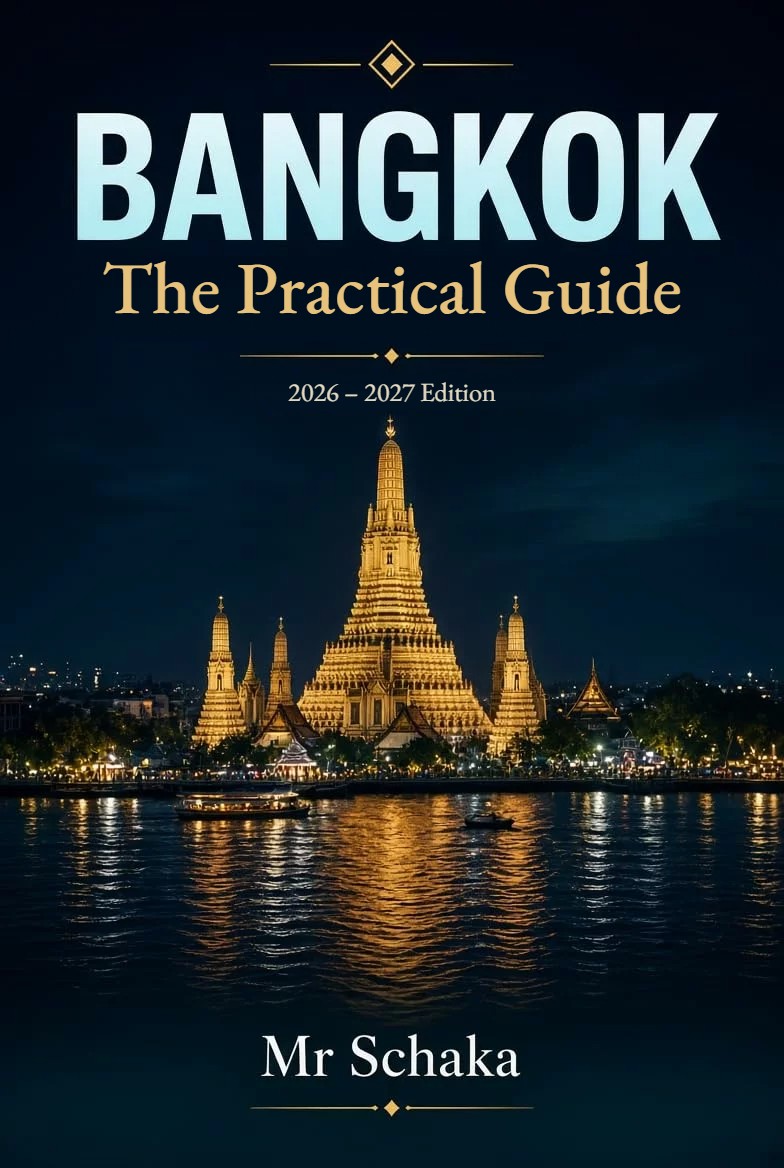
To go further
Mr Schaka’s guidebook, Bangkok – The Practical Guide, covers the essentials: transport, neighbourhoods, addresses, food, etiquette and safety, updated for 2026–2027.