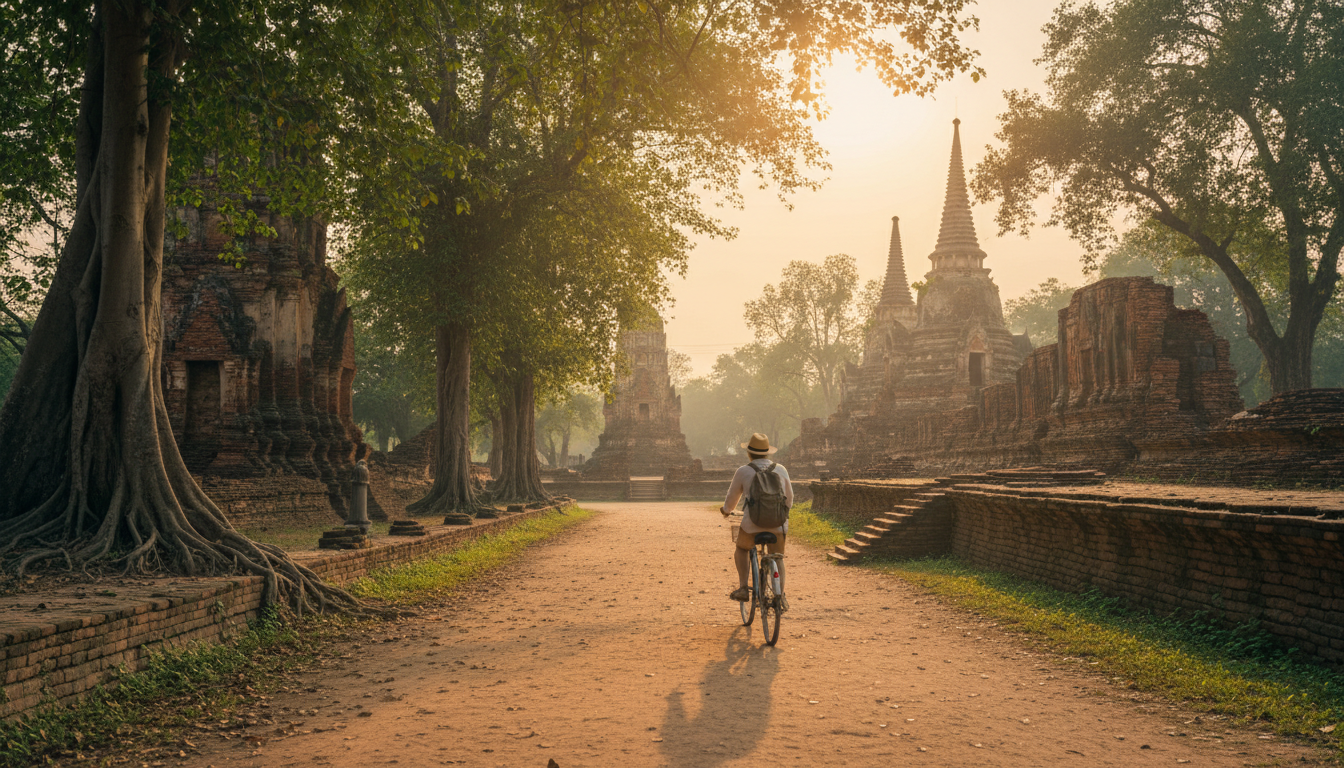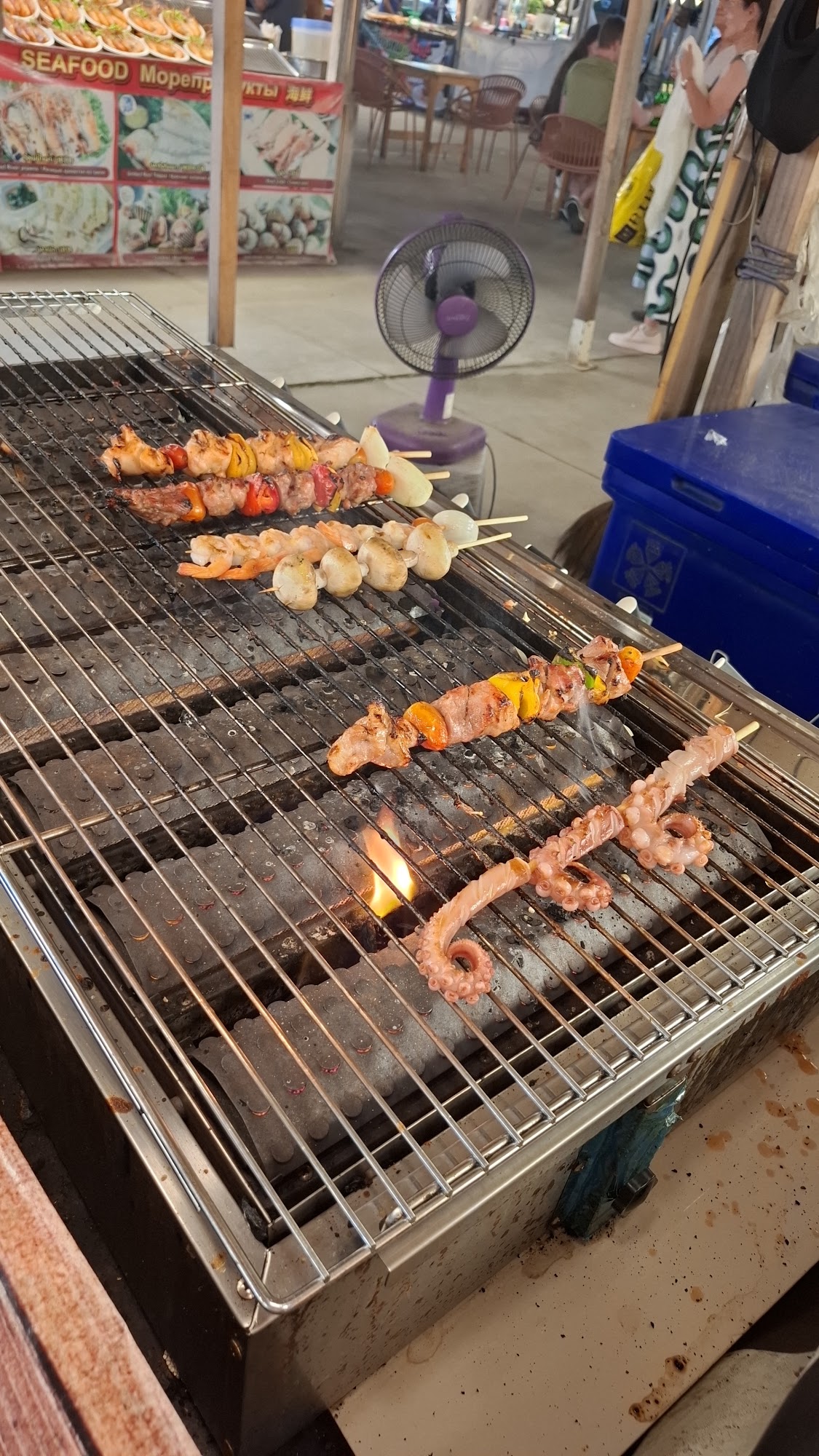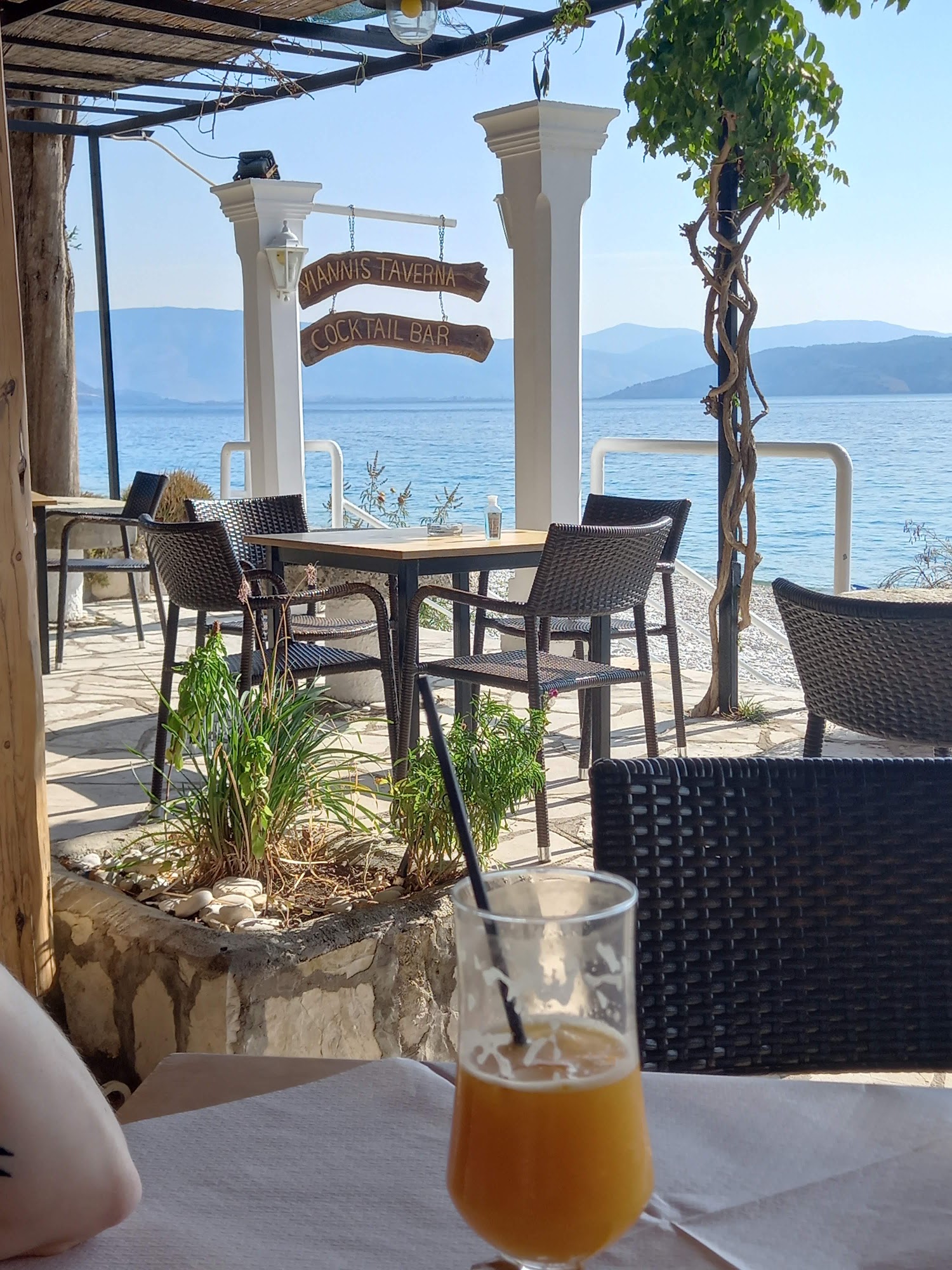
For a long time I travelled like many people do: as many stops as possible, packed days and suitcases repacked every other day. Today I practise slow travel in Thailand: fewer places, more time in each, and a pace that leaves room for rest. Here is how I organise a restful stay without feeling that I’m missing out on the country.
Why travel slowly in Thailand
Thailand lends itself particularly well to slow travel. The climate is hot and humid for much of the year, and the heat is more tiring than you might think. Distances are also longer than they look on the map: a travel day is often a whole day, between waiting, the journey itself and settling in.
Travelling slowly means accepting that you won’t see everything. In return, you discover something else: the neighbourhood market where people end up recognising you, the little restaurant you go back to every evening, the nearby temple you visit early in the morning while it is still quiet. You no longer consume places, you live in them a little. And you come home rested, which is not always the case after a multi-stop tour.
Fewer stops: my “bases” rule
My method is simple: I choose a few bases and stay at least a week in each. From each base I take day trips, then come back to sleep in the same place. No more endless repacking.
- For two weeks: two bases, for example Bangkok and then a quiet seaside resort such as Hua Hin.
- For three or four weeks: three bases at most, for example Bangkok, Chiang Mai and a beach.
- For a whole winter: just one or two bases, with accommodation rented by the month. I talk about this in my article on spending the winter in Thailand after 50.
Chiang Mai is an ideal base for this kind of stay: the city is human-sized, there are plenty of excursions and the pace is gentler than in Bangkok. I have devoted a whole article to it, Chiang Mai for slow travellers.
Getting around gently
Transport is often what tires you most. A few simple choices make all the difference.
- The train: my favourite way to cover long distances. The night train between Bangkok and Chiang Mai leaves from Krung Thep Aphiwat station and takes around 11 to 13 hours. A sleeper berth lets you lie down and arrive without losing a day. Book on the official website of the State Railway of Thailand (SRT), especially in high season.
- Flying: for long distances, a one-hour domestic flight is often less tiring than a long day on a bus. Allow plenty of time for the airport and plan nothing else that day.
- A private driver: for journeys of a few hours, such as Bangkok to Hua Hin or to a beach in the east, hiring a car with a driver lets you leave when you want and stop whenever you need to.
- One long journey a day: I never combine a flight and a long drive on the same day.
Choosing accommodation you want to stay in
When you stay a week or more, your accommodation matters far more than for a single night. I mainly look for:
- a lift and easy access, without long flights of steps;
- public transport, a convenience shop and a few restaurants within walking distance;
- a pool or a shady spot for the afternoon, when it is too hot to go out;
- a kitchenette or at least a fridge, for cold water and fruit;
- weekly or monthly rates, often better value than the nightly price.
A typical slow-paced day
My rhythm follows the heat. In the morning, between 7am and 10am, it is cooler: the time to visit a temple, walk in a park or go to the market. Late in the morning I head back. In the afternoon, when the sun is at its strongest, it is pool, nap, reading or somewhere air-conditioned. Around 5pm the city comes back to life: a stroll, a night market, a simple dinner. I never plan more than one major activity a day, and I keep at least one day a week with nothing planned.
Health and comfort on a long stay
I am not a doctor, and everyone’s situation is different. Before a long stay, especially if you have a chronic illness or are short of breath, talk to your doctor: they can advise you on your treatment, vaccinations and the precautions to take. Bring enough medication, with the prescription, and take out travel insurance that properly covers medical costs on the spot.
Beyond that, a few simple habits help: drink regularly, protect yourself from the sun, wear light clothing and don’t hesitate to take a taxi rather than walk in the full heat. If you have breathing difficulties, my article on travelling in Thailand when you are short of breath offers more ideas.
My practical tips
- Choose the cool season, roughly November to February, if you don’t cope well with heat.
- Allow at least a week per base and at least one full rest day after each long journey.
- Book the first nights in advance, then extend on the spot if you like the place: this is often possible outside high season.
- Before leaving, check the entry rules and permitted length of stay for your nationality: they change regularly, so ask the Thai embassy.
- Get a local SIM card or eSIM as soon as you arrive: transport apps, maps and translation make everything easier.
- Keep some time free of screens and plans: that is often when you meet people and really enjoy yourself.
- Keep useful numbers, such as your insurer and your accommodation, both in your phone and on paper: if anything goes wrong, you will always have them to hand.
Frequently asked questions
How many stops for three weeks in Thailand?
For a restful stay, two or three bases are plenty, with day trips from each of them.
Train or plane to Chiang Mai?
The plane is faster; the night train is more of an experience and lets you sleep lying down. Both suit slow travel, as long as you plan some rest on arrival.
What is the best season for slow travel?
The cool season, roughly November to February, is the most pleasant. The rest of the year is possible too, provided you adapt your pace to the heat or the rain.
Is slow travel more expensive?
Often not: you spend less on transport, and weekly or monthly rentals generally cost less than a string of hotel nights.

The book
Mr Schaka lives with pulmonary fibrosis and has been travelling in Thailand for years. In The Season of Breath he tells the story of that journey, one step at a time, with humour and no self-pity.