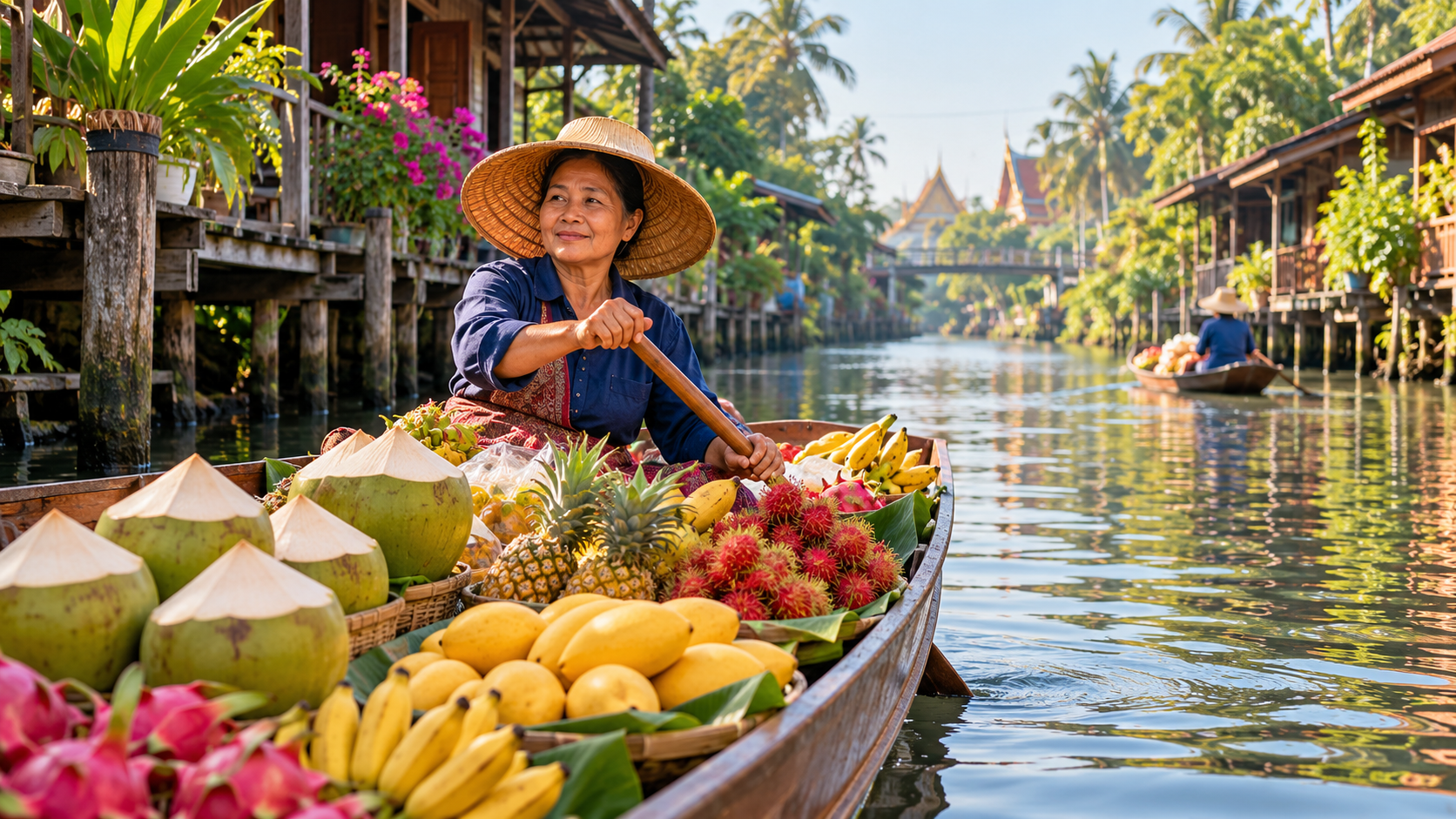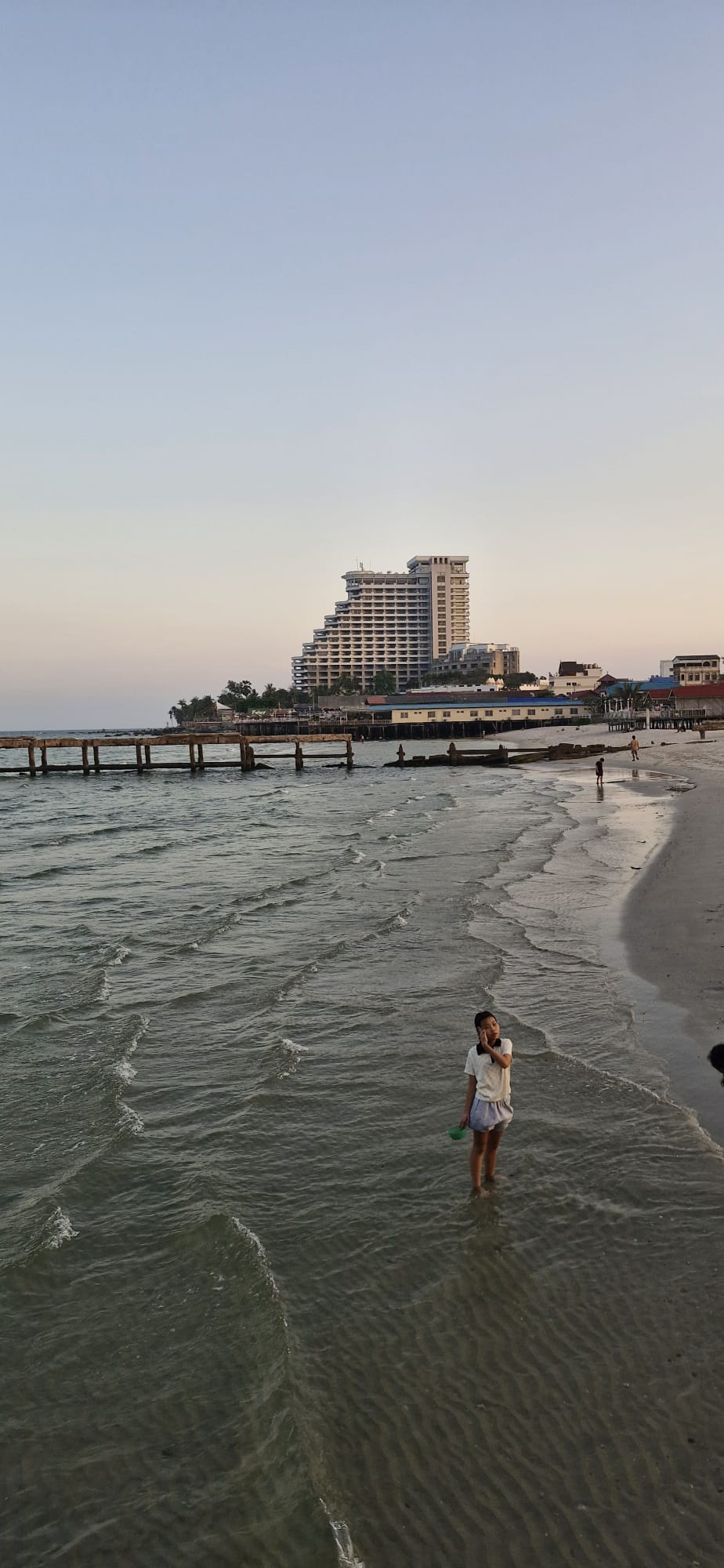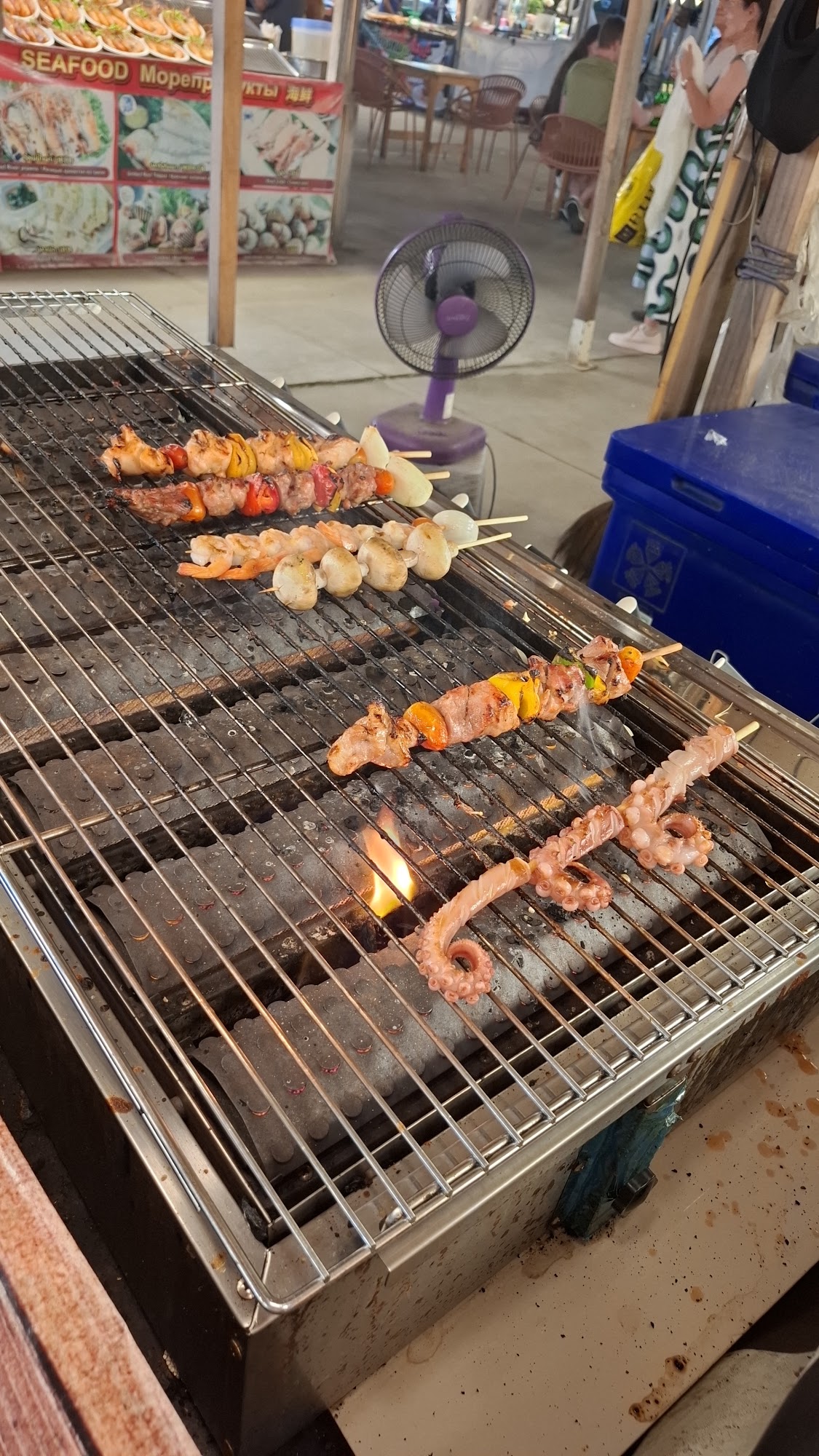
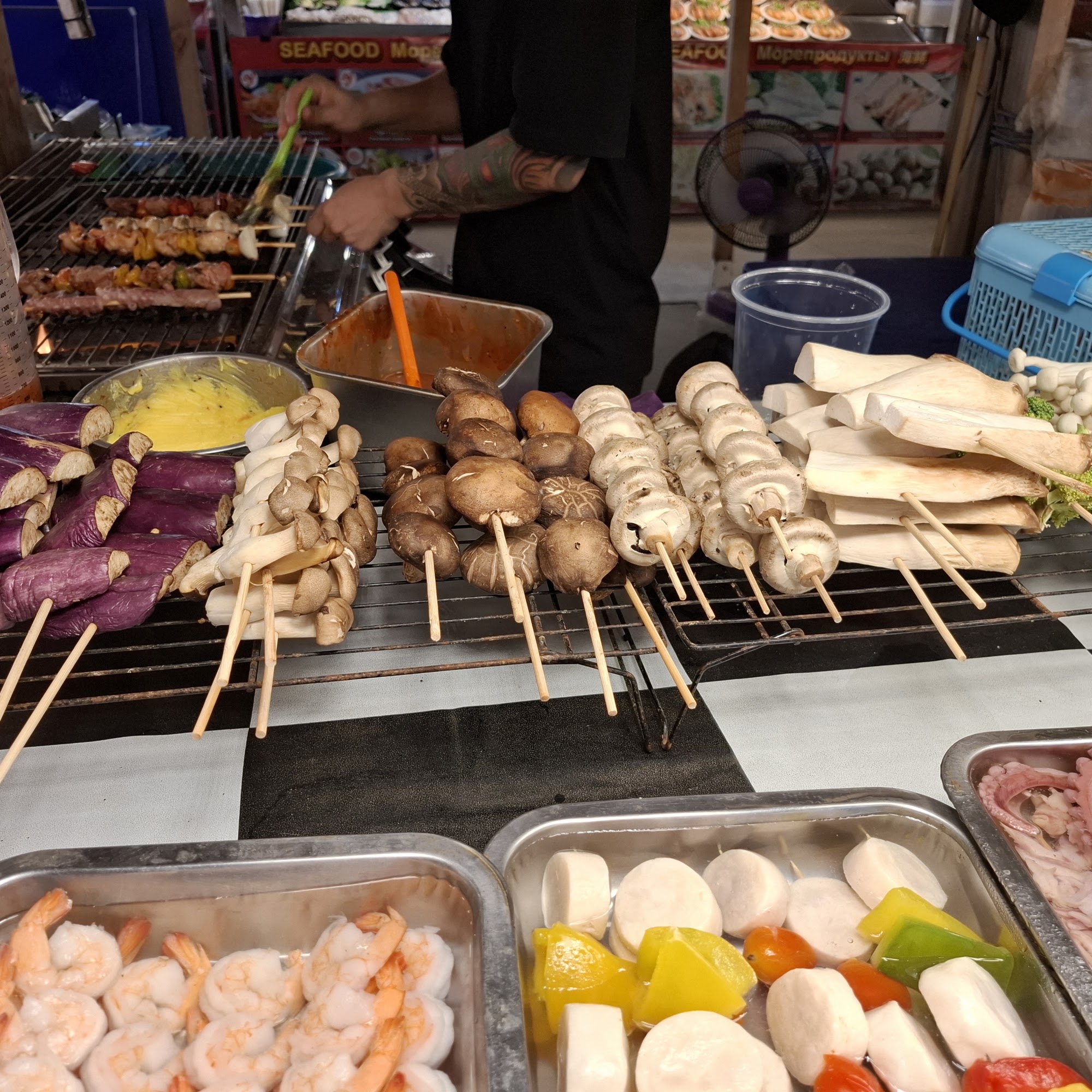
Thailand has a reputation for being cheap, and it is — but not everywhere and not for everything. A trip can cost three times more depending on choices: a hotel instead of a guesthouse, a tourist restaurant instead of a market, a domestic flight instead of a night train.
The three costs
Accommodation, transport and meals concentrate the spending. Acting on these three easily halves a budget. Activities can be almost free: temples, parks, markets and beaches cost nothing or little.
Accommodation
Guesthouses and hostels offer simple rooms at very low prices, especially outside tourist areas. In secondary towns, prices drop further. Book the first nights, then decide on site: negotiating in low season often beats online rates.
Meals
Street food is the best deal in the country: a full dish costs the price of a coffee in Europe. Markets, food courts and local restaurants are cheapest. Avoid tourist-street restaurants and five-language menus.
Transport
Local buses, third-class trains and songthaews are very affordable. Night trains also save a hotel night. Low-cost domestic flights can be cheaper than a bus, if booked ahead and travelling light.
Activities
Temples, parks, markets and beaches are free or nearly. Organised tours, diving and animal parks are the expensive items. Choose one paid activity per stop.
The season
Travelling in low season, May to October, saves on accommodation, often half. The trade-off: showers and sometimes rough seas. High season, November to February, is pricier but more reliable.
Water and drinks
Bottled water is cheap, but the bottle has an ecological cost. A refillable bottle and the growing number of refill stations save money. Alcohol is taxed: it is one of the items that most inflates a bill.
The SIM card
A local SIM costs little and avoids roaming fees. Useful for ride apps and offline maps.
Costly mistakes
Booking everything in advance from abroad, changing money in tourist areas, renting a scooter without a licence and paying the fine, or taking a taxi on arrival instead of the bus. Each represents several days of budget.
Daily budget
A frugal traveller can manage on a modest daily budget, sleeping in guesthouses, eating local and using public transport. Comfort increases with budget, but not proportionally.
Money
ATMs charge fixed fees, often high: withdraw larger sums less often. Cards work in hotels, less on markets. Keep cash for transport and food.
Haggling
Customary in markets and for untariffed rides, but not in shops or restaurants. A smile and a reasonable counter-offer suffice. Do not haggle a street meal: the price is already fair.
FAQ
What daily budget?
Depends on the comfort wanted: a frugal trip costs a fraction of a hotel stay with tours.
Travel without booking?
Yes in low season, no in high season and during festivals.
Are trains comfortable?
Third class is spartan but lively; a sleeper is more comfortable.
Need a bank card?
Useful for withdrawals and hotels, insufficient on markets.
Tipping?
Not compulsory; people sometimes round up.
Also read

To go further
Mr Schaka’s guidebook, Bangkok – The Practical Guide, covers the essentials: transport, neighbourhoods, addresses, food, etiquette and safety, updated for 2026–2027.