Handling money in Thailand is not complicated, but a few habits can save you a fair amount over a trip: flat ATM fees, terminals offering to charge you “in your own currency”, airport exchange counters with poor rates… Mr Schaka covers cards, cash withdrawals, currency exchange, QR payments and tipping, so your budget goes on the trip rather than on commissions.
Money in Thailand: the basics
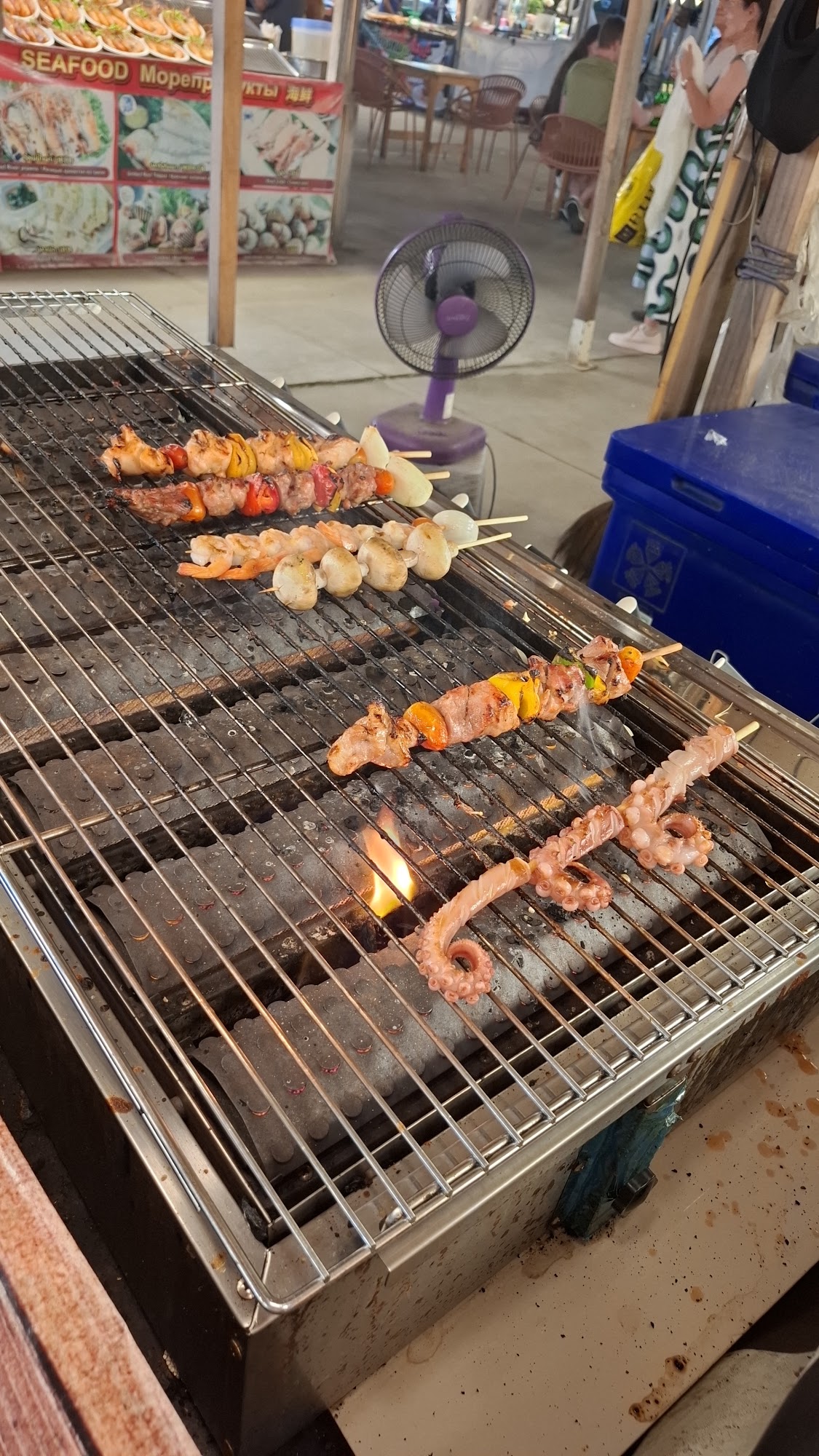
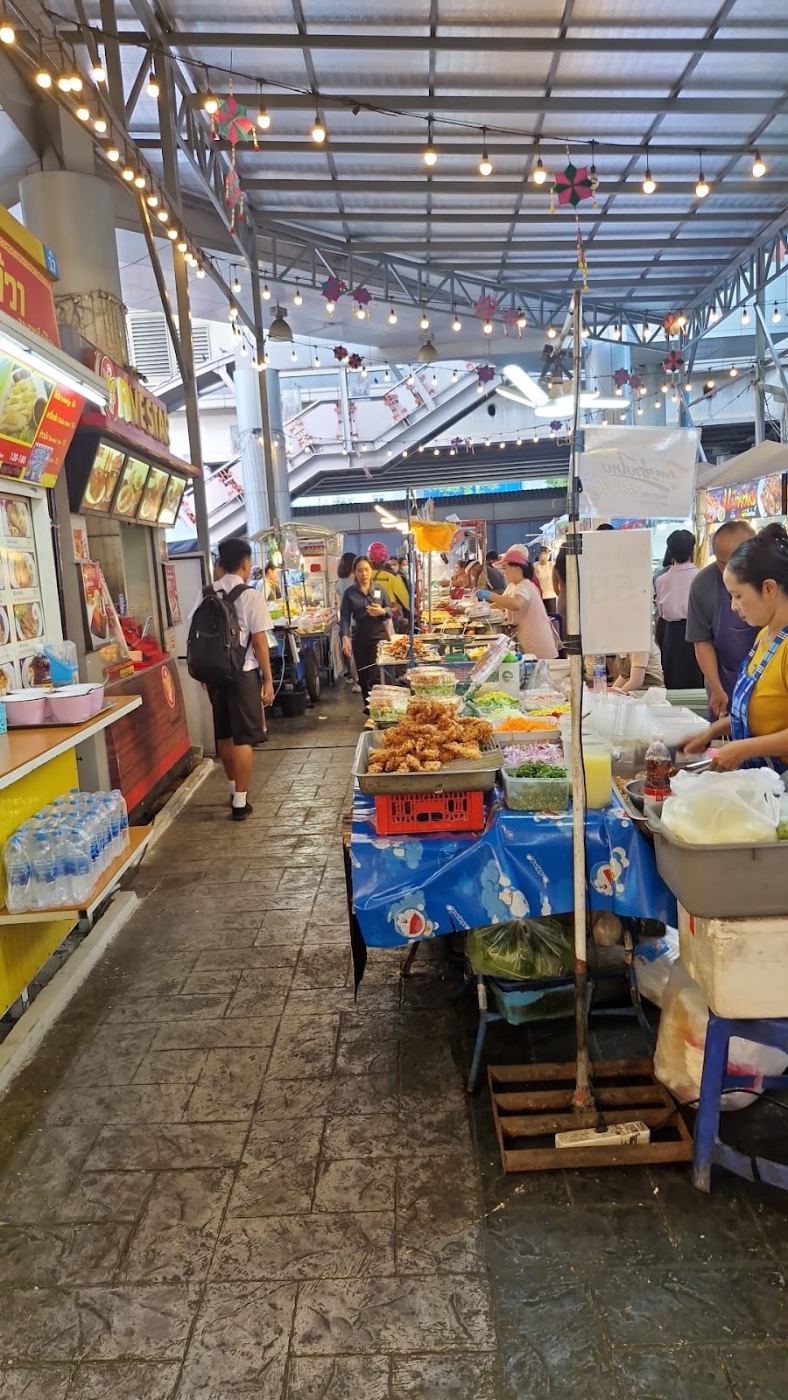
The currency is the Thai baht (THB, symbol ฿). Notes range from 20 to 1,000 baht, coins from 1 to 10 baht. In Bangkok and tourist areas, cards are accepted in shopping malls, hotels, convenience stores and many restaurants. But markets, street food stalls, motorbike taxis, tuk-tuks and many small shops only take cash or the Thai QR code.
The right approach fits in one sentence: a card suited to spending abroad, a few well-grouped withdrawals, some foreign cash to exchange in the right place, and always small notes in your pocket.
ATMs: the flat 220 THB fee
This surprises many travellers. Almost every Thai ATM charges foreign cards a flat fee, on top of whatever your own bank takes. The most common amount is 220 THB per withdrawal (around US$6–7), whatever sum you take out. Some machines, especially at airports, in convenience stores or hotel lobbies, may charge more. A known exception: AEON ATMs, found mainly in hypermarkets (Big C, Lotus’s, Makro), usually charge 150 THB.
The exact fee is always shown on screen before you confirm: read it, and cancel if the figure looks wrong. Since the fee is fixed, it is better to withdraw less often and in larger amounts. The limit per transaction is often around 20,000 to 30,000 THB depending on the Thai bank, and your own bank sets a daily limit too: check it before you leave.
- Use ATMs located at or inside a bank branch, during opening hours, where possible.
- Cover the keypad when entering your PIN.
- Make sure you take your card back before walking away: it is a common slip.
- Avoid withdrawing with a credit card: cash advance fees are often high.
Always decline dynamic currency conversion (DCC)
At ATMs and card terminals, you will sometimes be offered to pay “in your home currency” rather than in baht. This is dynamic currency conversion, or DCC. You see the amount in your own currency straight away, but the rate applied is almost always worse than your bank’s.
The rule is simple: always choose baht (THB). In restaurants or hotels, ask to be charged in baht. If the receipt shows an amount in your home currency with an “exchange rate”, the conversion has been applied.
Good to know: declining DCC does not remove the Thai ATM’s flat fee. It only spares you a second loss, hidden in the exchange rate.
Which card should you bring?
Before you go, check what your bank charges abroad: a percentage on each payment, a fee per withdrawal, or both. Several types of card keep these costs down:
- Neobanks and online banks, some of which charge no commission on foreign-currency payments, sometimes with a monthly allowance of free withdrawals.
- Multi-currency cards, which you top up in advance and which apply a rate close to the market rate.
- Some “travel” credit cards from traditional banks, with no foreign transaction fees.
No card removes the Thai ATM’s 220 THB fee: it is charged locally. Bring at least two cards from different networks (Visa and Mastercard), kept in separate places, and turn on notifications in your banking app. Terms and fees change often: check before you travel.
Currency exchange: SuperRich rather than the airport
Exchanging cash remains a good option in Thailand, as long as you choose the right place. Bank counters in the arrivals hall generally offer clearly worse rates than those in the city. In Bangkok, private exchange offices such as SuperRich (the orange brand) are known for tight rates with no commission. SuperRich also has a counter at Suvarnabhumi Airport, on level B near the Airport Rail Link station: handy for changing a small amount on arrival.
- Your original passport is required for any exchange.
- Large notes (100 USD, 100 EUR) often get a slightly better rate.
- Bring clean notes in good condition: damaged notes may be refused.
- Count your money at the counter before leaving.
To find out how to get into the city once you land, see our guide arriving in Bangkok: from the airport to the city.
Cash, card or QR code?
In practice, you combine all three. Use your card for hotels, malls and larger purchases. Cash remains essential for street food, markets, tuk-tuks and small errands. Keep 20 and 100 baht notes on you: many vendors cannot break a 1,000 baht note.
QR code payment, called PromptPay, is everywhere, even at small stalls. Normally you need a Thai bank account to use it. There are bridges, though: travellers from several Asian countries (including China, Singapore, Malaysia and Indonesia) can scan these codes with certain apps from home, and a few Thai e-wallets and multi-currency cards are gradually opening up to tourists. The options change quickly: check before you travel.
Tipping and how much cash to bring
Tipping is not compulsory in Thailand, but it is appreciated. A few common benchmarks:
- Restaurants: check the bill. If a 10% service charge is already included, nothing more is expected. Otherwise, leaving the change or around 5–10% is appreciated.
- Street food and taxis: rounding up to the next ten baht is enough.
- Massage: around 50 to 100 THB for an hour in a simple parlour.
- Hotel porter: 20 to 50 THB.
As for cash, there is no need to travel with a thick wad. A small reserve in US dollars or euros, to exchange in town, covers the first days and serves as a backup if a card is blocked. Any foreign currency above the equivalent of US$20,000 must be declared to customs, both on arrival and departure. To estimate your spending, see our one-week Bangkok budget.
For safety, split your money between several pockets, leave a backup card at the hotel, and be wary of “great deals” on exchange offered in the street. The most common traps are covered in our article on Bangkok scams.
Mr Schaka’s free app: to find your way around Bangkok, install Thaïlande en poche. It is free, installs directly from the website and brings together the maps and addresses from the guide.
Frequently asked questions
How much does an ATM withdrawal cost in Thailand?
Most Thai ATMs charge foreign cards 220 THB per withdrawal, on top of your bank’s fees. AEON ATMs usually charge 150 THB. The fee is shown on screen before you confirm.
Should I pay in my own currency or in baht?
Always in baht. Paying “in your currency” triggers dynamic currency conversion (DCC), whose rate is almost always unfavourable.
Where should I exchange money in Bangkok?
At private exchange offices in the city, such as SuperRich, rather than at airport bank counters. Remember your passport.
Can tourists pay with PromptPay QR codes?
Not directly without a Thai account, except with certain compatible foreign apps or some e-wallets open to tourists. Cash remains the simplest option for small purchases.
Want to dig deeper?
Exchange, transport, neighbourhoods, addresses: Mr Schaka’s Bangkok – The Practical Guide gathers everything you need to plan your stay and spend wisely in the Thai capital. The English edition is out now as a PDF ebook: buy it here →