Category: Oscar’s Notebook: articles

Liège, its characters and the history behind the detective series.

  • Writing a Reading Journal That Helps You Remember What Matters

    Writing a Reading Journal That Helps You Remember What Matters

    A reading journal does not need to become another task to complete. It can be a small space for the details that would otherwise fade: a sentence that surprised you, a question you want to carry forward, or the reason you chose a particular book.

    #ReadingJournal #Books #Writing #BookNotes #MrSchaka

    After each reading session, write a few lines in your own words. Note the title and author, then capture one idea, one feeling, or one connection to something you have already read. If a passage matters, record its page number and a short quotation rather than copying whole sections.

    Over time, these brief notes become a personal map of your reading life. You may notice recurring interests, discover authors you want to revisit, or remember why a book mattered to you. A notebook, a notes app, or a simple document can all work. Choose the format that is easiest to return to, and let the habit stay light enough to last.

    Book cover

    The book

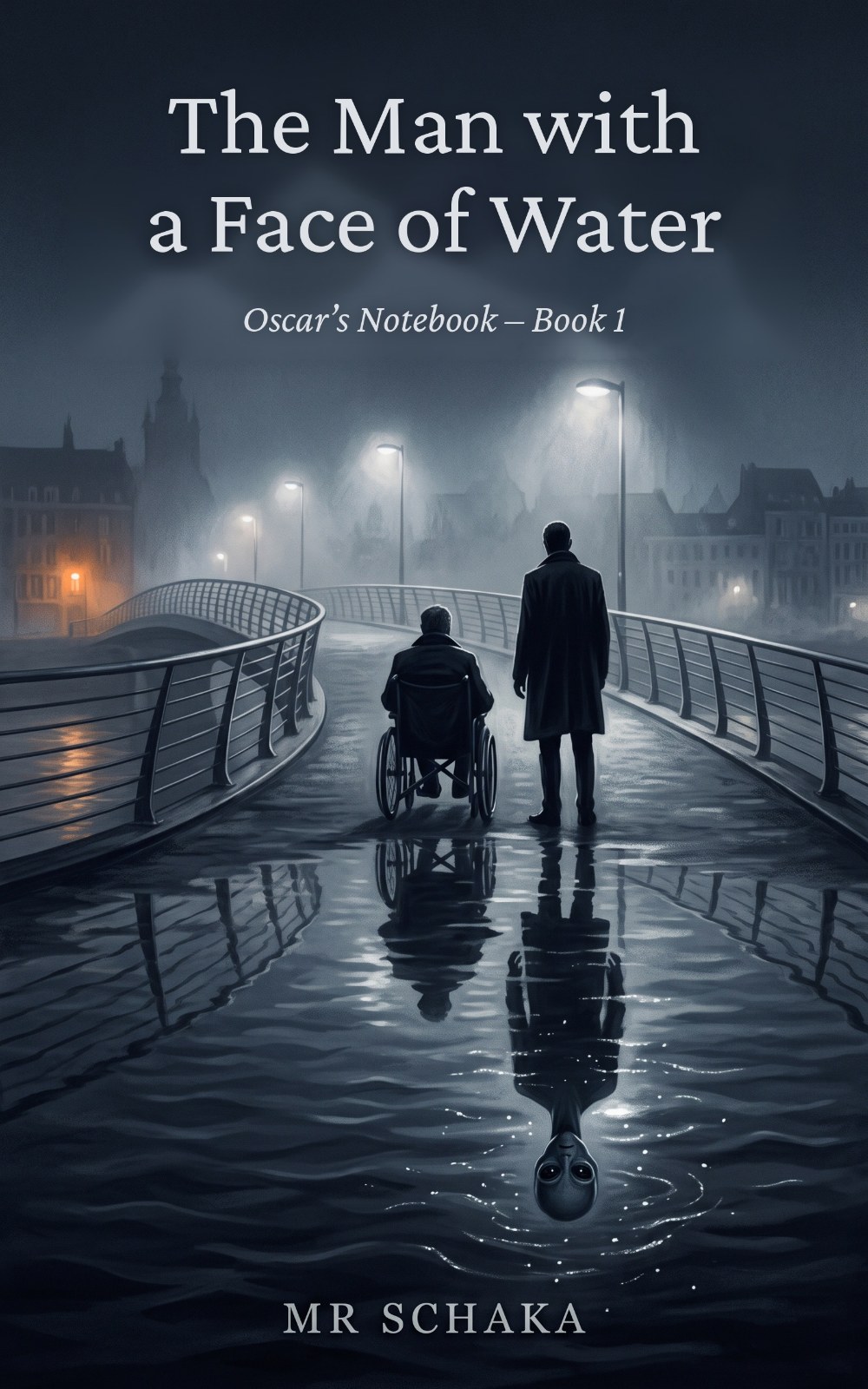
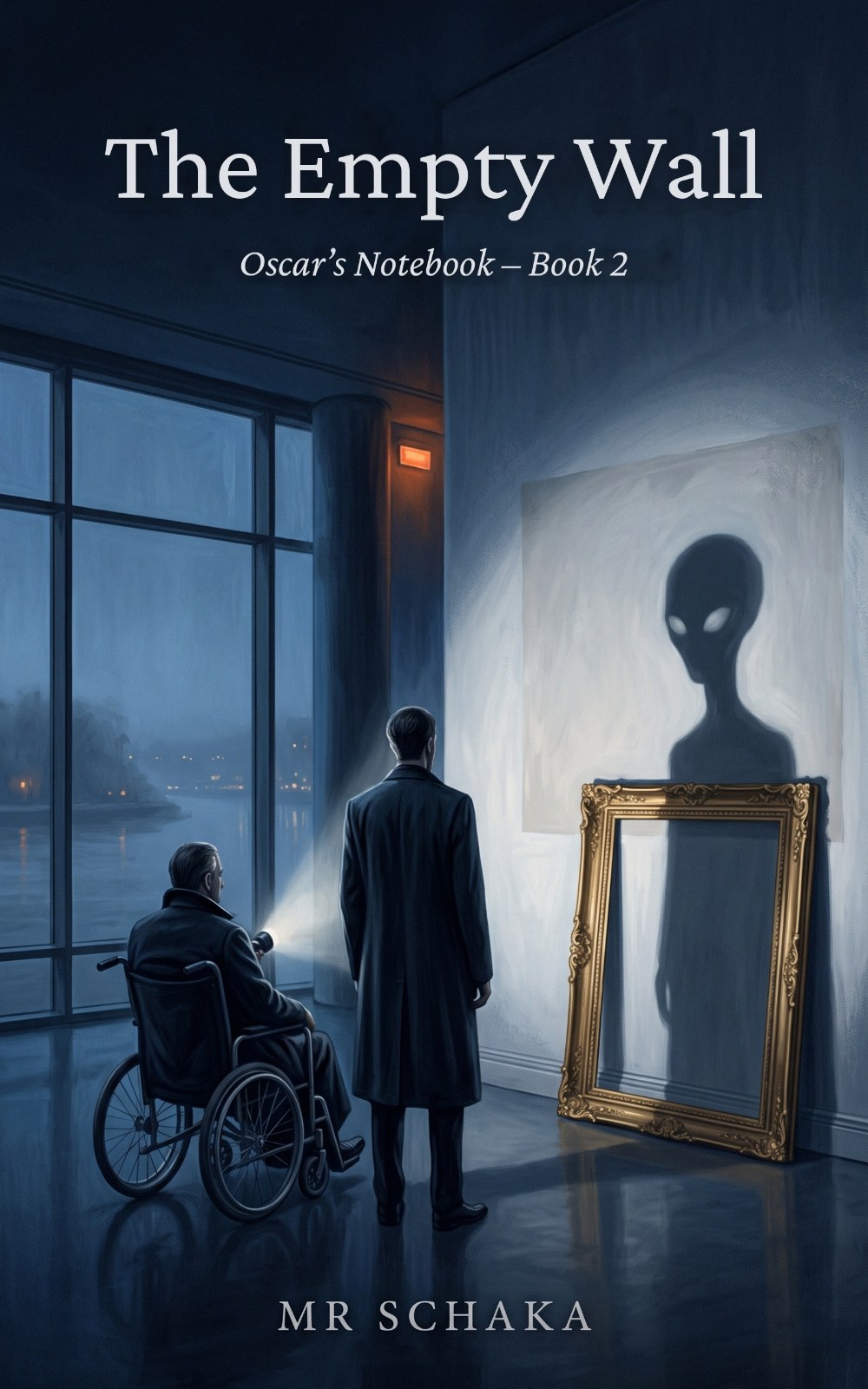
    The Empty Wall is the second book of Oscar’s Notebook, a series of crime novels set in Liège.

  • The Quiet Power of a Reading Ritual: Making Space for Books Every Day

    The Quiet Power of a Reading Ritual: Making Space for Books Every Day

    A reading habit rarely begins with a grand resolution. More often, it grows from a small space protected in an ordinary day: ten pages before bed, a chapter on the train, or a few quiet minutes with coffee. When reading feels approachable, it becomes easier to return to it.

    Build a ritual that fits your real life

    #MrSchaka #Books #Reading #Writing #BookLovers

    Choose a time and place that already belong to your routine. Keep a book within reach, silence notifications and set a modest goal. If you miss a day, simply begin again; consistency comes from returning, not from keeping a perfect streak. A short session can be enough to reconnect with a story.

    Let curiosity guide your next choice. Alternate a familiar author with a new voice, or move between fiction and essays. A library visit or a note from a friend can offer a welcome change when your current book no longer holds your attention. Reading is not a race through a list; it is a conversation with ideas and people you might never meet otherwise.

    After a chapter, jot down one sentence that stayed with you. That tiny note can help you remember what moved or surprised you, and it may become the seed of your own writing. What small reading moment could you make room for this week?

    Book cover

    The book

    The Empty Wall is the second book of Oscar’s Notebook, a series of crime novels set in Liège.
  • Foire d’octobre Liège 2026: dates, hours and practical tips

    Foire d’octobre Liège 2026: dates, hours and practical tips

    Every autumn, Liège changes pace. Boulevard d’Avroy fills with neon, the smell of hot sugar drifts towards the river, and the Foire d’octobre Liège, the city’s October fair, takes over for more than a month. Here is what you need for 2026: dates, opening hours, food, getting there and tips from the ground.

    October Fair 2026: dates and opening hours

    In 2026, the Liège Fair opened on Saturday 3 October and runs until Wednesday 11 November, a public holiday in Belgium. That is what the Pays de Liège tourist office and the Belgian press announce. More than five weeks of rides, along a route of about two kilometres on Boulevard d’Avroy, right in the city centre.

    The press mentions around 175 rides and stalls. Below are the usual hours published for the previous edition; check them on the City of Liège website before you go.

    • opens at 3.30pm on Mondays, Tuesdays, Thursdays and Fridays;
    • opens at 2pm on Wednesdays, Saturdays, Sundays and public holidays;
    • closes around 12.30am on weekdays, around 1.30am on Fridays, Saturdays and the eve of public holidays;
    • food stalls open from 11.30am.

    Each year the fair also has one or two reduced-price days on the rides. 11 November has been one of them in recent years, but the 2026 dates need to be confirmed on site. One more thing: in strong winds the rides can close for the day, as happened several times in 2025.

    A tradition dating back to 1594

    The Liège Fair is often described as the biggest and oldest in Belgium. Its official birth certificate dates from 1594, under Prince-Bishop Ernest of Bavaria. Originally it lasted two weeks from 28 October, in honour of Saints Simon and Jude.

    It first lived by the Meuse, near La Batte, before moving to Boulevard d’Avroy in 1854. It has been held in October since 1871. Each edition opens with Tchantchès and Nanesse, the figures of Liège folklore, who kick things off with a procession.

    What to eat: croustillons and lacquemants

    You come for the rides, you stay for the sugar. Two specialities rule.

    • Croustillons: small balls of fried dough, served hot in a paper cone and generously dusted with sugar. You share them, you burn your fingers, you order more.
    • Lacquemants: thin wafers filled with sugar and drizzled with orange-blossom syrup. They are the true sweet symbol of the autumn fair.

    Expect to pay a few euros per portion. Prices vary from stall to stall, so compare before you choose. As for drinks, a hot chocolate or a coffee does the job nicely when the wind turns cold.

    #CrimeFiction #Liege #FoireDOctobre #MrSchaka

    #CrimeFiction #Liege #Mystery #MrSchaka

    Getting there: train, tram, bus and on foot

    The simplest advice: leave the car. From Liège-Guillemins station, allow about ten minutes on foot to Boulevard d’Avroy.

    • Tram: line T1, running since 2025, stops near the fair, including at Blonden, Charlemagne and Pont d’Avroy.
    • Bus: many TEC lines cross the centre. Check the time of the last service if you are heading home late.
    • Car: parking around the boulevard is hard during the fair. The Sclessin and Bressoux park-and-ride sites, combined with the tram or bus, are far less stressful (around 1.50 euros a day plus a TEC ticket, price noted for the previous edition).
    • On foot: from the Carré the boulevard is very close; from Place Saint-Lambert, allow about ten minutes’ walk.

    The fair in the autumn rain

    You have to see the fair on a drizzly evening. The neon lights reflect on the wet tarmac, the music from the rides mixes with the hiss of tyres on the boulevard, and hooded figures slip between the stalls. Liège in October has something of a crime-novel scene about it: yellow light, low sky, the smell of frying and fallen leaves.

    Nothing to worry about, though. It is a popular, family event, where you meet grandparents who have come all their lives and teenagers queuing for the big thrills. Bring a waterproof jacket and good shoes.

    Mr Schaka’s practical tips

    • With children: come on Wednesday afternoon or at the weekend right at opening, around 2pm. It is less crowded and the children’s rides are already running.
    • Ride budget: set a budget before you leave. Prices vary by ride, the big machines cost much more than the small merry-go-rounds.
    • Crowds: Friday and Saturday evenings are the busiest. The press talks of around a million visitors over the whole fair.
    • Safety: keep your bag and phone in front of you in the crowd. Agree on a visible meeting point with the children and slip your phone number into their pocket.
    • Weather: in high winds the rides may close. Check local news before setting off.
    • Make a weekend of it: the fair goes very well with a stroll around the centre. My guide to things to do in Liège in a weekend will give you ideas.

    Frequently asked questions

    When is the Liège October Fair in 2026?

    From Saturday 3 October to Wednesday 11 November 2026, on Boulevard d’Avroy, according to the Pays de Liège tourist office.

    Do you have to pay to enter the fair?

    No. You walk freely along the boulevard. You only pay for the rides and what you eat.

    What is the best way to get there?

    The train to Liège-Guillemins, then about ten minutes on foot or the T1 tram. If you drive, use the Sclessin or Bressoux park-and-ride sites.

    Book cover

    The book

    The Empty Wall is the second book of Oscar’s Notebook, a series of crime novels set in Liège.
  • From Bangkok to Liège: How Different Places Shape a Story

    From Bangkok to Liège: How Different Places Shape a Story

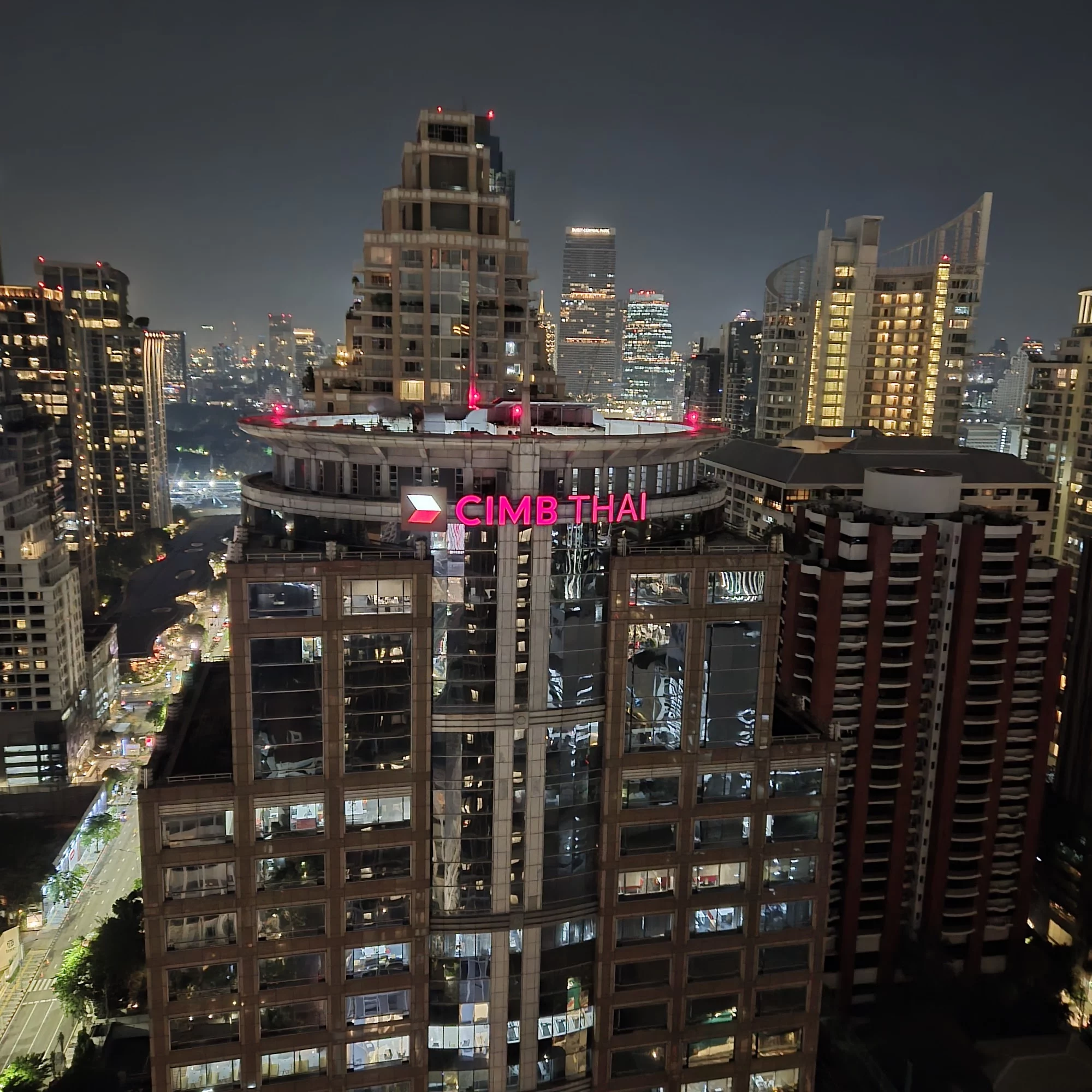
    Bangkok and Liège have different rhythms, histories and everyday routines. Putting them side by side is not about deciding which city is better. It is about noticing how a place shapes our attention, our habits and the stories we tell ourselves.

    Familiar places carry hidden details

    When we know a city well, we can stop noticing it. A familiar street becomes part of the routine, and its small changes may go unseen. Looking at a place with a writer’s curiosity can make the ordinary feel new again: a sound, a face, a building or a route can suddenly suggest a story.

    Unfamiliar places invite questions

    In a city we are still discovering, we tend to observe more carefully. We ask how things work, notice different patterns and become more aware of our own assumptions. The key is to remain curious without pretending to understand everything immediately.

    Place can reveal identity

    A character’s relationship with a city can show whether they feel at home, out of place, nostalgic or ready for change. Someone may carry a hometown with them even when living elsewhere. Another person may discover a new side of themselves while travelling. These feelings can create emotional depth in a story.

    Let places be specific

    Instead of describing a city with broad labels, writers can focus on a few precise details and the way characters respond to them. This avoids turning real places into stereotypes and gives readers a more personal, believable experience.

    Moving between different places can remind us that there is more than one way to live, work, connect and belong. For a writer, that is a rich starting point. Whether the setting is Liège, Bangkok or somewhere entirely different, the most important question may be: what does this place change in the person who experiences it?

    Enjoyed this article? Share your thoughts in the comments and share it with a fellow reader or traveller.

    Book cover

    The book

    The Empty Wall is the second book of Oscar’s Notebook, a series of crime novels set in Liège.

  • The Art of the Crime Novel: Surprises and Red Herrings

    The Art of the Crime Novel: Surprises and Red Herrings

    When I read or write a crime novel, I love the moment when a detail seems harmless, then suddenly takes on a completely different meaning. The reader thinks they have understood the case, imagines an explanation… and discovers that a piece of the puzzle is still missing.

    But one question interests me: should a good crime novel mainly surprise its reader, or can it also mislead them with red herrings?

    The pleasure of searching for the truth

    A good investigation makes you want to take part. We watch the characters, remember certain details and try to understand what really happened. The reader almost becomes a detective in turn.

    The clues must be visible enough for us to look back at them, but not always obvious enough to reveal the solution straight away. It is a delicate balance between offering leads and keeping the mystery.

    Red herrings: fair play or a trap?

    Red herrings are part of the pleasure of a crime novel. They can lead us towards the wrong theory, make us doubt a character or give an event a different meaning.

    In my opinion, they are more satisfying when, after the reveal, we can understand why we were wrong. An unexpected solution is enjoyable; a solution that seems to come out of nowhere can leave the reader disappointed.

    Characters who keep some of their mystery

    In my series Le carnet d’Oscar, Victor Lenoir and Oscar Blanc move through a world of investigations rooted in Liège. Victor is a former inspector in a wheelchair, while Oscar keeps a secret that feeds curiosity.

    For me, mystery is not only about the crime. The characters’ motives, past and reactions can also make you want to keep turning the pages.

    Should the reader be able to guess the ending?

    Some readers like to solve the case before the detective. Others prefer to let themselves be carried along until the final reveal. A good novel can satisfy both: the solution is a surprise, but the clues make sense once the story is over.

    That is also what makes discussions about a crime novel so interesting. Two readers may have noticed different details and defend opposing theories.

    Your turn to investigate

    I would like to know what you think: do you prefer crime novels where you can guess the culprit, or ones that completely surprise you on the last page?

    If you enjoy Belgian crime fiction and investigations with unusual characters, discover the books by Mr Schaka and the series Le carnet d’Oscar on mrschaka.com.

    And above all, do not reveal the culprit in the comments if you are talking about a specific book: let’s keep the joy of discovery for other readers!

    Your turn: share your preference and discover Mr Schaka’s crime novels.

    Book cover

    The book

    The Empty Wall is the second book of Oscar’s Notebook, a series of crime novels set in Liège.
  • Why I chose Liège as the setting for my crime novels

    Why I chose Liège as the setting for my crime novels

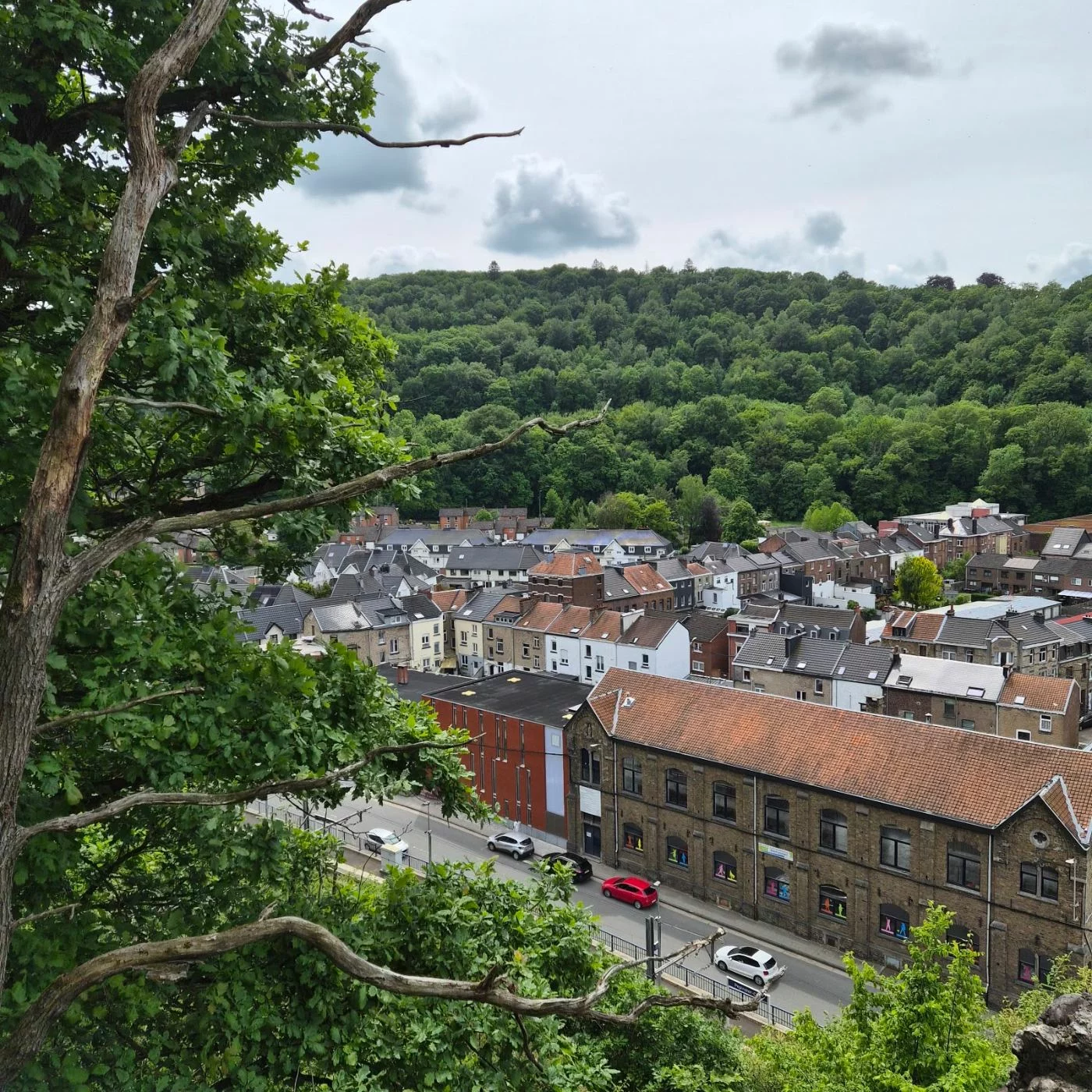
    A crime novel needs a plot, characters and a mystery to solve. But it also needs a setting that can play a part in the story. For me, Liège has this special quality: a city with character, with its neighbourhoods, its contrasts and its history.

    This is the world where I placed Le carnet d’Oscar, my series of crime investigations featuring Victor Lenoir, a former inspector in a wheelchair, and Oscar Blanc, his mysterious sidekick.

    Liège, much more than a simple setting

    I do not just see a row of streets or monuments. I think of a city that can be warm, noisy, surprising or mysterious, depending on the place and the moment.

    In a crime novel, a familiar street can take on a new dimension when a character finds a clue there. An ordinary place can become the centre of an investigation because an unexpected event turns daily life upside down. The setting must be lively enough for readers to want to walk through it, while wondering what might be hidden there.

    Victor Lenoir: a detective unlike the others

    Victor Lenoir is a former inspector in a wheelchair. This choice is part of his identity and of the way he approaches his cases. A case can move forward thanks to observation, logic, memory and the ability to notice a detail that others have missed.

    The wheelchair is part of his reality, but it does not sum up who he is. Victor remains a character with a past, a way of seeing the world and cases to solve.

    Oscar Blanc, a sidekick who keeps the mystery alive

    Next to Victor Lenoir, there is Oscar Blanc. He has a secret: he is not from here. Not at all. This unusual trait brings questions, unexpected situations and a relationship that goes beyond the usual mechanics of an investigation.

    In a crime novel, the mystery is not only about the crime. It can also touch the characters’ motives, their past and the reasons why they behave in a certain way. The duo formed by Victor and Oscar is the heart of Le carnet d’Oscar.

    Four investigations to discover Le carnet d’Oscar

    1. L’Homme au visage d’eau

    The first book opens the door to the series and introduces its crime world. It is a natural starting point to meet Victor Lenoir, Oscar Blanc and the atmosphere of the Liège investigations.

    2. Le Mur vide

    With this second title, the series continues to explore mystery and investigation. Each story is a new chance to return to the world of Le carnet d’Oscar.

    3. Les Eaux de la Vesdre

    This third book extends the series and its roots in the Liège world. The title brings to mind a familiar landscape of the region, which naturally lends itself to the imagination of a crime story.

    4. Le Silence des Fagnes

    The fourth title completes this series of four investigations. For readers who like to meet recurring characters again, it is a chance to keep exploring the world built around Victor and Oscar.

    You can start with the title that appeals to you most, even if reading the series in publication order remains a good way to get to know the characters.

    What I love about crime fiction

    A crime novel gives readers an immediate reason to turn the pages. A question appears, a detail does not seem to fit, a character seems to be hiding something. Readers then start to build their own theories.

    But what interests me is not limited to the final reveal. I like to build an atmosphere, let the characters grow and slip moments of humour into situations that could otherwise become too dark.

    A Belgian author between Liège and Bangkok

    My world is not limited to crime investigations. I spend part of my year between Liège and Bangkok, and this double experience feeds my novels, my travel stories, my practical guides and my stories for children.

    These worlds have one thing in common: the wish to tell stories. Each book means choosing a point of view, creating a rhythm and giving readers a reason to keep reading.

    Where to discover the books of Le carnet d’Oscar?

    If you enjoy Belgian crime novels, investigations rooted in a recognisable setting and characters who break the usual mould, I invite you to discover Le carnet d’Oscar.

    You will find information about the books and the available purchase links on mrschaka.com. If you have already read one of the investigations, I would love to hear your opinion: which character stayed with you, and what kind of investigation would you like to read next?

    A book begins with its author, but it lives on through the people who read it.

    Book cover

    The book

    The Empty Wall is the second book of Oscar’s Notebook, a series of crime novels set in Liège.
  • La Boverie Liège: fine arts museum, hours, prices and access

    La Boverie Liège: fine arts museum, hours, prices and access

    La Boverie in Liège is the city’s fine arts museum, set in a park between the Meuse and the Dérivation canal. A 1905 palace, a glass wing, a Monet, a Picasso, a Gauguin, and a footbridge that takes you there from the station. Here is what you need to know before you go.

    A 1905 palace with a glass wing

    The main building was built for the 1905 Liège World’s Fair by the architects Jean-Laurent Hasse and Charles Soubre. Neoclassical style, a central rotunda under a dome: it takes its inspiration from the Petit Trianon at Versailles.

    After the fair, the palace stayed with the city. It housed the Museum of Walloon Art, then the Museum of Modern Art from 1950 to 2011. Then came the big project: Rudy Ricciotti and the firm p.HD added an extension of about 1,200 m² in glass and concrete, facing the Dérivation. The museum reopened as La Boverie in May 2016, so it celebrates its 10th birthday this year.

    What I like: the extension does not overwhelm the old building. Inside, light pours in and you can see the water.

    The collections: from Lambert Lombard to Picasso

    Liège’s fine arts collection covers five centuries, from the 16th century to today. You will meet Liège masters such as Lambert Lombard, Gérard de Lairesse and Auguste Donnay, alongside big international names.

    Works not to miss

    • Ingres, Napoleon as First Consul (1803), an official portrait given to the City of Liège in 1804.
    • Claude Monet, The Commercial Dock, Le Havre (1874).
    • Constantin Meunier, Casting at Seraing (around 1880), a tribute to the steelworkers.
    • James Ensor, Death and the Masks (1897).
    • Paul Delvaux, The Entombment (1953).

    The most surprising story dates from 30 June 1939. That day in Lucerne, the Nazis auctioned works removed from German museums as “degenerate art”. Liège bought nine of them, including Picasso’s The Soler Family, Gauguin’s The Sorcerer of Hiva Oa and Chagall’s The Blue House. They are part of the collection today.

    A tip: the hang changes from time to time, especially during major exhibitions. If you are coming for one particular work, check first that it is on display.

    Temporary exhibitions

    La Boverie also hosts major temporary exhibitions. They cost extra on top of the collections and draw crowds at weekends.

    For its 10th birthday, the museum is showing “L’Impressionnisme, une histoire belge” (Impressionism, a Belgian story), from 9 October 2026 until the end of March 2027. Around 150 works from some twenty Belgian museums: Ensor, Van Rysselberghe, Émile Claus, but also Monet, Renoir, Pissarro and Sisley. Check the ticket price on the museum’s website.

    Boverie Park and La Belle Liégeoise footbridge

    The museum stands on a peninsula between the Meuse and the Dérivation. The park around it is a real place for a stroll, with tall trees and lawns. Right next door stands Nicolas Schöffer’s Cybernetic Tower.

    From Guillemins station, take La Belle Liégeoise footbridge. Opened in 2016 and 294 metres long, it crosses the Meuse and links the station district to the park. The museum is about 700 metres from the station: around ten minutes on foot.

    #CrimeFiction #Liege #Mystery #MrSchaka

    Opening hours, prices and access

    • Open Tuesday to Sunday, 10am to 6pm. Ticket desks close at 5.30pm.
    • Closed on Mondays (except for special openings during some school holidays), and on 1 January, 1 May and 25 December.
    • Permanent collections: €5 per adult, €3 for seniors (prices checked in 2026).
    • Free for under-26s, and for everyone on the first Sunday of the month.
    • Address: Parc de la Boverie 3, 4020 Liège.

    By bus, several TEC lines run near the park, and many lines serve Guillemins station. The Médiacité car park is about 200 metres away, but it may be closed on Sundays: check before you go. The easiest option is still the train, then the footbridge.

    How long to allow and what to do nearby

    Allow about 1 hour 30 minutes for the permanent collections. With a major exhibition as well, plan for half a day.

    There are several options nearby. Médiacité, the neighbouring shopping centre designed by Ron Arad, is handy if it rains or for a bite to eat. The Meuse embankments are pleasant for a walk towards the city centre. And if you arrive by train, take time to look at Calatrava’s Guillemins station. To plan your whole stay, see also things to do in Liège over a weekend.

    Mr Schaka’s practical tips

    • Come on the first Sunday of the month for free entry, but expect more people.
    • Book major exhibitions online, especially for weekends.
    • It is closed on Mondays: aim for Tuesday to Sunday.
    • Do the full loop on foot: station, footbridge, park, museum, then back along the embankments.
    • Bring a jacket: between the two waterways, the park can get windy.

    Frequently asked questions

    Is La Boverie free?

    The permanent collections are free for under-26s and for everyone on the first Sunday of the month. Otherwise, it costs €5 per adult. Temporary exhibitions are charged separately.

    How do I get to La Boverie from Guillemins station?

    On foot, over La Belle Liégeoise footbridge. It is about 700 metres, roughly ten minutes.

    When is La Boverie closed?

    On Mondays, except for special openings, and on 1 January, 1 May and 25 December.

    Book cover

    The book

    In The Empty Wall, the second book of Oscar’s Notebook, Liège’s Picasso has vanished from La Boverie.

  • Prince-Bishops’ Palace Liège: courtyards, tours and Archéoforum

    Prince-Bishops’ Palace Liège: courtyards, tours and Archéoforum

    In the heart of Liège, the Prince-Bishops’ Palace has watched over Place Saint-Lambert for centuries. Many people walk past without stopping. That is a shame: its first courtyard, free and open to all, is one of the finest Renaissance settings in Belgium.

    A thousand years of history on one square

    For nearly eight centuries, Liège was the capital of an ecclesiastical principality. Its ruler was both prince and bishop. Around the year 1000, Prince-Bishop Notger built a first residence on this spot. Fires and wars damaged it several times, notably in 1185 and 1505.

    The palace you see today owes much to Érard de La Marck. From 1526, he entrusted the rebuilding to the architect Arnold van Mulken. After another fire in 1734, the main façade was redone in a more classical style. Between 1849 and 1852, a neo-Gothic wing was added on the west side to house the provincial government.

    The palace is not a frozen museum. It still houses the law courts and the offices of the Province of Liège. You will pass lawyers in gowns and busy staff. That is what keeps it alive.

    The first courtyard and its carved columns

    Walk in through the porch on Place Saint-Lambert. You come out into the large courtyard, lined with arcaded galleries. They rest on around sixty columns. Take a close look: the shafts and capitals are all different.

    The sculptors carved grimacing faces, grotesque masks and fantastic creatures. Some make you smile, others are a little scary. Children love hunting for the strangest head. Allow half an hour to walk round without rushing.

    This first courtyard is open to the public all year round, during the building’s opening hours. The other, more private courtyards and the interior rooms can only be seen with a guide.

    Guided tours: who, when and how

    The rooms in the provincial wing can be visited on guided tours run by the Province of Liège. According to available information, they usually take place on the first Sunday of the month, booking required, and last about an hour. They are advertised as free. Groups can also book on certain weekdays, subject to availability.

    The palace also opens its doors during the Heritage Days in September. Dates and time slots change, so always check the current programme on the Province’s website before you go.

    Another option: the Liège Tourist Office (Maison du Tourisme du Pays de Liège) runs a two-hour guided walk through the historic centre that passes the palace. In 2026, it runs from April to the end of October at 2 pm, for about €10 online or €12 on the spot (prices checked in 2026). It is in French; an English tour can be requested by booking ahead.

    #CrimeFiction #Liege #Mystery #MrSchaka

    The Archéoforum, beneath your feet

    Place Saint-Lambert hides a secret. This is where Saint Lambert’s Cathedral once stood, one of the largest in Europe. It was demolished after the Liège Revolution, at the end of the 18th century. Its foundations are still there, under the paving stones of the square.

    The Archéoforum lets you see them. Across about 3,700 m², you travel back in time from prehistory to the Middle Ages, past a Roman villa and the remains of the cathedral. Interactive tablets help you understand what you are looking at.

    The site is normally open Tuesday to Saturday, 10 am to 5 pm. Adult entry costs about €8 (prices checked in 2026), and it is free on the first Sunday of the month in the afternoon. It closes on some public holidays, so check before you go.

    The Perron and Place du Marché, a short walk away

    Leave the palace and walk two minutes east. You reach Place du Marché. In the middle stands the Perron, a column topped with a pine cone, the symbol of Liège’s freedoms. Locals still use it as a meeting point.

    The square is lined with old houses and the town hall, nicknamed “La Violette”. The café terraces are pleasant as soon as the sun comes out. To carry on walking, the Montagne de Bueren and its 374 steps is only a few minutes away on foot.

    Mr Schaka’s practical tips

    • Getting there: Liège-Saint-Lambert station is right next door. From Guillemins, allow about 30 minutes on foot, or take the tram or a bus to the centre.
    • Opening times: the first courtyard is open during the day, especially on weekdays. On Sundays, access may be more limited.
    • Be respectful: this is a working courthouse. Keep your voice down and do not photograph people attending hearings.
    • Light: in late morning, the sun lights up the capitals best. Remember to look up.
    • Combine: the palace, the Archéoforum, the Perron and Place du Marché easily fit into half a day.
    • Weekend: to plan the rest of your stay, see our ideas for things to do in Liège over a weekend.

    Frequently asked questions

    Is it free to visit the Prince-Bishops’ Palace?

    Yes for the first courtyard, which is open to all. The Province’s guided tours are advertised as free, but you must book.

    How much time should I allow?

    Half an hour for the courtyard, about an hour for a guided tour, and another hour for the Archéoforum.

    Can I visit with children?

    Yes. The carved columns amuse younger visitors, and the Archéoforum is free for under-6s.

    Book cover

    The book

    Liège is the setting for Oscar’s Notebook, Mr Schaka’s crime series: follow Victor Lenoir and Oscar through the streets of the city.

  • High Fens from Liège: Botrange, Boardwalks and Walks Guide

    High Fens from Liège: Botrange, Boardwalks and Walks Guide

    The High Fens from Liège is the easiest nature day out there is: less than an hour’s drive and you are on the roof of Belgium. Peat bogs, boardwalks, wind and big skies. Here is how to plan a good day, taking into account the closures after the fire in summer 2026.

    Botrange, the Park Centre and the boardwalks

    The Signal de Botrange stands at 694 metres: the highest point in Belgium. You are on a wide plateau and the road climbs all the way to the car park. Behind the restaurant, a small mound with a staircase lets you reach a symbolic 700 metres.

    Close by, the Maison du Parc Botrange (rue de Botrange 131, 4950 Waimes) welcomes visitors to the Hautes Fagnes-Eifel Nature Park: the FANIA exhibition, trail information, guided walks and e-bike hire. It is open on weekdays from 9am to 5pm, and at weekends and on public holidays from 10am to 5pm (closed on 24, 25, 26 and 31 December and 1 January).

    The fens are peat bogs: waterlogged, very fragile ground. You cross them on boardwalks, wooden walkways laid over the mud. Some take a pram with large wheels or a wheelchair; others only let one walker through at a time. Stay on the marked paths and keep dogs on a lead. Fires, wild camping, picking plants and drones are banned in the reserve.

    Closed areas: the red flag and the 2026 fire

    The reserve has areas open on marked paths, areas you can only enter with an approved guide, and areas closed to the public. When the vegetation is too dry, the Nature and Forest Department raises the red flag at the entrance to some areas: no entry, because of the fire risk. Offenders risk a fine (150 euros during previous closures). A green flag means normal access.

    In 2026, a major fire broke out on 14 August and destroyed more than 3,300 hectares, mainly in the municipalities of Baelen, Jalhay and Waimes. As of mid-October 2026, the burnt area and several nearby woods remain closed. Roads, official car parks, the Park Centre and the restaurants have reopened. Several fens that escaped the fire are open again, including the Fagne de la Poleur, the Fagne de Setai and the Brackvenn. In autumn, hunting days also close some woods on certain dates.

    Getting there from Liège

    By car

    This is the easiest option: about 55 km and 45 minutes to an hour’s drive. On the motorway, take the Eupen or Malmedy exit, then follow the “Hautes Fagnes” signs. Only park in the official car parks (Maison du Parc, Signal de Botrange, Mont Rigi, Baraque Michel). Roadside parking is often banned because it gets in the way of emergency services.

    By train and bus

    Take the train from Liège-Guillemins to Verviers-Central (about 20 to 30 minutes, frequent trains). Then TEC bus 390 (Verviers – Rocherath) drops you at the “BOTRANGE Centre Nature” stop in roughly 30 to 45 minutes, but it only runs a few times a day. Another option: the train to Eupen, then bus 394 or E23. Check the return times on the TEC website before you go: missing the last bus up there is no fun.

    #CrimeFiction #Liege #Mystery #MrSchaka

    Walk ideas

    All these loops are waymarked. Check that they are open before you go.

    • At the top of Belgium (about 5.4 km, starting at Botrange): easy, suitable for prams and wheelchairs.
    • Through the Botrange Fens (about 6.4 km): starts at the Park Centre or the Signal.
    • The Poleur Fen (5 to 9 km depending on the loop): starts at Baraque Michel, Mont Rigi or Botrange; beautiful and easy.
    • The Mont Rigi Walk (about 7.2 km): starts at Mont Rigi or Baraque Michel.
    • The Bayehon Waterfall: starts at Longfaye, on the Malmedy side, more wooded.

    To enter the areas reserved for guided visits, the Park Centre runs accompanied walks.

    Combine it with Spa or Malmedy

    Spa is about 25 minutes away by car: a pleasant centre, the Parc de Sept Heures and tea rooms. Malmedy is even closer, about a quarter of an hour away: an old town centre, a cathedral and walks along the Warche. A typical day: leave Liège around 9am, walk in the morning, picnic on the plateau, then head down to Spa or Malmedy in the afternoon. By train and bus, it is better to focus on the Fens.

    Mr Schaka’s practical tips

    • Check access the same morning: the red flag, the burnt area and hunting can all close paths.
    • Bring an extra layer: on the plateau it is often cooler than in Liège and the weather changes fast.
    • Wear proper walking shoes: even with the boardwalks, the paths are often wet.
    • Take water and a snack: there are few places to eat away from the main car parks.
    • In winter, wind, snow and ice are common on the plateau: drive carefully.
    • Never drop a cigarette end and never leave the boardwalks: peat burns and gets damaged very easily.

    Frequently asked questions

    Can you visit the High Fens after the 2026 fire?

    Yes. The burnt area and its surroundings remain closed, but many fens, the car parks, the Park Centre and several waymarked walks have reopened (situation as of mid-October 2026).

    What does the red flag mean in the High Fens?

    It signals a high fire risk: access to some areas of the reserve is then banned. A green flag means normal access.

    Can you get to Botrange from Liège without a car?

    Yes, by train to Verviers-Central and then TEC bus 390 to the “BOTRANGE Centre Nature” stop. Buses are infrequent, so check the timetable before you go.

    Book cover

    The book

    Liège is also the setting of Oscar’s Notebook, Mr Schaka’s mystery series: the Meuse, the fog and investigations led with humour by Victor Lenoir and the mysterious Oscar.

  • Museum of Walloon Life in Liège: visit, prices and puppets

    Museum of Walloon Life in Liège: visit, prices and puppets

    The Museum of Walloon Life in Liège is the perfect place to understand the city and its people. Housed in the former Franciscan friary, a short walk from Place Saint-Lambert, it tells the story of everyday life in Wallonia from the 19th century to today. It also has a real puppet theatre, starring Tchantchès.

    A former friary in the heart of Liège

    The museum sits in the old Friars Minor convent, on the Cour des Mineurs, just behind Place Saint-Lambert. The setting alone is worth the trip: a quiet cloister, brick and stone walls, and a courtyard where you soon forget the city-centre traffic. A brasserie with a terrace lets you take a break after your visit.

    What you will see

    The collections are spread over two floors. They show how people in Wallonia lived, worked, celebrated and believed, from the 19th century to the present day. QR codes give explanations all along the way.

    Daily life and trades

    You move from an old-fashioned kitchen to a workshop, from mining objects to craftsmen’s tools. It is concrete, vivid and often moving for anyone who grew up in the region: you recognise the object your grandmother kept in her sideboard. Festivals, folk beliefs and the Walloon language also have their place.

    Tchantchès and Liège puppets

    For many visitors, the puppet room is the highlight. In traditional Liège puppet theatre, the big roles go to Charlemagne and his knights. Tchantchès, on the other hand, is a man of the people. Small, stubborn and chatty, he became the popular hero and the symbol of the Liège spirit. The museum tells his story and shows the rod puppets typical of the local tradition.

    Temporary exhibitions

    The museum also hosts exhibitions. Until 3 January 2027, a photography exhibition is devoted to Gustave Marissiaux and his series on the Liège coal mines. It is included in the combined ticket.

    Puppet shows

    Here the puppets do not just sit behind glass: they perform. The season starts in September, during the Fêtes de Wallonie, and ends at the close of the spring school holidays.

    • Wednesday at 2.30pm
    • Sunday at 10.30am
    • Extra shows on Tuesdays and Thursdays during school holidays
    • In August, shows on Wednesdays

    Booking is by phone on +32 4 279 20 31. The official website gives neither the price nor the length of the shows, so ask when you book. The museum also publishes the full 2026-2027 season programme.

    #CrimeFiction #Liege #Mystery #MrSchaka

    Opening hours and prices (checked in 2026)

    The museum is open Tuesday to Sunday, 9.30am to 6pm. It is closed on Mondays and on 1 January, 1 May, 1 November and 25 December.

    • Adult: €7
    • Senior, student, child from age 3: €5
    • Family (1 or 2 adults and 2 or 3 children): €15
    • Combined museum and exhibition ticket: €9 (reduced €7, family €20)
    • Free on the first Sunday of the month and with the museumPASSmusées

    Allow 1.5 to 2.5 hours depending on your curiosity, a little more if you watch a show.

    Getting there

    The address is Cour des Mineurs, 4000 Liège. From Liège-Guillemins station, the easiest option is the tram, running since 2025: get off at the Place Saint-Lambert stop and the museum is a few minutes’ walk away. Liège-Saint-Lambert station is less than 500 metres away, and many TEC buses also stop at Place Saint-Lambert.

    The museum has no car park. If you drive, head for a public car park in the city centre and finish on foot.

    Nearby: Hors-Château and the Carré

    When you leave, head for Rue Hors-Château, one of the most beautiful streets in old Liège, with its historic façades and narrow alleys. This is where the Montagne de Bueren begins: 374 steps, completed in 1880, climbing up to the hillsides and the Citadel. At the top, the view over the city rewards the effort. Take your time, there is no rush.

    On Sunday mornings, La Batte market sets up along the River Meuse, very close by. On the other side of Place Saint-Lambert, the Carré is the lively heart of the centre: small pedestrian streets, shops, snack bars and restaurants. Perfect for a bite to eat after your visit.

    Mr Schaka’s practical tips

    • Come on a Wednesday afternoon or a Sunday morning to combine the museum with a puppet show.
    • Book the show by phone, especially during school holidays.
    • The first Sunday of the month is free, but it is busier.
    • Leave the car behind: the tram drops you a few steps from the museum.
    • Save some energy for the Montagne de Bueren, right next door.

    Frequently asked questions

    How long does it take to visit the Museum of Walloon Life?

    Allow 1.5 to 2.5 hours, plus the length of a puppet show if you see one.

    Is the museum open on Mondays?

    No. It is open Tuesday to Sunday, 9.30am to 6pm.

    Are the puppet shows suitable for children?

    Yes. The museum offers shows for children and others for adults. Ask when you book.

    Book cover

    The book

    Liège is also the setting of Oscar’s Notebook, Mr Schaka’s mystery series: the Meuse, the fog and investigations led with humour by Victor Lenoir and the mysterious Oscar.