There are forty-two steps between the sidewalk and the platform at Saint Louis station in Bangkok. The narrator knows because he has counted them. In The Season of Breath, Mr Schaka has got into the habit of counting steps everywhere, the way other people count sheep. Chapter 6, “The Steps,” turns that habit into a small philosophy of life.
Why count the steps?
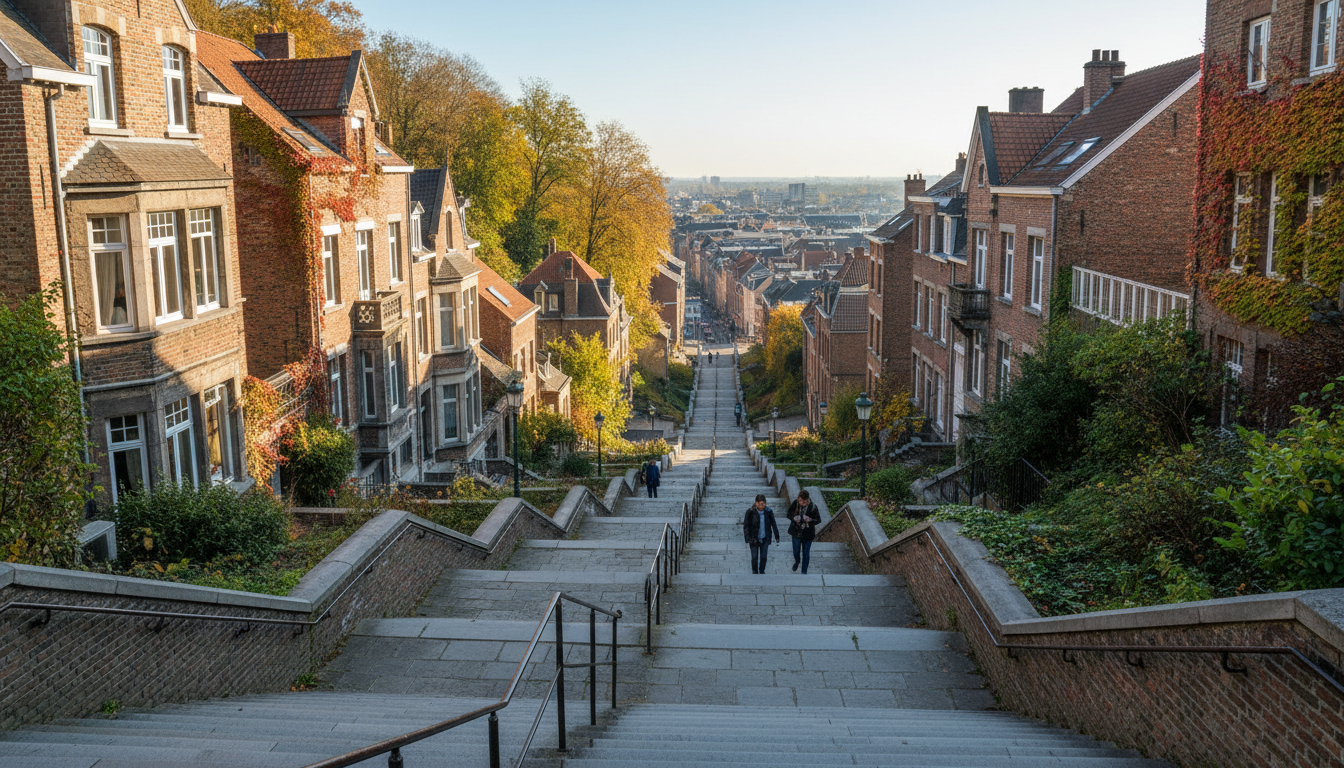
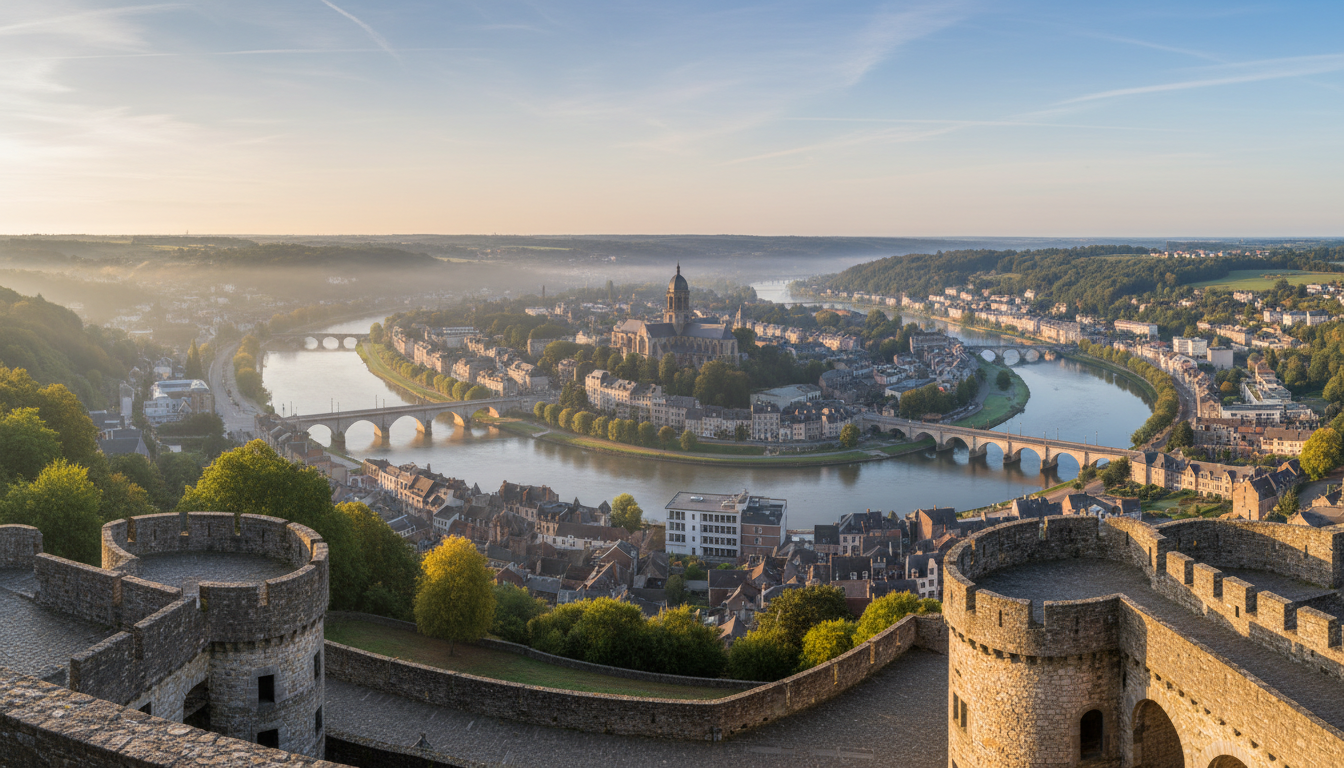
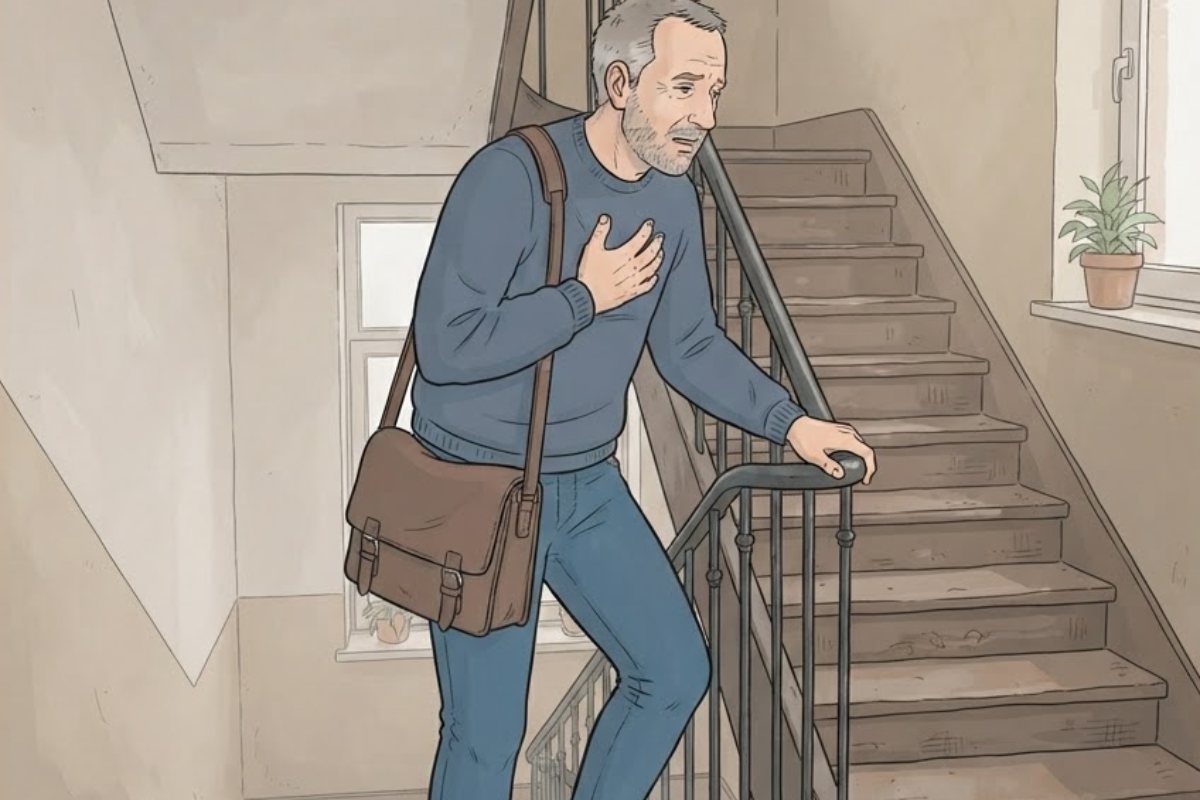
With pulmonary fibrosis, every staircase becomes a negotiation. The narrator counts the ones at Guillemins station, the ones in his parents’ house, and on Sundays he looks up at the Montagne de Bueren from the bottom, no longer climbing it. In Bangkok, he takes the skytrain’s forty-two steps in three goes. At each pause, he turns toward the street, hand on the rail, and pretends to admire the traffic.
It isn’t vanity. It’s his way of keeping a grip on an illness no one can see: knowing how many, knowing where to stop, and making sure nobody notices a thing.
The chedi of Roi Et
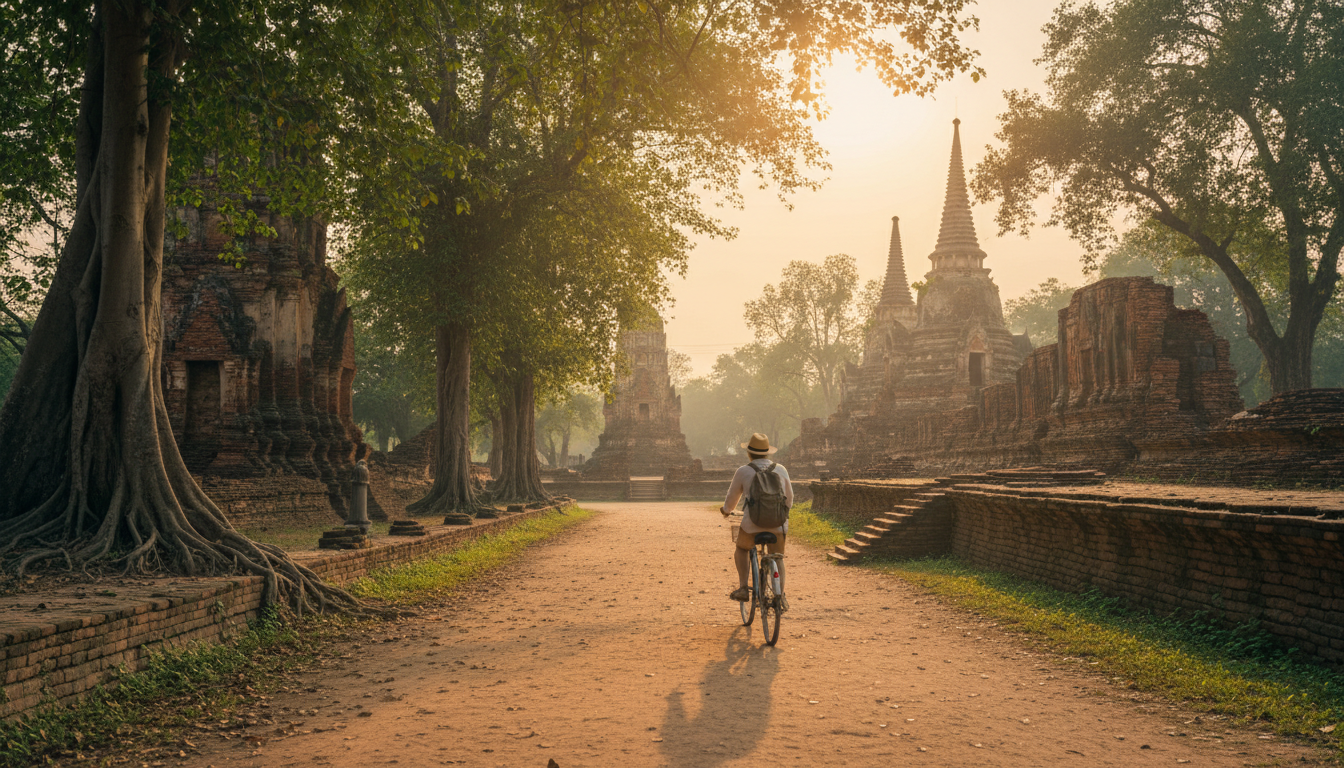
The chapter takes place in Isan, on a forest-covered hill, the only one for miles around. At the top stands the Phra Maha Chedi Chai Mongkhon, which Chu introduces with the quiet pride of the people from there: one hundred and one meters wide, one hundred and one long, like the name of the province — Roi Et means one hundred and one. White and gold, surrounded by little chedis, it was built at the initiative of a great monk, Luang Pu Sri.
There are two ways up: a brightly colored little tourist train, or the staircase through the trees. Chu looks at the train, then at him. He says no. He’ll walk up. Alone.
Climbing alone
Just once, he wants to climb something without anyone watching him climb. Without anyone stopping when he stops. Chu and her brother take the train, and Chu doesn’t look back. The book notes that this probably cost her more than the steps cost him.
Twenty steps. Thirty. First pause at forty, in front of a tree he pretends to find fascinating, though there’s no one there to see. His heart is pounding at sixty. At eighty, he’s breathing in small gulps. A monk in a saffron robe comes down barefoot and smiles at him: a red-faced, breathless foreigner climbing to the temple, nothing unusual there. Then he stops counting. He thinks: I won’t make it. And right after: yes, I will, but slowly. “Both thoughts were right.”
At the top, Chu is waiting with a paper tissue for his forehead. Her brother, Wichan, claps three times, very loudly.
The step where you stop
The finest moment of the chapter is a failure. At the very top of the chedi, beneath the golden spire, a small room holds relics of the Buddha brought from Sri Lanka. It’s reached by a narrow spiral staircase where the air no longer moves. On the third turn, his breath can’t keep up. The narrator doesn’t decide to give up: his body informs him. He describes it like a string of office memos, short and without any pleasantries.
He sits down on the step and tells Chu: “You go up. Go up for me.” She goes up with her brother. Alone, facing a small window and its square of sky, he thinks of the hundred and one marble monks he passed lower down, so serene, and tells himself that reaching the top may not be the point: someone can climb for you, and that’s another way of getting there. When Chu comes back down, he asks her what she prayed for. She smiles: “Time.”
A philosophy at the height of a step
On the way back, Wichan feeds some coins into a vending machine and hands him a bottle of ice-cold water. For a second, they both hold it. Then Chu’s brother says two words in Isan, which Chu translates: drink slowly.
That’s the book’s little philosophy, without any grand speeches:
- climb at your own pace, and stop before you’re forced to;
- accept that a limit is information, not defeat;
- let others climb for you, sometimes;
- drink slowly, and really look at the view.
In the introduction, Mr Schaka wishes every person living with an illness people who hold their arm on the stairs without seeming to, and a step to stop on, just before. Chapter 6 shows what that looks like.

The book
The Season of Breath (in English): the true story of a man who counts the steps, and who has decided to keep on climbing, one at a time.