

An island with different moods
Koh Samet is an island escape in Rayong province, known for pale sand and bays with distinct atmospheres. Some east-coast beaches have more restaurants and activities, while other areas feel quieter. Your choice depends on the kind of day you want: lively dining, a cove for reading or a place to watch the sun go down. Before travelling, check boat schedules, sea conditions and local guidance. Do not build your whole plan around a single beach photograph.
Choose a beach for your day
Hat Sai Kaew is often associated with a livelier scene, while some northern and western bays are described as quieter. Conditions change with weekday, weather and season. If you want a calmer visit, start early or compare areas before booking accommodation. Distances and local transport can take longer than expected. Ask your accommodation about routes and confirm evening transport rather than assuming a service will be available.
Enjoy the sea safely
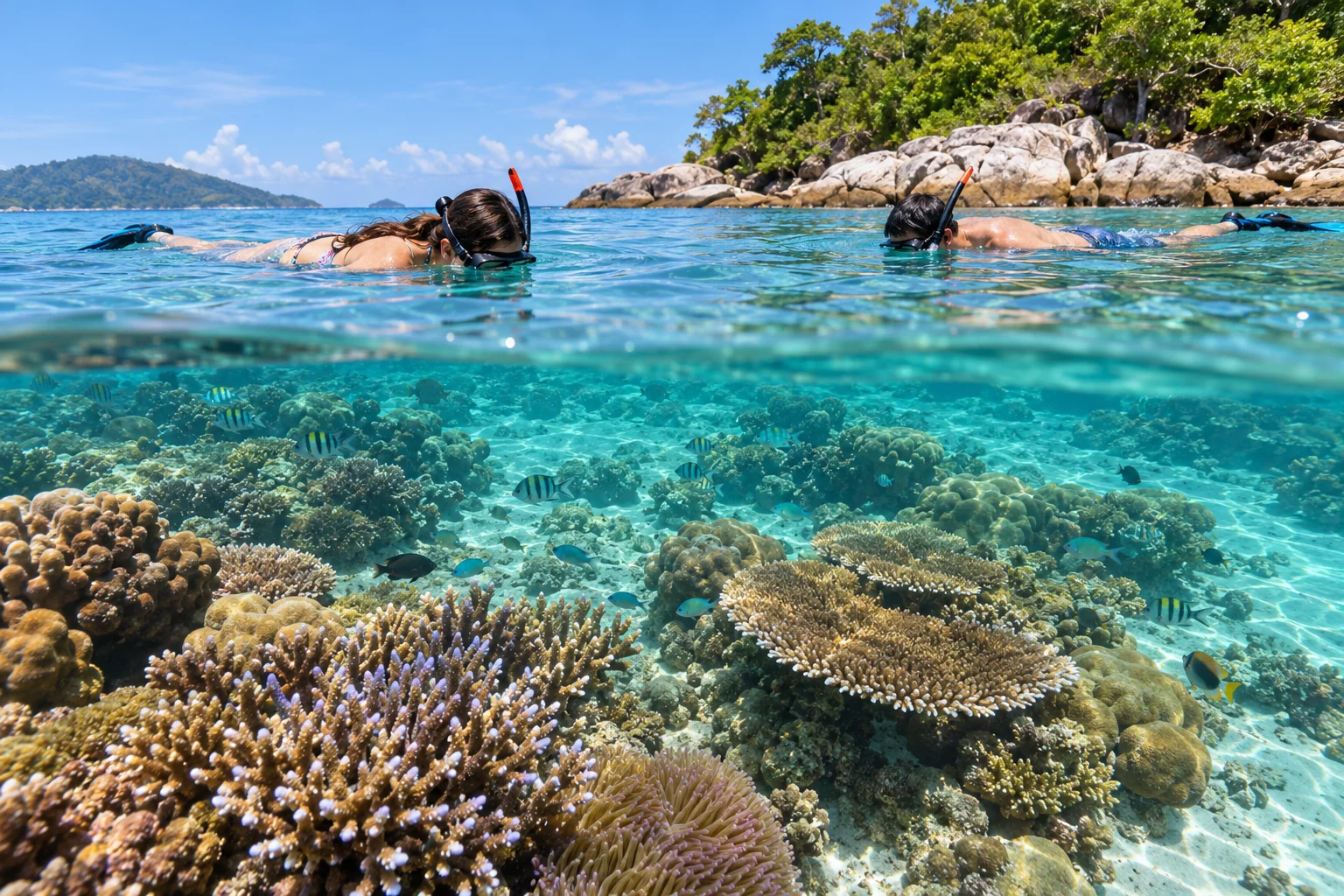
Clear water invites swimming and looking beneath the surface, but conditions change. Check local flags and advice, swim in suitable areas and do not head far from shore alone. For snorkelling, inspect the equipment, use a life jacket if needed and follow your guide’s instructions. Do not touch coral, chase wildlife or collect living shells. Responsible trips favour observation and safety over forced closeness to marine life.
Reduce your footprint on an island
Fresh water is a valuable resource on Koh Samet and should be used thoughtfully. Take a short shower, reuse your towel where possible and avoid leaving taps running. Keep rubbish until you find a bin and limit single-use packaging. Waste carried by wind or sea can quickly harm a sensitive environment. Choose operators that explain their conservation rules and avoid activities that involve feeding or touching wildlife. These habits are simple and well suited to island conditions.
Observe the reef with care
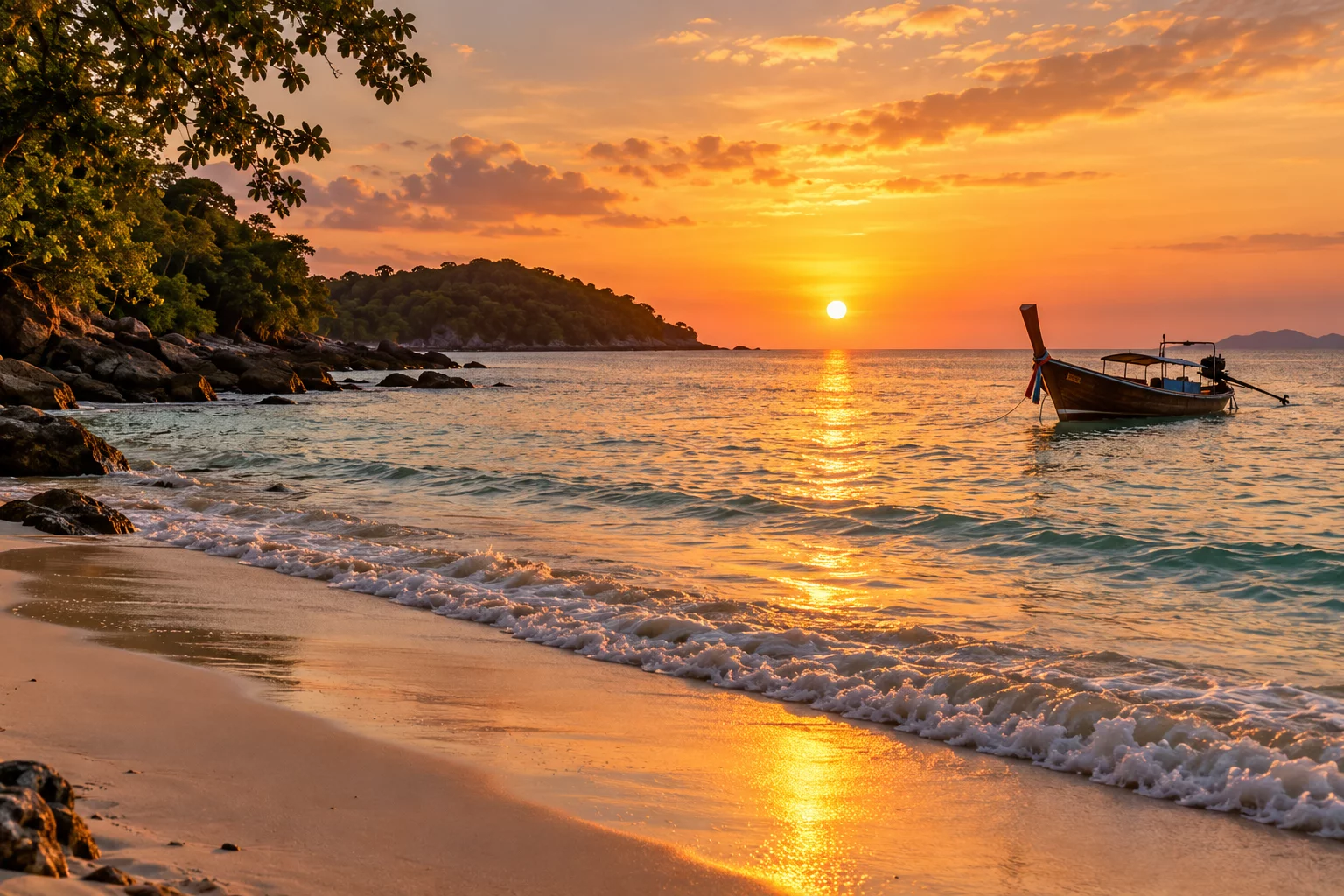
Underwater, coral and fish are best appreciated without contact. Keep your buoyancy controlled, do not stand on coral and avoid stirring the seabed. On a boat trip, ask the guide which areas are permitted and what rules apply. Underwater photography should never involve chasing an animal or blocking its path. A well-fitting mask and a relaxed pace make observation more enjoyable. If visibility or sea conditions deteriorate, cancel the outing; caution is part of a good trip.
Sunset and quieter hours
Evening light changes the beaches and can bring a calmer end to the day. Visitors often seek a west-facing viewpoint for sunset; arrive early enough to choose a spot without obstructing others. Avoid cliffs and slippery rocks, especially after rain. Mosquitoes can be present after dusk, so suitable repellent and light covering clothing are useful. Leave the beach clean and be considerate of residents and businesses if you stay out later.
Eat and stay thoughtfully
Rayong is known for seafood, and Koh Samet has restaurants along several beaches. When choosing, look at food freshness and recent information rather than assuming a venue is always open. If you have an allergy, confirm ingredients directly. Choose accommodation according to your priorities: restaurants, quiet, beach access or transport. Weekends can be busier, while weekdays may feel different. Confirm what is included and the cancellation terms before paying.
A richer trip than a checklist of beaches
To enjoy Koh Samet, choose one or two bays each day and leave room for an unplanned pause. A walk beside the water, a quiet break or a conversation with a shopkeeper can stay with you longer than an overpacked schedule. Respect residential areas, wildlife and park rules where they apply. Before returning, check boat times and leave enough time to reach the pier. Which setting appeals most: Hat Sai Kaew’s activity, a quiet cove or evening light?
Choose a beach that fits your day
Koh Samet offers beaches with different moods, and the right choice depends on what you want. Some areas are lively and close to restaurants and accommodation; others can feel quieter, depending on the day’s visitor numbers. Before setting out, check the weather, sea conditions and transport options. A beach that looks nearby may take longer to reach depending on the road and your mode of travel. If you plan to swim, follow signs, flags and local guidance; water colour alone is not a safety measure. Wind, currents and waves can change quickly. Children should stay under an adult’s close supervision, even when playing at the water’s edge. For snorkelling, ask whether conditions are suitable that day and avoid going far out alone. A shorter trip with a responsible operator is a better choice when the sea is rough. Think about shade and hydration too: tropical sun can be tiring even during a quiet activity. A light shirt, hat and breaks in the shade make the day more comfortable. Finally, do not try to visit every beach in one day. Choosing one or two reduces travel and gives you more time to enjoy them at the island’s pace.
Protect the coastline through simple habits
A fragile island depends on everyday actions that may seem small. Carry a refillable bottle and reusable bag when practical, take your rubbish with you and sort it according to local instructions. Do not leave cigarette ends or wrappers in the sand; wind can carry them into the sea. Avoid collecting coral, living shells, plants or sand as souvenirs. What seems harmless for one person becomes damaging when thousands of visitors do it. In the water, do not touch or stand on coral. Keep a distance from marine animals and never feed them: human food changes their behaviour and may make them ill. Use sun protection that suits your skin and follow local advice for swimming and diving areas. If you join an excursion, ask how the operator limits its impact, handles waste and briefs passengers. A responsible activity does not need to promise a guaranteed wildlife encounter. If you see rubbish in a safe place, picking it up can help, but do not take risks or handle sharp or dangerous items. The strongest contribution is to avoid adding waste and support responsible practices through your choices.
Choose a boat trip with care
Boat trips offer a different view of bays and nearby islands, but they require thoughtful preparation. Check that the operator is authorised, ask about the actual duration, planned stops and available safety equipment. Each passenger should have an appropriate life jacket that is accessible before departure. If the sea is rough or conditions worsen, postpone the trip: the itinerary is not worth an unnecessary risk. People prone to seasickness can ask a health professional for advice before travelling and choose a steadier place on board. Bring water, sun protection and a dry bag for important items. Listen to crew instructions, especially when boarding and swimming. Do not jump from the boat without permission and knowledge of the depth. For snorkelling, use well-fitting equipment, do not chase fish and keep away from reefs. Group excursions have less impact when visitors respect stop times and avoid crowding fragile areas. Ask whether access fees are included and bring an appropriate payment method. If a sales promise is unclear, request written confirmation of the route and cancellation terms.
Explore the island at a realistic pace
It is tempting to plan every beach, viewpoint and restaurant, but an overfilled day becomes a sequence of journeys. Choose one area as your base and add an activity according to the weather and your energy. Island roads can be narrow, and travel times vary with traffic, road works and season. Ask your accommodation which options suit your destination and avoid riding a motorbike without experience. A helmet, suitable insurance and following local rules are essential. Walking can be pleasant for short distances, but bring water and sun protection. Identify a place to rest and a reliable way back after sunset. Boat and transport schedules can change; check them on the day, especially if you need to return to the mainland. Leave a margin for delays and avoid tight connections. A lighter schedule also leaves room to notice local life: a market, a small restaurant or a walk away from the busiest beaches. The island is easier to understand when visitors give it time.
Manage heat and sun
Tropical weather can surprise travellers who spend a full day outdoors. Drink regularly, even when you are not thirsty, and limit strenuous activity during the hottest hours. Sunburn can develop after a long swim or boat trip because water and wind create a misleading sense of coolness. Use sunscreen, reapply it according to the product instructions, and add light clothing, a hat and breaks in the shade. If travelling with children or older people, plan more frequent rests. Symptoms of heat illness—including dizziness, weakness, nausea or confusion—call for a cool place and prompt help. Never leave anyone in a closed vehicle. When swimming, avoid going alone and stay in a supervised or populated area where possible. Local conditions and services differ by beach, so ask before entering the water. If you have a health condition, adapt activities to your ability and follow professional advice. A pleasant stay often depends on simple breaks and a plan that allows you to slow down.
Respect residents and the local economy
Koh Samet is a tourist destination, but it is also a place where people live and work. Respect private areas, posted rules and local customs, including in places of worship and villages. Suitable clothing is helpful when leaving the beach for a shop or public space. Ask before photographing a person, a child or someone at work. Residents are not travel props. Support local businesses where it suits your needs, and confirm prices and conditions before booking a trip. Clear communication prevents misunderstandings: confirm the time, departure point and what is included. If you are unhappy with a service, explain calmly and seek a direct solution. Do not leave rubbish near homes or roads, and keep noise down late at night. Fresh water and waste management are more constrained on an island than in a large city, so reducing unnecessary consumption matters. Travellers can support a more sustainable economy by choosing transparent operators, treating staff respectfully and sharing factual feedback rather than unverified accusations.
Travel with children or access needs
A family visit to Koh Samet works best when the day is built around breaks and realistic activities. Check the distance between accommodation, beach and useful services in advance; journeys may be less straightforward than they look on a map. With young children, choose a beach where access to the water suits that day’s conditions and supervise them continuously. Floatation toys never replace an adult’s presence. Bring water, dry clothes, sun protection and a basic first-aid kit. Travellers with mobility needs should ask accommodation or operators which beaches and boats are accessible, since sand, steps and piers can make movement difficult. Confirm the practical details, not just general availability. People sensitive to noise can choose a less lively beach and ask about planned events. If someone becomes tired, shorten the schedule instead of pushing on. Keep accommodation details and a meeting point in case the group separates. Good planning leaves room for the unexpected and makes the stay more restful for everyone.
Choose souvenirs without pressure
Island markets and shops offer many kinds of souvenirs. Before buying, consider whether an item will be useful and easy to carry. Avoid products made from coral, living shells or protected species; collecting and transporting them can harm nature and may break regulations. For craft items, ask what is made locally and what is imported. Sellers can explain materials, care and transport. Compare options calmly rather than buying under pressure. For a trip or activity, read the terms, especially refunds in poor weather. A very low price may exclude transport or equipment, so check what is included before paying. Keep the receipt and the operator’s contact details. A small item from a local maker can support island livelihoods when its origin is clear. You can also choose an experience instead of an object: a meal, guided walk or class may leave a more lasting memory. The best choice fits your budget and values without obliging you to bring something home.
Build a memory beyond the postcard
A good day on Koh Samet is not measured by the number of beaches checked off. Choose a moment to slow down: watch the light change, walk along the water or eat without a screen. Keep safety in mind in natural areas and do not climb slippery rocks for a photograph. At sunset, stay in a safe public area and confirm your return route. Some roads are poorly lit at night; use reliable transport and avoid walking alone on isolated roads. If you post photographs, identify the place and conditions without presenting a beach as deserted when it was simply quiet at that moment. This gives future visitors realistic expectations. Note what surprised you: sea conditions, village sounds, differences between beaches and the effort needed to protect an island environment. Those observations give a travel story depth. Respecting the island does not mean giving up enjoyment; it helps preserve a place whose beauty depends on collective choices. A thoughtful memory can include a meeting and a landscape, as well as a commitment to travel with less waste.
FAQ
When is a good time to visit Koh Samet?
Thailand’s tourism authority generally notes October to April for calmer seas, but check conditions before travelling.
Which beach is quietest?
Atmosphere changes with day and season. Compare bays, ask your accommodation and confirm local transport.
Can I snorkel around Koh Samet?
Yes, depending on marine conditions and local rules. Follow guidance, avoid touching coral and cancel if the sea is rough.
How can I conserve water on the island?
Take short showers, avoid waste and reduce rubbish. Fresh water is an important resource to protect.
To go further
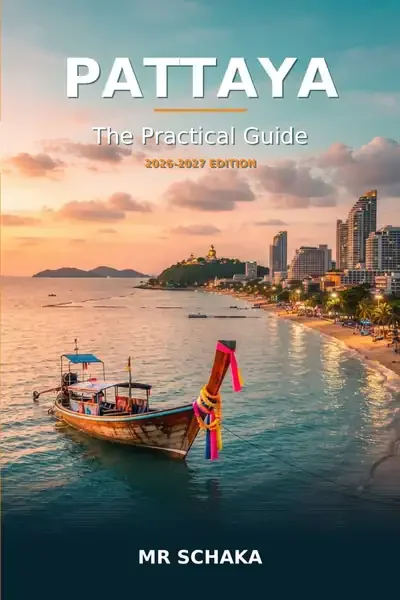
Mr Schaka’s guidebook, Pattaya – The Practical Guide, covers the essentials: transport, neighbourhoods, addresses, food, etiquette and safety, updated for 2026–2027.