Wondering what to do in Chiang Mai? Northern Thailand’s main city is easy to explore on foot, with old temples, evening markets and mountains on the horizon. After Bangkok, the pace changes. Here are the essentials: sights, elephants without cruelty, Chiang Rai, where to sleep, getting there from Bangkok and how many days to plan.
What to do in Chiang Mai: Old City temples and Doi Suthep
The Old City is a square surrounded by a moat and remains of the old walls. Tha Phae Gate, on the east side, is the usual landmark. Two temples come first.
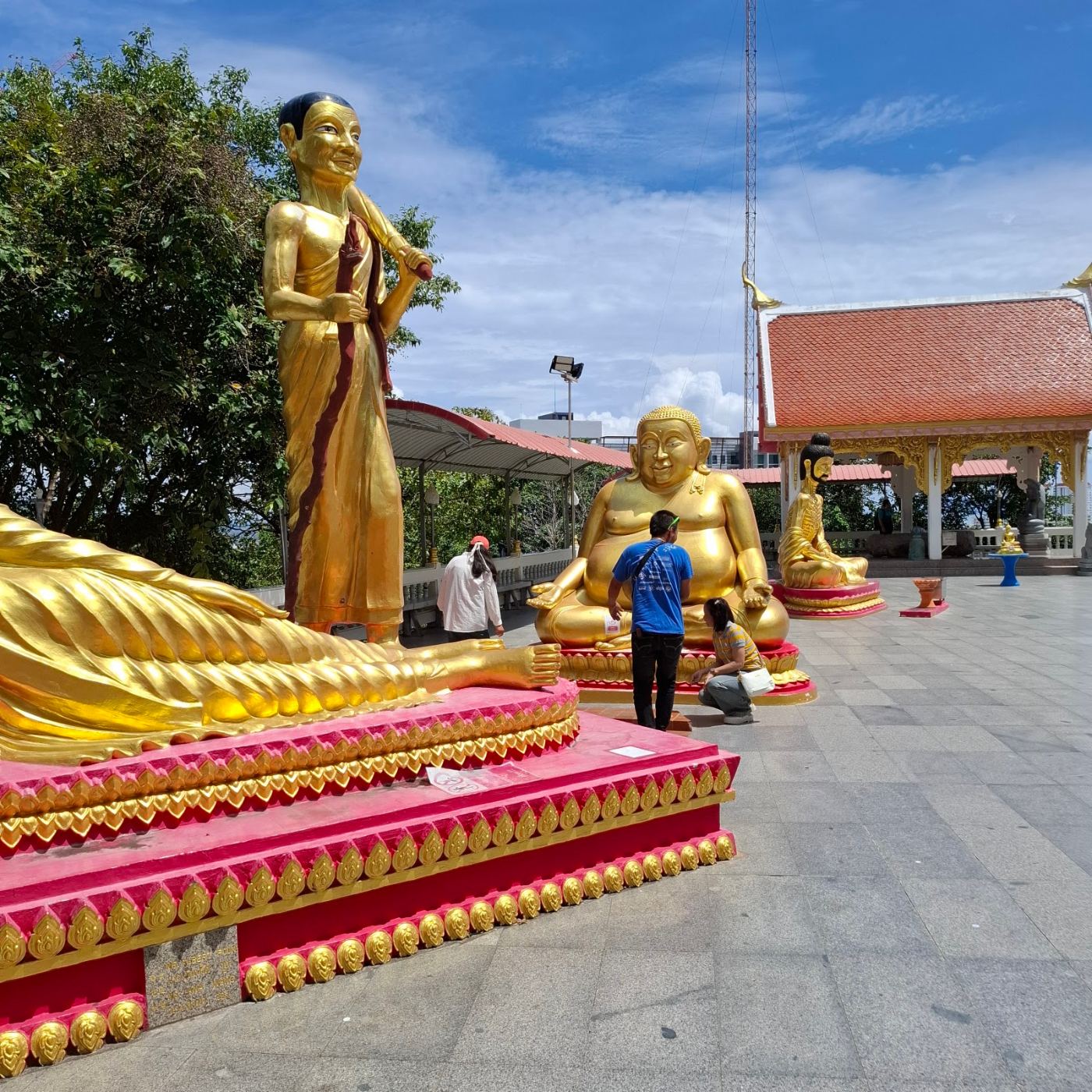
Wat Phra Singh, on the west side, is the city’s most revered temple. It houses the Phra Buddha Sihing, a highly respected statue in the North. The grounds are free; foreign visitors usually pay 20 THB to enter the main hall (check on site).
Wat Chedi Luang, in the centre, stands out for its huge, partly collapsed brick chedi. The Emerald Buddha, now in Bangkok, once stayed here. Entry is around 40 THB for foreigners. Come early in the morning, while it is still cool.
Wat Phra That Doi Suthep overlooks the city from the mountain, about 15 km from the centre. A long naga-lined staircase leads to the golden chedi; a small funicular (about 20 THB) saves the climb. Entry is around 30 THB for foreigners. Red songthaews leave from near the zoo once they are full; a car booked through a ride-hailing app is the easy alternative. Walkers can take the Monk’s Trail to Wat Pha Lat: since October 2025, this national park trail charges foreign visitors 100 THB per adult.
In every temple, cover shoulders and knees and take your shoes off before going in. More useful rules are in our guide to Thai etiquette.
Evening markets: Sunday Walking Street and Night Bazaar
- Sunday Walking Street: every Sunday, from late afternoon (around 5 pm) to about 10:30 pm, Ratchadamnoen Road is closed to traffic from Tha Phae Gate to Wat Phra Singh. The biggest market in town, and the busiest.
- Saturday Walking Street: on Saturday evenings, the same idea on Wualai Road, the old silversmith quarter south of the Old City.
- Night Bazaar: every evening on Chang Khlan Road, east of the Old City. More touristy, handy on weekdays.
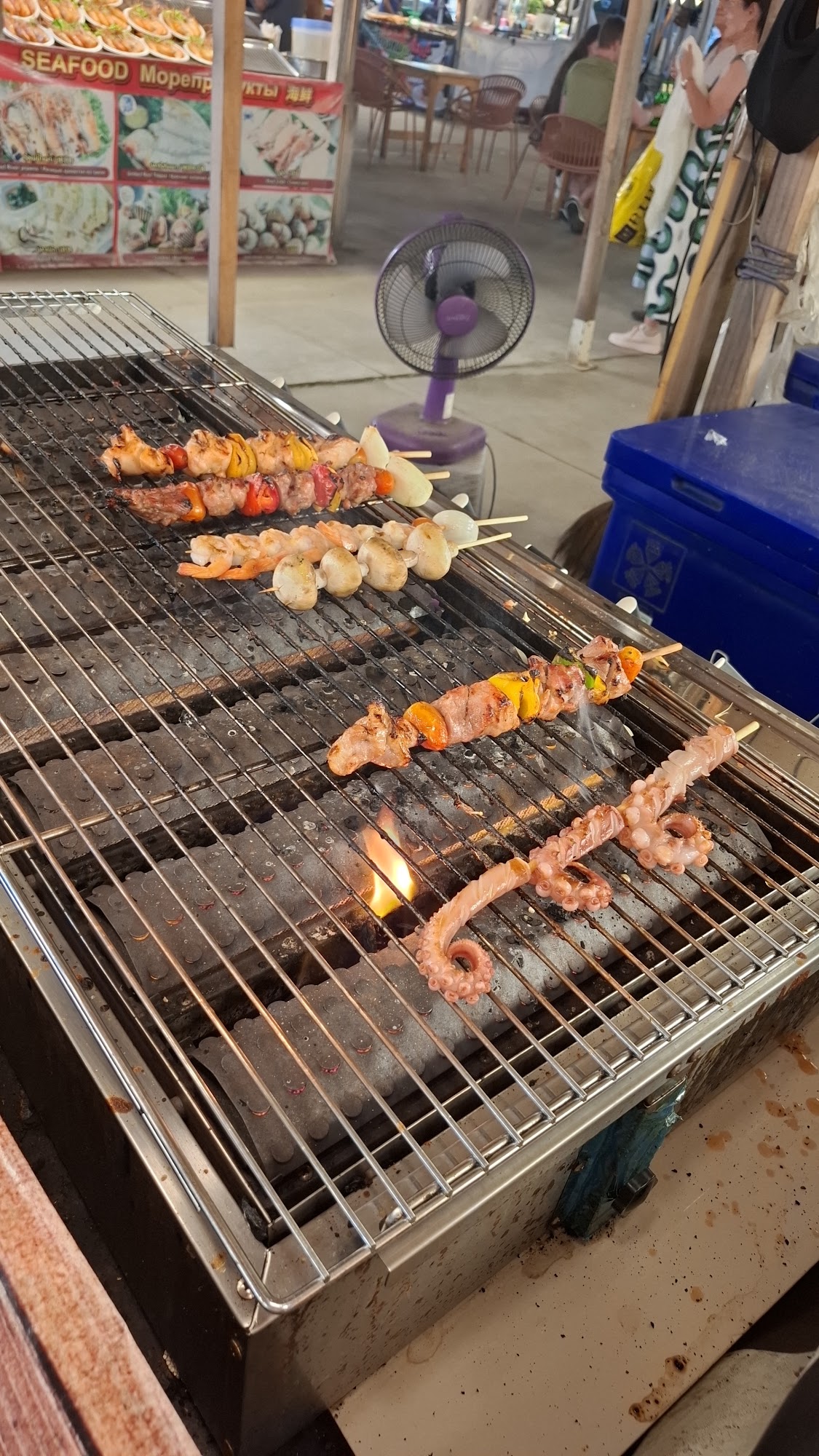
Mr Schaka’s advice: arrive early, before the crowds, with small notes. Try khao soi, the curry noodle soup of the North, and sai ua, Chiang Mai’s herb sausage.
Cooking classes and ethical elephant sanctuaries
Chiang Mai is the city of Thai cooking classes. The usual format lasts half a day: a morning market visit, then four or five dishes that you cook and eat. If you are vegetarian, say so when you book.
Elephants draw many visitors, and not every place is equal. A place that respects the animals shows a few signs:
- no elephant rides, no shows, no painting;
- no hooks or chains in sight, and animals moving freely on large grounds;
- small groups and limited contact: you watch more than you touch;
- clear information on where the elephants come from and how they are cared for.
Bathing with elephants is debated: some groups consider it unnatural for the animal, and Elephant Nature Park stopped it back in 2018. Observation-only programmes are the safest choice for the elephants.
Chiang Rai and the White Temple as a side trip
Chiang Rai lies about 180 km to the north. Green Bus coaches leave from the Arcade bus station (Terminal 3) and take about 3 h 20 to 3 h 45. The White Temple (Wat Rong Khun), the work of artist Chalermchai Kositpipat, is about 13 km before the city. Since 1 January 2026, entry costs 200 THB (around US$6) for foreign visitors.
Organised tours leave around 7 am and return around 7 pm, with a lot of driving. Mr Schaka suggests spending a night in Chiang Rai instead: you can see the White Temple, the Blue Temple and the Black House (Baan Dam) without rushing.
Where to stay in Chiang Mai: Old City, Nimman or Riverside
- Old City: everything is walkable, temples and markets included. The right choice for a short first visit, if you don’t mind some bustle, especially near Tha Phae.
- Nimman (Nimmanhaemin): a modern area to the west, with cafés, restaurants and coworking spaces. Ideal for long stays or remote work. It lies under the airport flight path: check the noise.
- Riverside: along the Ping River, quieter, with more comfortable hotels. Good for couples and families, but you need a car or ride-hailing to reach the Old City.
Getting there from Bangkok and how many days to plan
By plane, the flight takes about 1 h 10 to 1 h 20. Low-cost airlines mostly fly from Don Mueang (DMK), others from Suvarnabhumi (BKK). Chiang Mai airport (CNX) is close to town.
By night train, allow 12 h 30 to 14 hours from Krung Thep Aphiwat station. The two most convenient Special Express trains leave in the early evening and arrive the next morning. A berth in air-conditioned 2nd class costs about 770 to 1,040 THB depending on the train and berth; 1st class, in a cabin, about 1,250 to 1,650 THB (check fares before you go). Book early on the official State Railway of Thailand (SRT) website: the wider lower berths sell out fast. The train also saves you a night in a hotel.
How many days? Three full days are enough for the Old City, Doi Suthep and a market. Add a cooking class, a day with elephants and Chiang Rai, and plan five to six days. Many travellers start with the capital: our 3-day Bangkok itinerary links up well with the North.
Good to know: from February to April, it is burning season in the North. The smoke drives up fine particles (PM2.5), peaking in March; the May rains clear the air. Check an air quality index (IQAir, Air4Thai) before going out, and pack an N95 or FFP2 mask. If you have a respiratory or heart condition, ask your doctor for advice before you travel. To choose the best period, see the best time to visit Thailand, month by month.
Thaïlande en poche: before or after Chiang Mai, Mr Schaka’s free app helps you around the capital. It installs straight from the website and includes the guide’s maps and addresses. Discover the Thaïlande en poche app.
Frequently asked questions
How many days do you need in Chiang Mai?
Three full days for the essentials. Five to six days if you add a cooking class, an elephant sanctuary and Chiang Rai.
When should you avoid Chiang Mai?
From February to April, smoke from burning often degrades air quality, especially in March. November to January is cooler and clearer.
Plane or night train from Bangkok?
Flying is fast (about 1 h 15 in the air). The night train takes 12 h 30 to 14 hours, but replaces a night in a hotel.
Can you see the White Temple on a day trip?
Yes, on an organised tour of about 12 hours, much of it on the road. A night in Chiang Rai makes the visit more enjoyable.

Want to dig deeper?
Mr Schaka’s guidebook, Chiang Mai and the North – The Practical Guide, covers the essentials: transport, neighbourhoods, addresses, food, etiquette and safety, updated for 2026–2027.