Begin at the confluence
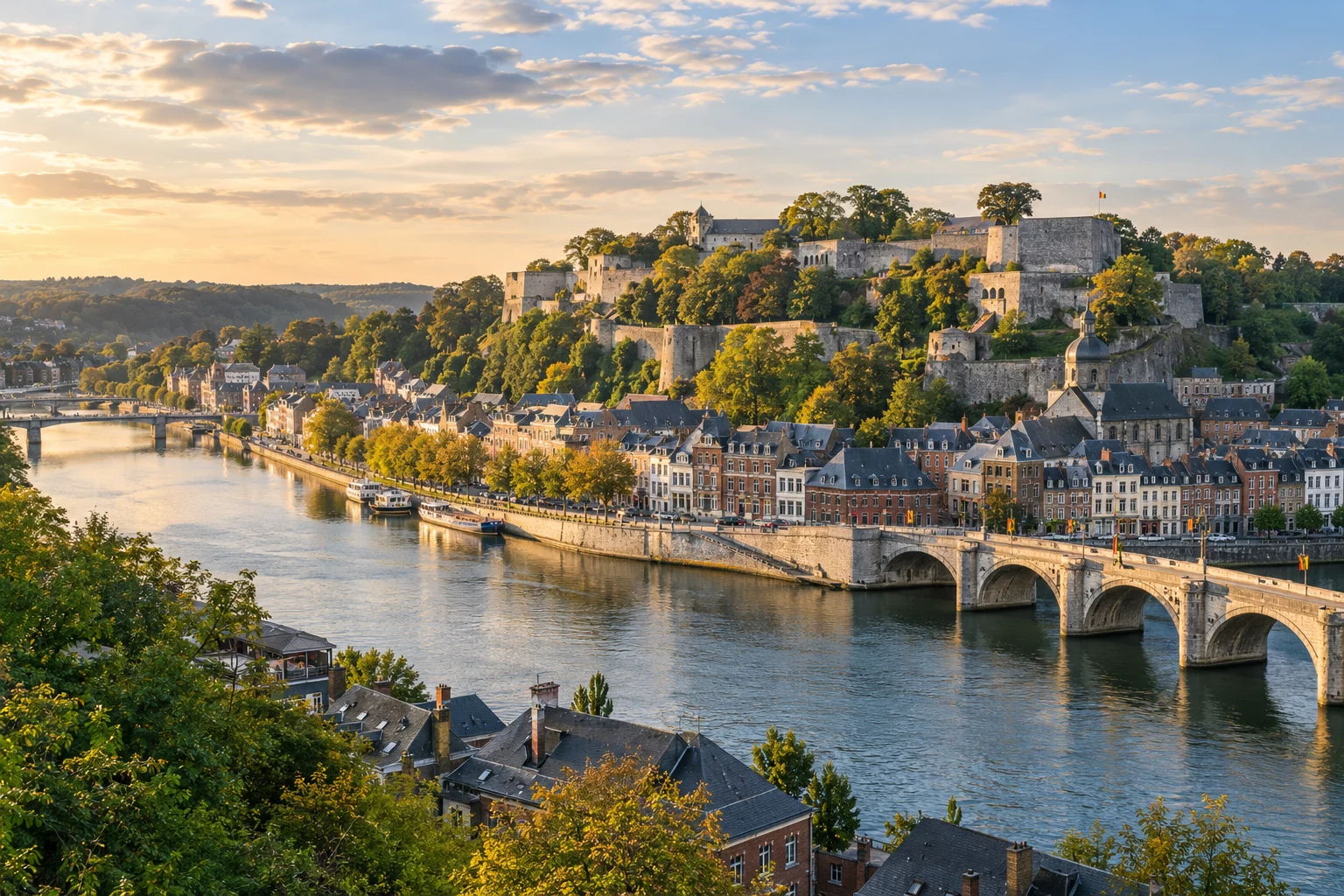
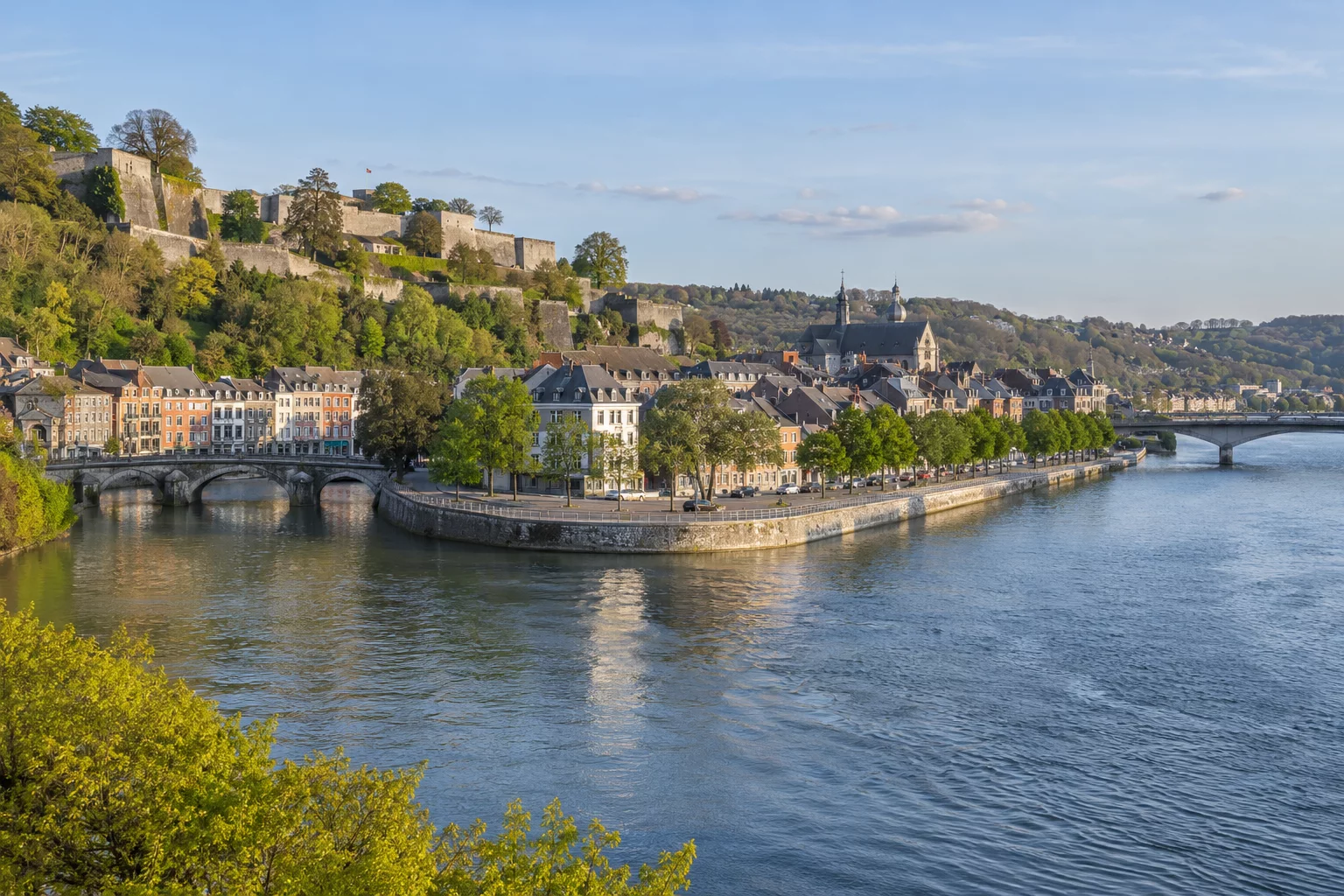
In Namur, the Sambre meets the Meuse beneath the Citadel. Their meeting shapes views and helps visitors orient themselves. From downtown, a day can link historic streets, the ascent and a return to the waterfront. VisitNamur describes the site as having close to two thousand years of history and now welcoming visits and walks. Check access, opening hours and local events, which can vary by season.
The old centre
Start with the central squares and streets, where shops, façades and cafés make an easy walking visit. Note the direction of the quays and Citadel, then adapt your loop to weather and mobility. Museums, events and guided visits have their own schedules; the tourist office can confirm what is open on your date. Allow extra time during busy periods. A few streets explored attentively give a better first impression than an overpacked schedule.
The Citadel’s historic layers
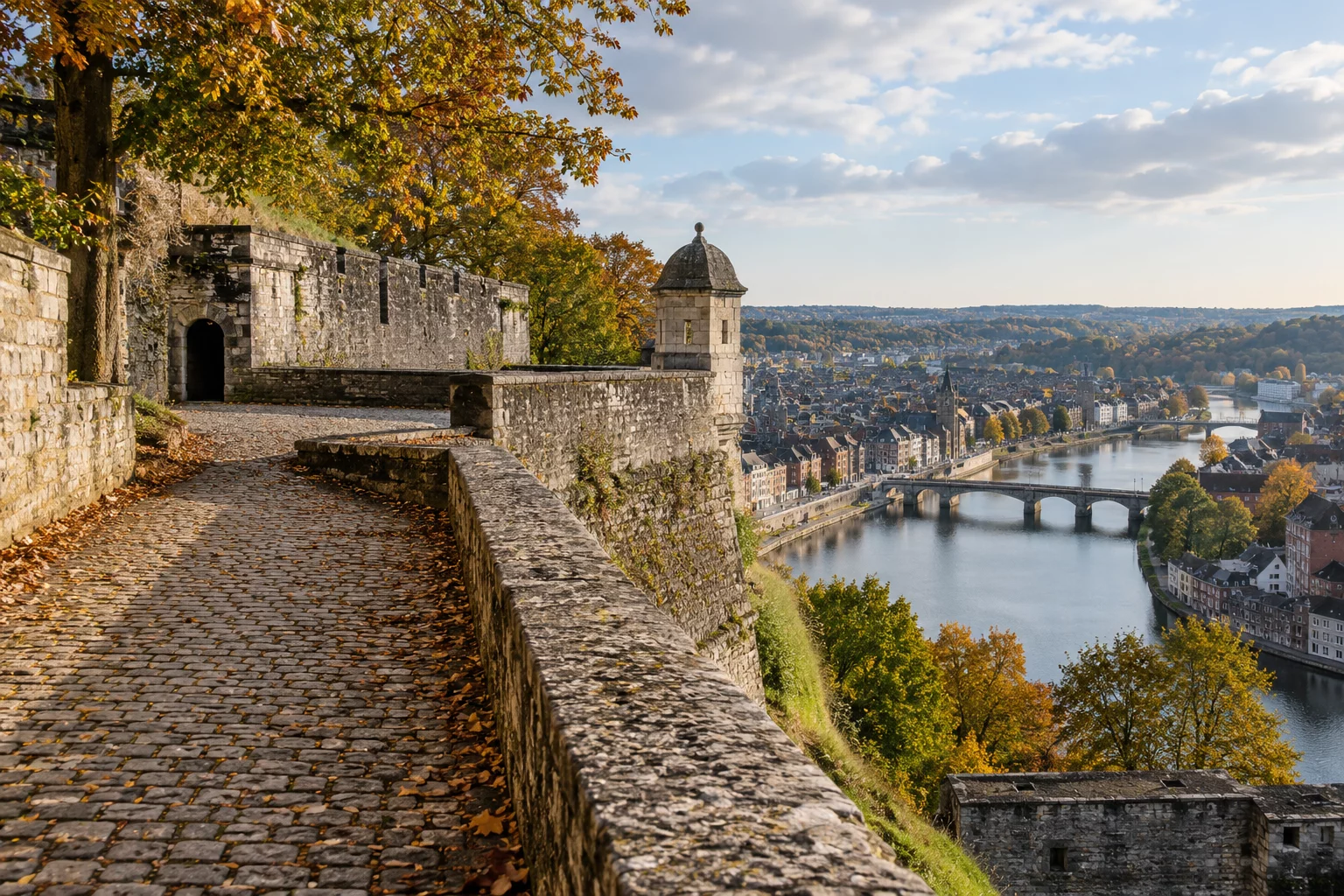
The Citadel has served several purposes over the centuries. VisitNamur notes nearly two thousand years of history and its role as a residence for medieval counts. Ramparts, gates and buildings represent different periods. The Terra Nova visitor centre adds context; check hours and access before going. Follow open routes and respect closed areas. Views over rooftops, rivers and hills also offer a geographic reading of Namur.
Underground passages and ascent
Restored underground passages can be visited with a guide; VisitNamur describes about 500 metres of network. Check duration, departures, accessibility, stairs and narrow sections before booking. Since 2021, a cable car has linked downtown with the Citadel in about eight minutes, but hours vary by season. Walking offers different views and includes steep sections. Choose what suits your comfort, confirm the return and keep an alternative in case weather affects service.
Take time at the top
From the ramparts, look over the confluence, rooftops and rivers. Surfaces can be uneven or slippery; stay on paths and do not climb on fortifications. A café near the centre can round out the visit. Families can look for gates, materials and viewpoints as a simple thread through the walk. Namur works well in stages: the Citadel today, then a museum or riverside walk another time.
Understand the citadel’s purpose
The citadel is a network of fortifications, paths and spaces shaped across different periods. As you walk, notice how the walls follow the hill and how passages control access to higher ground. The visible structures do not all belong to one era; information panels and guided visits help explain the changes. Look at the thickness of the walls, the gates and the openings designed to watch the surroundings. This makes the site more tangible than a sequence of viewpoints.
Discover Namur from the quays
Continue your visit at river level. From the quays, look at façades, bridges and the lines of both rivers to understand how the centre developed around the confluence. Reflections shift with light and weather, so the same place can look different later in the day. Stay on pedestrian routes and share paths with cyclists. If you stop for a photograph, avoid blocking entrances or movement. A few minutes of observation can connect the upper town with its riverside setting.
Prepare an accessible outing
A day in Namur can combine the citadel, the centre and a riverside walk, but the slopes require some planning. Check vertical transport options, opening times and accessibility information on the day. Paths can be slippery in wet weather, so wear suitable shoes. Families may shorten the visit and focus on one area instead of taking every set of steps. The aim is to keep enough energy to enjoy the historic centre and a pause beside the Meuse or Sambre.
FAQ
How much time should I allow?
Half a day suits a simple visit; add time for the underground tour.
Does the cable car run year-round?
Hours vary by season; check current official information.
Can I walk up?
Yes, though some sections are steep; the cable car is another option.

The book
The Empty Wall is the second book of Oscar’s Notebook, a series of crime novels set in Liège.