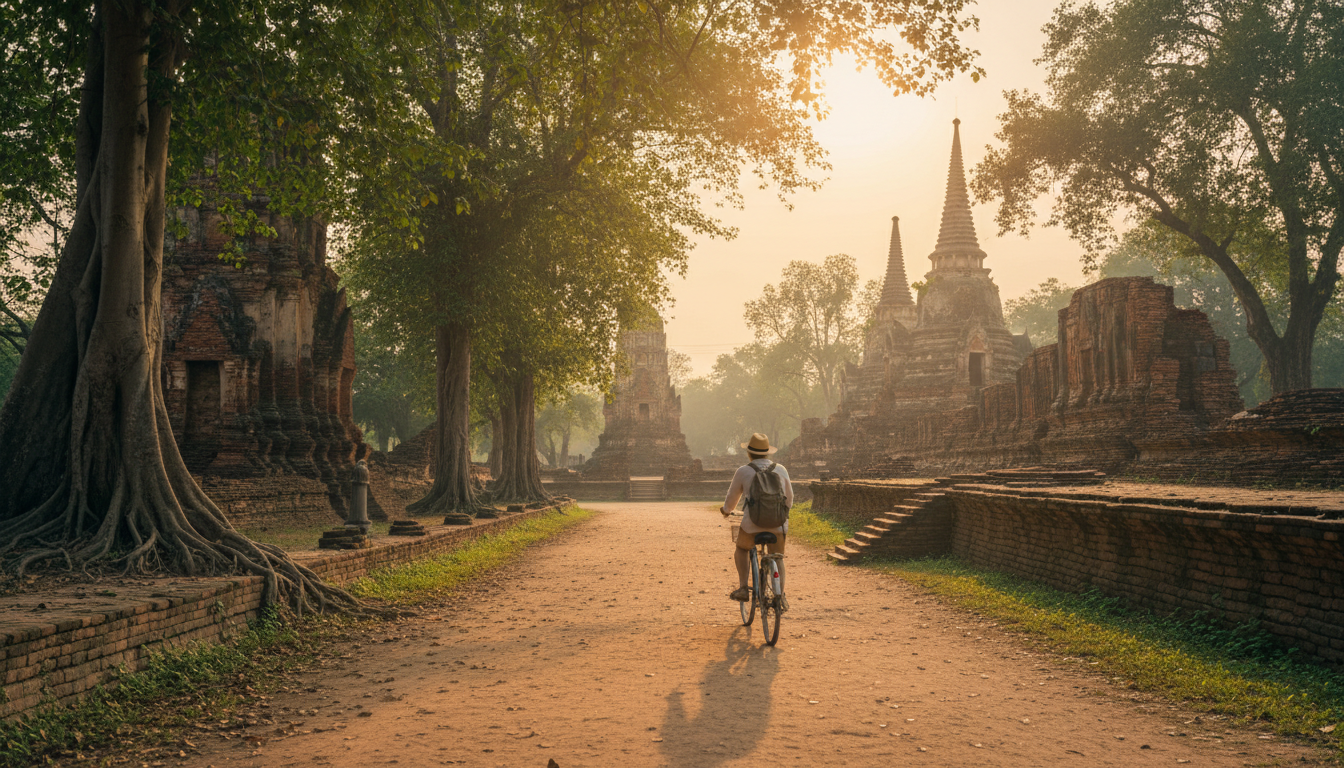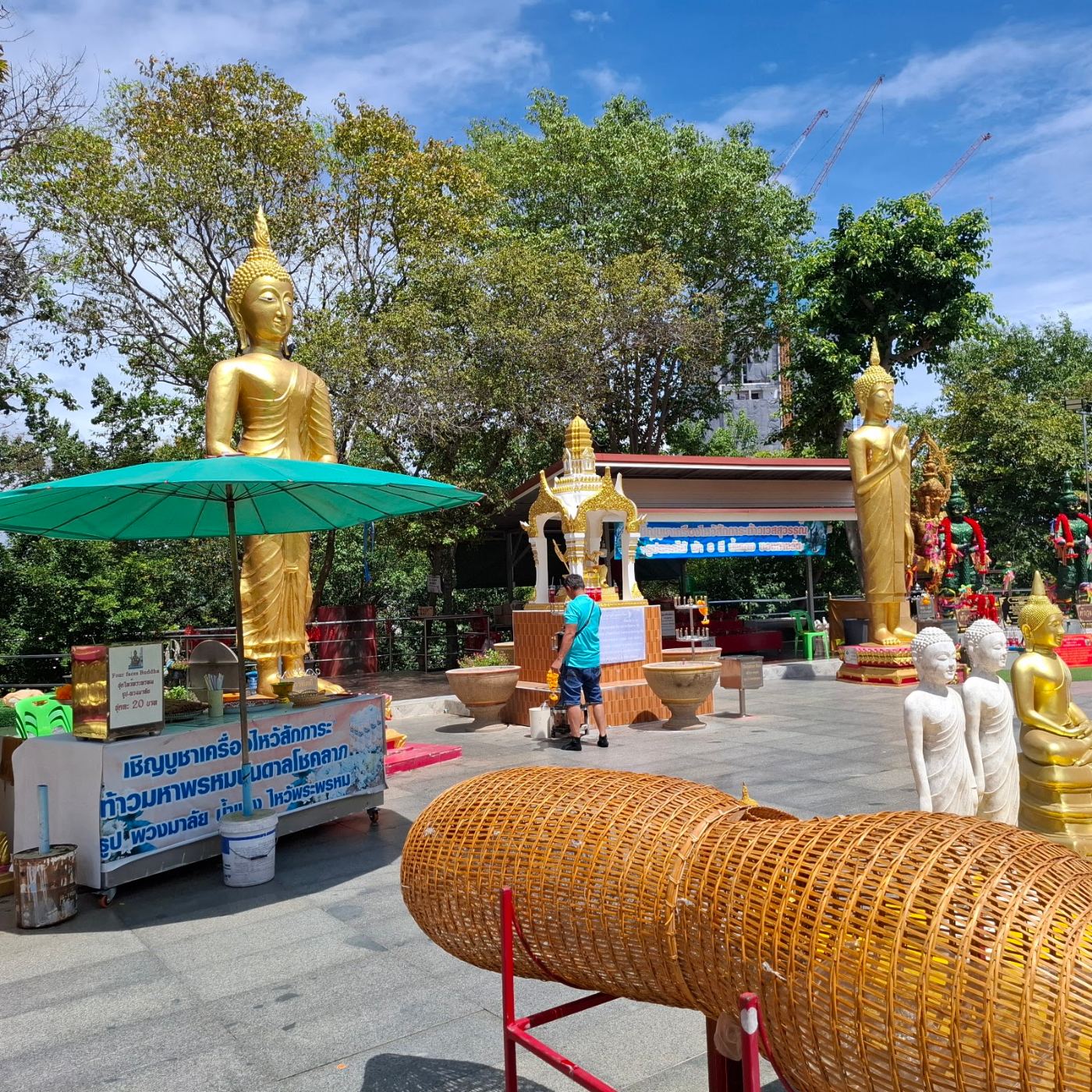
Isan is the vast northeast of Thailand. Few beaches, few crowds, but endless rice fields, Khmer temples, the Mekong and a cuisine that has won over the whole country. If you want to see everyday life in Isan Thailand, away from the usual circuits, here are the essentials: what to see, eat and know, and how to get there.
What is Isan?
Isan is Thailand’s largest region. It has 20 provinces, covers about 168,000 km² and is home to nearly a third of the country’s population (just over 22 million people according to 2019 figures). It is a wide plateau, bordered to the north and east by the Mekong, with Laos on the other side.
The culture is Lao-Thai. Most people speak Isan, a variety of Lao written in the Thai script; Central Thai is the language of school and administration. In the south of the region, a minority also speaks Northern Khmer. Molam music, sticky rice at every meal: Isan has an identity of its own.
Mr Schaka’s story The Season of Breath takes the reader to Isan, into his partner’s family.
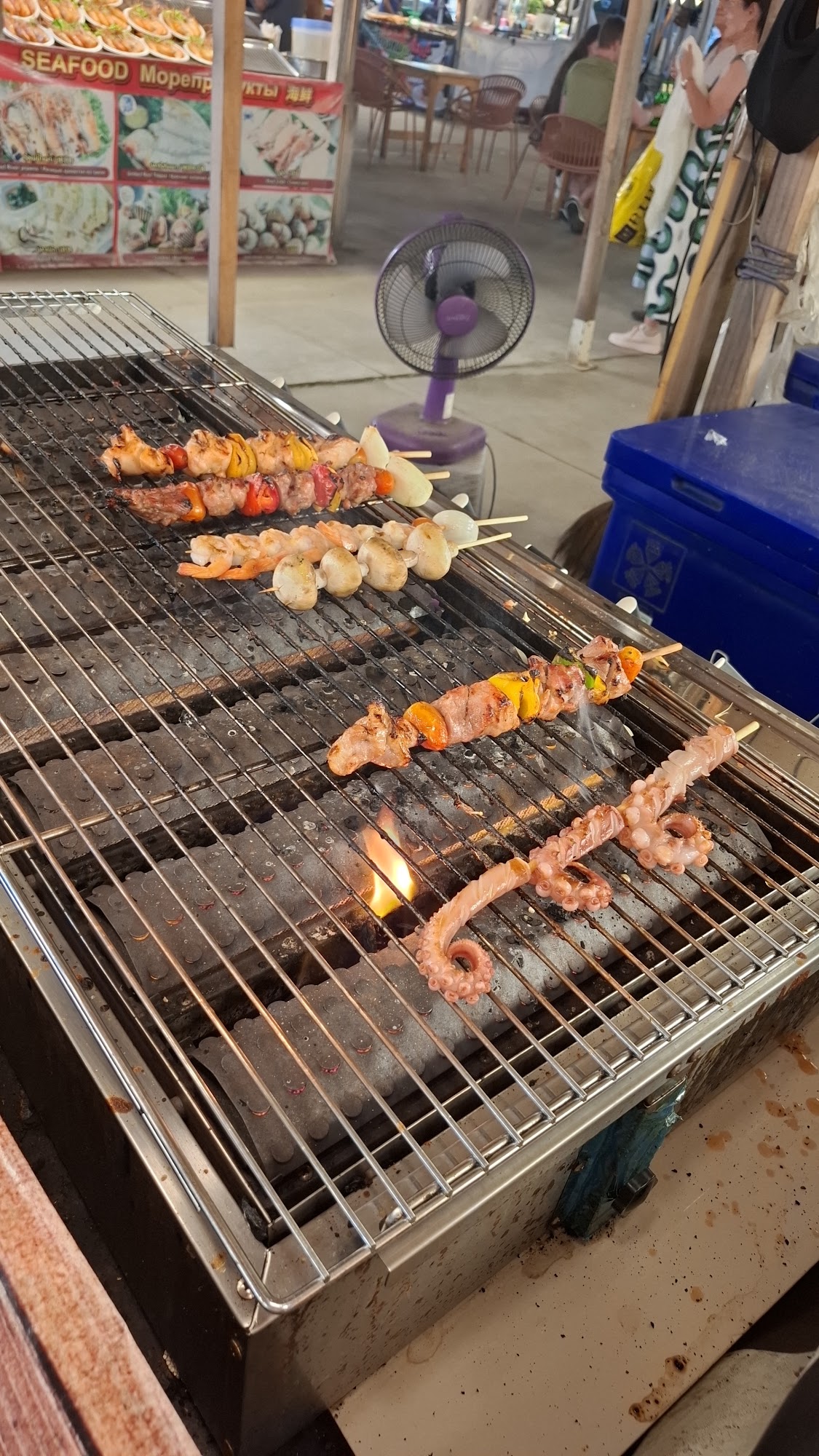
Isan food: som tam, larb, gai yang and khao niao
Even if you never go to the northeast, you will eat Isan food in Thailand: its dishes are everywhere in Bangkok. In the region itself they simply taste bolder, and often hotter. The essentials:
- Som tam: green papaya salad pounded in a mortar with chilli, lime, tomato and sometimes pla ra, a pungent fermented fish sauce.
- Larb: minced meat (pork, chicken or duck) seasoned with lime, fresh herbs and toasted rice powder.
- Gai yang: marinated chicken grilled over charcoal, often served with a spicy dipping sauce.
- Khao niao: sticky rice, served in a small bamboo basket. You roll a little ball with the fingers of your right hand and use it to pick up the other dishes.
The first three are shared in the middle of the table, with the sticky rice. For a milder dish, ask for “phet nit noi” (a little spicy). A few basic words go a long way in a village: our Thai phrasebook has the essentials.
Places to see in Isan Thailand
The region is huge: better to choose two or three stops than to try to do everything.
- Khao Yai, the gateway to Isan: about three hours’ drive from Bangkok, this UNESCO-listed national park marks the edge of the plateau. Forests, waterfalls, birds, sometimes wild elephants. Entry is 400 THB per foreign adult at the main gates.
- Phimai: about 60 km from Nakhon Ratchasima (Korat), a large sandstone Khmer temple in the heart of a quiet small town. Regular buses from Korat’s Bus Terminal 2.
- Phanom Rung: in Buriram province, this Khmer temple stands on top of an extinct volcano. On a few days each year, at sunrise or sunset, the light shines through its fifteen aligned doorways. The nearby Muang Tam temple makes a good addition.
- The Mekong at Nong Khai: a riverside promenade, an evening market and the Sala Kaew Ku sculpture park. The Friendship Bridge, opened in 1994, leads to Laos; Vientiane is about 20 km from the far bank.
- The Mekong at Nakhon Phanom: a calm town facing the mountains of Laos and the town of Thakhek. The great stupa of Wat Phra That Phanom is about 50 km south, along the river.
- Udon Thani and Talay Bua Daeng: Udon is a practical, well-connected city. About 45 km away, Nong Han Kumphawapi lake is covered in red lotuses in season: the “Red Lotus Sea”.
Good to know: at Talay Bua Daeng, the flowers open early and close as the heat rises. Go between 6 am and 11 am. The season usually runs from December to February (sometimes from November). Boats are hired at Ban Diam pier: around 300 THB for a small boat and 500 THB for a large one, according to recent sources. There is no regular public transport: plan on a taxi, a ride-hailing app or a car. Check dates and prices before you go.
As for tickets, historical parks such as Phanom Rung and Phimai charge foreign visitors about 200 THB since the 2025 fee increase. They are usually open from 6 or 7 am to 6 pm. Check before you go.
Getting to Isan and getting around
From Bangkok, there are three simple options:
- By air: direct flights link Don Mueang airport with Udon Thani (about 1 hour), Khon Kaen, Ubon Ratchathani, Buriram and Nakhon Phanom (about 1 hour 30).
- By train: from Krung Thep Aphiwat station, the Special Express No. 25 night train reaches Udon Thani in just over 9 hours, then continues to Nong Khai. A 2nd-class sleeper costs around 900 THB.
- By bus: from Mo Chit terminal, air-conditioned buses leave for every major city. Allow about 8 hours to Udon Thani.
Once there, distances are long and local transport is limited. In the bigger cities (Udon Thani, Khon Kaen, Korat), ride-hailing apps work. For remote sites such as Phanom Rung or the lotus lake, hire a car with a driver or agree a price for a taxi by the day.
Good to know: you will probably pass through Bangkok before heading northeast. Mr Schaka’s free app Thaïlande en poche installs straight from the website and brings together the guide’s maps and addresses, handy for reaching Don Mueang, the train station or Mo Chit terminal.
Village etiquette
In Isan you are often welcomed into people’s homes, and hospitality is generous. A few simple gestures are enough:
- Take off your shoes before entering a house or a temple.
- When sitting on the floor, tuck your legs to the side: never point your feet at someone or at an image of the Buddha.
- Greet elders with a wai (palms together) and let them serve themselves first.
- Dress modestly, shoulders and knees covered, especially at temples.
- Bring a small gift, fruit for example, and taste what you are offered, even just a little.
- Ask before photographing people, especially older people and monks.
To go further, read our Thailand etiquette rules.
When to go to Isan
The best period is November to February: the cool, dry season, with clear skies and sometimes chilly mornings and evenings. Pack a light jacket. It is also red lotus season. From March to May the heat becomes intense, with April the hottest month. The rainy season then lasts until October, peaking in August and September: the rice fields are a deep green, but some roads become difficult. The month-by-month details are in our guide to the best time to visit Thailand.
Frequently asked questions
Is Isan worth it on a first trip to Thailand?
Yes, if you like the countryside, temples and food, and accept long distances and fewer tourist comforts. Two or three stops are enough for a first taste.
Do I need to speak Thai to travel in Isan?
No, but English is less widely spoken than in Bangkok. A few words of Thai, a translation app and plenty of smiles do the rest.
How many days should I plan?
Allow at least 4 to 5 days for a route such as Khao Yai, Phimai and Phanom Rung, or Udon Thani, the lotus lake and Nong Khai. A week or more lets you follow the Mekong.
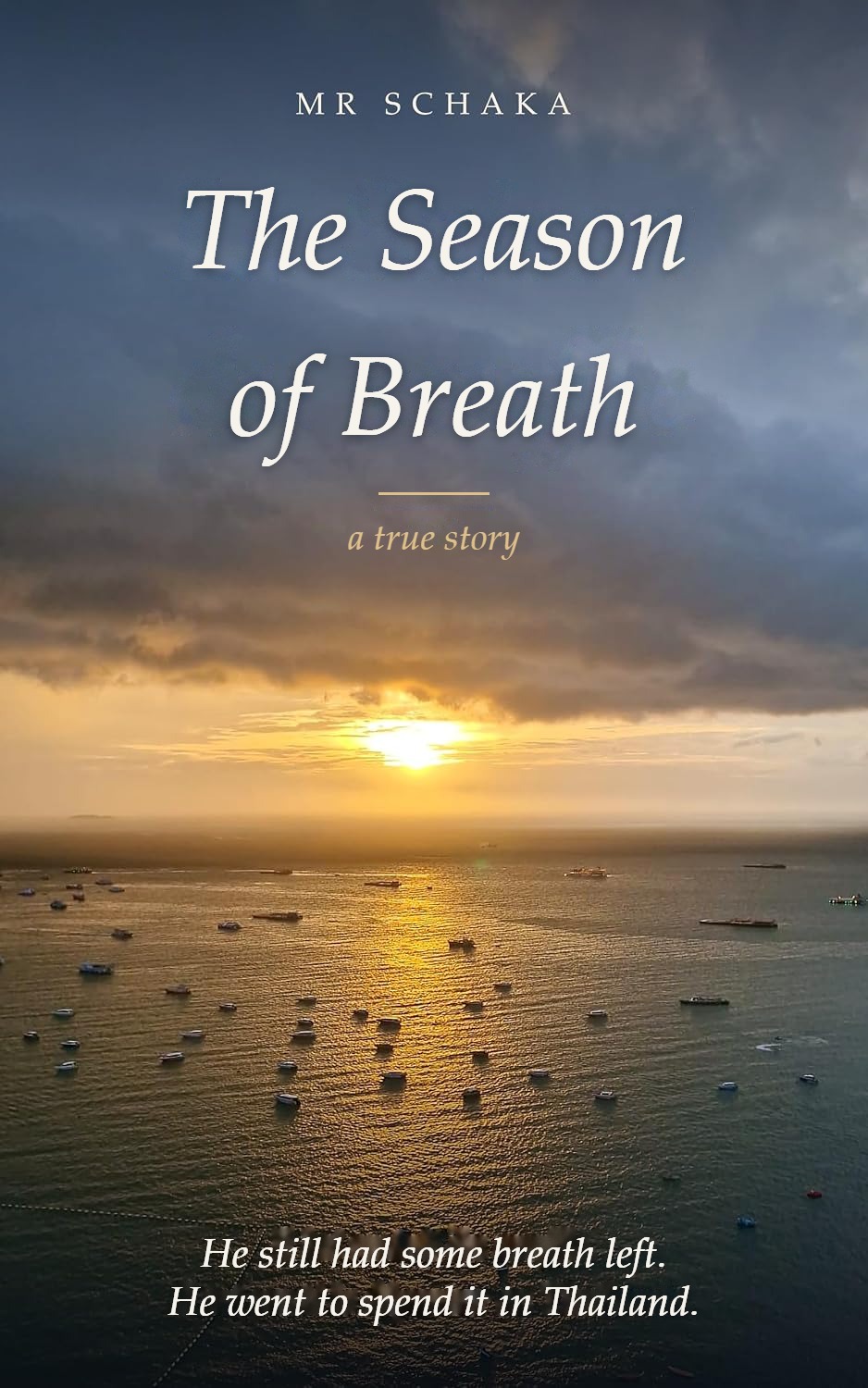
The book
The Season of Breath, Mr Schaka’s story, takes the reader to Isan, into his partner’s family. A way to discover the region from the inside. Available in English.