Nan also lives in the spaces between its landmarks
A visit to Nan in northern Thailand can take a more attentive form than a succession of temples. Streets, courtyards, small shops and places to pause connect familiar landmarks with a town that continues to be inhabited. The idea for this day is straightforward: choose a few cultural reference points, then give the journeys between them a meaningful place. This is not a search for somewhere unchanged by time, nor a claim that several hours will reveal the whole history of a place. It is a chance to notice concrete relationships between buildings, objects, everyday uses and conversation without turning every available minute into another required stop.
Use the old quarter as a manageable working area
The Creative Economy Agency presents Nan’s old quarter as an area where religious heritage, commercial life and creativity meet. That is a useful perspective because it does not separate a town of monuments from an ordinary town. When planning, examine the specific area containing the places that interest you and the point where you will arrive. A provincial map may gather distant attractions on the same page without creating a walking circuit. Begin with a small area that makes sense, including one first visit and a possible break. You can expand the plan later if actual conditions and your available energy support the decision, rather than assuming that every nearby name must be included.
Establish a reference that belongs to the actual day
On arrival, record where you have been dropped off and how you intend to leave. A Thai address, a saved location and a clear meeting point often make the beginning more comfortable. Look at crossings and walking conditions before following an itinerary automatically. The relatively modest size of an area does not remove the practical constraints of a junction or uneven surface. If travelling together, share the reference points rather than making one person responsible for every organisational detail. This quiet framework creates freedom afterwards: each person can look around without worrying that the outing is gradually losing its connection with the return journey.
Wat Phumin can provide a first cultural anchor
Wat Phumin is among the places highlighted by Thailand’s tourism authority when introducing Nan. If you select it as your first anchor, confirm current visiting arrangements and respect the guidance on site. Before searching for a famous image, understand how the place works: where visitors enter, where movement is appropriate and which spaces belong to religious practice. Walking through a courtyard is already part of the visit. Noticing how a building organises approach, stopping and passage gives a different attention from simply photographing a facade. A temple remains a place of worship even when it also functions as an important cultural reference for visitors from elsewhere.
Look at paintings as a connected field of details
Wat Phumin’s paintings are among the familiar images associated with Nan. Yet a visit need not stop at recognising a scene already encountered on a poster or screen. If access and visibility allow, choose one detail and examine its relationship with what surrounds it. Clothing, a gesture or the arrangement of figures can raise a question without allowing an immediate interpretation. Use an identified explanation where one is available, and keep it separate from your own impression. Follow photography instructions, including any restriction on flash. An old work of art does not have to become your photograph for the experience of looking at it to remain worthwhile.
Give quiet behaviour a practical purpose
In a religious space, discretion is more than a polite phrase. It makes room for people who are there for reasons other than sightseeing and helps you notice what continuous conversation might conceal. Silence a telephone, step out of a passage to talk and wait before photographing a person. If unsure how to act, read the available guidance and ask simply. There is no need to imitate a ritual gesture you do not understand in order to demonstrate interest. Respectful presence can remain uncomplicated: look, listen, allow space and accept that part of the place may not be intended for your particular visit or your camera.
Let the national museum change the perspective
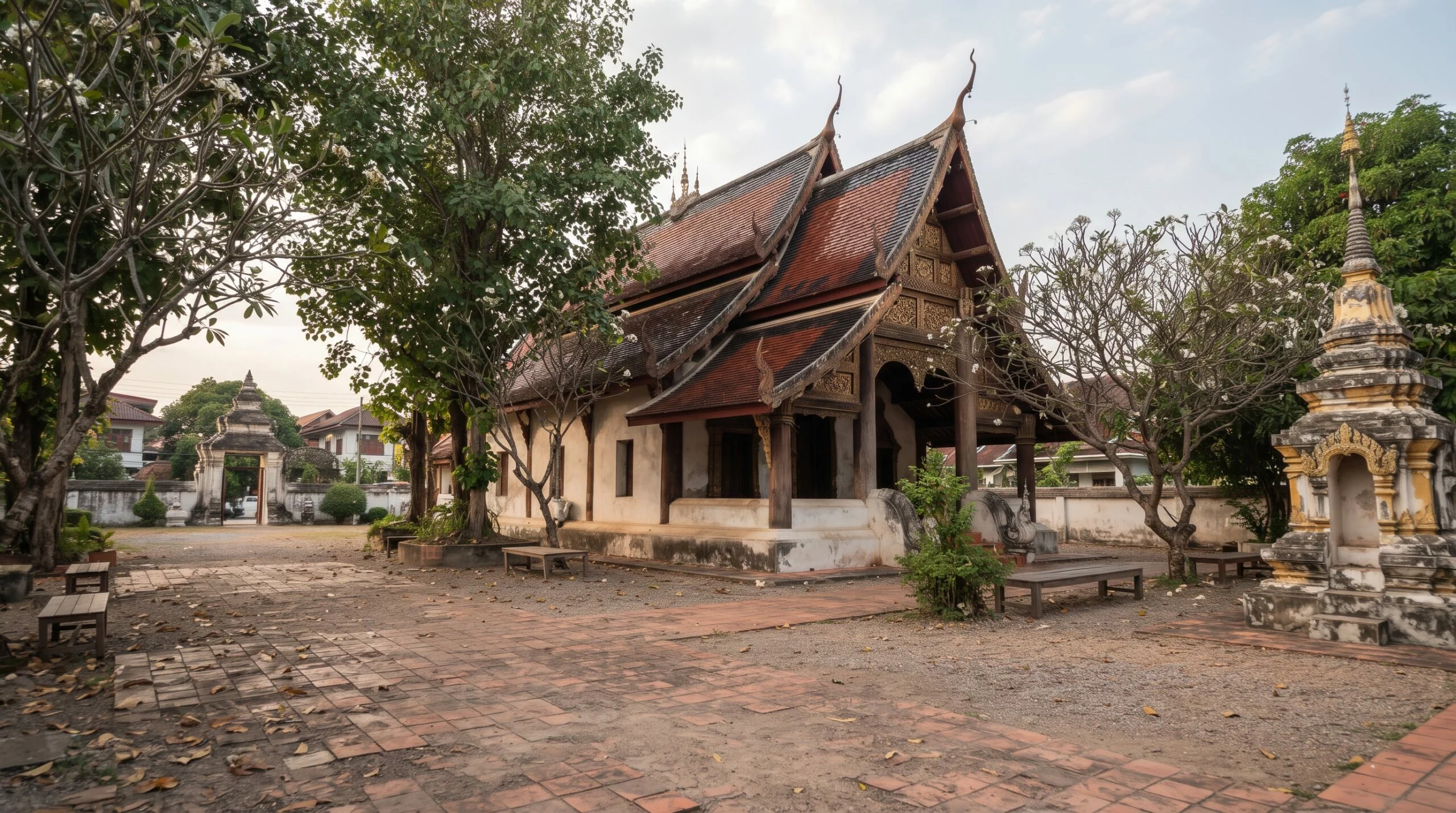
Nan National Museum is another central cultural reference identified by official sources. It can complement a temple visit by giving more attention to objects, documents and the historical organisation of the area. Confirm opening arrangements directly before making it the hinge of your programme. A tourism introduction is not evidence that a particular service will operate at your intended arrival time. To avoid wandering without a thread, prepare one question: which objects show exchange, how is a material used, or how does a collection explain relationships between different activities? You do not need to inspect every item to leave with a precise answer that enriches the rest of the day.
Leave space after a visit before beginning another
Allow a short interval after leaving a cultural site. Write three words, tell someone about an observation or simply look at the neighbourhood from a quiet position. This pause gives information a shape that belongs to you. Without it, names, rooms and pictures can eventually become difficult to distinguish. You may decide that one indoor visit is enough for the morning. A programme has value because it helps you connect what you have seen, not because every line is filled. An attentive street walk after a museum can offer more than a further admission made automatically because the next place is already waiting on a list.
Read a street through its thresholds
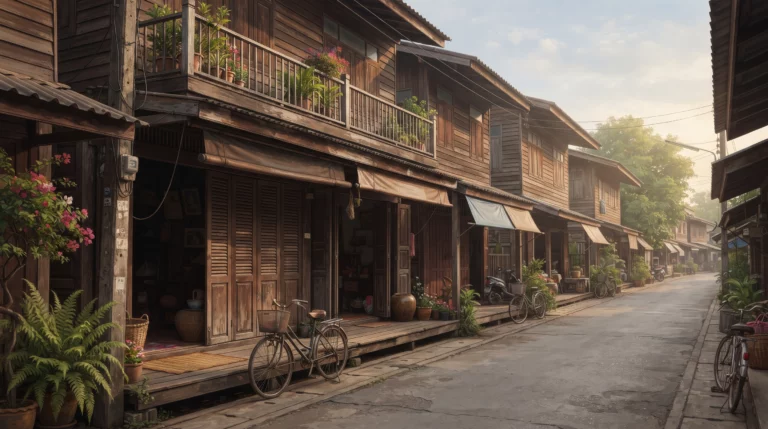
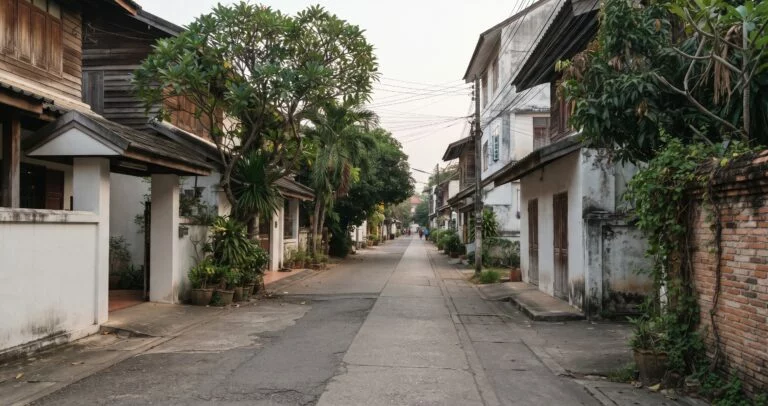
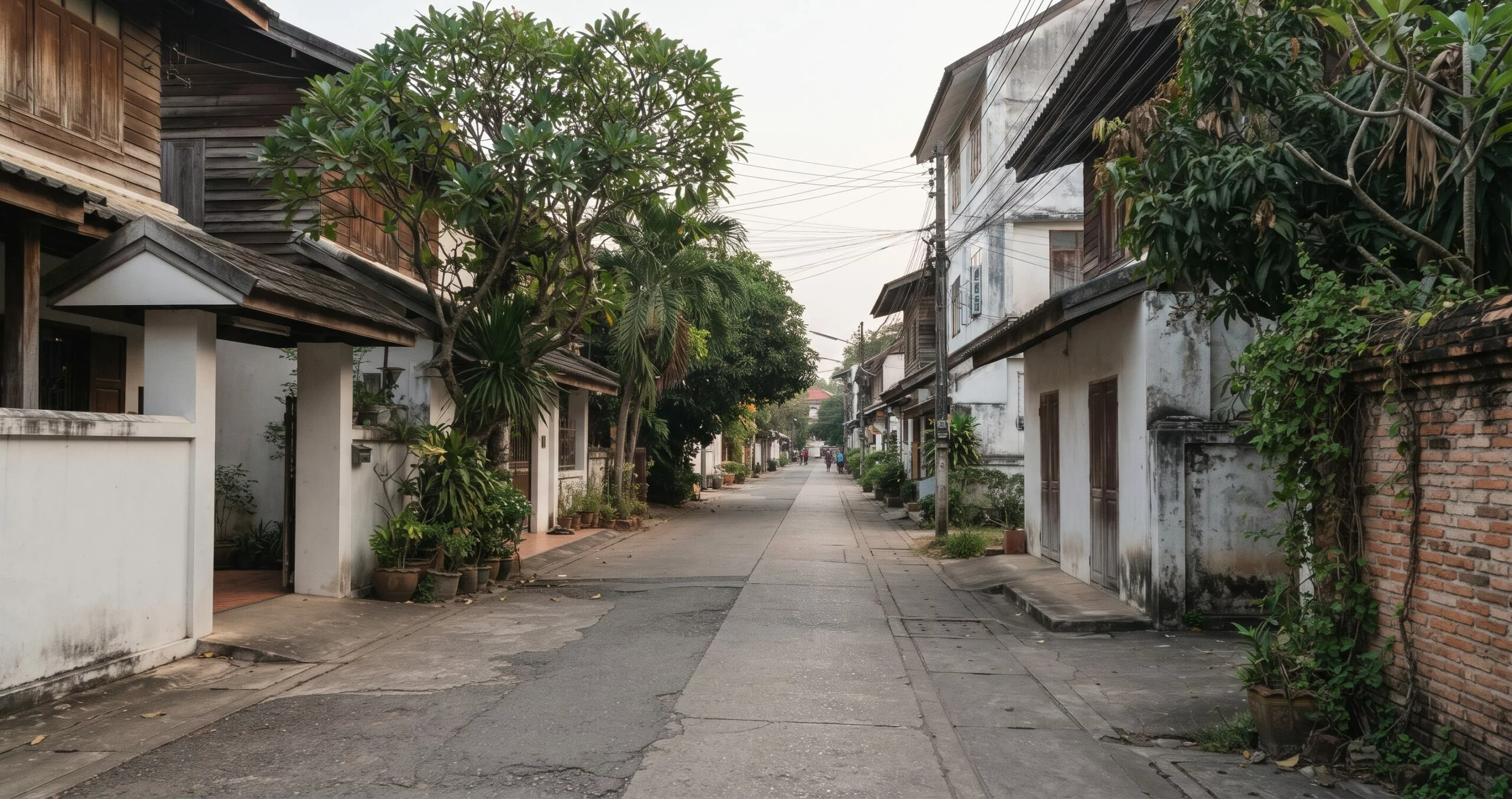
Between well known points, examine transitions from inside to outside: an awning, a step, a recessed facade, a few plants or a way of displaying an object. These thresholds suggest how space is used without requiring entry into anyone’s home. Avoid turning an ordinary feature into evidence of an unchanging tradition. A neighbourhood develops, adapts and meets contemporary needs. A good description begins with what is genuinely visible. When photographing, choose an angle that does not needlessly expose a private interior or an inhabitant’s identifiable face. Attention to architecture is compatible with respecting the people whose presence gives the buildings their continuing purpose.
A shop is an exchange, not a ready made set
Creative and commercial activities belong to understanding the old quarter. In a shop, take time to see what is offered before requesting a demonstration or a photograph. Interest in an object can begin a conversation, but a seller is not obliged to turn work into a performance. A short question and a considered purchase may mean more than a long collection of pictures taken without exchange. If someone offers an explanation, retain its origin and avoid generalising it to an entire province. A particular encounter matters precisely because it belongs to a person, a location and a moment, rather than serving as a convenient statement about everyone who lives nearby.
Appreciate a textile without inventing its origin
A fabric can attract attention through texture, colour, flexibility or the repetition of a pattern. Start with those visible qualities. To discuss technique, origin or community, seek information from the seller, maker or an identified cultural resource. A pattern seen on one counter does not establish the history of every textile in Nan. If considering a purchase, ask about care and what can be known about its production. You will have a useful object accompanied by useful information, rather than a cultural label selected too quickly because it seemed to make the purchase more authentic. Curiosity becomes stronger when it remains specific enough to admit what is not yet established.
Do not use the centre as a shortcut to the province
Introductions to Nan also describe landscapes and destinations beyond the town centre. These possibilities can inspire another stay, but they should not slide unnoticed into the time assigned to an urban outing. Before adding a journey, check the real distance, transport, return arrangements and current conditions. A point on a provincial map is not necessarily a small extension of the walk you are already making. You can remain in the quarter and keep other ideas in a notebook. A tighter geographical choice is not less ambitious when it gives greater precision to observation and allows time for the places that initially brought you there.
Let lunch connect the morning’s observations
Choose somewhere you can order clearly, sit if needed and take time to eat. Notice how the place operates without turning every dish into a challenge. If you have an allergy or dietary restriction, confirm ingredients rather than trusting a familiar appearance. A break is also an opportunity to revisit the morning: a detail at the temple, an object in the museum or a question about fabric. Conversation then creates a connection between stops. An address does not have to be famous online to make the moment worthwhile. A modest meal that fits the group can give the afternoon a better starting point than another rushed search for a celebrated venue.

Walk together with room for different interests
Within one group, one person may enjoy buildings, another objects and another the feeling of a street. That variety can be organised without requiring everyone to care equally about every detail. Choose shared time for a visit, then an area where people can observe in their own way, with a clear meeting arrangement. With children, one open question may be enough: which detail would you draw, or which object needs an explanation? Allow unexpected answers. The day is easier when different speeds are discussed before tiredness arrives and when everyone understands how to shorten the outing without making another participant feel responsible for spoiling it.
Heat and rest belong in selecting the next stop
Even a deliberately slow walk can lose its quality when it involves repeated stretches in the sun. Plan water, pauses and appropriate clothing, then adjust to the actual weather rather than imagining a season that is always comfortable. Assessing energy after a visit helps decide whether the next stop will still add something. For someone with difficulty walking, investigate specific surfaces and entrances. This article does not certify a completely accessible itinerary. A short distance with places to rest may offer more than a broad circuit that eventually turns the visit into a search for somewhere to sit rather than an opportunity to look around.
Cycling offers another rhythm that needs preparation
The tourism authority also discusses cycling as a way to read Nan’s old quarter. That can be interesting, but it requires an assessment of your confidence, traffic conditions and appropriate parking. A picture of cyclists in a brochure does not guarantee continuous protected space on every road. Before hiring a bicycle, understand the equipment and the way back to the starting point. In a busy area, dismounting and walking may be the right choice. Cycling does not have to turn the day into a search for distance. It remains one possible means of connecting observations and stops, to be selected because it suits you rather than because it looks attractive in promotional material.
The accompanying images suggest an atmosphere
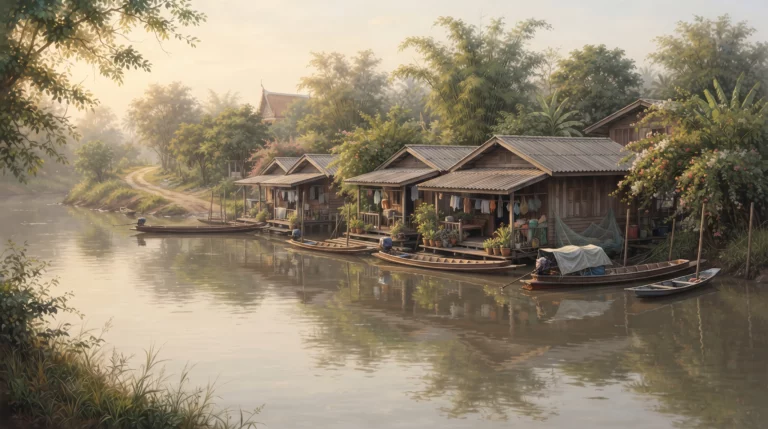
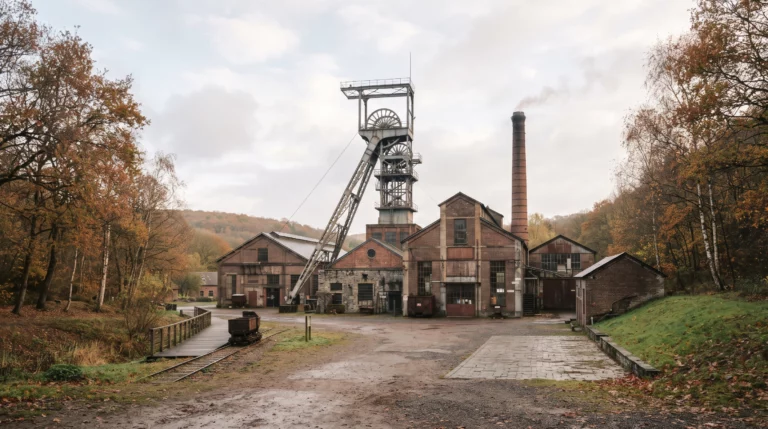
The illustrations with this article were generated with Gemini and supplied for the publication. They evoke a northern Thai street, a temple courtyard and fabrics in a shop. They do not document precise addresses and are not photographs taken in Nan on a specified day. Their purpose is to support an atmosphere, not to establish opening arrangements, the existence of a particular object or the identity of a workshop. Use current sources and local contacts for practical decisions. Keeping illustration separate from observation will later help you describe your own visit with genuinely situated reference points, instead of accidentally treating an imagined scene as evidence of something you encountered.
Keep the origin of an explanation
A notebook can hold two kinds of sentence: something you saw and something you were told or learned. Retain the distinction by recording the sign, guide or person behind an explanation. Information shared in conversation can be valuable without automatically becoming a general truth about a whole culture. You can also write a question to investigate later. The method needs neither lengthy writing nor a complete inventory. A few lines preserve a detail and its source while leaving enough time to be present in the town, rather than constantly preparing the account you may eventually give to someone who was not there.
Make the final decision deliberately
Towards the end of the outing, choose between another visit and the time to return calmly. Include transport, the group’s energy and the amount already absorbed in that decision. Do not be drawn into a last stop simply because its name appears on a list. Ask what it would genuinely add to your understanding of Nan. If the answer remains vague, revisit a place you enjoyed or take a break. Leaving with a little uncommitted attention is often more pleasant than finishing in a rush. Addresses kept for another occasion are possibilities, not proof that the day you have actually experienced was somehow incomplete.
Leave with a town that remains alive
Nan offers continuity to this approach to travel: a temple begins a question, an object changes its direction and a street shows how heritage belongs to present use. None of those connections summarises the entire town, but each can give a day greater depth. Before leaving, check your reference points and keep the information needed for the return. Afterwards you can describe a discovery made through precise choices, conversation and things still to understand. The town will not have been reduced to a collection of famous images. It will remain somewhere people live, work and give a present to the inheritances visitors have come to observe.
Sources for planning your visit
- Tourism Authority of Thailand — Nan
- Thailand Tourism Directory — Nan National Museum
- Creative Economy Agency — Nan Old Town District
- Tourism Authority of Thailand — Green Tourism, Nan Old Town
To go further
Mr Schaka’s guidebook, Bangkok – The Practical Guide, covers the essentials: transport, neighbourhoods, addresses, food, etiquette and safety, updated for 2026–2027.