An Ayutthaya visit can become a collection of names when every stop means getting out, photographing a silhouette and moving on. It can also take another form: understanding one ensemble, recognising a difference and allowing a place to become more than an image you already know. The number of temples covered is not a sufficient measure of discovery. This guide suggests an observation-led visit, built around a few clear choices instead of a circuit that must be completed regardless of what you actually find interesting.
This is an editorial approach to visiting on 2 November 2026, without guaranteed opening, prices or journey arrangements. Check current conditions before travelling and respect permitted access on site. Nothing here claims to recount the author’s personal experience. The exercises are original tools for looking at ruins. Historical and geographical reference points remain separate from the questions each visitor may choose to explore. Their purpose is to support attention, not to turn an uncertain interpretation into a fact simply because it sounds convincing.
Keep the historical frame short enough to use
UNESCO describes Ayutthaya as a former Siamese capital, founded around 1350 and destroyed in 1767. Its historic city occupied an island surrounded by three rivers. These few reference points are enough to begin: they provide a scale of time and remind you that the remains belonged to a city, rather than a collection of isolated backdrops. You do not need to memorise a sequence of reigns before arriving. Choose a question that this basic frame makes you want to investigate during the visit.
You might look at how a space directs attention, where an enclosure changes the experience of approaching or what repeated forms do when seen from a distance. These are observation questions, not ready-made historical answers. When you do not know an element’s purpose, record it as a question. An opening is not automatically an original doorway, and a regular surface does not establish a date. This caution makes the visit more interesting: you learn to separate what you can see from what will need checking. Uncertainty becomes a useful next step rather than an embarrassment.
Choose two ensembles that can speak to one another
Instead of committing to a long chain of stops, select two ensembles for an initial comparison. Wat Mahathat and Wat Phra Si Sanphet can offer different points of attention, provided you check their visiting conditions. One need not be reduced to a famous image and the other to a general silhouette. Write what you want to observe in each: a detail’s relationship to its setting, repetition of volumes or the experience of an open space. The choice then has an explanation beyond the places appearing on a list.
Keep a third site as a possibility, rather than a debt to settle before the day ends. Decide after the first two, according to available attention and actual logistics. This also lets you extend a stop that creates genuine curiosity. If you want to reread a panel, study a plan or ask a guide a question, you do not have to leave merely to preserve a string of completed boxes. A carefully developed comparison creates substance; an additional stop does not do so automatically. You are choosing what the day can meaningfully contain, not reducing its ambition.
Include the spaces between monuments in the plan
Your map should show transitions as well as monuments. Locate the selected ensembles’ entrances, a meeting point with any driver and somewhere you intend to pause. Do not treat the space between symbols as effortless movement. You will need to find an entrance, leave the previous site and possibly cross an urban environment. Decide whether to walk or use another means from the whole route, not an abstract distance between two names. The approach and departure remain part of the outing even when a sightseeing list makes them disappear.
When booking transport for several stages, explain the exact places and ask how waiting and programme changes will work. Distinguish transport from cultural interpretation: a driver is not necessarily responsible for explaining the remains. Likewise, ask what a service described as a guided visit actually includes. Who accompanies you, in which language and for which portion? These details protect observation time by avoiding the discovery on arrival that each party understood a different service. Clear practical arrangements create space for cultural attention instead of making visitors negotiate the basics between every monument.
Understand an ensemble before hunting for details
On arrival, begin with the available plan and circulation instructions. Identify accessible areas, then choose a permitted viewpoint from which you can take in the arrangement. Look at masses, intervals and apparent axes before approaching a particular element. This first view gives the later detail a frame. Without it, a close photograph can remain impressive while explaining almost nothing about the place it belongs to. A recognisable object becomes more informative when you understand how your route through the ensemble brought it into view.
Try a three-stage reading. First describe the whole in ordinary words: tall, low, aligned, open or narrow. Then select one form that attracts attention. Finally return to the wider view and ask whether the detail changes your understanding. You do not need a complete architectural vocabulary to do this. Learn a precise term after recognising the question it answers. A new word becomes easier to remember when it names something you have actually spent time looking at. Observation and explanation can support one another without requiring either to happen all at once.
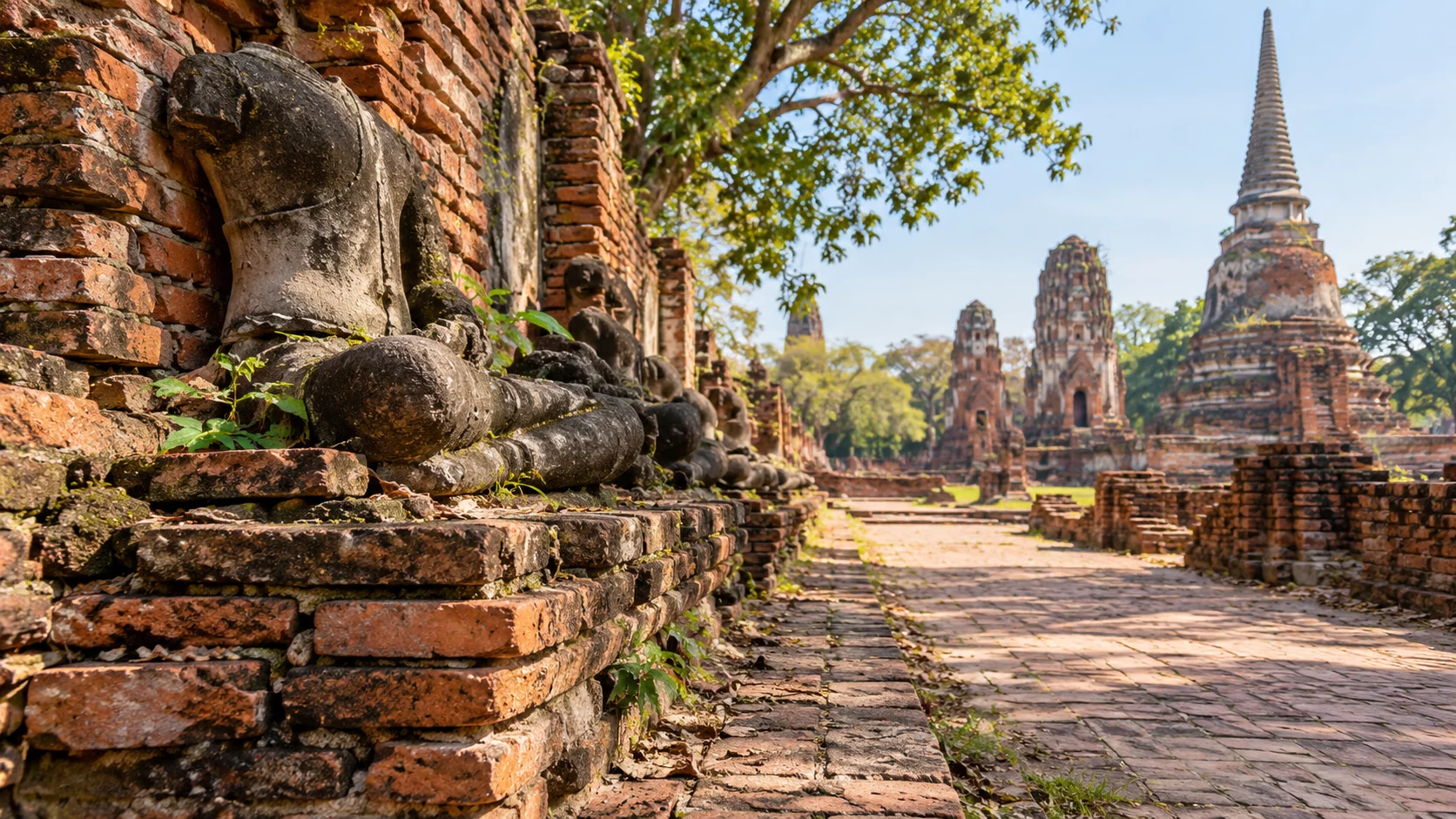
At Wat Mahathat, return a familiar image to its setting
Wat Mahathat is known in particular for a Buddha head embraced by tree roots. If you choose to see it, do not let that image become the entire visit. Read displayed rules, leave room for others and follow instructions on positioning. Then ask what the familiar framing leaves out: surroundings, passages, other remains or the relationship to the ensemble. This is a question about your way of looking, without inventing an explanation of how the scene originated. Seeing beyond a known photograph does not require finding a more dramatic story.
Avoid adding a spectacular account when reliable information is missing. Stories about how an object arrived somewhere can mix documentation, hypotheses and legends. Ask a guide or interpretation material which part is established and which remains uncertain. Preserve the distinction in your own notes. You can describe encountering a familiar image without claiming to solve its history. Accuracy need not diminish emotion; it allows the experience to stand without depending on an anecdote repeated without knowing its basis. A question honestly retained can be a more valuable memory than an explanation that merely sounds complete.
At Wat Phra Si Sanphet, look at repetition
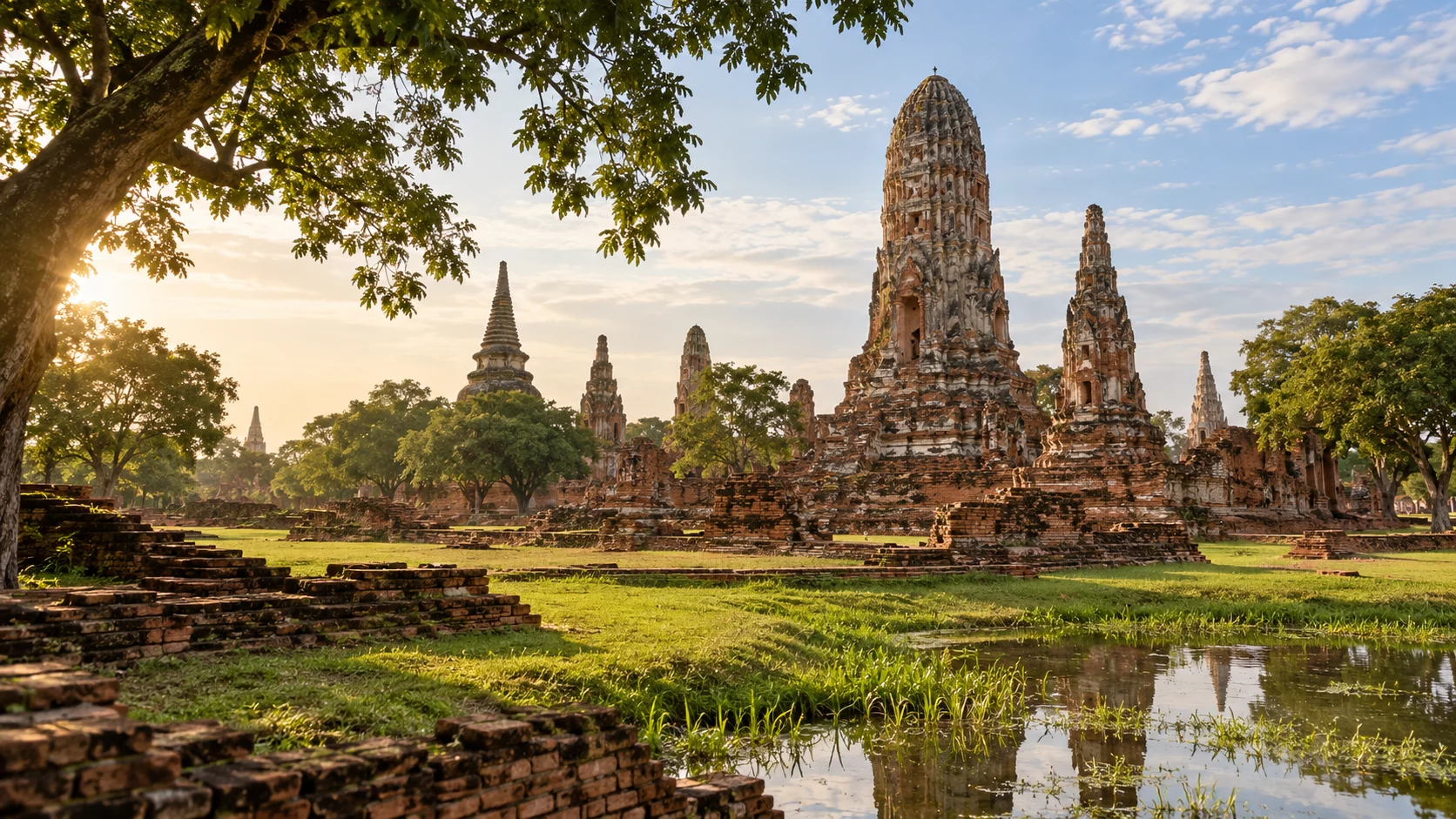
The province’s official presentation highlights Wat Phra Si Sanphet’s three large chedis. Use that reference as an observation starting point, rather than an instruction to reproduce everybody else’s photograph. From permitted paths, consider how a series of volumes reads together and separately. Change position only where movement is allowed. Compare the impression of alignment, the intervals and the place of the sky without assigning an unknown historical cause to every visible difference. The exercise asks how you perceive a composition, not how much unverified information you can attach to it.
A simple task is to describe the same view in two ways. The first sentence gives the general impression; the second names a detail you did not notice immediately. Then ask a companion what they retained. The point is not to determine who looked best, but to discover that two people select different clues. This conversation turns a celebrated form into shared attention. It works just as well without photography, when you prefer keeping a sentence in a notebook. The written line can later help you distinguish this place from other ruins that looked superficially similar at first.
Do not confuse visual closeness with an easy connection
Wat Chaiwatthanaram stands on the Chao Phraya’s western bank, outside the city island. If considering it as a third stage, prepare the connection separately instead of slipping it between other visits as an insignificant detour. Recognising a silhouette on a map provides neither current access nor a journey duration. Check the route, conditions and departure arrangements. This preparation matters more than a promise of particular photographic light. A planned view becomes less appealing if the group has not understood what reaching it and returning will involve.
You may decide not to add it that day. Absence from a programme is not a judgement on a site’s interest. It may simply protect the quality of the visit already chosen. To prepare another outing, record why the third ensemble attracts you: its setting, a composition to understand or a question arising from the earlier stops. You will then have a real intention for returning, instead of a vague feeling that you left an essential item behind. A future visit can begin with curiosity rather than an obligation inherited from somebody else’s list.
Read materials without touching or guessing dates
Changes in texture, colour or assembly can draw attention. Observe them from permitted space without leaning on structures. Take nothing, even when a fragment seems unimportant. What appears to be an isolated small piece can belong to the place’s history and conservation. Begin descriptions with visible properties: smooth or irregular surface, apparent joint, repeated pattern or variation of tone. You do not have to turn every observation immediately into a conclusion about age or authenticity. Describing carefully is already an active way of engaging with the material before you.
If a panel explains a conservation intervention, read it as information that enriches observation. A ruin does not become less interesting because its survival involves contemporary work. Ask what is preserved, stabilised or made legible without expecting brick colour alone to answer. This avoids an easy opposition between a wholly intact past and a present that merely interferes. Visiting also concerns how an inheritance can remain understandable now. Learning the reasoning behind an intervention may make you look more closely at elements you would otherwise dismiss as simply old or new.
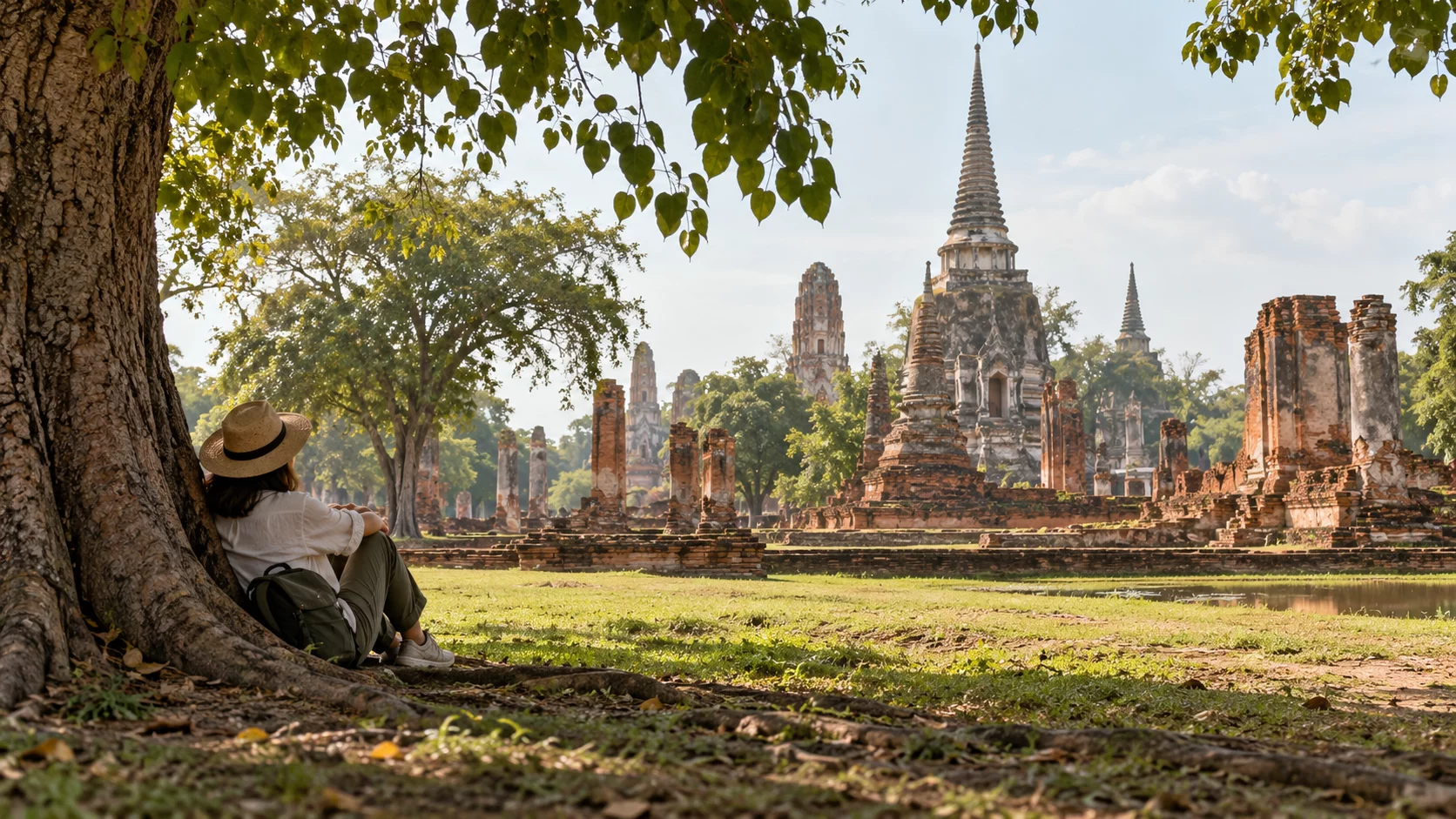
Make a pause part of interpretation
Between ensembles, take a moment to compare what you have just seen. Avoid filling the interval immediately with the search for the next angle. Write three lines: a form retained, a question still open and a difference from the previous place. This short review uses the attention you have already invested. It also helps you recognise whether another site still appeals or whether your observations are beginning to merge and lose their distinctness. Pausing can improve the meaning of a visit without adding another destination or another explanation.
The pause also handles practical needs without inserting them into every stop. Choose somewhere genuinely open and suitable, check the next meeting and reassess the programme. Do not assume a seat or particular service will be available inside every site. If someone wants a longer rest, use that signal to adapt the next stage. Interest in history need not be measured by standing ability or by keeping the same pace as others. A visit can remain intellectually ambitious while becoming physically simpler. The aim is to preserve engagement, not to make endurance a condition of participation.
Give children an enquiry based on looking
Instead of competing over temple counts, offer three observation tasks requiring no contact with remains. Find a repeated form, identify a space that seems to guide movement and choose a detail to draw. Adapt the task to what the child can actually see from the path. This is not a hunt for hidden treasure or an invitation to cross a boundary. It creates a reason for attention compatible with protecting the place and allowing others to move. A task works best when its rules are as clear as the thing to look for.
At the pause, ask what was surprising rather than what was correctly memorised. An imperfect drawing can open a richer conversation than a recited date. Clearly distinguish what the child invents for play from what sources say about a monument. You can imagine a story around a form and then state that it is a creation. That preserves narrative freedom without manufacturing a historical explanation. It also works for adults who enjoy writing, sketching or assembling a personal travel notebook. Creative response and factual interpretation can coexist more comfortably when neither pretends to be the other.
Photograph heritage rather than collecting proof
Choose a few images expressing how you understand the place: an overall view, a relationship between volumes and an attentively observed detail. You do not need to record everything to prove attendance. Wait when somebody uses the same space, keep paths clear and respect rules concerning religious areas. A successful photograph requires neither climbing on an element nor placing a person against a fragile structure to supply scale. Your choice of framing can show care without reproducing a familiar image at the expense of the place itself.
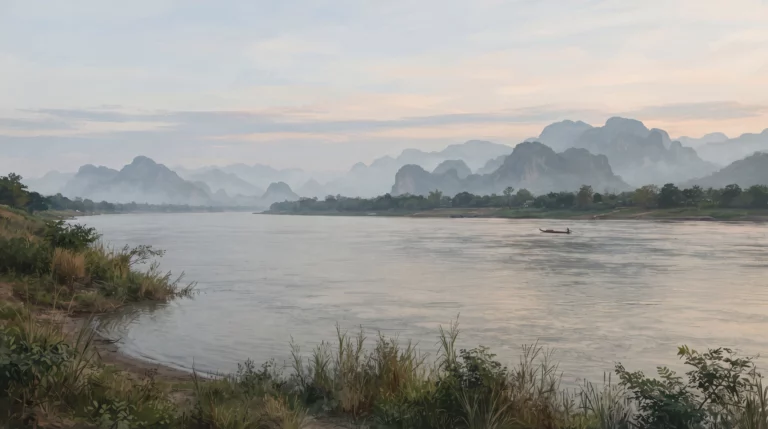
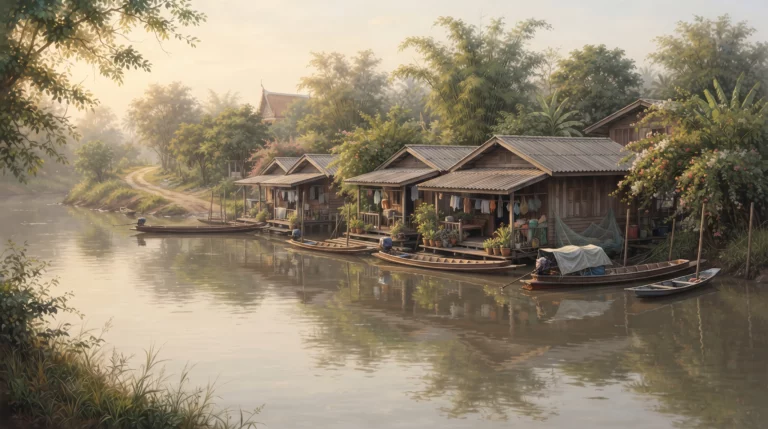
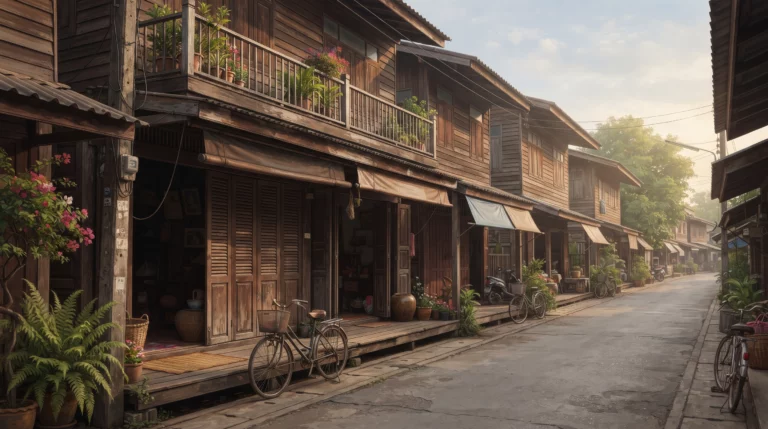
In a personal caption, separate the site name, your visit’s moment and the interpretation you propose. Do not use a photograph to assert permanent opening or access you have not checked. This article’s illustrations are AI-generated; they do not document site conditions on 2 November. For practical information, prefer a dated note with its source. A beautiful view conveys an impression, while service information needs independent verification. Keeping these purposes distinct makes a travel record more useful to you and more honest to anyone who later reads or sees it.
Ask a guide better questions
Cultural accompaniment can be particularly useful when you want to connect observed forms with uses and periods. Before booking, explain the chosen ensembles and the kind of exchange you want. Ask whether questions have time in the programme, whether transport is included and how changes will be managed. You are then buying an understood service rather than the reassuring label of a guided visit. The language of explanation should be clear to everyone wanting to follow. Knowing the scope beforehand helps both visitor and guide use their time together more effectively.
On site, begin with what you see: why does this space read this way, what evidence identifies that element, and which transformations are documented? A precise question gives a guide the opportunity to show a method and distinguish levels of certainty. You do not need to test knowledge with a string of names. A good conversation can also recognise a limit or suggest further reading. Understanding how an answer is established helps retain its content and prevents confidence from being confused with evidence. You leave not only with information, but with a clearer sense of how to assess it.
Finish with a coherent visit, even if incomplete
Before leaving, choose one thing you understand better and one question to keep. That is enough to give the day an ending. Do not turn the last moment into a race to another site merely to balance a list. Check your actual return point, find confirmed transport information and leave the necessary margin. Today’s observed conditions should not become a promise for the next visitor. Keep notes as dated reference points, useful because they explain what you did rather than claiming that the same arrangement is always possible.
Back afterwards, compare observations with official sources. Correct a name, add a term or abandon a hypothesis that does not hold. The notebook becomes work towards understanding rather than a display of final assertions. Ayutthaya rewards this openness: accepting that you cannot see, name or explain everything can help you look more accurately at what is really before you. A human-scale day may leave a more lasting relationship with places than an exhaustive coverage impossible to describe. What matters is not completing an inventory, but retaining something clear enough to revisit in thought.
Sources and checks
UNESCO — Historic City of Ayutthaya; World Heritage Journeys — Wat Mahathat; Ayutthaya Province — Wat Phra Si Sanphet; Ayutthaya Province — Wat Chaiwatthanaram. Reference points checked on 31 October 2026; confirm times, prices and access for the actual visiting day.
#Ayutthaya #Thailand #Heritage #Travel #MrSchaka
To go further
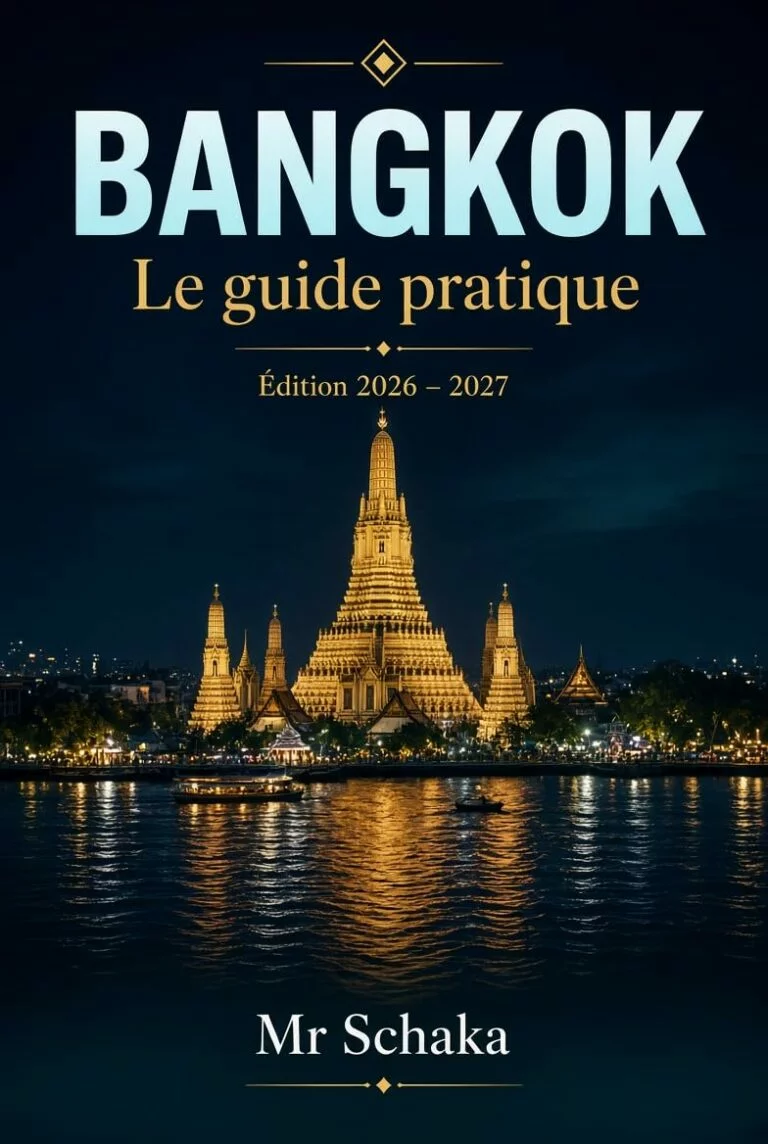
Mr Schaka’s guidebook, Bangkok – The Practical Guide, covers the essentials: transport, neighbourhoods, addresses, food, etiquette and safety, updated for 2026–2027.