Visé: from a rebuilt centre to the landscapes of the Meuse
A day in Visé can have two centres of gravity: the town and the water. The town hall, the Collegiate Church of Saint-Martin and Saint-Hadelin, and nearby streets convey an urban identity; Quai du Halage, Île Robinson and the marina lead into another setting. The point is not to add everything together. It is to understand what changes when moving from facades to riverbanks, from institutions to uses of the river. This proposal organises that discovery in the province of Liège through concrete references and genuine choices. It does not replace a current map or assume guaranteed access to any interior. A visit can remain interesting when some possibilities are deliberately left aside.
Two official circuits, rather than an invented loop
The Pays de Herve tourism office presents two separate descriptions: “Découverte de la Cité de l'Oie” and “Balade en bord de Meuse.” Each lists two and a half kilometres and belongs to the unmarked walks. That distinction is useful preparation. Download the document for your chosen circuit and inspect its starting point before constructing a connection of your own. Do not treat the listed distances as a measure of the complete day: arriving, connecting sectors, stopping and returning also require time. Choosing only one circuit is coherent, especially if you want to read information, enter somewhere after confirmation, or simply enjoy lunch without rushing. The documents support a decision rather than creating an obligation to combine them.
Make your arrival point a real reference
An itinerary begins where you leave a train, bus or car, rather than at the brochure's first monument. Identify your exact position, then save the route to the first stop and the route back. For public transport, consult operators for the relevant date; no frequency is inferred here from an assumed habit. If someone in your group walks slowly, calculate the initial connection and an early-return possibility in particular. On the map, distinguish crossings, bridges and riverbank approaches. A river can bring two views close together in a photograph while requiring a particular crossing to reach the other side. Understanding that difference before walking makes the town easier to explore without unnecessary detours.
Place Reine Astrid: start with reconstruction
The urban circuit description connects Place Reine Astrid with reconstruction after the First World War. It offers a good opening question: can a town with a long past contain a fabric strongly shaped by rebuilding? Look at the overall arrangement before trying to date every facade. Visual continuity does not necessarily prove continuity of materials. Take time to read an information panel or compare an accurately dated historical image with the present view. The purpose is not a game of recognising supposedly authentic elements. It is to understand that repairing a town also involves decisions about what to transmit. That question can remain useful throughout the centre, even when a building initially appears to tell a straightforward story.
The town hall as a civic presence
The town hall is explicitly included among the centre's discovery points. Approach it as a public building whose function matters alongside its appearance. From somewhere you can pause, observe how it distinguishes itself in the street: relative height, upper silhouette, openings and relationships with neighbouring facades. There is no need to assign a date to every feature immediately. A heritage description or guided visit can develop this first impression. Also avoid treating an administrative building as a set freely available inside. Investigate the corresponding arrangements for any possible interior visit. For a first encounter with Visé, exterior observation is already a stop in its own right, not merely a substitute for something assumed to be missing.
What the memory of August 1914 changes
The Province of Liège's historical resources recall destruction and violence in Visé in August 1914. That history asks us to regard reconstruction as more than a question of style. A building can represent architectural achievement and the consequence of a painful rupture. If exploring the subject, choose an identified historical resource instead of an anonymous caption. Distinguish events, testimonies and the ways they are narrated today. With children, explain plainly why a town needed rebuilding, without inventing a personal story for an unknown resident. Afterwards you can allow a quiet moment or move to another stop without turning the whole day into a military itinerary. Remembering a difficult past does not require claiming to have understood every person's experience.
Rue du Collège: check before looking for the museum
Visé's Museum of Archaeology and History is a valuable resource for preparing local context. Its website announces closure for renovation at the time this article is prepared. Check the situation before planning admission, and do not confuse an activity advertised in another venue with the opening of permanent rooms. Publications and historical information remain useful when a building cannot be visited. To investigate further, ask what is actually offered: documentation, an appointment or a particular activity. This avoids building an afternoon around an older tourism description that remains online after circumstances change. It also separates the institution's continuing historical work from a visitor's assumption that every reference to a museum means the same physical visit is available.
The collegiate church and Saint Hadelin's name
The Collegiate Church of Saint-Martin and Saint-Hadelin provides another local anchor. The tourism office's presentation draws particular attention to Saint Hadelin's shrine and its connection with Mosan art. You do not need to memorise a complete chronology to understand the point: a preserved object, a building and a religious tradition do not tell exactly the same story. If the interior is accessible when you arrive, follow current instructions and the place's uses. Otherwise retain the question about the object for later reading. A closed door does not make the building an uninteresting stop; it limits what you can claim to have seen. The distinction keeps the account honest without discarding the cultural interest of the exterior.
Look at a religious object without inventing its meaning
If you can see an object presented in the church, begin by separating its form, its explained function and your impression. Dimensions, depicted images and display arrangements can be observed; precise iconographic interpretation sometimes needs informed commentary. Do not infer each visitor's beliefs from their presence. People may come for prayer, history, art or several reasons. That coexistence belongs to the visit. A question addressed to the appropriate person will reveal more than a story invented from one symbol. Photograph only when conditions allow, without interrupting other uses. You can also leave with a question, then consult a reliable description, rather than trying to give every image an immediate and confident explanation.
Understand the guilds without expecting a parade
Tourism organisations present crossbow and arquebus companies as part of Visé's heritage. Their presence supplies an interesting way to read names and references around the town. It does not mean a parade or company museum will be available on your visit date. For a specific visit, consult the organisation and check whether an appointment is required. Begin by distinguishing the terms: a crossbow and an arquebus refer to different objects and histories. Vocabulary becomes a local question rather than a collection of difficult names. Avoid merging all the companies into one uniform tradition when their identities are precisely what you are trying to understand. A brief observation can become the beginning of research rather than a claim to complete knowledge.
Shopping streets belong to the same account
In Rue du Collège and the centre, heritage is not separated from everyday life. Tourism information about Visé's commerce highlights shops and places to eat. Use that dimension as a transition: after a building or historical reading, notice how ground floors are used today. This creates no entitlement to photograph inside a business without permission. For lunch, check which places are actually open, what they offer and whether they can accommodate your party. Local identity guarantees neither a particular menu nor a price. An enjoyable meal can support the visit without becoming a demonstration of what every resident supposedly eats. A town's working present deserves attention alongside the selected landmarks through which visitors often first encounter it.
Decide deliberately whether to reach the water
Before adding the Meuse riverbank to the centre, take a genuine decision pause. What remains of your energy, available time and the group's interest? Consult the selected connection instead of following an approximate direction towards something shining in the distance. The riverside circuit map is a separate resource from the centre's map. If combining the two requires more than expected, postpone the second sector. This preserves its interest: the river does not become a hurried task after monuments. A visit focused only on town or only on its banks can be complete and provide a concrete reason to return. Separating them in your preparation also makes it easier to explain the choice to companions with different priorities.
The Meuse and Canal de Jonction are not interchangeable
The riverside description mentions a footbridge over Canal de Jonction. That detail invites checking what you are looking at instead of automatically calling every stretch of water the Meuse. On a map, locate river, canal and crossings actually included in the circuit. A change of perspective can bring them visually close together on the ground. This small geographical reading helps explain neighbourhood connections and water-related arrangements. It does not authorise using technical installations or an inaccessible bridge. Follow indicated public routes and accept that a visible connection may not be the connection available for your journey. Understanding water infrastructure can be interesting without needing to enter the spaces that operate or service it.
Quai du Halage: landscape and movement together
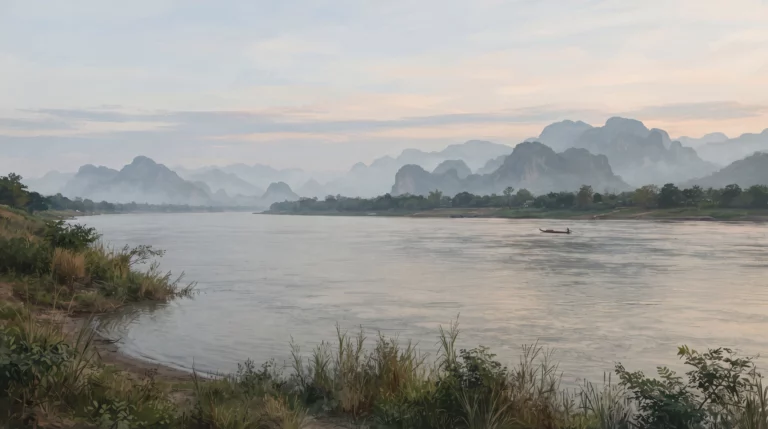
Quai du Halage appears among the official riverside circuit's references. It is interesting because a quay can accommodate several purposes: looking, moving and reaching another area. Before stopping, observe trajectories and avoid cutting across them. Keep an appropriate distance from the edge and do not seek a picture by stepping backwards without looking. If birds are present, let them move without attracting them with food. Observation requires neither forced proximity nor contact. You might notice different movements in water, any birds and passers-by while allowing each to retain space. The setting does not need a spectacular encounter to be worth visiting; its ordinary combination of activities already shows another side of the town.
Île Robinson: connect the name with a history
The island's tourism description explains that Île Robinson was formed from three islands around 1870. This changes how its name can be approached: it is also an arranged landscape, rather than assumed untouched nature. Circuit information associates it with recreation. For your day, check approaches and equipment conditions on arrival instead of promising children a particular activity. An island's name may suggest imaginary adventures; keep family storytelling distinct from the place's actual history. A game can be enjoyable without presenting it as a local legend or an account passed down by residents. The historical detail need not remove imaginative pleasure; it simply gives a reliable boundary between a creative activity and a statement about Visé.
Observe the marina from public space
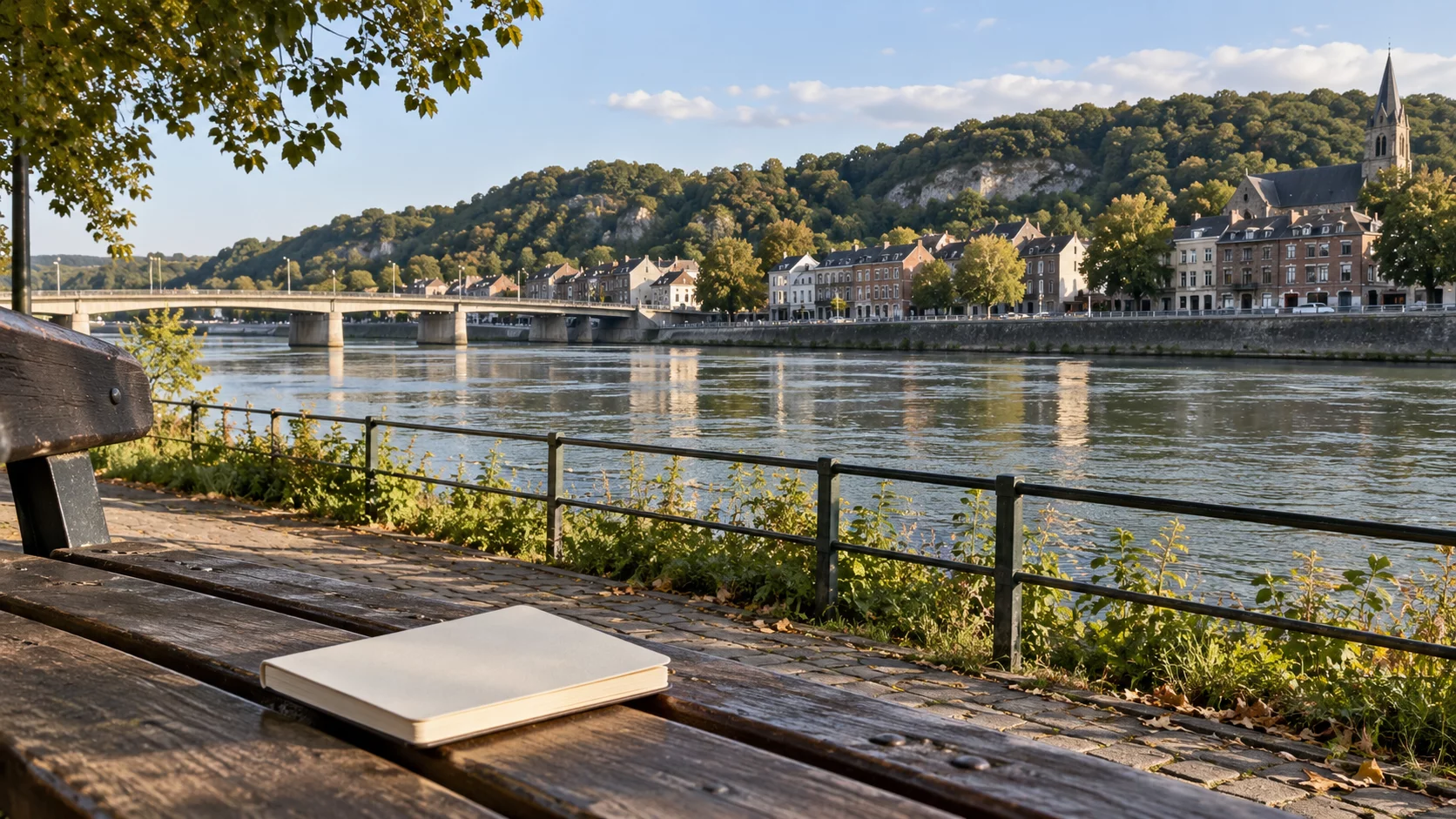
The marina and harbour office are also identified in tourism resources. Observation can concern the organisation of the place: boat alignments, differences between passage areas and service zones, and relationships with neighbouring buildings. Do not assume every pontoon is a public promenade. Respect barriers and instructions, and keep photographs away from private details aboard. Boats are not all available for visits, rental or conversations with owners. A view from a permitted position is enough to understand part of the river landscape. For a service, seek specific information afterwards rather than turning the sight of the marina into an implied commercial offer. You can enjoy its appearance while recognising that some spaces remain workplaces or private settings.
The City of the Goose without a required performance
The nickname used in discovery documents connects emblem, landscape and local culture. It guarantees neither an encounter with birds nor a speciality in every restaurant. With children, look for the goose in the information consulted and discuss how a town chooses symbols. With adults, the question may lead towards commerce, associations or food culture. Do not feed animals to manufacture a picture matching the nickname. An urban identity can be understood when its emblem is not physically in front of us. Documents, names and uses can express the connection without staging a scene. A symbol becomes more useful when treated as a question about the town rather than a checklist item demanding a photograph.
A short programme or a day with two sectors
For a short first visit, choose the centre with town hall and church, or the riverside sector with actually accessible points on your circuit. For a fuller day, keep connecting time and a meal between them, then a return margin. These suggestions create no additional official loop and guarantee no duration. Adapt them to surfaces, group requirements and current information. A general family-walk label cannot explain every constraint faced by a wheelchair user, pushchair or tired walker. Ask for necessary details about specific passages before accepting the whole as suitable. The programme should make the place available to your party, not ask people to prove their endurance in order to satisfy a plan.
Decide what the pictures should convey
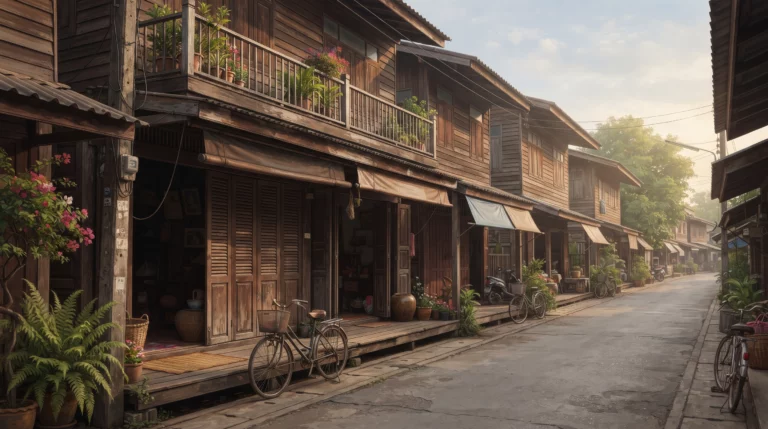
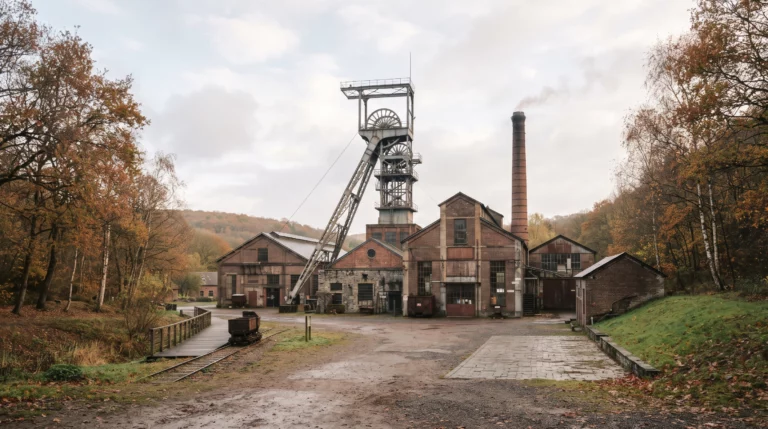
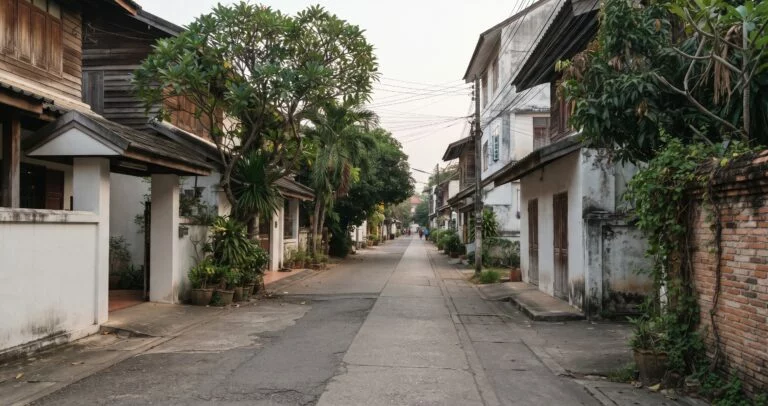
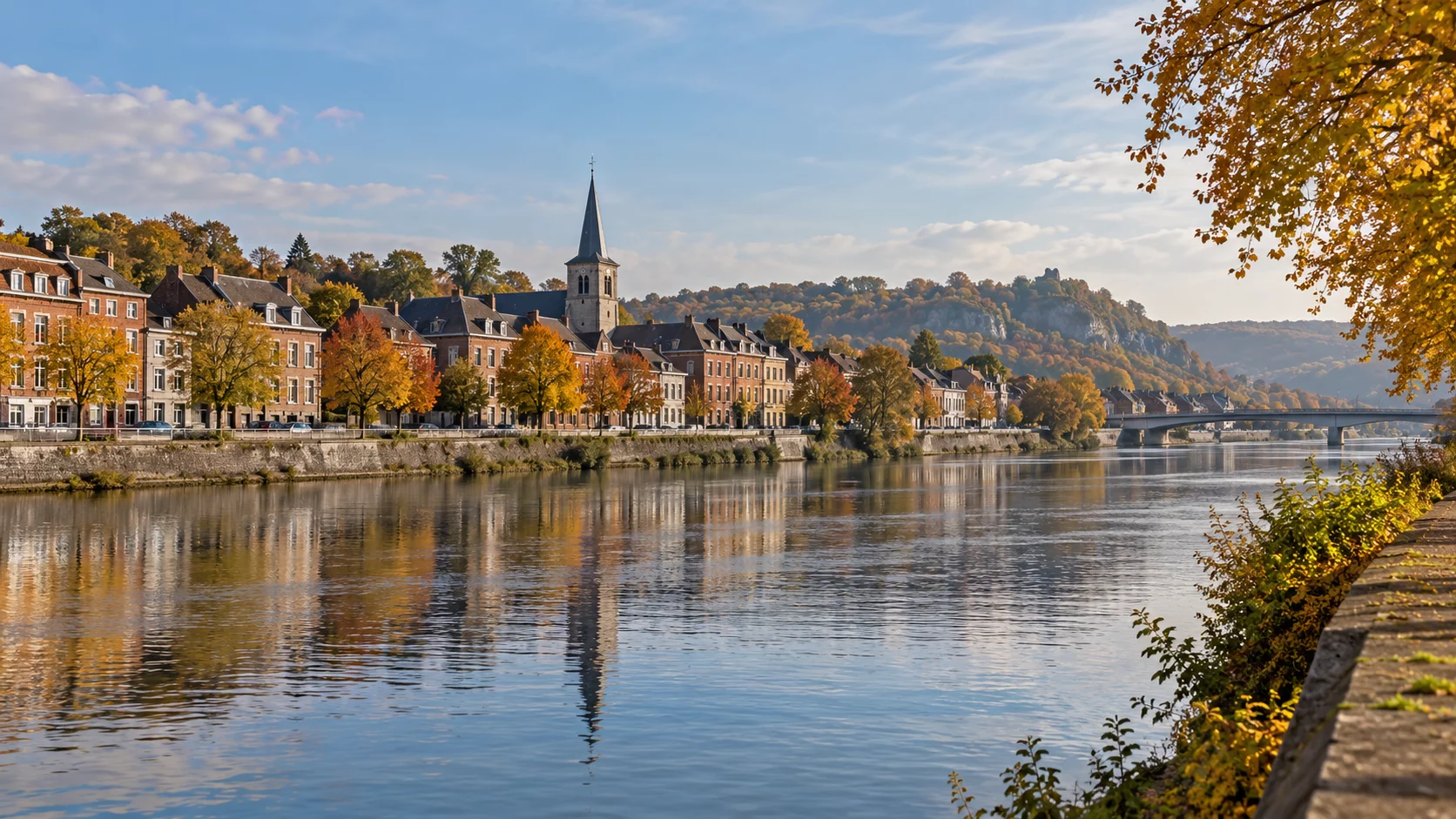
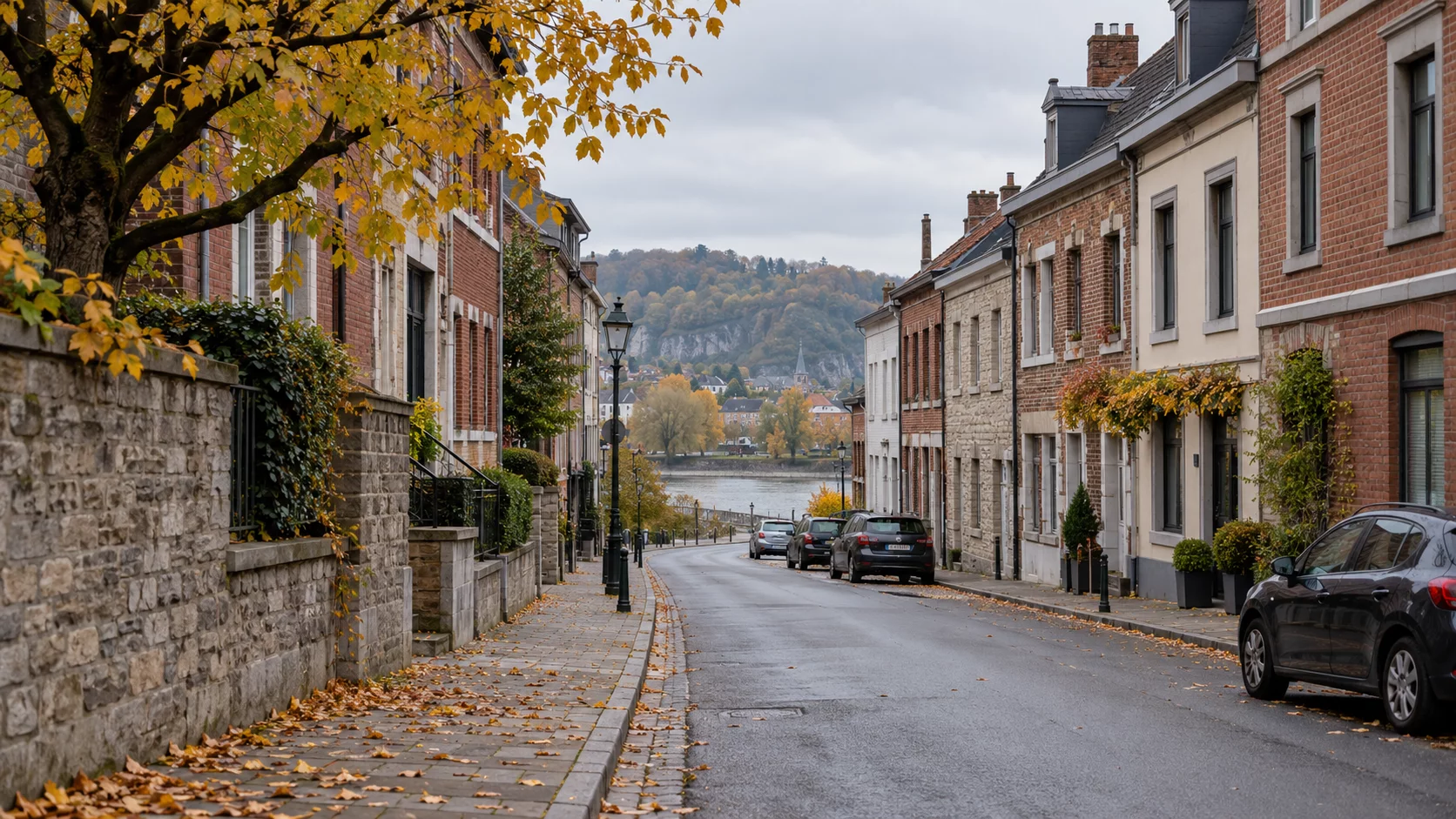
A broad image inspired by the river, a street and a notebook detail can convey the day's two settings without pretending to document everything. This article's pictures are AI-generated illustrations, not photographs made in Visé on a particular date. They prove no opening arrangement, weather or equipment condition. If using your own images, write accurate captions and obtain appropriate permission for recognisable people. Do not make a photograph carry a fact beyond its frame. For a personal memory, a few lines about something understood may be more precise than ten nearly identical images. Pictures can support the account while leaving room for the observations and questions that cannot be shown directly.
What remains of Visé on departure
Before returning, choose one relationship the day helped you understand: reconstruction and memory, object and building, town and water network, emblem and daily use. Then check your route and leave with the planned margin. You do not need a conclusion about every resident or a claim to have seen each neighbourhood. Visé also deserves partial discovery with clear boundaries. The two official circuits help prepare an understandable choice; museum and provincial resources supply historical depth; your visit contributes observations of its own. Their value lies in complementing one another, without replacing current practical information or turning it into promises nobody made. Leave the remaining questions open rather than completing the account with assumptions.
Sources for preparing and checking your visit
- Pays de Herve — Découverte de la Cité de l’Oie
- Pays de Herve — Balade en bord de Meuse
- Pays de Herve — Collégiale de Visé et son Trésor
- Province de Liège — Histoire 1914–1918
- Musée de Visé — informations actuelles
- Pays de Herve — Gildes visétoises
- Pays de Herve — Île Robinson
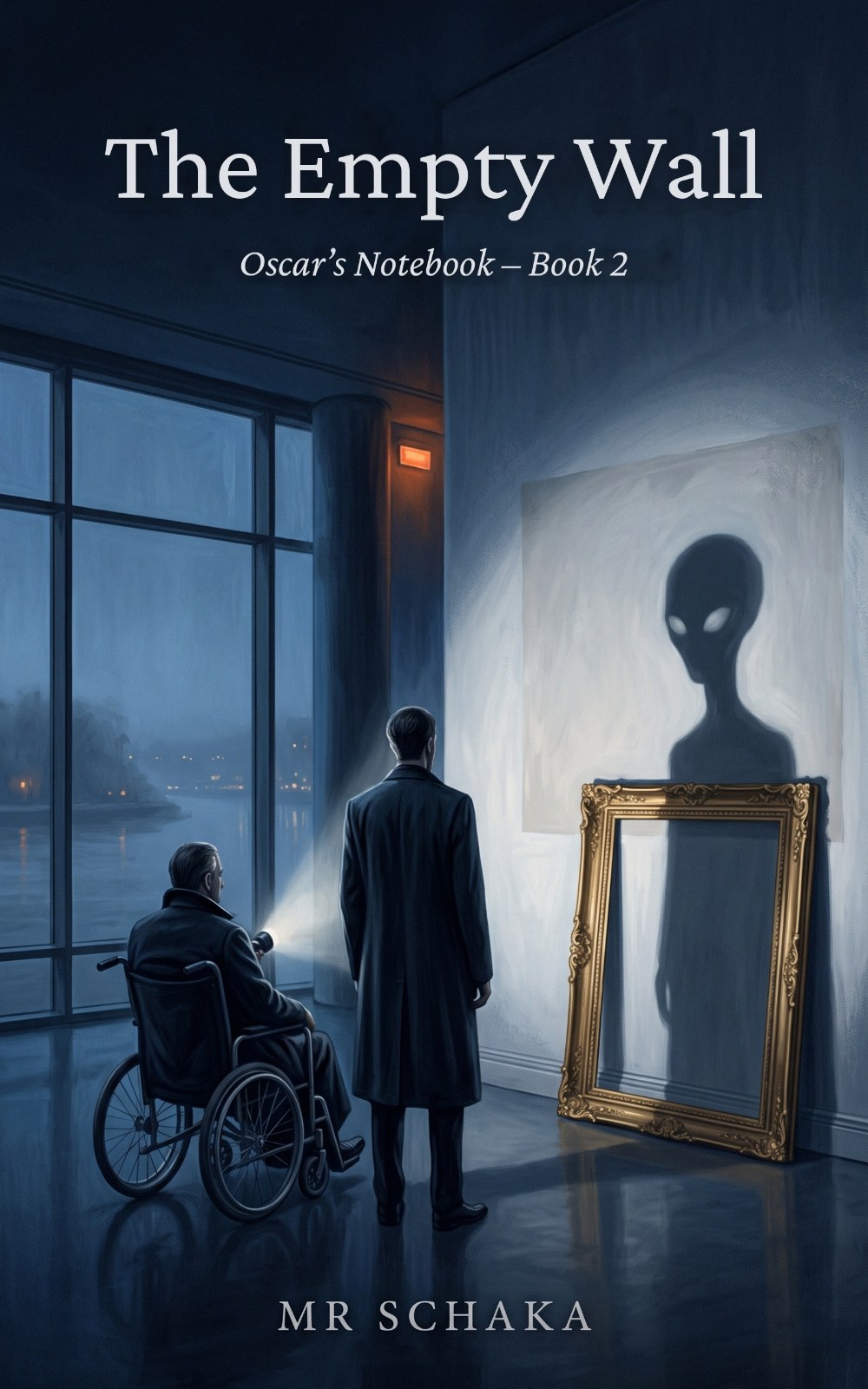
The book
The Empty Wall is the second book of Oscar’s Notebook, a series of crime novels set in Liège.