Should you avoid the Thailand rainy season? Many travellers think so, and many change their minds once they are there. The Thai monsoon is not a week of drizzle: it mostly means short, heavy showers, often in the afternoon, between long sunny spells. But it does not hit every region at the same time, and it has real drawbacks. Here is the region-by-region calendar, what a monsoon day looks like, the advantages, the precautions, and where to go month by month.
Thailand rainy season calendar, region by region
Thailand does not have one rainy season but two main patterns. The southwest monsoon soaks most of the country from May to October. The Gulf of Thailand gets its heaviest rain later, from October to December. That is the key to planning your trip.
- Bangkok and central Thailand: mid-May to October, sometimes into early November. September is the wettest month (around 330 mm on average).
- The north (Chiang Mai, Chiang Rai): mid-May to October, peaking in August. The dry season often returns a little earlier than in Bangkok.
- The Andaman Sea (Phuket, Krabi, Khao Lak, Koh Lanta): May to October. September and October are usually the wettest months, with frequently rough seas.
- The Gulf islands (Koh Samui, Koh Phangan, Koh Tao): fairly dry in summer. The rains arrive from October to December, peaking in November.
- Hua Hin and Pattaya: among the drier areas in summer; the wettest month is usually October.
- The east (Koh Chang, Koh Kood): the wettest region of the country from June to September. Many businesses scale back.
These dates are averages: some years the monsoon starts earlier or lingers longer. For the full year at a glance, see the best time to visit Thailand, month by month.
What a monsoon day looks like
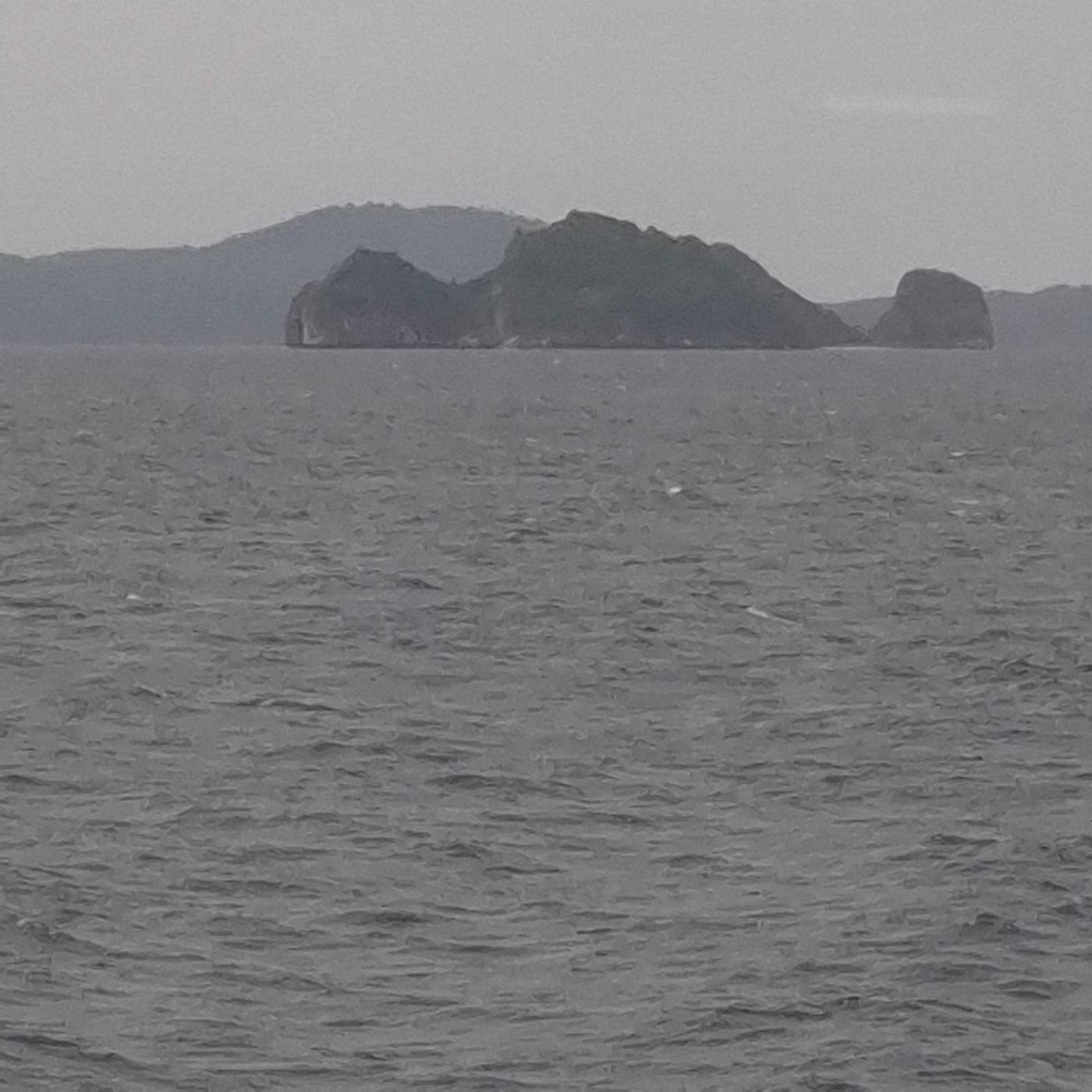
In most regions, a typical day follows the same rhythm. Mornings are often bright and hot. Around midday, the clouds build up. In the afternoon or early evening, a downpour arrives, heavy and sometimes with thunder, for an hour or two. Then the sky clears and the streets dry quickly. Full days of rain do happen, especially when a tropical storm passes in August or September, but they remain the exception.
It stays hot, around 30 to 33 °C, and the air is very humid. Mr Schaka suggests planning outdoor visits for the morning and keeping museums, shopping malls, a massage or a long lunch break for the afternoon.
The advantages of travelling in the rainy season
- Prices: it is low season. Hotels often lower their rates, sometimes sharply in the Andaman beach resorts, and deals are common. September is often the cheapest month.
- Fewer crowds: temples, markets and famous sights are quieter. Last-minute bookings are easier.
- Nature: rice fields turn bright green, waterfalls in the north and west are full, forests come alive. It is the best season for landscapes.
- More bearable heat: the rain cools the air a little after the very hot months of March to May.
Precautions to take
Boats and islands. On the Andaman side, the sea is often rough from June to September. Boat trips and some ferries are cancelled or delayed for safety reasons. Some sites close every year: the Similan Islands National Park closes from mid-May to mid-October, as do the Surin Islands, and Maya Bay (Koh Phi Phi) is closed in August and September. In the Gulf, crossings get rougher from October to December. Leave a day of margin before a flight home.
Flooding in Bangkok. After a heavy downpour, some Bangkok streets end up under water. The water usually drains within an hour or two. Traffic jams, however, get painful and taxis are hard to find. The Skytrain and the metro remain the most reliable way to get around: see getting around Bangkok by BTS, MRT and boat. More serious floods can occur in some years, mainly in September and October: follow local weather alerts.
Mosquitoes and dengue. Rain means more mosquitoes, and dengue spreads more during this season. Thai and international health authorities mainly recommend avoiding bites: covering clothing, repellent, a mosquito net if your room is not air-conditioned. For vaccines, suitable products or any health question, talk to your doctor before you leave. If you get a high fever while there, see a doctor quickly.
Good to know: a light poncho, sandals that can get wet and a waterproof pouch for your phone are often all you need. Umbrellas are sold in every convenience store. Check the marine forecast the day before a boat trip, and take travel insurance that covers cancellations.
Where to go month by month during the monsoon
- May and June: the rains begin, often moderately. A good time for Bangkok, the north, Hua Hin and the Gulf islands.
- July and August: the Gulf islands (Koh Samui, Koh Phangan, Koh Tao) are the best beach choice. Bangkok and the north remain pleasant, with showers. Avoid Koh Chang.
- September: the wettest month for Bangkok and the Andaman coast. The Gulf is still the best beach option. If your dates are flexible, this is the month to skip.
- October: the north clears up, Bangkok improves in the second half of the month, and the Andaman calms down towards the end. The Gulf enters its wet season.
- November and December: the dry season sets in for Bangkok, the north and the Andaman coast (Phuket, Krabi). The Gulf, on the other hand, gets its heaviest rain in November.
To choose between the two coasts depending on when you travel, see also which Thai island to choose.
Thaïlande en poche: for a stay in Bangkok during the monsoon, Mr Schaka’s free app brings together the guide’s maps and addresses, handy for finding a museum, a covered market or a BTS station when the downpour starts. It installs straight from the website: discover the Thaïlande en poche app.
Frequently asked questions
Which months are the rainy season in Thailand?
For Bangkok, the north and the Andaman Sea, roughly May to October. For the Gulf islands (Samui, Phangan, Tao), October to December.
Does it rain all day?
Rarely. Most often there is a heavy shower of one or two hours in the afternoon or evening, after a sunny morning. Full days of rain mostly come with tropical storms.
Where to go to the beach in July or August?
The Gulf of Thailand: Koh Samui, Koh Phangan or Koh Tao, which are in their relatively dry season. Hua Hin is another option.
Do you need to book ahead in low season?
Less than in high season: rooms are easy to find, often at reduced prices. But stay flexible with boats, which can be cancelled in bad weather.
Want to dig deeper?
Rain over Bangkok? Mr Schaka’s Bangkok – The Practical Guide (available in English) helps you turn a wet afternoon into a good day: transport, neighbourhoods, museums and indoor addresses.