Thailand travel over 50 is entirely possible, and often more enjoyable than at 25: you take your time and choose better. The secret comes down to three things: pace, comfort and good preparation. Here is what really works on the ground.
Choose your season: the heat decides everything
According to the Thai government’s official portal, the country has three seasons. The hot season runs from mid-February to mid-May, with highs often between 35 and 39°C, sometimes above 40°C around mid-April. The rainy season lasts from mid-May to mid-October. The cool season, from mid-October to mid-February, is the gentlest on the body.
If you struggle with heat, aim for November to January. Evenings are more pleasant, especially in the north. For a month-by-month breakdown, read our article on the best time to visit Bangkok.
Pace your days
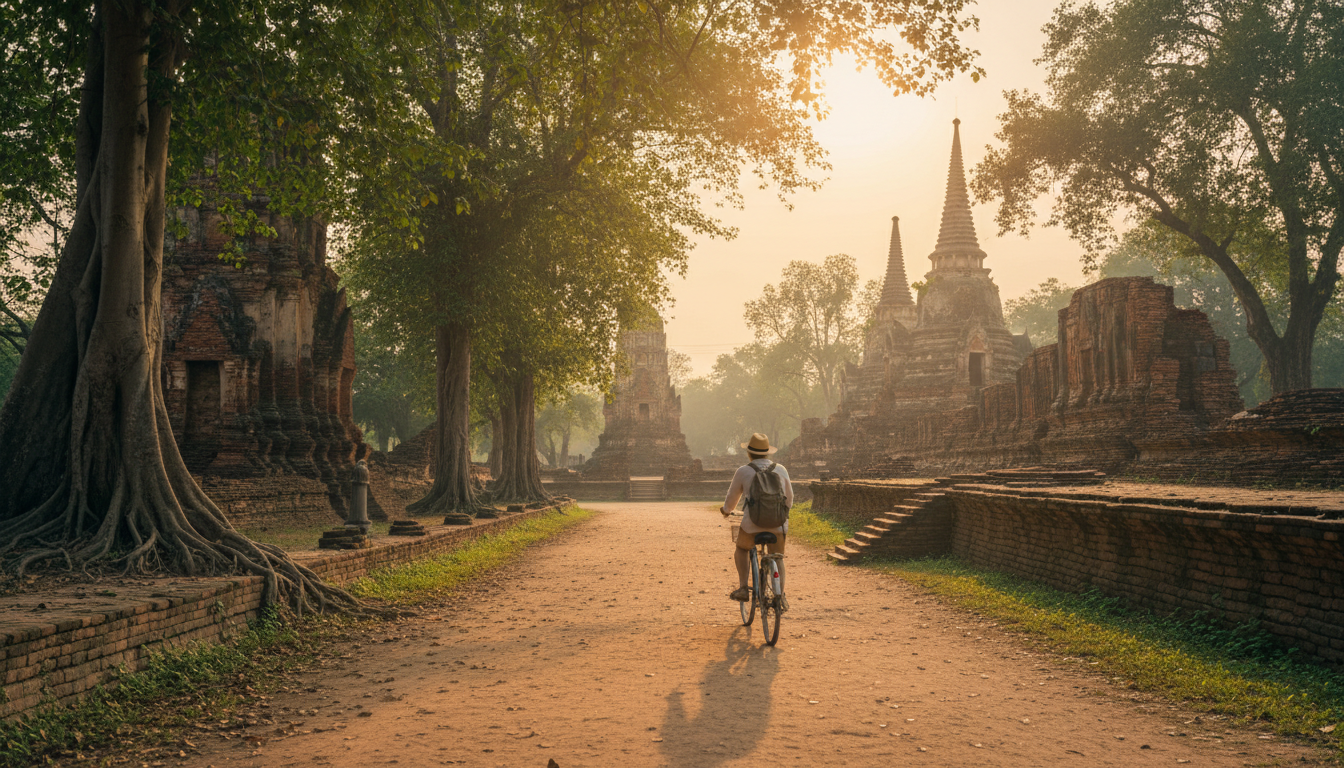
Do as the Thais do. Go out early, between 7am and 11am: markets, temples, walks. Between noon and 4pm, head back somewhere cool for a nap or some time by the pool. Go out again around 5pm, when the light softens: night markets, the riverside, dinner outdoors. One big visit a day is enough.
Comfortable destinations
There is no need to rush around the whole country. Four places are ideal for a relaxed trip.
- Bangkok: get around by BTS, the air-conditioned Skytrain, rather than walking in full sun. It is all explained in our guide to getting around Bangkok.
- Hua Hin: a quiet seaside town about 200 km south-west of Bangkok, or 3 to 3.5 hours by road. Beach, walks and a family atmosphere.
- Chiang Mai: a manageable northern city, cooler in the dry season, full of temples and cafés. About 1 hour 10 minutes by air from Bangkok.
- Koh Samui: a well-equipped island with its own airport. About 1 to 1.5 hours by air from Bangkok, with no bus-and-ferry marathon.
Two or three stops in three weeks is a good pace. Every change of hotel costs half a day of energy.
Travel and sleep without wearing yourself out
Transport
For long distances, domestic flights are the most restful option: flights often last little more than an hour. The night train is still a wonderful experience. Between Bangkok and Chiang Mai, it leaves from Krung Thep Aphiwat station and takes about 12.5 to 13.75 hours. Book a lower berth, which is wider. In air-conditioned second class, expect roughly 760 to 1,040 THB; in first class, in a private compartment, roughly 1,250 to 1,650 THB depending on the train (prices noted in 2026, check when booking).
In town, the Grab app lets you order a car with the fare shown in advance.
Hotels
Check three things before booking: a lift, a room not too far from it, and a BTS station or taxi rank nearby. Many charming small hotels only have stairs.
Health, insurance and long stays
Before you leave, see your GP a few weeks in advance. Take your prescriptions and enough medication, in the original packaging, in your hand luggage. Take out travel insurance covering medical costs and repatriation: Bangkok’s private hospitals have a good reputation, but they are expensive. Read the policy’s age limits carefully.
Staying longer
Since 15 September 2026, visa-free stays for tourists, including Belgian and French nationals, have been cut from 60 to 30 days. To spend the whole winter there, you will need a visa.
The Non-Immigrant O-A (long stay) visa still exists in 2026 for people aged 50 and over. According to the Royal Thai Embassy in Vienna, it requires, among other things, 800,000 THB in a bank account or a monthly income of at least 65,000 THB, health insurance of at least 3,000,000 THB (or 100,000 USD), a criminal record certificate and a medical certificate. It allows a one-year stay, with a report to immigration every 90 days. Applications are made online through the official e-Visa website. The rules change often, so always check with the Thai embassy in your country before booking.
A culture that respects age
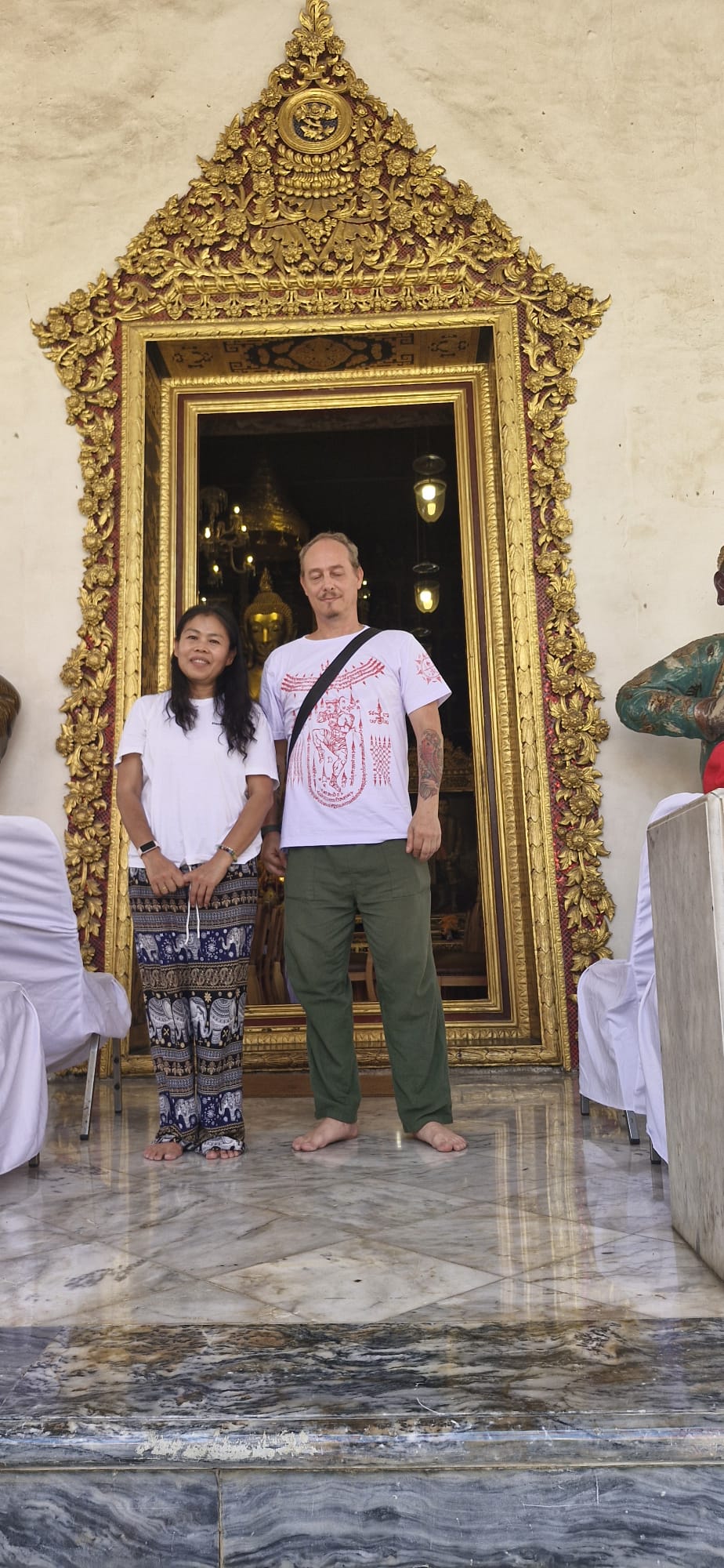
A pleasant surprise: in Thailand, age commands respect. Younger people greet their elders first, with the wai, palms pressed together. On the BTS, some seats are reserved for older passengers, and people will often offer you one. You may be called “lung” (uncle) or “pa” (auntie), an affectionate term. Return the courtesy: a wai, a smile, some patience.
Mr Schaka, himself in his fifties, told the story of his own three months in Thailand in “La Saison du souffle”.
Mr Schaka’s practical tips
- Just one big visit a day, ideally in the morning.
- Always carry a bottle of water, a hat and sun cream in your bag.
- A lower berth on the train, an aisle seat on the plane so you can stand up easily.
- Light, closed shoes: Bangkok’s pavements are often uneven.
- A photo of your prescriptions and insurance policy on your phone.
- A full day of rest after every long journey.
Frequently asked questions
What is the best time for Thailand travel over 50?
The cool season, from mid-October to mid-February, and especially November to January. If possible, avoid April, the hottest month.
Can I stay in Thailand for three months without a visa?
No. Since 15 September 2026, the visa exemption has been 30 days for Belgian and French nationals. For a long stay, check with the Thai embassy.
Is the O-A visa only for retirees?
No, it is open from age 50, provided you meet the financial, insurance and criminal record requirements.

The book
Mr Schaka lives with pulmonary fibrosis and has been travelling in Thailand for years. In The Season of Breath he tells the story of that journey, one step at a time, with humour and no self-pity.