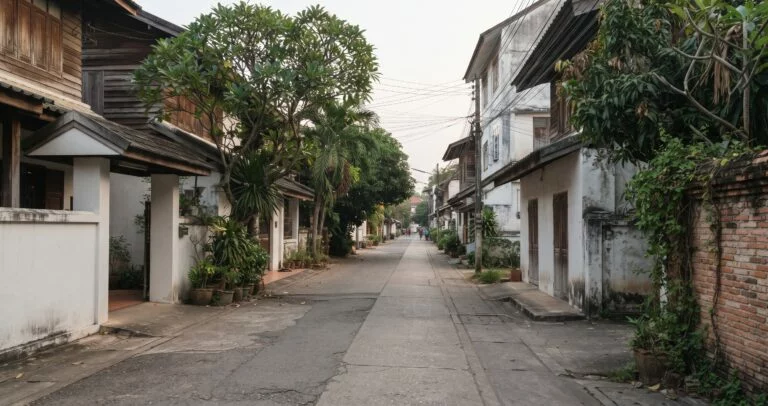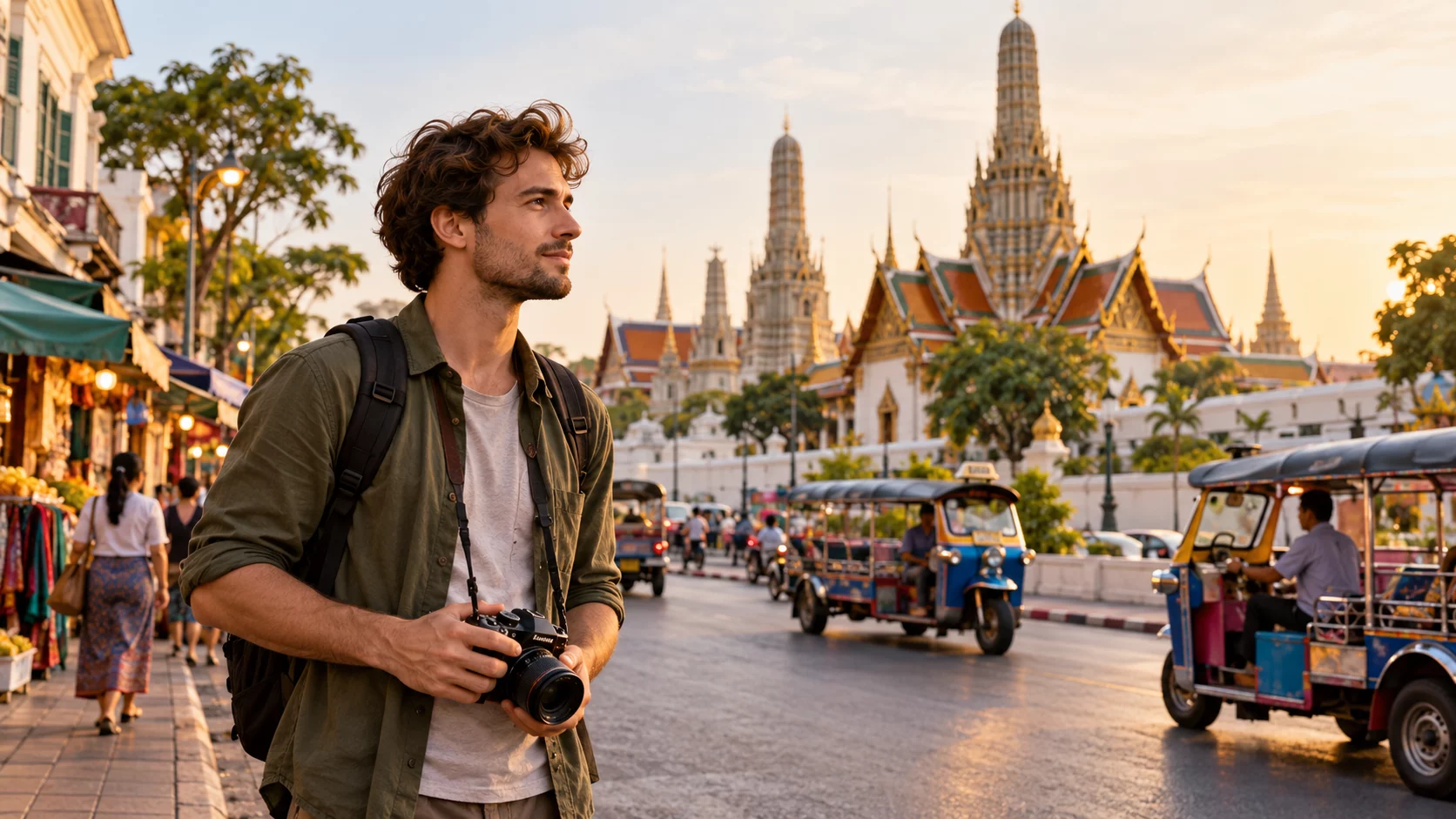
A journey leaves pictures before it leaves sentences. In Bangkok, light falling across a facade, a cup behind a window or a figure beneath an awning can make you want to take a photograph immediately. That impulse is natural. It still deserves a moment of thought. What looks like a travel scene to one person remains a workplace, an ordinary journey or a private moment to somebody else. Preparing to take photographs therefore includes deciding how to enter a shared space. This guide offers a practical way to build a small personal series without turning residents into scenery or claiming to explain a whole city through a handful of portraits.
Decide what you want to notice
Choose a subject that is specific enough to guide you and open enough to allow surprises. The movement between shade and light is a more useful starting point than trying to photograph all of Bangkok life. The first idea invites attention to shapes, textures and distances. The second can easily become a collection of familiar images. Write one sentence in your notebook: today I am looking for thresholds, reflections or objects that mark a journey. That sentence can stop you taking twenty nearly identical photographs simply because a street is busy.
Decide what the pictures will be used for as well. A memory kept in a family album and an image intended for a publicly accessible article have different audiences. If you are considering publication, explain that when you ask to make a portrait. Agreement to be photographed does not necessarily mean that someone expects their face to appear across several social networks. A simple explanation of your project makes the exchange clearer and gives the other person a genuine chance to decide. You do not need an impressive speech. You need an understandable description and time for a response.
Begin with places and objects
Before raising the camera towards somebody, explore what places and objects can offer. A sequence of windows, a shadow on the ground, empty chairs or a leaf on a bench can form a coherent series. You learn to compose without depending on a recognisable face. Look for a wide view, then a detail, then a relationship between two elements. Those three distances often tell a more thoughtful story than a burst of pictures taken while walking. Stay with the same modest subject long enough to see how the frame changes when you move a few steps.
Pay attention to information that enters the picture unintentionally. A vehicle registration, a phone screen, an identification badge or an address may become readable when enlarged. Study the edges as carefully as the centre. If a personal detail contributes nothing to the story, change your position or wait. This habit improves composition too. It requires an active choice about what to show instead of treating everything inside the viewfinder as available material. A less crowded photograph can carry a clearer idea, and leaving something outside the frame can be a deliberate part of your account.
Ask before making an identifiable portrait
For a close portrait, make contact before taking the picture. Show the camera, indicate the framing you have in mind and ask clearly whether the person agrees. A smile may accompany a request, but it does not replace an answer. If you do not share a language, a short translated sentence on your phone may help. Avoid a long explanation that is difficult to read in the middle of another activity. Prepare a simple request: may I make your portrait for my travel notebook, and would you like to see the photograph afterwards? Add the planned public use when relevant.
Make refusal easy. Do not block a route, repeat the question after hesitation or start photographing while the person is still trying to understand. If they turn away, step back or return to their work, put the camera down. A refusal is not an obstacle to overcome in pursuit of a successful image. It means only that this photograph should not become part of your series. Thank the person and continue your walk. The ability to leave an appealing picture untaken is an essential photographic decision, just like choosing exposure, distance or the moment to press the shutter.
Respect working time
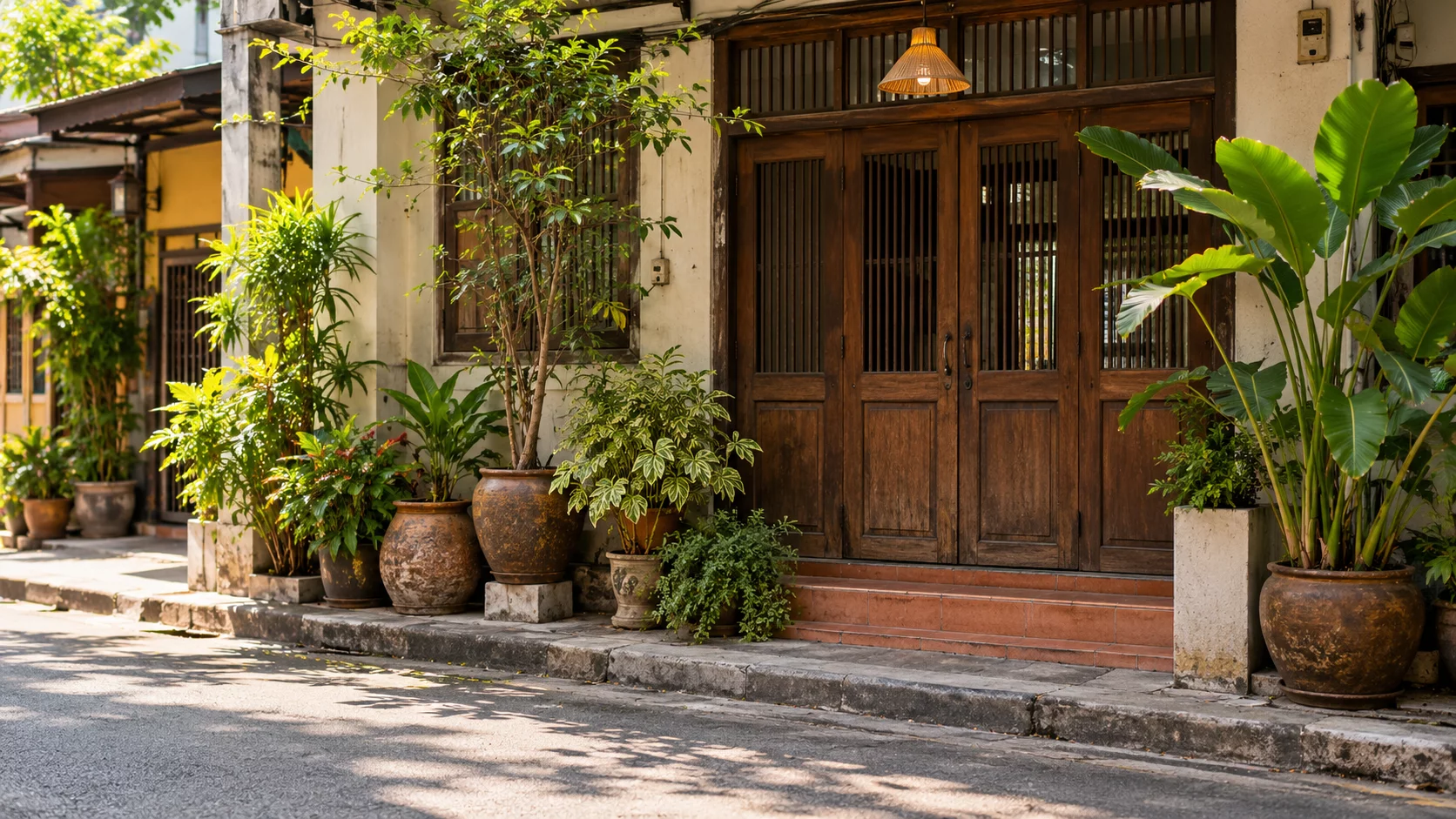
An open stall does not become a studio because a visitor likes its light. Watch the rhythm of the activity first. Somebody serving customers, carrying a load or handling a delicate object needs to continue without interruption. Wait for a quiet moment and ask where you may stand. If a portrait is welcome, prepare your settings before asking for several poses. One carefully considered picture may be more satisfying than an improvised session that holds everybody up. Pay attention to the next customer and bring the exchange to a natural end when work resumes.
Buying something does not automatically give you permission to photograph the seller. Equally, you do not have to make a purchase to make a request honestly. Keep the two exchanges separate. If payment is suggested for a session, discuss it clearly before beginning and make sure everyone understands the intended use. Do not promise professional exposure, an article or copies of files that you cannot reliably provide. Respect also depends on the simple commitments you keep after returning home. If you offer to send an image, record the agreed contact method privately and do not expose that information in a caption.
Give sensitive moments extra space
Some scenes attract attention because they appear emotionally powerful. An argument, visible exhaustion, material difficulty or a moment of reflection does not automatically become an available subject. Consider what your presence adds to the situation. If it increases discomfort, leave. You can suggest an atmosphere through a closed door, an empty bench or a patch of light without exposing a person at a moment they did not choose to share. Do not use a long lens as a way to avoid an exchange that the situation clearly calls for. Distance from the subject does not remove the need for judgement.
Take particular care around children. Do not seek their cooperation away from the adults accompanying them. For a portrait intended for publication, seek a clear agreement from the responsible adult and pay attention to the child's own reaction. Even when an adult agrees, the child's discomfort or refusal is enough reason to stop. Avoid precise location information and details that would make ordinary routines easy to reconstruct. A good image does not need to disclose everything. If the arrangement feels unclear or rushed, choose another subject and let the family continue its day without a prolonged discussion.
Read a place before photographing it
In a temple, shop, exhibition or other place that welcomes visitors, begin with the visible instructions. Being able to enter and being allowed to take photographs are separate questions. Different areas may have different conditions. If you do not understand a symbol, ask staff instead of interpreting a lack of intervention as agreement. Put the phone down while somebody explains and listen to the full answer. This guide suggests a considerate practice; it does not claim to replace the specific conditions of every venue or provide a universal statement about photography law.
Avoid disrupting the ordinary use of the space as well. A tripod, an open bag or a long wait in the middle of a passage can create an obstacle even when there is no written prohibition. Find a position that lets other people move freely. Do not climb a structure or move an object to improve the composition. If the picture requires changing something that belongs to the place, ask yourself whether you are still observing or constructing a scene you will later describe as spontaneous. When a scene is arranged, explain the arrangement rather than hiding it behind a documentary tone.
Build a sequence of three pictures
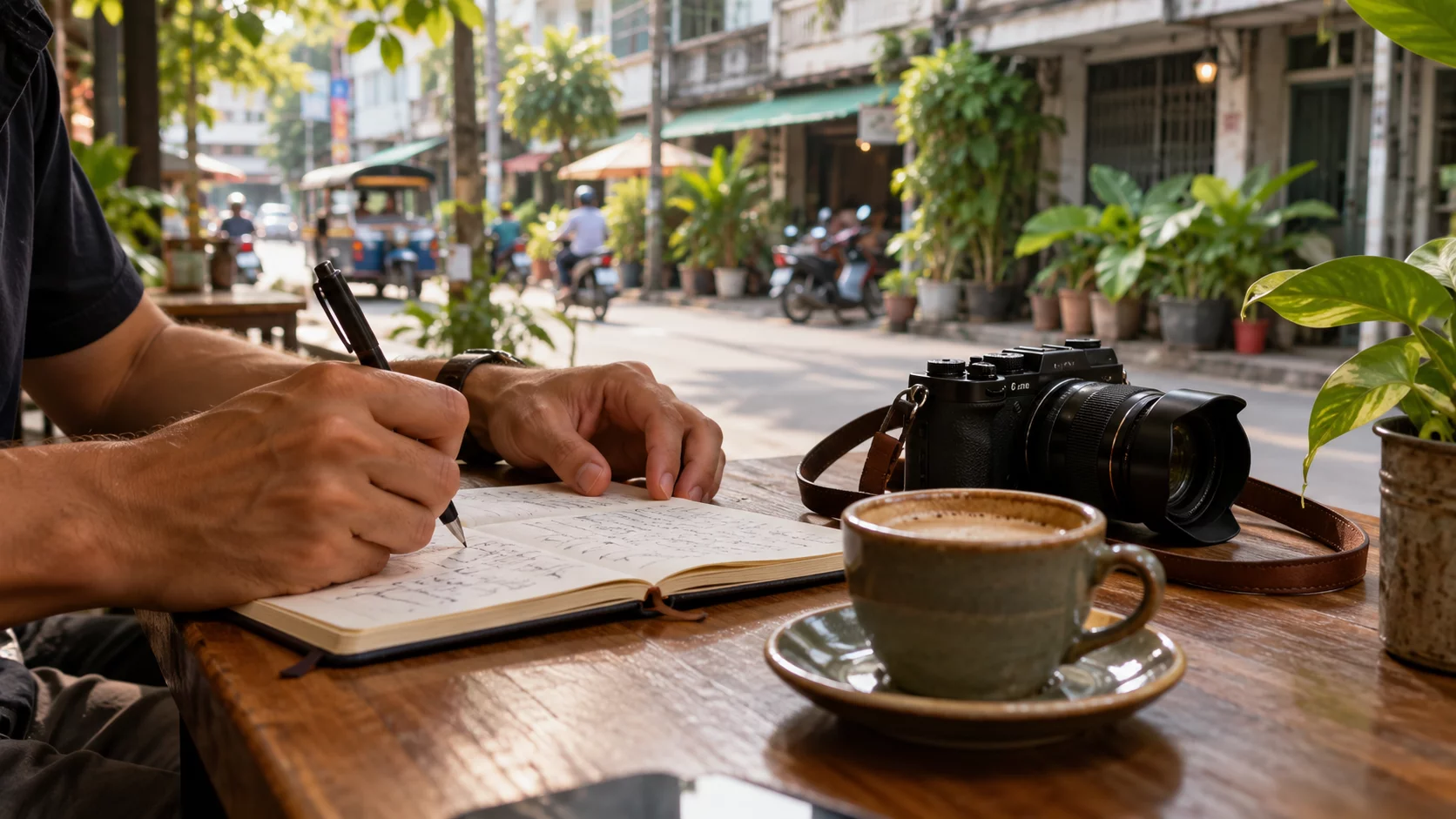
A small series benefits from giving each image a different role. The first establishes the setting: a passage, courtyard or group of facades. The second moves towards a detail: a texture, handle, cup or shadow. The third creates a transition: a path leading away, a window or a reflection. This progression provides a visual story without requiring portraits. It works particularly well in an article where every picture should contribute something different. It also gives you a practical reason to stop taking more photographs when the three roles are already fulfilled.
Before leaving the area, look at the three pictures together. Do they genuinely complement one another? If they all show the same angle, replace one with a quieter view. Think about captions too. A photograph does not automatically prove what you imagine. You can describe light or the arrangement of objects. A single face does not establish somebody's occupation, lasting mood or family history. Accepting that boundary makes a story more accurate. When you do not know a detail, leave it unknown instead of turning an attractive possibility into a statement of fact.
Separate observation from interpretation
A useful caption begins with a simple question: what is actually visible? Chairs beneath an awning during a walk is more honest than residents enjoying a well earned rest when you know nothing about their day. Add a place name only when you have checked it and when that precision creates no problem for the person photographed. If you do not know a name, do not replace it with an elegant guess. A caption can remain short while still distinguishing a confirmed detail from an impression. Precision is not the same as filling every available line with information.
You can describe your own response as your own response. Explain that the light reminded you of a reading scene, or that the frame gave you an impression of slowness. This describes your perspective without attributing it to an entire population. If an image is a reconstruction or a generated illustration, say so explicitly. An illustration can accompany practical advice. It must not become visual evidence of a meeting, business or event that was never photographed. The same distinction applies to an imagined story inspired by an image: label it as fiction rather than letting it pass for a local person's testimony.
Review before sharing
Begin by removing duplicates, then look again at recognisable people. Ask whether the image remains respectful when separated from your commentary. Social platforms sometimes crop previews, and somebody may see only a detail. If the meaning depends entirely on a long explanation, choose another photograph or restrict the audience. Keeping a picture private is a valid editorial decision. The fact that you spent time making an image does not create an obligation to publish it. A smaller selection can make the whole series stronger and leave more room for the photographs that clearly belong.
Check metadata and location information before exporting. Depending on the device and settings, a file can retain information you do not wish to share. Verify what will be transmitted rather than assuming that a platform removes everything. For an agreed portrait, honour the conditions discussed. If you promised a private copy, send it before beginning public publication. If somebody later asks you to remove an image, take the request seriously and seek a prompt solution. Think about any copies under your control, including an article thumbnail, a gallery and a scheduled social post, rather than removing only the most visible version.
Try a small practical exercise
Plan six views around a modest subject such as thresholds or reflections. Set one rule: no close photograph of a person without a prior exchange. Begin with ten minutes of looking without raising the camera. Then make a wide view, two details, a transition and two variations. Do not complete the list at any cost. The purpose is to discover how a voluntary constraint makes choices more deliberate. You may return with fewer pictures and a clearer sense of what interested you. That is a useful outcome, even when the original plan changes completely.
Back at your accommodation, keep three pictures and write two sentences for each. The first describes something visible; the second explains why you selected that frame. Remove generalisations about residents and assumptions about their intentions. You will have a more personal and credible notebook. Photographing Bangkok respectfully does not require abandoning your perspective. It means giving that perspective a form that leaves room for other people's freedom, time and privacy. The next walk can begin with the same method and a different subject. Over time, the resulting series will say something specific about your attention rather than claiming to contain the city itself.

To go further
Mr Schaka’s guidebook, Bangkok – The Practical Guide, covers the essentials: transport, neighbourhoods, addresses, food, etiquette and safety, updated for 2026–2027.