Every Sunday morning, La Batte market stretches along the Meuse in the heart of Liège. It is the oldest market in Belgium, and probably the liveliest. People come for the vegetables, the bargains and above all the atmosphere. Here is how to make the most of it, from what time to arrive to which local specialities to try.
A market born in 1561: history, hours and length
La Batte market has been running since 1561. Almost five centuries later, it still sits by the water, on the quays of the left bank: Quai Roosevelt, Quai sur Meuse, Quai de la Goffe, Quai de la Batte and Quai de Maastricht. Locals don’t say “going to the market”. They say “going to La Batte”, after the quay that gave it its name.
It takes place every Sunday, roughly from 8am to 2.30pm. The first traders set up earlier, and many start packing away a little before the end. The stalls stretch for about two kilometres. By some estimates, between 10,000 and 20,000 people pass through each Sunday, from Liège, the rest of Belgium, and also Germany and the Netherlands.
What you’ll find on the stalls
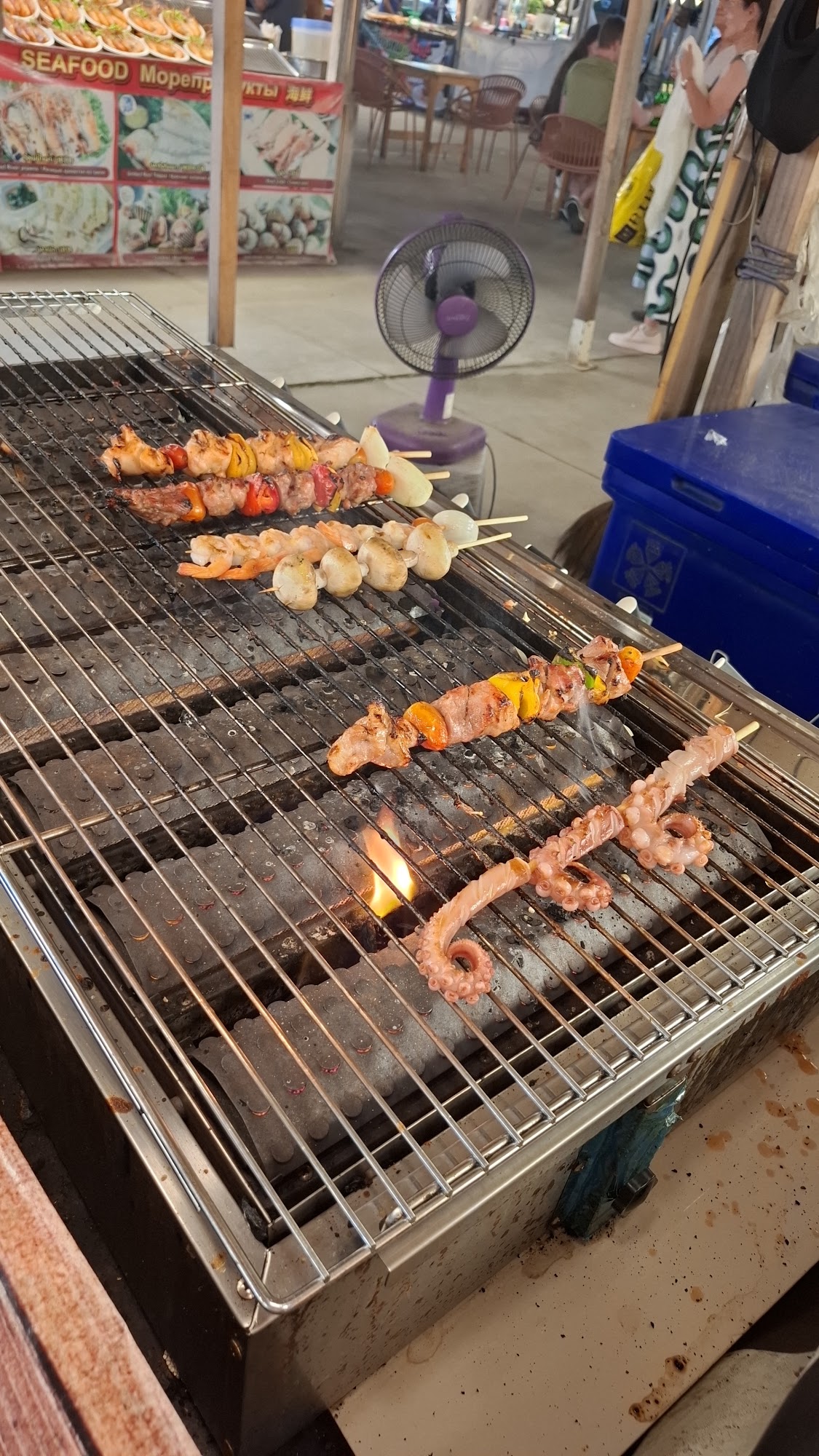
La Batte sells a bit of everything, and that is its charm. For food: fruit and vegetables, cheese and dairy from the region, olives, spices, Italian cured meats, and rotisserie chickens to take away. For everything else: clothes, fabrics, toys, small electronic gadgets, decorations, plants and flowers.
Some stands also sell animals, which always surprises foreign visitors. A few stalls are run directly by local producers: look out for them if you want local food rather than wholesale stock.
Prices are often lower than in supermarkets, especially for fruit and vegetables. Near the end of the market, some traders sell off what is left. And then there is the show: the vendors shouting their offers, sometimes with a few words of Walloon, are worth the trip on their own.
Liège specialities to try
Arriving at La Batte on a full stomach would be a mistake. The market is the perfect place to taste Liège on the go:
- The Liège waffle: a brioche-style dough with pearl sugar that caramelises as it cooks. Eat it warm, with no topping.
- Liège syrup: a dark spread made from pears and apples, for bread or for serving with cheese. A jar makes a good souvenir.
- Boulets à la liégeoise: large meatballs in a sweet-and-sour syrup sauce, often called “rabbit sauce”.
- Herve cheese: the cheese from the neighbouring Herve area, soft and strong-tasting. Ask for a taste before you buy.
For a sit-down lunch, several brasseries in the centre serve boulets with chips. Just check that they are open on Sundays before you go.
Getting there and parking
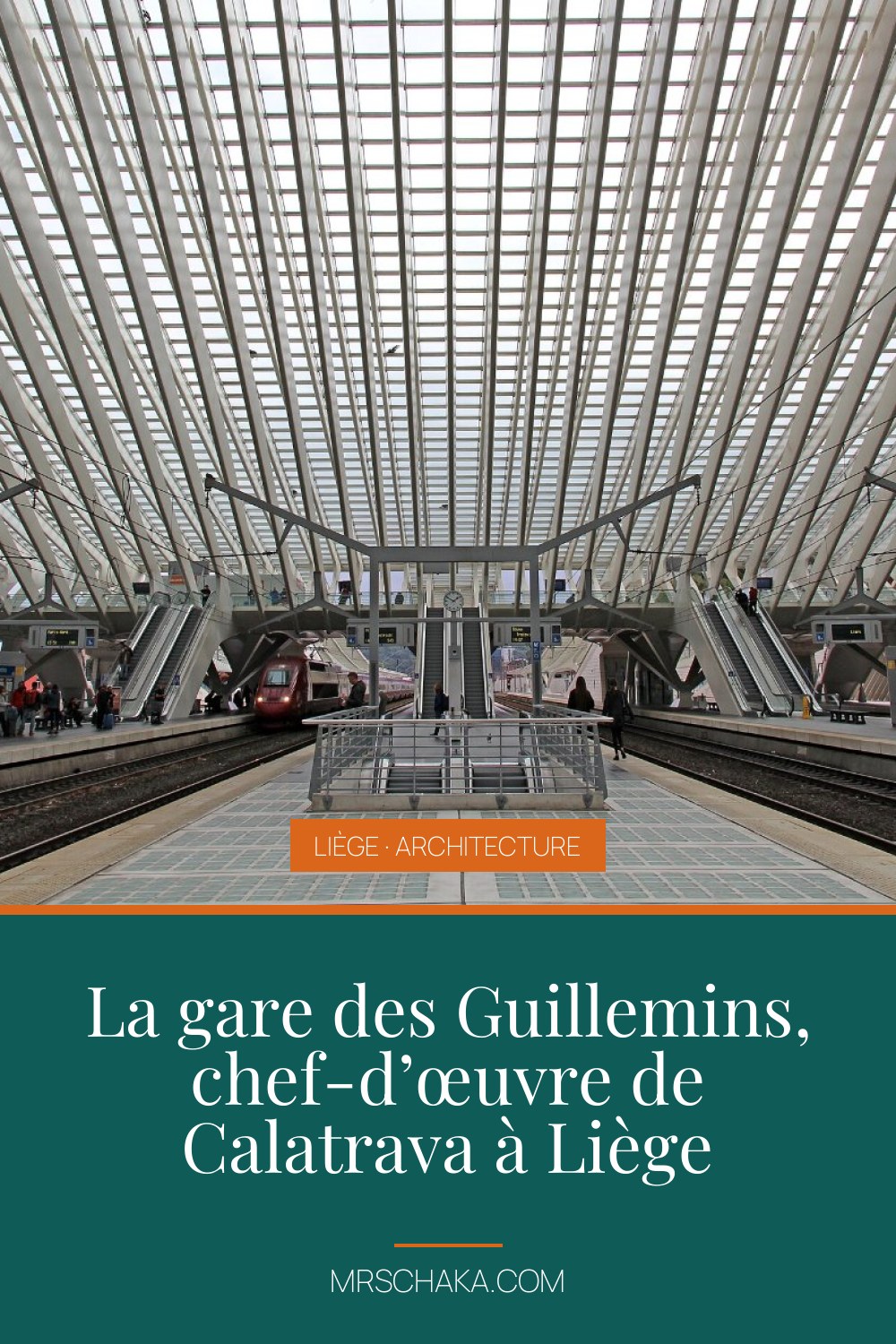
The easiest option is the tram. Line T1 links Liège-Guillemins station with the city centre. On Sundays, trams do not run along Quai de la Batte, which is taken over by the market: get off at the Féronstrée stop, a few steps from the stalls. When the tram opened in 2025, a single journey cost €2.20. Buy your ticket from the machines at the stops or in the TEC app, not on board.
If you come by car, forget the quays: they are taken by the market and nearby streets fill up fast. It is better to leave the car at a tram park-and-ride, in Sclessin (opposite the Standard stadium) or in Bressoux (near Liège Expo), then finish by tram. Expect about €1 an hour, a rate noted in late 2025 and worth checking on site. The covered car parks in the centre are another option, but more expensive.
On foot from Liège-Guillemins station, allow about 40 minutes through the centre.
What to do nearby: Grand Curtius, Hors-Château, Montagne de Bueren
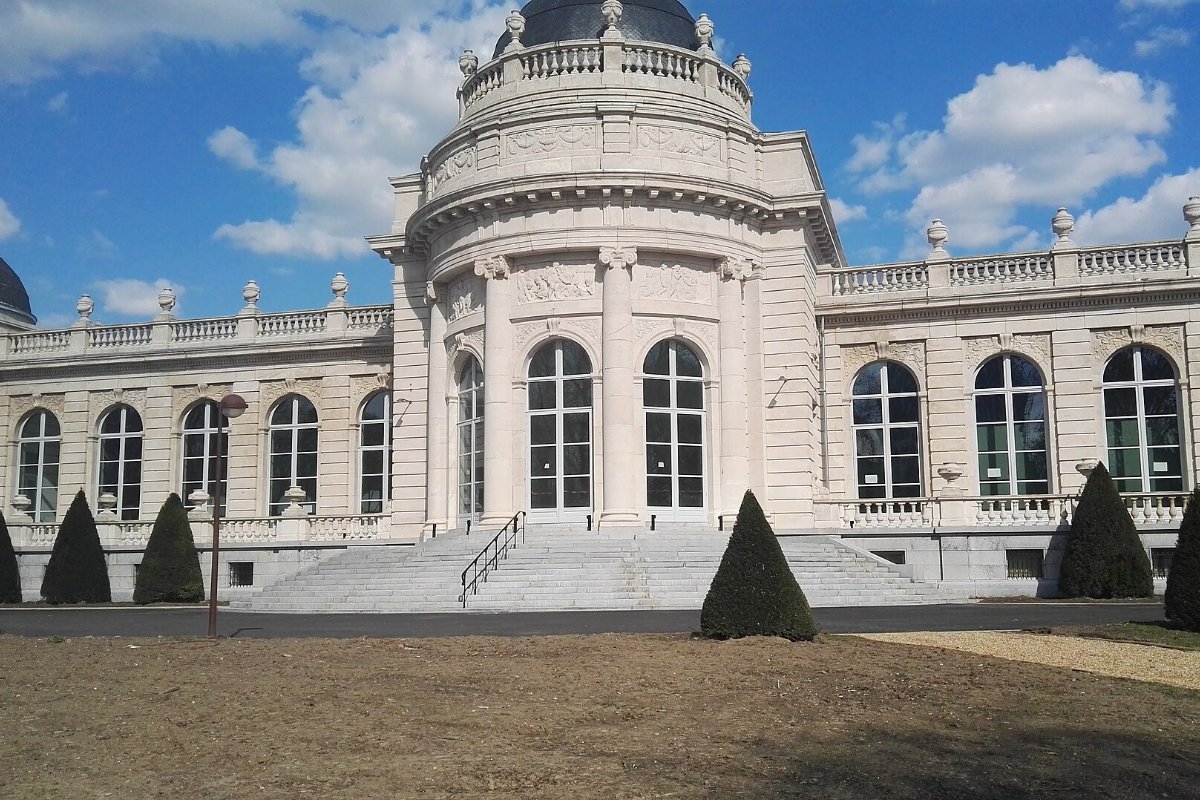
The market runs past the Grand Curtius, Liège’s museum of art and history, housed in a brick and stone palace on Quai de Maastricht. It opens Wednesday to Monday, 10am to 6pm, and is closed on Tuesdays. Entry costs €9, and it is free on the first Sunday of the month (prices noted in 2026). An exhibition about Paganini is announced there from 16 October 2026 to 7 March 2027.
Just behind it, Rue Hors-Château is lined with old houses, churches and small alleyways. It is one of the most beautiful streets in Liège, and it is calm on Sundays after the bustle of the quays.
From here, the Montagne de Bueren and its 374 steps climb towards the Citadel hillside. The view over the city is worth the effort. You’ll find all the details in our guide to the Montagne de Bueren, and for the rest of your stay, see things to do in Liège over a weekend.
Mr Schaka’s practical tips
- Arrive before 10am: fewer people, more choice.
- Bring cash in small notes; not every stall takes cards.
- Keep an eye on your bag: the crowd gets dense in late morning.
- Bring a reusable bag, or a shopping trolley if you are doing your weekly shop.
- In winter, wrap up: the wind blows hard along the quays.
- When the market ends, carry on to the Grand Curtius or a stroll along Hors-Château.
Frequently asked questions
When is La Batte market held?
Every Sunday morning, roughly from 8am to 2.30pm, on the quays of the Meuse in central Liège.
Do you have to pay to get in?
No, entry is free. You only pay for what you buy.
Can you go with children?
Yes, but keep them close: the crowd is dense around 11am. A pushchair will get through, but with difficulty at peak times. Arriving early makes the visit much easier.

The book
Liège is the setting for Oscar’s Notebook, Mr Schaka’s crime series: follow Victor Lenoir and Oscar through the streets of the city.