A capital shaped by water
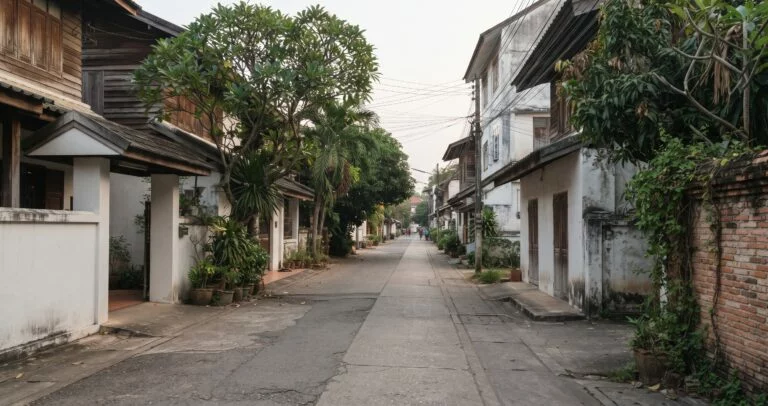
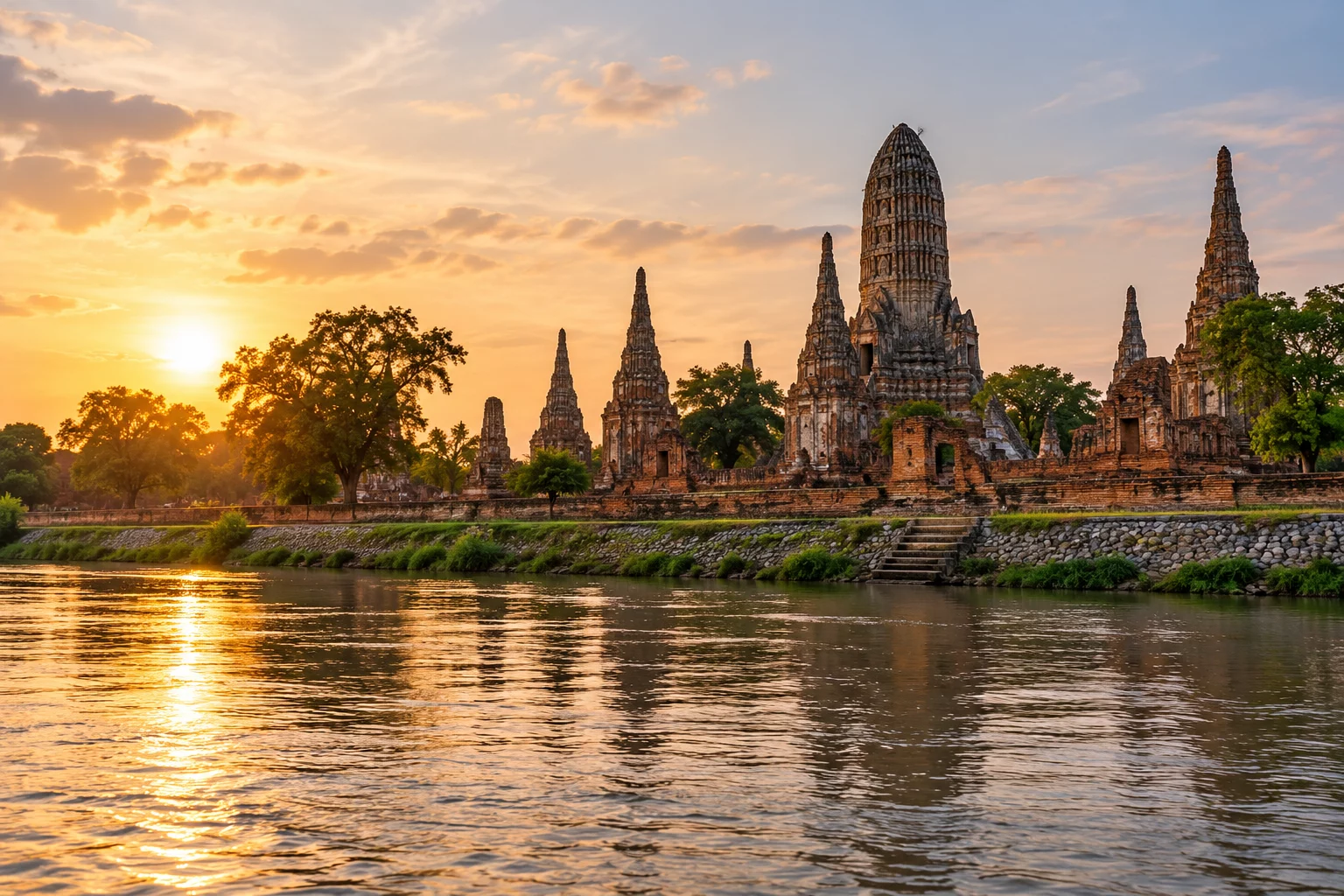
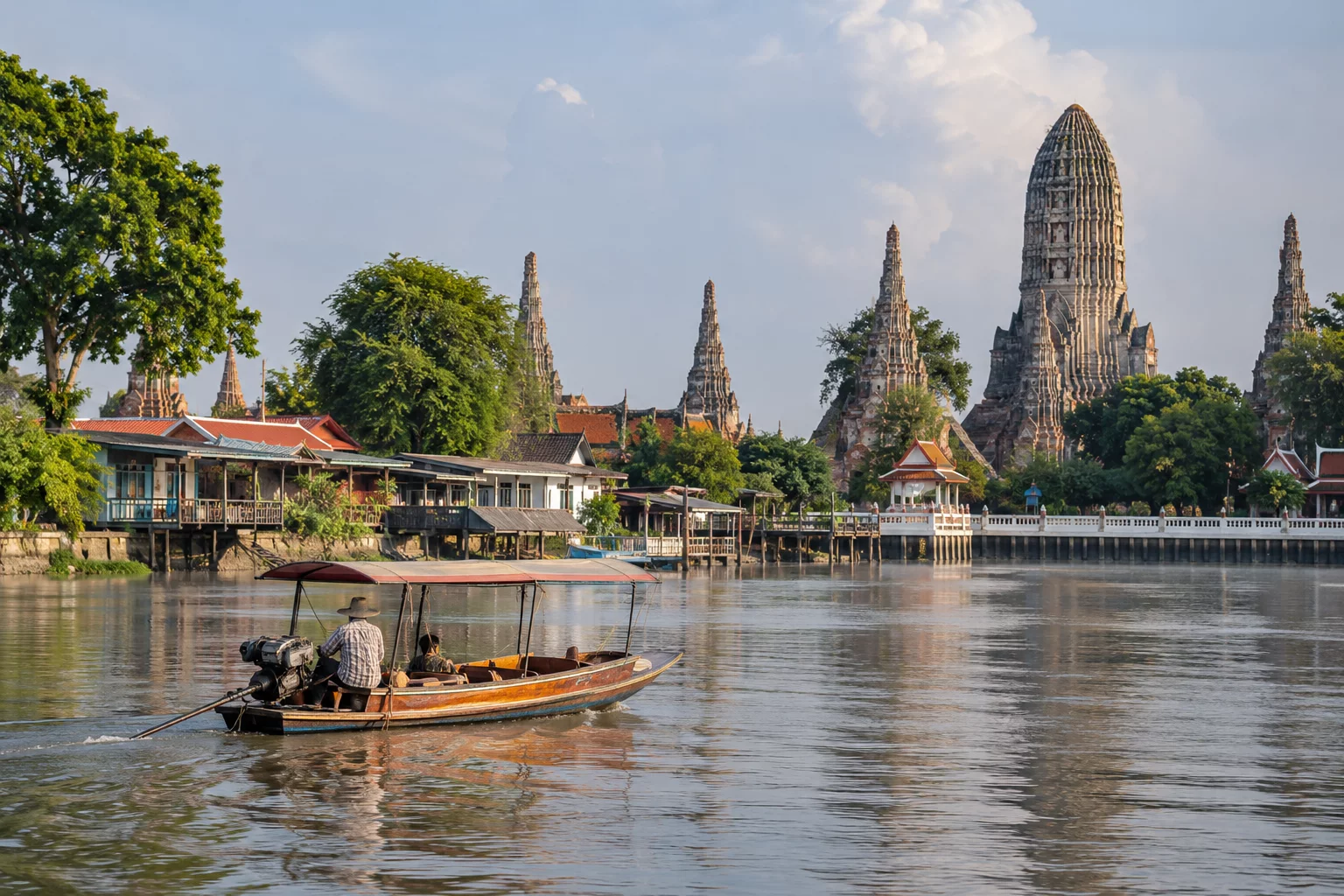
Thailand’s tourism authority describes Ayutthaya as a historic island bounded by the Chao Phraya, Pa Sak and Lopburi rivers. The park gathers temples, chedis and remains of the former capital; it is on UNESCO’s World Heritage List. This geography helps explain the city’s history and its links with waterways. Plan your visit in stages and leave time to stop. Heat, distances and visits make a day longer than a map suggests. Check hours, fees and access with official sources before going, since conditions may differ between sites.
Choose a realistic route
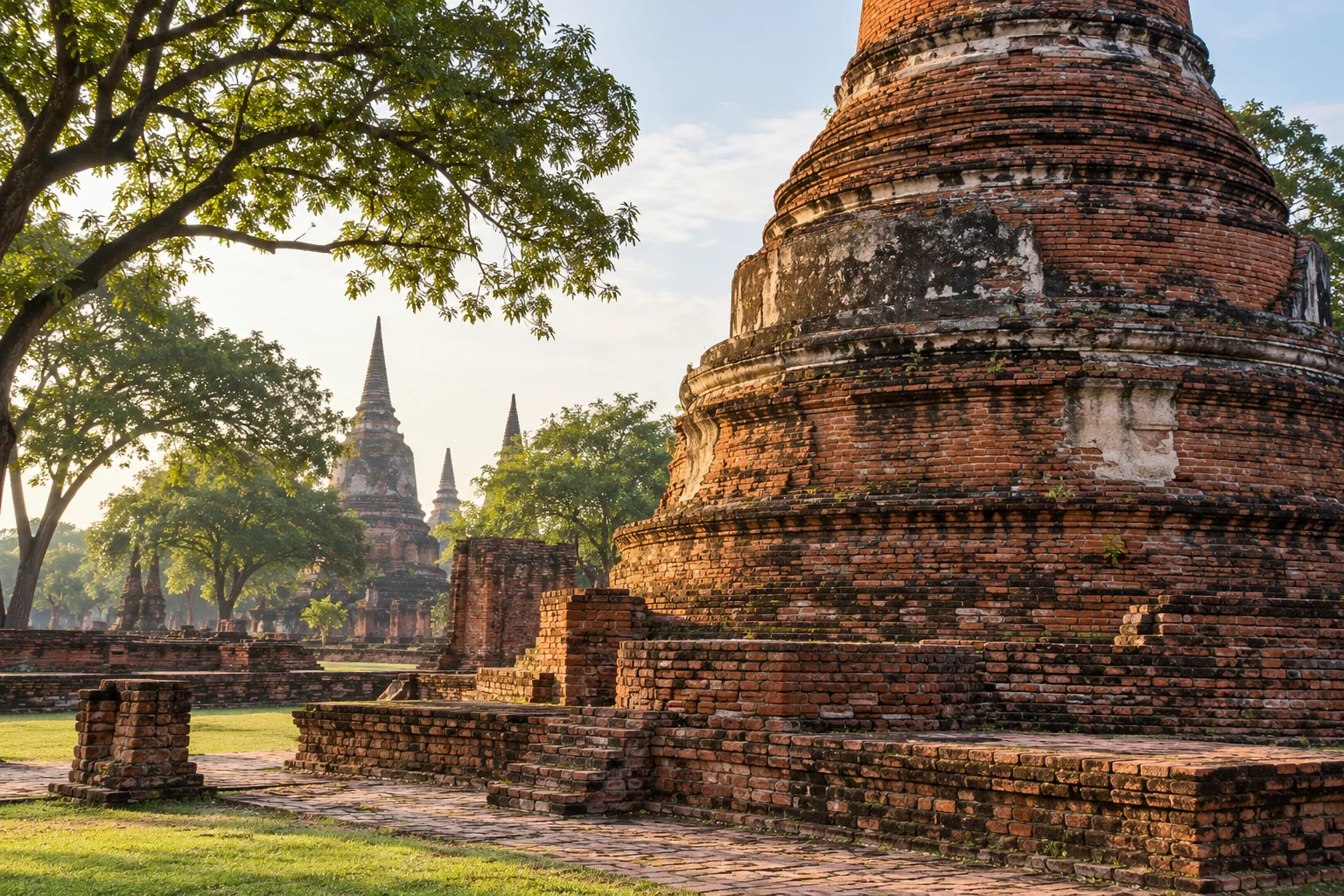
Wat Mahathat, Wat Phra Si Sanphet and the reclining Buddha at Wat Lokaya Sutharam are commonly associated with Ayutthaya. Choose a few priorities instead of trying to see everything. A map helps group visits and avoid backtracking. Cycling may suit some visitors, while tuk-tuks, taxis or short walks are alternatives. Agree on fares and stops before leaving and confirm the return point. By bicycle, check brakes and slow down at junctions. Carry water and an offline map; safety matters more than distance.
Heat, food and respect
Start early if it suits your schedule, bring water, a hat and sun protection, and plan a proper shaded break. Tourism sources mention river prawns, noodles and roti sai mai among local specialties; ask about ingredients if you have allergies. At temples, dress respectfully, follow instructions and do not climb on ruins. Take rubbish with you, respect barriers and ask before photographing people. Ayutthaya is more rewarding when visitors slow down, read the interpretation and notice details instead of hurrying to the next monument.
The park as a historic landscape
The remains are not isolated from one another: they form an urban landscape crossed by streets, waterways and green spaces. Take a few minutes to compare a chedi’s proportions, traces of walls and the open spaces between compounds. This helps convey the scale of the former capital. On-site interpretation can provide useful context, but avoid turning one inscription or detail into a complete story without evidence. Read panels, consult official resources and keep questions for a guided visit or museum where the wider context can be explained.
Plan transport and spending
Short transfers add up if you cross the island repeatedly. Group visits, confirm a tuk-tuk fare before departure and save your return address on your phone. If renting a bicycle, ask where to return it and what to do if there is a mechanical problem. Carry some cash for small purchases without assuming every vendor accepts cards. Tickets, hours and services can change; check them on the day. A little preparation leaves you free to observe monuments rather than solve a transport problem at the last minute.
Travel with respect and curiosity
Sacred sites remain places of worship and memory even when they attract many visitors. Follow dress and photography rules, keep prayer spaces clear and do not touch ritual objects. In archaeological areas, stay on paths and respect barriers. A photograph is never worth putting a person, structure or object at risk. At the end of the day, choose a quiet place to review your notes and verify surprising details. An attentive visit can continue after you leave.
Read the ruins carefully
Ayutthaya’s remains reward close observation from several viewpoints. Step back first to understand the overall shape of a chedi or prang, then look at details from authorised paths. Brickwork, alignments and restored sections reveal different layers in the site’s history. Avoid presenting missing parts as certain reconstructions: information panels and museums provide useful context, while some questions remain open. This care makes the visit more engaging because it distinguishes documented facts from interpretation.
Respect a living heritage
Ayutthaya is an archaeological site, but not every temple is simply a monument. Some remain places of worship. Dress respectfully, behave calmly and follow posted instructions. Do not move objects, sit on fragile structures or feed animals. Before photographing a statue or worshippers, consider whether the image respects the place and the people in it. These small choices help protect an extraordinary heritage and show genuine consideration.
Take a break and reflect
Heat and distances between sites make breaks important. Find an authorised shady place to drink water and check the map before continuing. At the end, note which monuments stayed with you and what you would like to investigate in a museum or reliable history source. A short reflection helps you keep similar site names distinct and form a clearer picture of the former capital. Which ruin most helped you imagine the city’s past life?
FAQ
Is the park UNESCO-listed?
Yes, the historical park is on UNESCO’s World Heritage List.
How do I get around?
By bicycle, tuk-tuk, taxi or on foot, depending on heat and mobility.
What should I try?
Tourism sources mention river prawns, noodles and roti sai mai.

To go further
Mr Schaka’s guidebook, Bangkok – The Practical Guide, covers the essentials: transport, neighbourhoods, addresses, food, etiquette and safety, updated for 2026–2027.