Spa: read a town of waters without filling every hour
The name Spa may immediately suggest a treatment or a thermal establishment. Yet a day in the town can also be built around a walk, a park and architecture. Parc de Sept Heures, the Léopold II Gallery and Pouhon Pierre-le-Grand offer reference points documented by tourism and heritage organisations. This article proposes using them to read an urban landscape, without attributing a medical effect to walking and without confusing exterior observation with guaranteed entry into buildings. The intention is to compose a light day, with choices that remain possible after arrival. It is an invitation to notice the town rather than to collect everything associated with its name.
Decide what relaxation means to you
Before looking for a reservation, express what you actually want from the day. Is it time outside, an unhurried lunch, a cultural visit or a particular service? These wishes require different budgets and preparation. Writing down two priorities helps avoid a programme that adds together every activity associated with Spa. If you want a treatment, handle that reservation separately and check its terms directly with the provider. The walk suggested here replaces no service and promises no therapeutic benefit. It simply offers a way to look at the town while leaving room for your own pace. You can enjoy a quiet interval without needing to explain it through a health claim.
Build the day around two protected intervals
In an overfilled programme, free time becomes whatever remains after obligations. Reverse that logic: first protect an interval for a genuine break and another for the return. Only then place one or two observations between them. You might make the park your main reference and retain a second architectural stop according to your energy. This is not an official timetable. The time required depends on your arrival, weather and abilities. The method protects simple moments from the temptation to add one final visit whenever a sign attracts attention. It also makes the return something that belongs to the day, rather than an inconvenience squeezed into its final minutes.
Prepare arrival without imagining universal access
Whether arriving by public transport or otherwise, identify exactly where the walking begins. Check schedules and connections with the operator, or actual parking conditions if coming by car. Then trace a pedestrian connection to your first landmark. A general map cannot show everything about surfaces, crossings or possible works. If someone has mobility requirements, ask about the complete route instead of relying on an overall accessibility label. Finally, note a shorter way back. A flexible programme is more useful when it genuinely allows you to stop before the planned end. The most convenient arrival point and the most attractive view may be different places; plan the connection rather than assuming they coincide.
Parc de Sept Heures as the start of your attention
Official tourism information describes Parc de Sept Heures as a public promenade and mentions its monuments. Begin your visit without trying to locate every item. From somewhere you can pause, notice how paths, trees and buildings compose the space. Ask what encourages walking straight ahead, and what invites you to turn or sit. This reading is personal; it is not a historical explanation of every arrangement. Heritage information can be consulted afterwards. Beginning with your own observation allows comparison between what you saw and what a source teaches you. You may discover a connection you initially missed, or recognise a question that deserves more research than a quick glance can supply.
Understand an avenue through repetition
An avenue can often be read through repeated elements: trunks, intervals, changes of light or ground lines. Choose one pattern and follow it with your eyes without making yourself walk its entire length. What happens when someone passes in front, when perspective brings forms closer together, or when an opening appears to the side? Three words and a small sketch can be enough. The exercise works while seated too. It requires neither botanical knowledge nor particular exertion. Respect circulation areas and planting: looking more closely does not require touching, collecting a branch or entering a planted bed for another angle. You can notice the pattern while leaving the place exactly as you found it.
The Léopold II Gallery as architecture to observe
The Walloon regional heritage page places the Léopold II Gallery within Parc de Sept Heures and describes it as a covered promenade. This reference lets you move from a planted composition to a built structure. Look at supports, openings and relationships between solid and empty space from accessible areas. The same repeated element can appear different after a small change of position. If sections are occupied, closed or governed by instructions, adapt your attention rather than insisting on entry. Architectural interest does not mean every area must always be available to visitors. A limited but careful exterior observation remains worthwhile and does not require pretending you have examined the whole structure in detail.
Notice materials without inventing their history
You can describe a contrast of materials, a slender profile or a sign of use without knowing a building's complete chronology. Separate observation from supposition. Saying one surface appears lighter than its neighbour is observation; saying it has just been restored requires additional information. The same caution applies to dates and features you believe to be original. A reliable heritage description may answer some questions, though not necessarily all of them. Keep questions in the notebook instead of constructing an entire history from an aesthetic impression and an isolated detail. If you research later, preserve a distinction between what the visit showed you and what the documentary source supplied afterwards.
A park is not an empty stage
In a public promenade, other people use the same spaces for reasons of their own. Avoid stopping in the middle of a route to read information or frame a photograph. With a group, move aside before discussing the next step. An activity taking place may change the atmosphere and circulation; it does not owe visitors the quiet they imagined beforehand. You can notice this coexistence without turning strangers into fictional characters. Ask permission before photographing a recognisable face, and accept the answer. For your notebook, describe a movement or a use of space rather than a passer-by's supposed life. Your presence is another use of the shared setting, not an exemption from sharing it.
The pouhon as a cultural question
Destination information presents Pouhon Pierre-le-Grand as a town landmark. When preparing a visit, distinguish the building, the history of the spring and the arrangements for accessing what is inside. These are three separate subjects. Exterior observation already allows a question about how a town makes its relationship with water visible. It does not justify announcing that visitors will enter, taste water or see an exhibition without checking. Confirm the offer for your date with the responsible organisation. This approach concerns landscape and heritage, with no consumption advice or health assertion. A cultural curiosity can remain interesting without becoming a recommendation to use or drink something whose arrangements you have not established.
Do not confuse a spring with a wellness promise
The language of a town of waters can create many expectations. Be precise when writing or sharing your day: you looked at a building, followed an avenue or read historical information. Those actions do not demonstrate a health effect. If you personally enjoyed a moment, describe it as your experience rather than a guaranteed result for everyone. This distinction preserves the place's cultural richness without turning a walk into a prescription. Questions about health or a particular treatment belong with the relevant professionals, rather than with a photograph caption or a travel impression. The pleasure of an observation does not need a medical explanation to be a meaningful part of the day.
Connect landmarks without inventing a loop
Before moving from the park to another place, check the connection on a current map and on the ground. This article does not provide an official route to follow systematically. Depending on arrival, a simple out-and-back may be more agreeable than a loop. Identify somewhere to decide whether to continue, pause or return. The decision becomes easier when each option has been considered before fatigue. Do not retain a detour solely because it appeared in the original programme. A small set of comfortably connected references can communicate more than a scattered crossing where most of the time goes into locating the next point. The shape of the route should serve the visit, not control it.
Keep woodland as a separate option
During the day, you may feel like moving from the town into a more natural setting. Do not assume every green walk can be added to an urban visit without preparation. A route outside the centre requires an appropriate map, information about conditions, suitable footwear and a return calculation. If these are unprepared, keep the idea for another outing. Such restraint does not diminish Spa's interest. It prevents countryside or woodland becoming a backdrop imagined a few steps beyond a terrace. Two clearly distinguished excursions can be more satisfying than a day attempting to combine everything. You can write down the idea while remaining committed to the comfortable plan you actually prepared.
A break that does not depend on one address
Choose the kind of pause before choosing a business name. Would you like to sit for a long time, eat quickly or simply have a drink? Then check actual prices, welcome and possibilities on arrival. Keep a second option if the first is unsuitable. This article guarantees no particular business. For a group, pushchair or person with specific requirements, ask for useful information before settling in. The break remains a part of travelling, not a reward to be earned after every observation is finished. You may decide it will be the programme's longest interval. That decision can make the surrounding walk clearer, because you stop treating the pause as something that steals time from the visit.
A short version and an expanded version
The short version keeps the park, an observation of the gallery and a break, then returns by a checked connection. The expanded version can add the pouhon landmark and, if confirmed, one chosen interior visit. You need not allocate identical time to every element. Some people will appreciate a page read while seated more than an additional stop. Others may want to compare architectural forms. Decide with companions instead of following an abstract list of essential activities. The day is measured neither in kilometres nor in buildings photographed before departure. A shorter plan can feel complete, particularly when each element has room to become an experience rather than merely a point passed along the way.
Adapt to seasons without predicting the weather
A calendar date cannot guarantee conditions at the time of a walk. Check recent forecasts and carry clothing appropriate to your circumstances. For damp surfaces, leaves or temporarily restricted areas, assess what you find and follow local instructions. Do not treat a gallery assumed accessible as the only answer to every weather change. Prepare a genuinely confirmed indoor option, or accept a shorter outing. A changed walk remains a walk. You can even note how weather altered the appearance of materials without prolonging exposure to obtain a more attractive scene for a story. The account should follow sensible decisions, rather than forcing decisions to follow a preferred account of the day.
Give children a light task
Suggest finding two types of lines, drawing a tree silhouette, or comparing a shadow beneath a structure with one in the park. Do not require racing between landmarks, touching installations or collecting natural objects. A child can also choose one question to ask after the visit. Proper names need not become a memory test. Adults too may enjoy discovery through conversation, an image or a moment without commentary. Allowing these differences keeps the walk shared without requiring everybody to display the same kind of interest. Someone who appears quiet may remember a detail vividly and mention it much later. Leave that possibility open instead of asking for an immediate report at every stop.
Choose images that explain rather than repeat
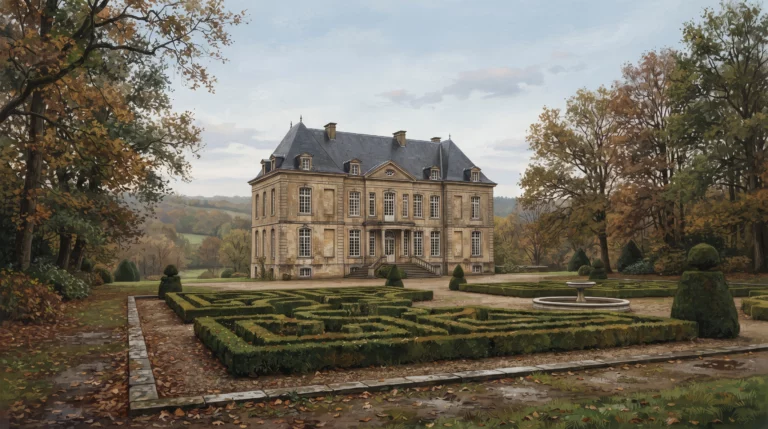
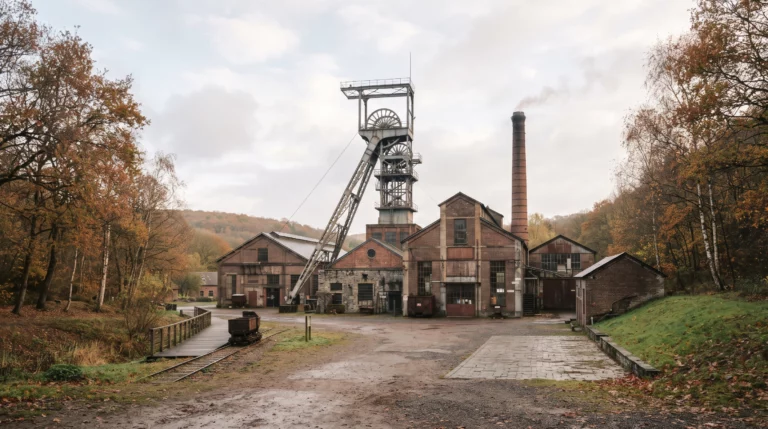
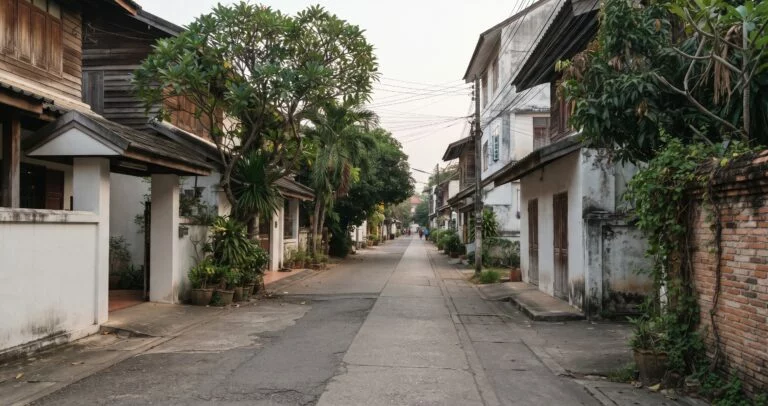
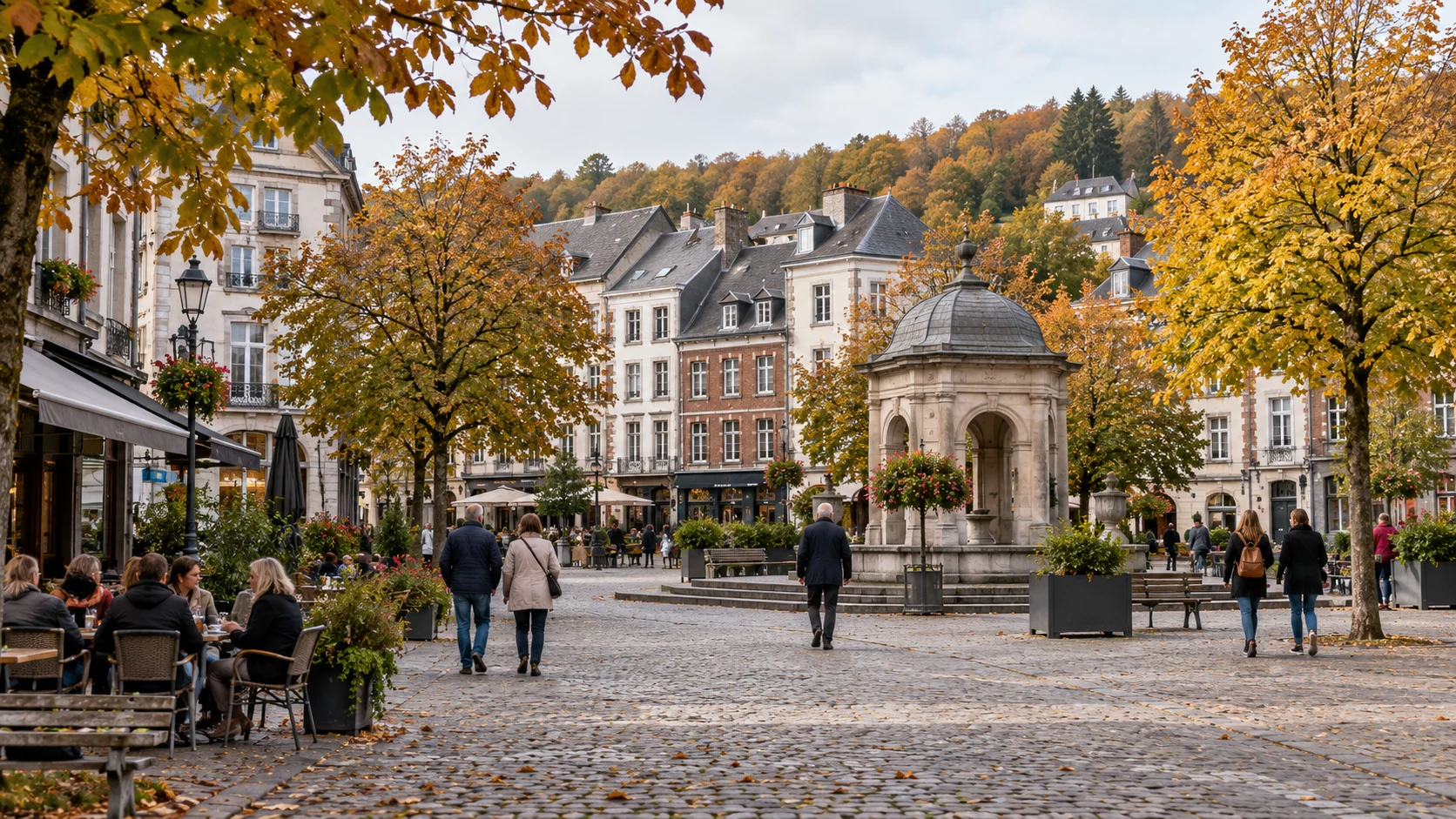
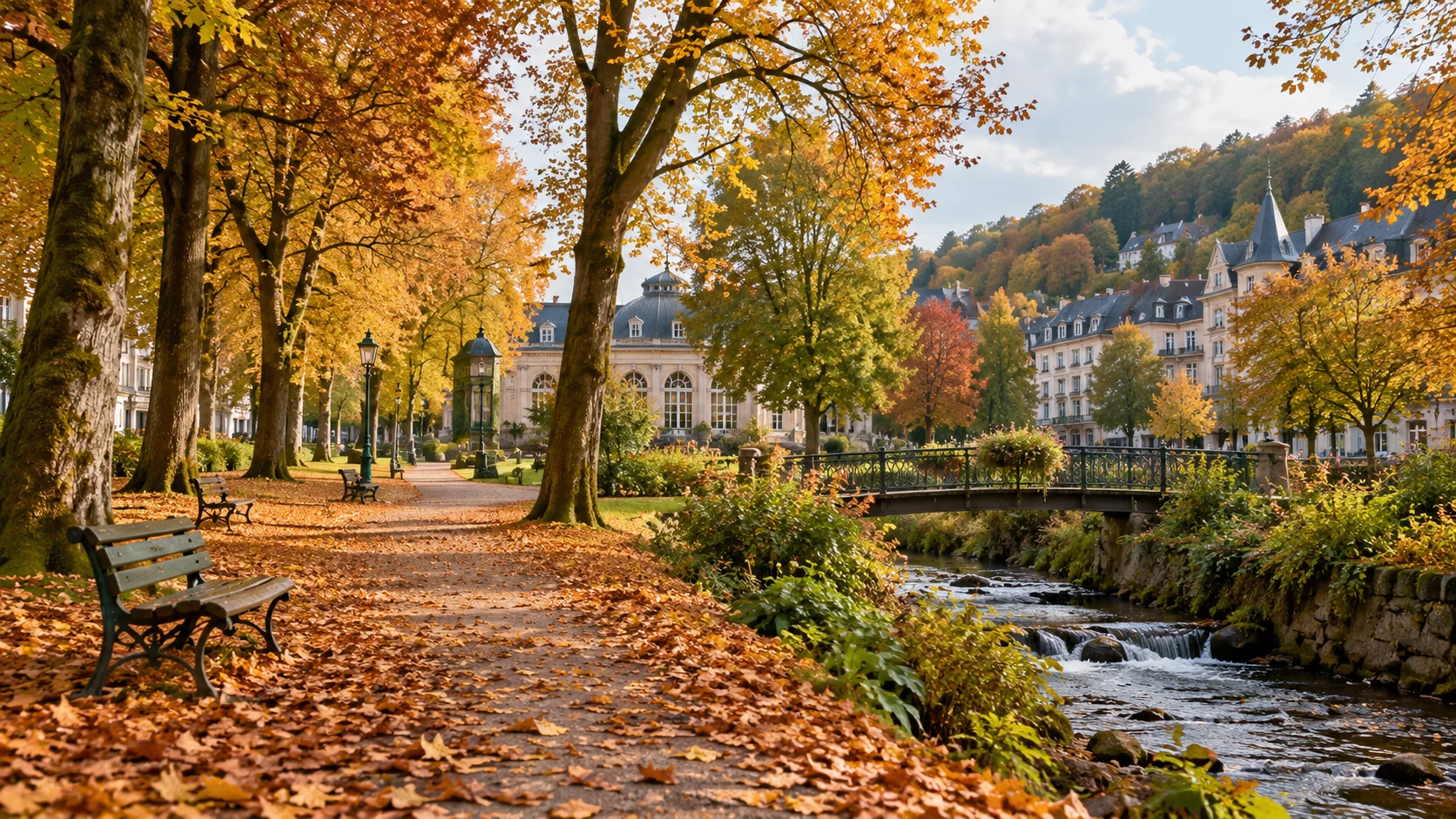
A wide image might show the relationship between an avenue and architecture. A second could isolate rhythm, a material or the walking notebook. Check frame edges and the possible presence of recognisable people. The illustrations in this article are generated with artificial intelligence: they evoke the subject without documenting actual conditions on a particular date. If publishing your own photographs, use accurate captions and distinguish current, older and illustrative views. An image should not imply an interior was open when you did not check, or promise an experience you did not have. Two pictures with different roles can tell more than many almost identical views, especially when captions accurately state the limits of what they show.
Finish with what you would like to keep
Before returning, choose one element to retain: a repetition in the gallery, the way an avenue is organised, or a question about water's place in the town. One sentence may be enough. Then put away your materials and begin the return with the margin already planned. Afterwards, verify names and facts if you intend to publish an account. You can also preserve a sentence about something you chose not to do. That freedom belongs to the day: leaving a possibility aside without frustration, in order to appreciate what was genuinely within reach. The unfinished list can be evidence of a deliberate choice rather than a measure of what the visit supposedly lacked.
Useful checks before a day in Spa
Consult the destination's official resources and heritage information to prepare the references that interest you. Check openings and reservations separately, along with transport and accessibility requirements. This guide announces no event and guarantees no availability for its planned publication dates. It suggests composing a day around urban landscape, walking and a pause. Parc de Sept Heures, the gallery and the pouhon landmark can support attentive discovery, without assumed treatments, an overloaded programme or pressure to keep going after you have seen enough. Give yourself permission to decide that the day is already complete. Another visit may develop the remaining questions, but nothing requires that future plan to be made before this one ends.
Official and heritage sources: check arrangements before visiting
- Tourisme Spa — Parc de Sept Heures
- Wallonie — Galerie Léopold II
- Spa Hautes-Fagnes Ardennes — Pouhon Pierre-le-Grand (Cirkwi)
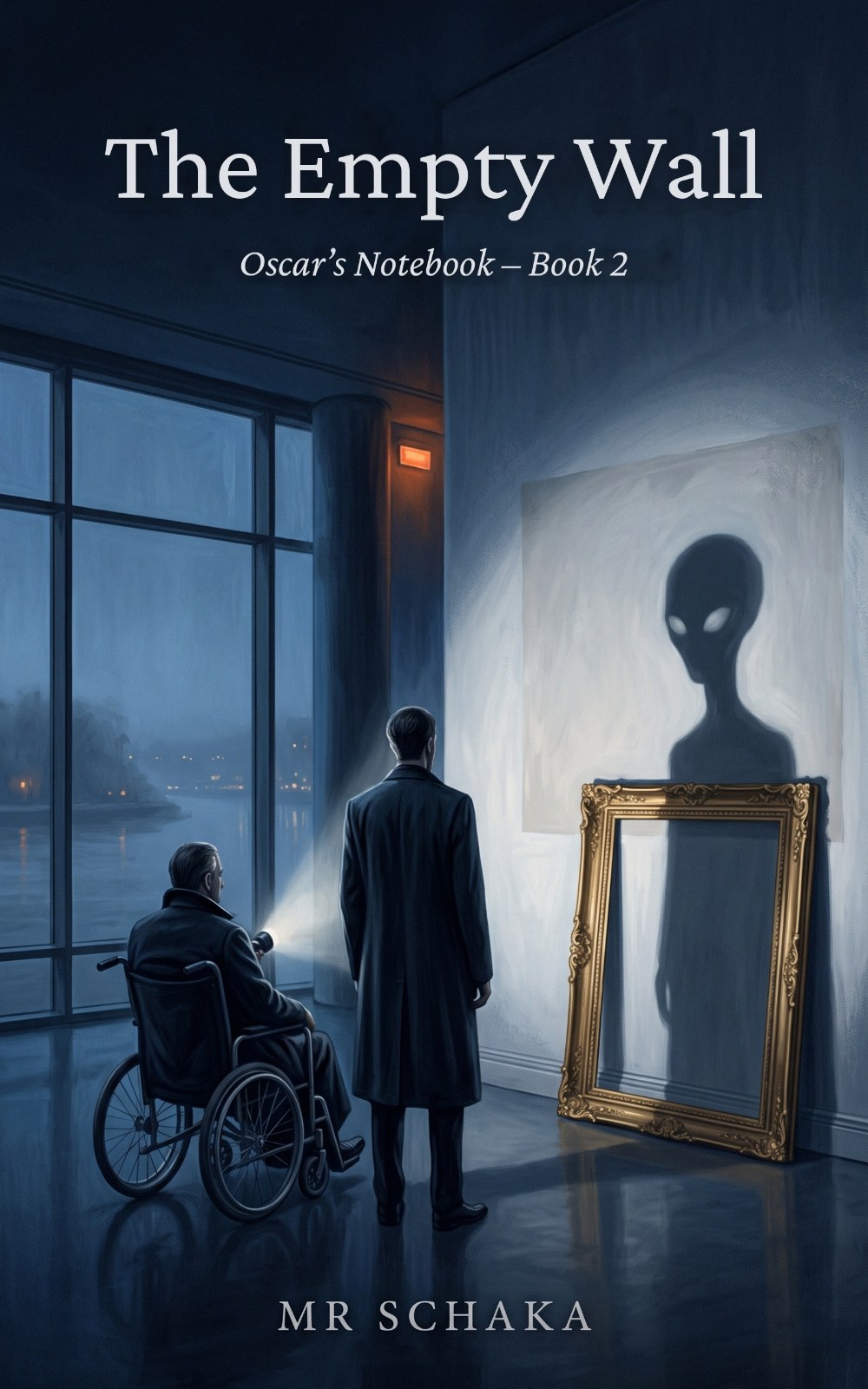
The book
The Empty Wall is the second book of Oscar’s Notebook, a series of crime novels set in Liège.